Lawn Mowing Time Optimizer
Verdict
Select your options and click analyze.
Quick Takeaways for a Healthier Lawn
- Avoid Midday: High heat causes moisture loss and shocks the grass.
- Avoid Early Morning Dew: Wet grass clumps, tears, and invites disease.
- Late Afternoon/Early Evening: Generally the sweet spot for grass recovery.
- Consistency Matters: Following a schedule is more important than the exact hour.
The Battle of the Clock: Morning vs. Evening
When we talk about mowing, we are really talking about managing the health of the grass blade. Cutting is essentially wounding the plant. Every time you trim the top, the plant loses water and energy. The timing determines how quickly that wound heals.
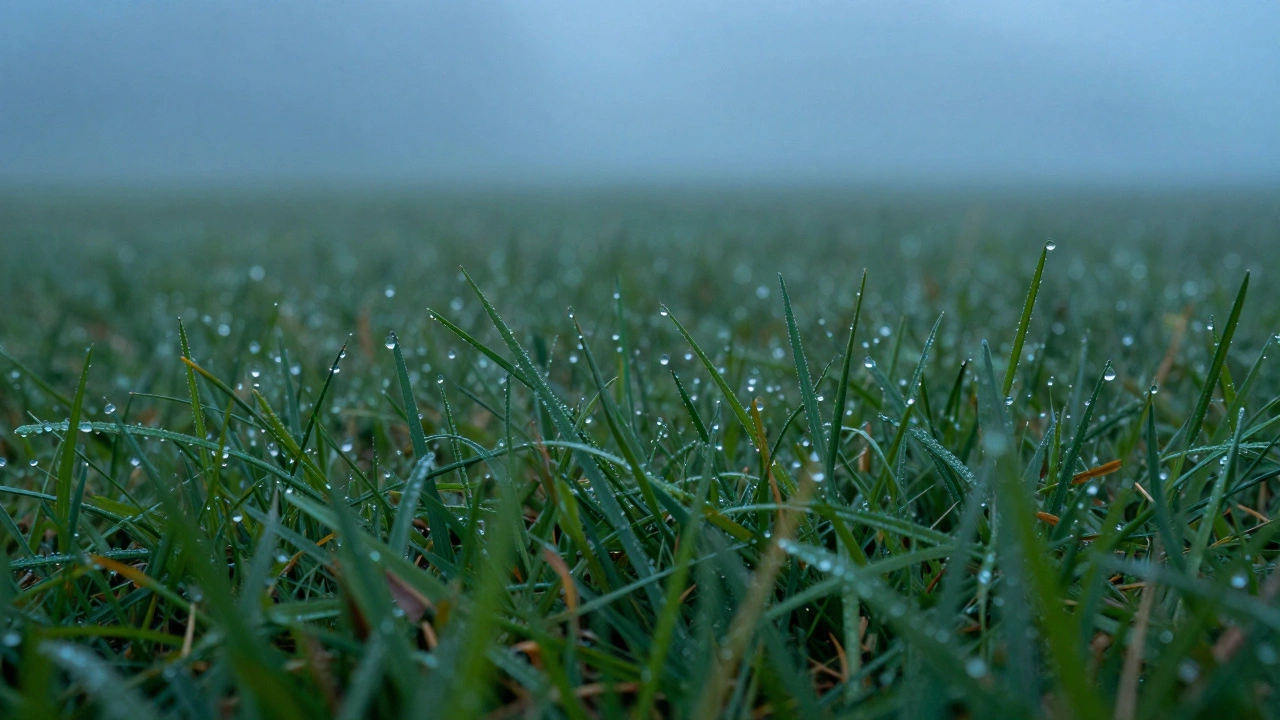
If you mow in the early morning, you're likely dealing with dew. While the air is cool, the grass is often saturated. This creates a mess. Your mower will clog, and instead of a clean cut, the blades might tear the grass, leaving jagged edges that turn brown. More importantly, wet grass is a playground for fungal diseases. When you cut wet grass and leave the clippings behind, you're creating a damp blanket that traps moisture against the soil, which is exactly how mold and mildew start.
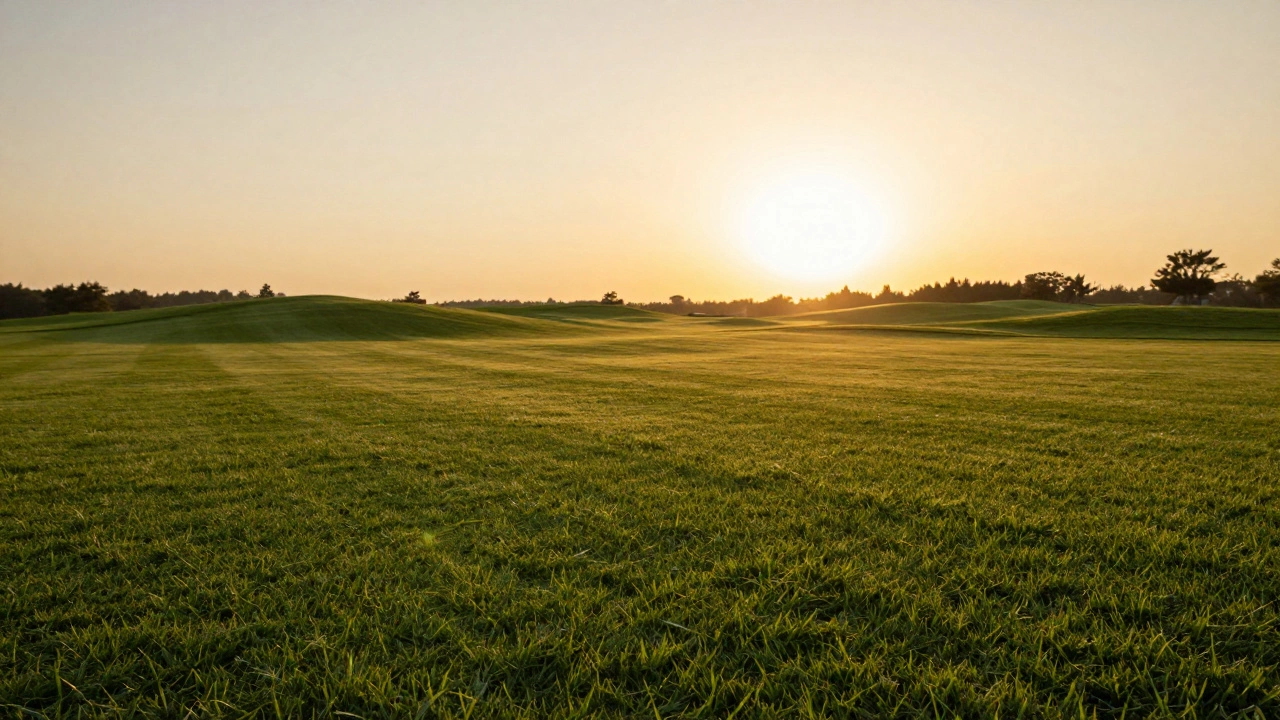
Evening mowing, specifically late afternoon, is often the gold standard. By 4 PM or 5 PM, the dew has evaporated, and the peak heat of the day has passed. The grass is dry, meaning you get a crisp, clean cut. Because the sun is going down, the plant isn't fighting to keep water in its cells while it's being cut. It has the entire night to recover in the cool air before the sun hits it again the next morning.
Why Midday is a Disaster for Your Grass
It's tempting to mow during a lunch break or a sunny Saturday afternoon, but this is the worst time for best time to mow lawn success. When the temperature spikes, transpiration (the process where plants release water vapor) is at its peak. Cutting the grass during this window forces the plant to lose moisture even faster.
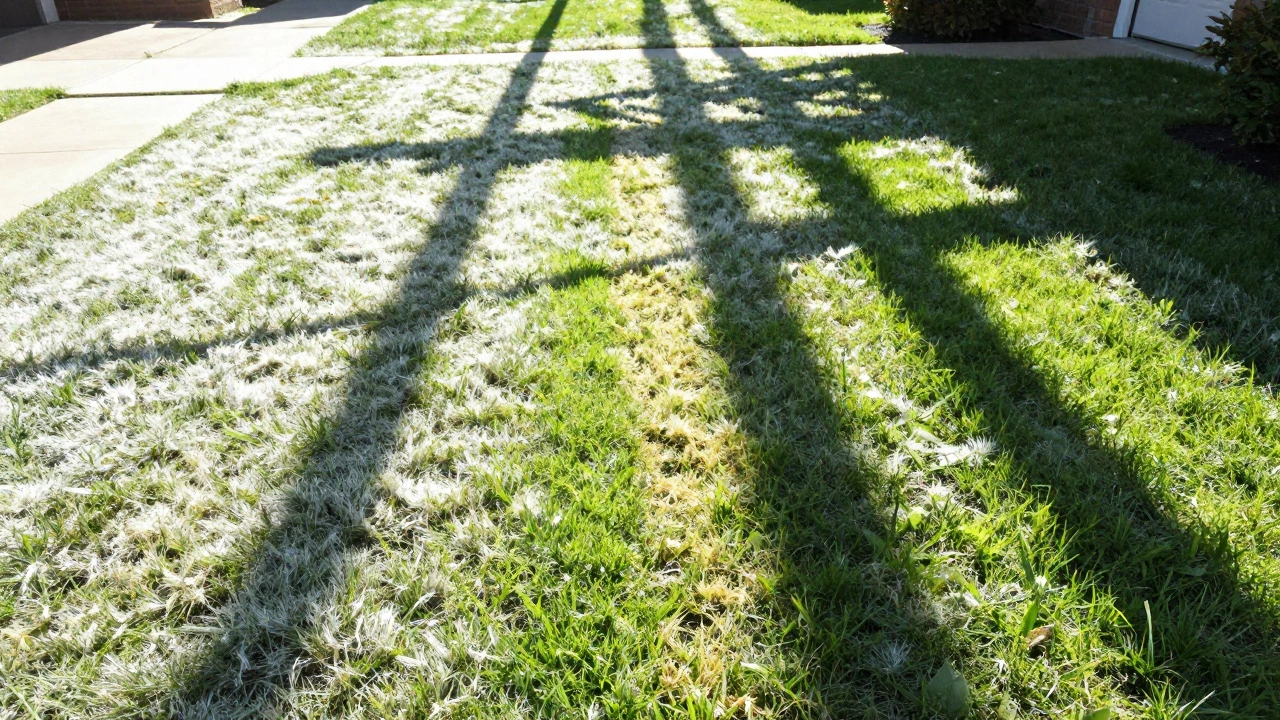
Imagine running a marathon in 100-degree weather; you'd be exhausted and dehydrated. Your lawn feels the same. Midday mowing can lead to "scorching," where the newly exposed parts of the grass blade burn under the UV rays. This manifests as a pale, yellowish tint across the top of your lawn. If you absolutely must mow during the day, make sure you've watered the lawn the night before so the roots have a reservoir to draw from.
| Time of Day | Pros | Cons | Grass Impact |
|---|---|---|---|
| Early Morning | Cool for the human | Dew leads to clumping | High risk of disease |
| Midday | High visibility | Extreme heat stress | Potential for scorching |
| Late Afternoon | Dry blades, cleaner cut | Can be hot for the human | Ideal recovery window |
| Early Evening | Perfect temperatures | Less daylight for visibility | Very low stress |
Understanding the Recovery Cycle
The secret to a lush lawn isn't just the cut; it's the recovery. When you use a lawn mower, you are removing the photosynthetic factory of the plant. The grass then has to shift its energy from growing upward to healing the wound and regrowing the tip.
If you mow at 6 PM, the plant has roughly 12 hours of darkness and cooler temperatures to seal those wounds. This is similar to how humans heal better during sleep. By the time the sun comes up the next day, the grass has stabilized. In contrast, if you mow at 10 AM, the plant is immediately hit by the strongest sun of the day while its "wound" is still open, leading to rapid water loss and stress.
Practical Tips for Different Grass Types
Not all lawns are the same. A Cool-Season Grass (like Kentucky Bluegrass or Fescue) behaves differently than a Warm-Season Grass (like Bermuda or Zoysia).
Cool-season grasses thrive in the spring and fall. During these times, morning dew is much heavier and lasts longer. If you're in a damp climate, you might find that you can't mow until 11 AM because the grass stays wet. For warm-season grasses, the summer heat is the primary enemy. In July and August, moving your mowing time to the very end of the day-even as late as 7 PM-can be a lifesaver for the turf.
Regardless of the grass type, always follow the "One-Third Rule." Never cut more than one-third of the grass blade height at once. If you let your lawn grow too long and then hack it down in the evening, you're still stressing the plant, even if the timing is right. Frequent, light trims in the late afternoon are far better than one massive haircut once a month.
Common Pitfalls to Avoid
Many homeowners make the mistake of thinking that "evening" means "whenever it's dark." Mowing in the twilight or with a flashlight is a bad idea. You'll likely miss spots, cut your toes, or-worst of all-scalp a section of the lawn because you couldn't see a dip in the ground. You need enough light to see the terrain but not enough sun to bake the grass.
Another trap is ignoring the clippings. While grasscycling (leaving clippings to decompose) is great for the soil, doing this during a wet morning mow is dangerous. Wet clumps of grass act like sponges, holding moisture against the blades and promoting brown patch or other fungal growths. If you mow in the morning, you almost always have to bag the clippings to keep the lawn healthy.
Does mowing at night hurt the grass?
Mowing in total darkness is more of a risk to the human than the grass, but mowing too late into the evening can be problematic. If the dew starts to fall before you finish, you're essentially mowing wet grass, which can lead to tearing and disease. The best window is late afternoon when the grass is dry but the sun is losing its intensity.
Why do some people prefer morning mowing?
Most people prefer the morning because it's cooler for the person doing the work. Pushing a mower in 90-degree heat is exhausting. However, from the perspective of the plant's health, the early morning is often too damp, and the midday is too hot. If you must mow in the morning, wait until the dew has completely dried.
What happens if I mow when the grass is wet?
Wet grass doesn't cut cleanly; it bends and tears. This creates an irregular surface and leaves the plant vulnerable to pests and fungi. Additionally, wet grass clumps together, which can suffocate the remaining blades and clog your mower's discharge chute, putting extra strain on the engine.
How does the time of day affect the look of the lawn?
Mowing in the late afternoon or early evening typically results in a cleaner, more uniform look because the blades are dry and stand upright. Midday mowing can leave "burn marks" or a stressed, pale appearance, while morning mowing can leave clumps of wet grass that look like messy patches once they dry.
Is it better to mow before or after watering?
Always mow before watering. Mowing wet grass is bad for the lawn and the mower. If you have an automatic sprinkler system, schedule it for the early morning so the water soaks in, and then mow your lawn in the late afternoon once it has dried out.
Next Steps for Your Lawn Schedule
If you're currently mowing in the heat of the day, try shifting your schedule by just two hours. Move your start time to 4 PM or 5 PM and see how your grass reacts. You'll likely notice that the lawn stays greener for longer between cuts and that you aren't fighting with clumping grass.
For those struggling with fungal issues, avoid the early morning window entirely. Focus on the "dry-down" period of the late afternoon. If you notice your grass is still too wet by 4 PM, you might need to look at your drainage or adjust your irrigation timer to an earlier slot, ensuring the surface is dry before the mower ever touches the turf.