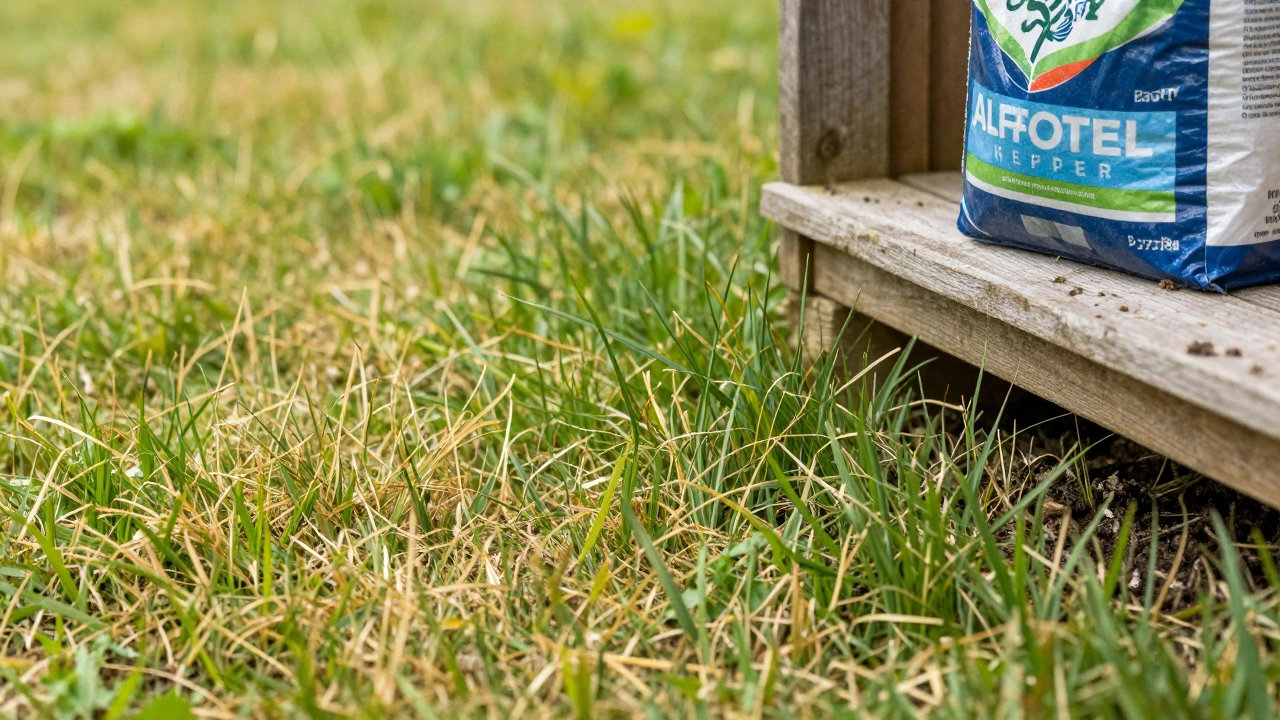
Lawn Fertilizer Safety Checker
You’ve got a bag of Miracle-Gro is a popular brand of plant food and soil amendments known for its water-soluble formulas. sitting in the shed. Your lawn looks a bit patchy or pale green, and your first thought is: "Why not just sprinkle this on?" It’s a logical question. You’re feeding your plants, so surely you can feed your grass too?
The short answer is yes, but with some serious caveats. Using standard Miracle-Gro products on a lawn isn’t like pouring water on a houseplant. If you get it wrong, you won’t just fail to help the grass; you could burn it to a crisp. Since we are currently in June 2026, right in the thick of the growing season here in Brighton, the timing is perfect-if you know exactly what you are doing.
Understanding the Difference Between Plant Food and Lawn Fertilizer
To understand why you need to be careful, you have to look at the label. Specifically, you need to look at the numbers. Every fertilizer has an N-P-K ratio. This stands for Nitrogen (N), Phosphorus (P), and Potassium (K). These are the three primary nutrients that plants need to survive.
Nitrogen is the element responsible for leafy green growth and chlorophyll production. For a lawn, nitrogen is king. Grass needs high levels of nitrogen to stay lush, green, and dense. Most dedicated lawn fertilizers have a high first number, something like 25-5-10 or 30-0-4.
Standard Miracle-Gro All Purpose Plant Food, however, usually comes in a balanced formula like 24-8-16 or similar variations depending on the specific product line. While 24% nitrogen sounds good, the other ingredients matter. More importantly, the *form* of the fertilizer matters. Miracle-Gro is famous for being water-soluble. It dissolves instantly. When you pour it on a potted fern, it hits the roots immediately. When you spread granules of instant-release fertilizer on a lawn, especially if it’s hot or dry, it can sit on the surface of the grass blades.
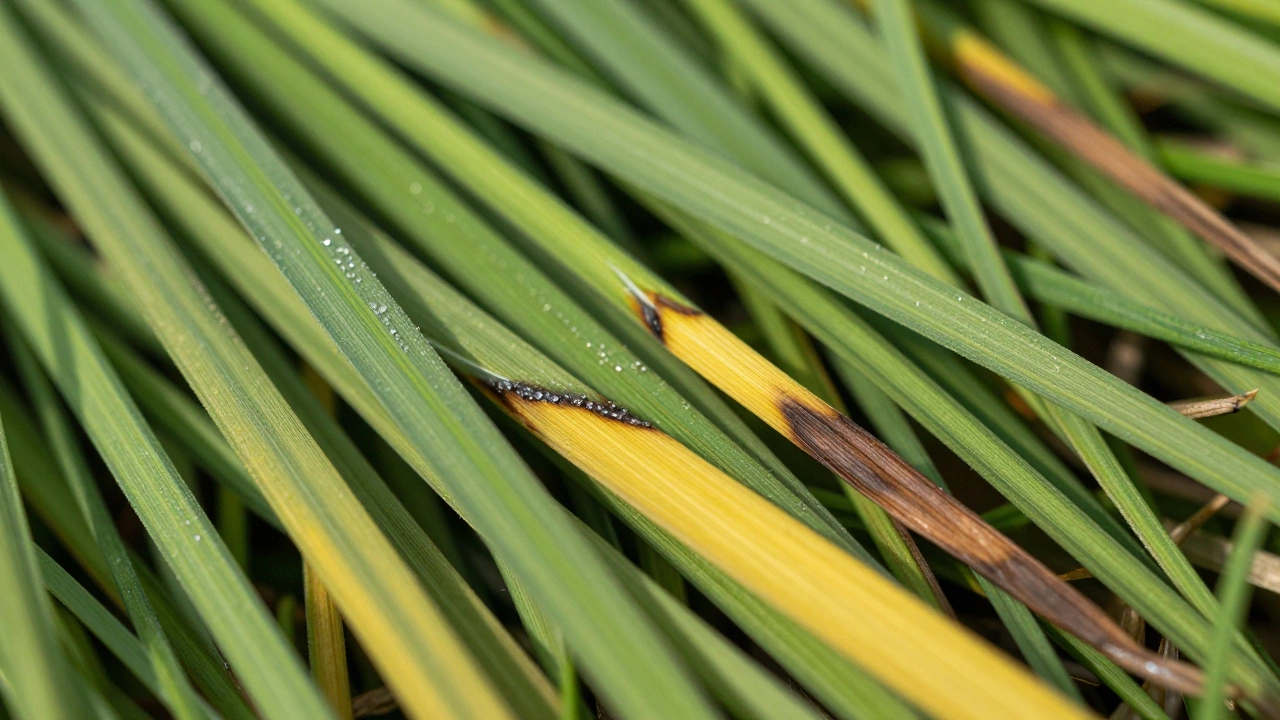
If the sun hits those concentrated granules before they dissolve into the soil, they act like little chemical bombs. They draw moisture out of the grass blade through osmosis. This causes 'fertilizer burn,' turning your green lawn into brown, crispy patches within hours.
Which Miracle-Gro Products Are Safe for Lawns?
Not all products under the Miracle-Gro umbrella are created equal. Over the years, the brand has expanded. Some of their products are explicitly designed for turf. Others are strictly for container plants, vegetables, or flowers.
| Product Type | Safe for Grass? | Key Characteristic | Risk Level |
|---|---|---|---|
| Miracle-Gro Water Soluble Plant Food | No | Instant release, high salt content | High (Burn Risk) |
| Miracle-Gro Shake 'n Feed All Purpose | Use with Caution | Slow release, but low N-ratio for turf | Medium |
| Miracle-Gro Lawn Fertilizer | Yes | Formulated specifically for turfgrass | Low |
| Miracle-Gro Organic Choice | Yes | Natural sources, slower uptake | Low |
If you have a bag labeled "Lawn Fertilizer" from Miracle-Gro, you are generally safe. These products contain the correct balance of nitrogen and often include pre-emergent herbicides to stop weeds. However, if you have the classic blue bag of water-soluble powder or the all-purpose granules meant for flower beds, you should think twice.
The Risks of Using All-Purpose Fertilizer on Turf
Let’s say you decide to use the all-purpose granules anyway. What goes wrong? First, the nutrient profile is suboptimal. Lawns need heavy nitrogen. Flowering plants need more phosphorus to encourage blooms. If you feed your lawn with a flower fertilizer, you might get some green up, but you won’t get the density or color that a dedicated lawn feed provides. You’re essentially paying for nutrients your grass doesn’t need while starving it of the ones it does.
Second, there is the issue of application method. Miracle-Gro products are often designed to be mixed with water or applied lightly to small areas. A lawn is a large, continuous carpet. Spreading granular fertilizer evenly by hand over hundreds of square feet is nearly impossible without professional equipment. You will inevitably create 'hot spots' where too much fertilizer lands. In these spots, the grass grows too fast, becomes weak, attracts disease, and eventually dies back. Other areas will remain pale and thin.
In our current climate here in the UK, with unpredictable rainfall patterns becoming more common, uneven watering combined with uneven fertilizer distribution is a recipe for disaster. Dry spells in late spring or early summer can exacerbate the burning effect significantly.
How to Apply Fertilizer Safely If You Must
If you are determined to use what you have, or if you buy a lawn-specific product, follow these steps to avoid killing your grass. Timing is everything. We are in June, which is a great time for feeding lawns in the UK, as the grass is actively growing and the risk of frost is gone.
- Check the Weather: Never apply fertilizer if rain is forecasted within 24 hours. You want the nutrients to soak in, not wash away into the storm drains (which is bad for the environment) or sit on the surface until the sun burns them off.
- Mow First: Mow your lawn slightly higher than usual before applying fertilizer. Taller grass blades can handle stress better, and the clippings left behind will help hold moisture.
- Water Lightly: Before spreading, give the lawn a light watering. This dampens the grass blades and the top layer of soil, reducing the risk of immediate burn upon contact.
- Use a Spreader: Do not throw granules by hand. Use a rotary spreader or a drop spreader. Calibrate it according to the package instructions. Walk at a steady pace. Overlap your passes by about 10% to ensure even coverage.
- Water Again: Immediately after application, water the lawn thoroughly. This dissolves the granules and moves the nutrients down to the root zone where they belong, rather than leaving them on the leaf surface.
Better Alternatives for a Healthy Lawn
While Miracle-Gro is a household name, it isn’t necessarily the best tool for every job. For long-term lawn health, many gardeners prefer alternatives that improve soil structure rather than just providing a quick hit of chemicals.
Organic Lawn Fertilizers are fertilizers derived from natural sources like bone meal, blood meal, and compost, which release nutrients slowly. Products containing sheep manure or seaweed extract are excellent. They feed the soil biology-worms, bacteria, and fungi-which in turn feed the grass. This creates a resilient lawn that handles drought and foot traffic better than chemically fed grass.
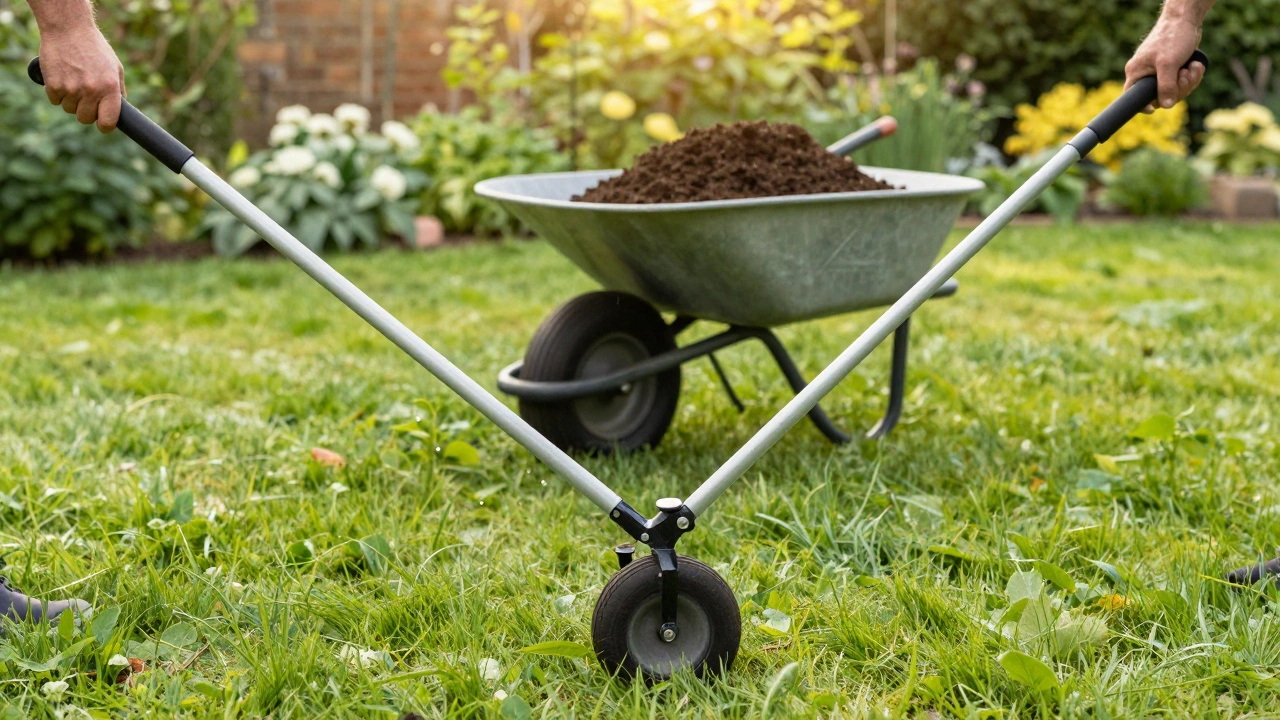
Another option is Top Dressing with Compost, which is the process of adding a thin layer of organic matter to the lawn surface to improve soil quality.. In late spring, spreading a half-inch layer of well-rotted compost over your lawn works wonders. It adds micronutrients, improves drainage, and suppresses moss naturally. It’s slow, but it’s sustainable.
If you are looking for quick results because you have a wedding or event coming up, a synthetic lawn fertilizer with a high nitrogen content (like 30-0-0) is more effective than an all-purpose blend. But remember, quick growth requires more mowing and more water.
Signs You’ve Made a Mistake
How do you know if you’ve burned your lawn? Look for yellowing or browning tips on the grass blades. If you see distinct brown patches that correspond to where you walked while spreading, you likely over-applied. If the whole lawn turns yellow quickly, you may have used a product with too much ammonium-based nitrogen without enough buffering agents.
If this happens, don’t panic. Flush the area with plenty of water immediately. This helps dilute the concentration of salts in the soil. Then, wait. Grass is resilient. If the roots are still alive, new shoots will emerge from the crown within two weeks. Avoid walking on the stressed areas to let them recover.
Frequently Asked Questions
Can I use Miracle-Gro liquid plant food on my lawn?
It is not recommended. Liquid plant foods are highly concentrated and designed for container plants. Applying them to a lawn requires precise dilution and spraying equipment. If the solution is too strong, it will burn the grass instantly. Even if diluted correctly, the nutrient balance is rarely optimal for turfgrass, leading to weaker growth compared to dedicated lawn feeds.
What is the best time of year to fertilize a lawn in the UK?
The best times are spring (April to May) and autumn (September to October). Spring feeding encourages green growth after winter dormancy. Autumn feeding strengthens the roots for winter survival. Summer feeding should be done with caution, using slow-release products only, to avoid stressing the grass during heatwaves.
Will Miracle-Gro kill my worms?
Synthetic fertilizers like standard Miracle-Gro do not directly kill worms, but they can alter the soil pH and microbial balance, making the environment less hospitable for them over time. Worms thrive in organic-rich soils. If you rely solely on synthetic salts, your soil structure may degrade, indirectly harming worm populations. Organic fertilizers are much safer for soil biodiversity.
How do I fix fertilizer burn on my lawn?
Immediately water the affected area deeply to leach excess salts from the soil. Avoid applying any more fertilizer for at least six weeks. If the grass has died completely, you may need to reseed or sod the bare patches once the soil chemistry has stabilized. Keep the area moist but not waterlogged during recovery.
Is organic fertilizer better than Miracle-Gro for lawns?
For long-term health, yes. Organic fertilizers improve soil structure, increase water retention, and feed the beneficial microbes in the soil. Synthetic fertilizers like Miracle-Gro provide a quick boost but do not improve soil quality. Over time, lawns fed organically tend to be thicker, greener, and more resistant to pests and diseases.