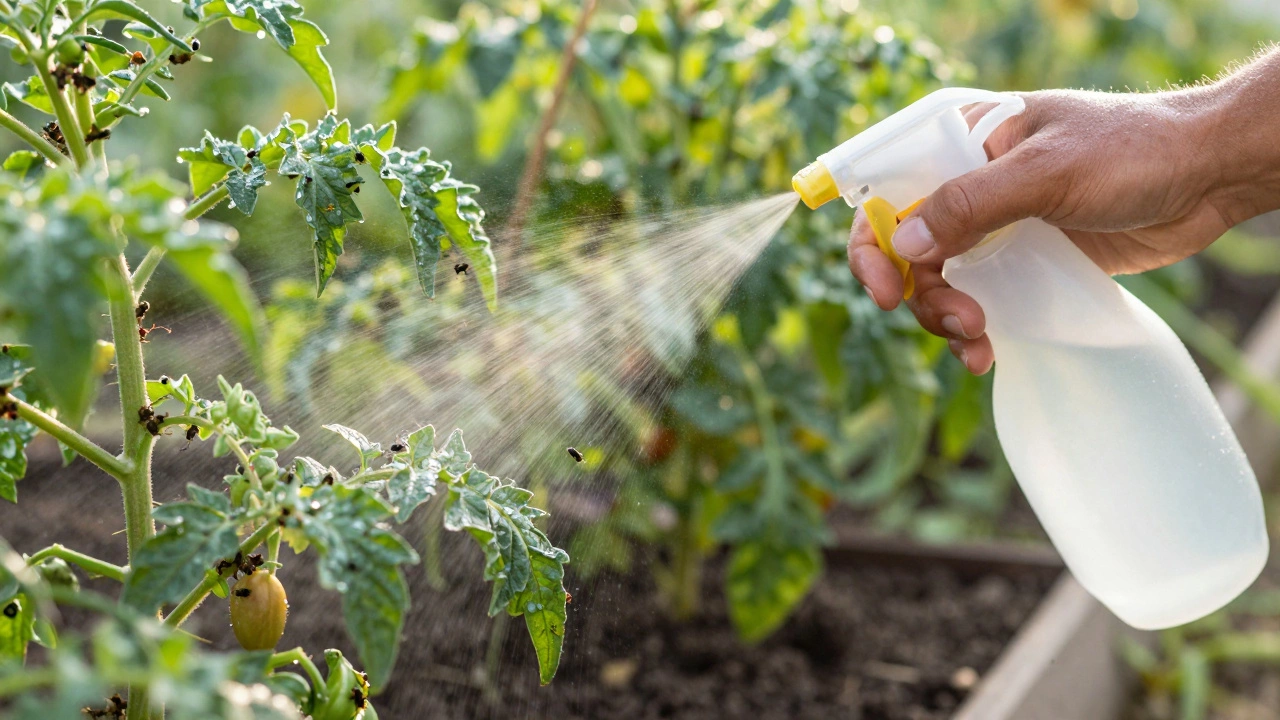
Ever looked at your tomato plants covered in aphids and thought, What if I just sprinkle some cayenne pepper on them? It’s a common question in home gardens. You’ve seen the viral videos, heard the neighbor swear by it, and maybe even found a blog post claiming it’s a miracle solution. But here’s the truth: cayenne pepper can help - but not how most people think.
What Happens When You Sprinkle Cayenne Pepper on Plants?
Cayenne pepper contains capsaicin, the same compound that makes chili peppers hot. Insects don’t like capsaicin. It irritates their sensory receptors, making them avoid treated areas. That’s why gardeners use it as a deterrent - not a killer.
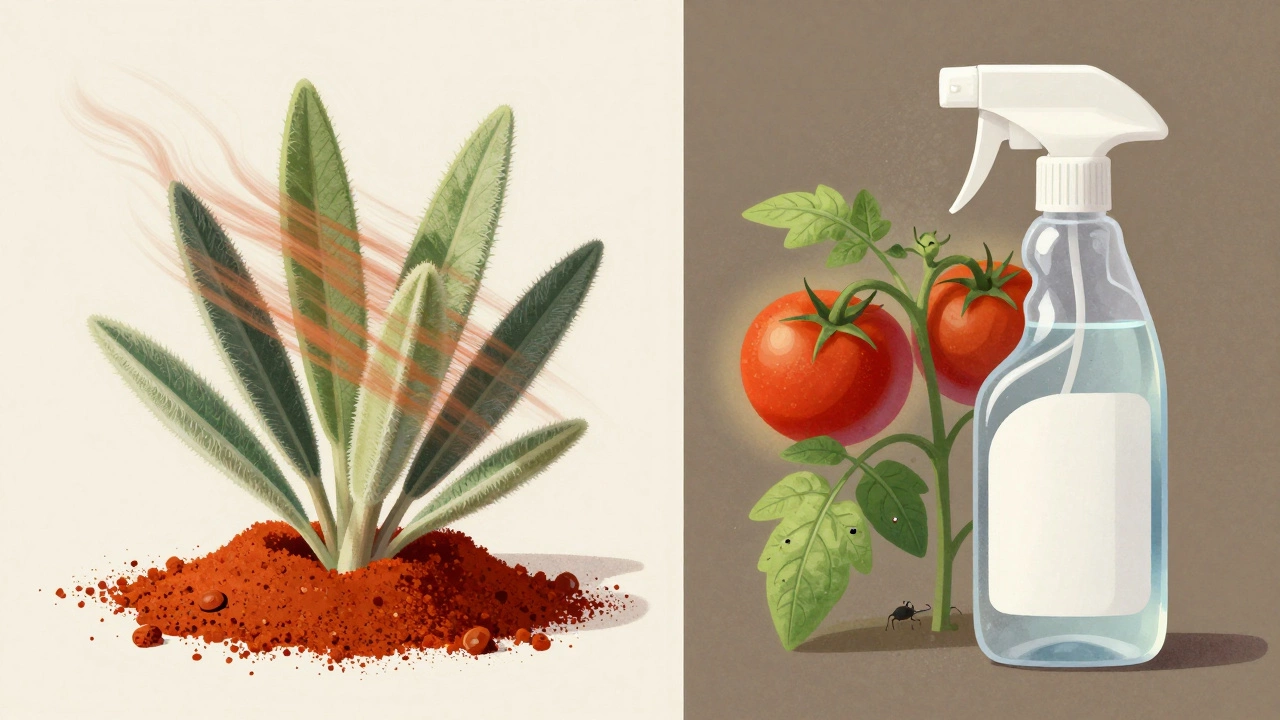
But sprinkling dry powder directly onto leaves? That’s mostly ineffective. The powder doesn’t stick. Rain washes it away in hours. Wind blows it off. And worse - it can clog leaf pores, especially on delicate plants like lettuce or spinach. You’re not killing pests. You’re just making a mess.
How to Use Cayenne Pepper the Right Way
The only version of cayenne pepper that actually works in the garden is a liquid spray. Here’s how to make it:
- Boil 2 tablespoons of cayenne pepper powder in 1 quart of water for 10 minutes.
- Let it cool, then strain through a coffee filter or cheesecloth to remove all solids.
- Add 1 teaspoon of liquid Castile soap (this helps the solution stick to leaves).
- Pour into a clean spray bottle.
Apply this spray in the early morning or late evening. Avoid spraying in direct sunlight - it can cause leaf burn. Reapply every 3-5 days, or after rain. You’ll notice fewer aphids, spider mites, and whiteflies within a week.
Test it first on a few leaves. Some plants - like basil or peppers themselves - can be sensitive. If you see wilting or discoloration, dilute the mix next time.
What Pests Does It Actually Work On?
Not all bugs are scared of cayenne. Here’s what the spray helps with:
- Aphids - Yes. They avoid treated leaves and often crawl off.
- Spider mites - Yes. The capsaicin disrupts their feeding.
- Whiteflies - Yes. They’ll fly away from sprayed areas.
- Slice worms - No. They chew through it.
- Caterpillars - Partial. It slows them down but doesn’t stop them.
- Slugs and snails - No. They’re unaffected by capsaicin.
It’s a repellent, not a poison. Think of it like a fence around your plants - it doesn’t kill, but it keeps unwanted visitors from getting close.
What About Animals? Rabbits, Deer, Squirrels?
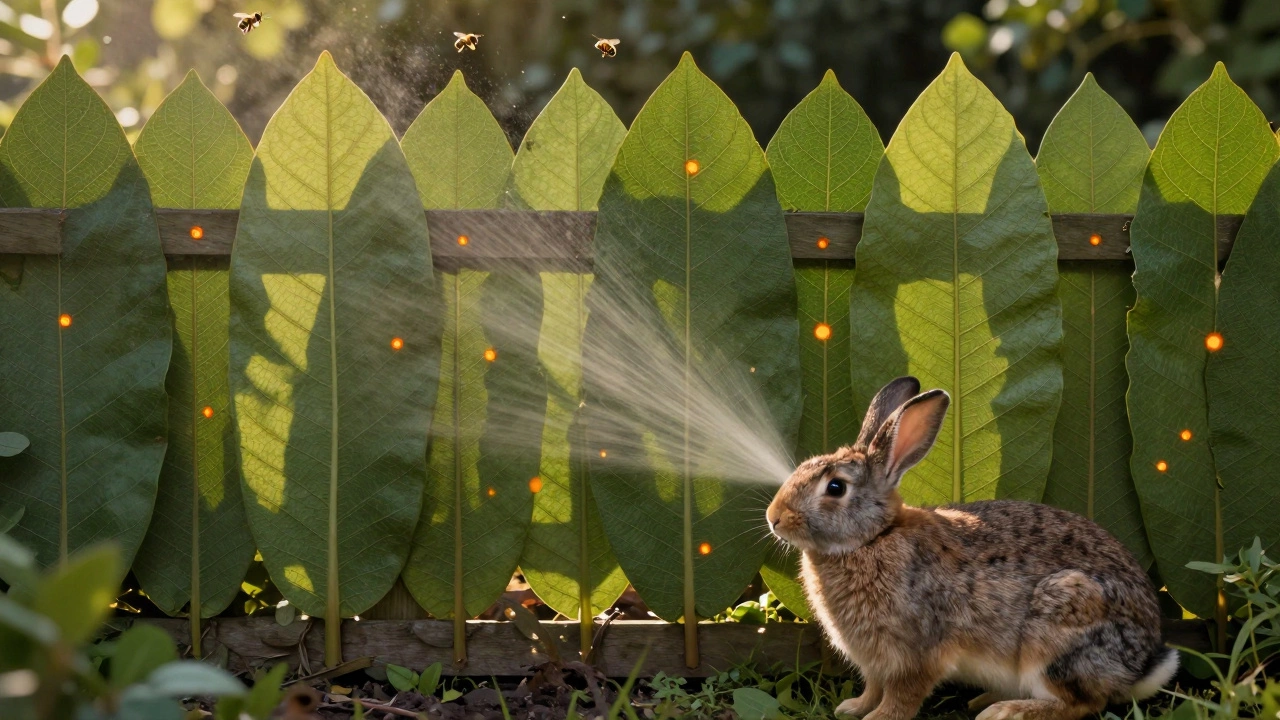
This is where cayenne pepper gets its reputation. Many gardeners swear it keeps deer and rabbits away. And they’re not wrong - but only if applied correctly.
Animals have sensitive noses. A light dusting of dry cayenne around the base of plants can deter them. But again, it washes off fast. A better option? Combine it with garlic powder and egg powder (yes, dried egg) in a water spray. This mix mimics predator scent and taste. It’s been tested in university extension trials in Ohio and Minnesota. Results showed up to 70% reduction in deer browsing over 4 weeks.
Just don’t expect miracles. If deer are hungry enough, they’ll eat through anything - even hot pepper spray.
Does It Harm Beneficial Insects?
Good question. Bees? Ladybugs? Lacewings? They’re not affected the same way as pests.
Capcaisin doesn’t target insects by species - it targets sensory nerves. So yes, if you spray it directly on a ladybug, it’ll irritate her. But here’s the key: beneficial insects don’t hang out on leaves the way aphids do. They’re usually on the undersides, or flying between plants.
As long as you’re not drenching every inch of your garden, you’re not harming pollinators. In fact, by reducing aphid populations, you’re making your garden safer for ladybugs - they’ll have more food.
What About Soil and Plant Health?
Some people worry that cayenne pepper will kill soil microbes or burn roots. It won’t - if used correctly.
When you spray the leaves, the capsaicin doesn’t soak into the soil. Dry powder sprinkled on soil? It can temporarily alter microbial activity, but only for a few days. Microbes bounce back fast. No long-term damage.
One exception: seedlings. Don’t spray young plants under 3 weeks old. Their leaves are too tender. Wait until they’re sturdy.
When NOT to Use Cayenne Pepper
There are times when this remedy backfires:
- On plants with fuzzy leaves (like lamb’s ear or African violets) - the powder sticks and blocks airflow.
- During extreme heat - spray can cause sunburn on wet leaves.
- On edible flowers or herbs you eat raw - residue can be too spicy.
- If you have pets that lick plants - capsaicin can irritate their mouths.
Also, avoid using it if you’re planning to compost your plant trimmings. Capsaicin can linger in compost piles and affect future soil microbes.
Alternatives That Work Better
Cayenne pepper isn’t the only natural option. Here are three that often outperform it:
- Neem oil - Disrupts insect feeding and reproduction. Lasts 7-10 days. Safe for bees.
- Insecticidal soap - Kills soft-bodied pests on contact. No residue. Reapply after rain.
- Row covers - Physical barrier. 95% effective against flying pests. Works while you sleep.
Use cayenne pepper as a supplement - not your main defense. Combine it with neem oil for better results. Spray cayenne every 5 days, and neem every 7 days. You’ll see fewer pests and healthier plants.
Real-World Test: What Happened When I Tried It
Last summer, my zucchini plants were getting crushed by squash bugs. I tried the cayenne spray. After 3 days, the bugs were still there. I added neem oil. By day 5, the population dropped by 80%. I kept the cayenne spray going as a secondary barrier. It didn’t do much alone - but it helped when paired.
Another gardener in Iowa used only dry cayenne powder on her tomatoes. Within a week, her plants looked dusty and unhealthy. The pepper clogged stomata. She lost 30% of her crop. She switched to the spray. Within 10 days, her tomatoes bounced back.
So it’s not about the pepper. It’s about how you use it.
Final Verdict
Can you sprinkle cayenne pepper on plants? Technically, yes. Should you? Only if you’re making a spray - and even then, only as part of a broader strategy.
It’s not a magic bullet. It’s a temporary shield. A low-cost, organic tool that works best when you combine it with other methods. Use it wisely. Don’t rely on it. And never just dump powder on your garden and expect results.
For real pest control, you need consistency - not shortcuts.
Can cayenne pepper kill plants?
No, cayenne pepper won’t kill healthy plants. But dry powder can clog leaf pores and cause stress, especially on delicate or fuzzy-leaved plants. A properly made spray won’t harm them. Always test on a few leaves first.
How often should I reapply cayenne pepper spray?
Reapply every 3-5 days, or after rain. The capsaicin breaks down quickly, and water washes it off. For best results, combine with neem oil or insecticidal soap for longer-lasting protection.
Is cayenne pepper safe for bees and butterflies?
Yes, when used correctly. The spray doesn’t target pollinators directly. Avoid spraying flowers in bloom, and apply in the early morning or late evening when bees are less active. This minimizes contact and keeps pollinators safe.
Can I use cayenne pepper on indoor plants?
It’s not recommended. Indoor plants don’t usually have pest problems severe enough to need cayenne. Plus, the smell lingers, and the spray can stain surfaces. Use insecticidal soap or neem oil instead - they’re cleaner and more effective indoors.
Will cayenne pepper hurt my dog or cat if they lick the plants?
It can. Capsaicin irritates the mouth and digestive tract. If your pet chews on treated plants, they might drool, sneeze, or vomit. Rinse their mouth with water and monitor them. Keep pets away from treated areas for at least 24 hours after spraying.