Grass Seed Calculator
Recommended Seed Weight
0 g
Approximately 0 kg
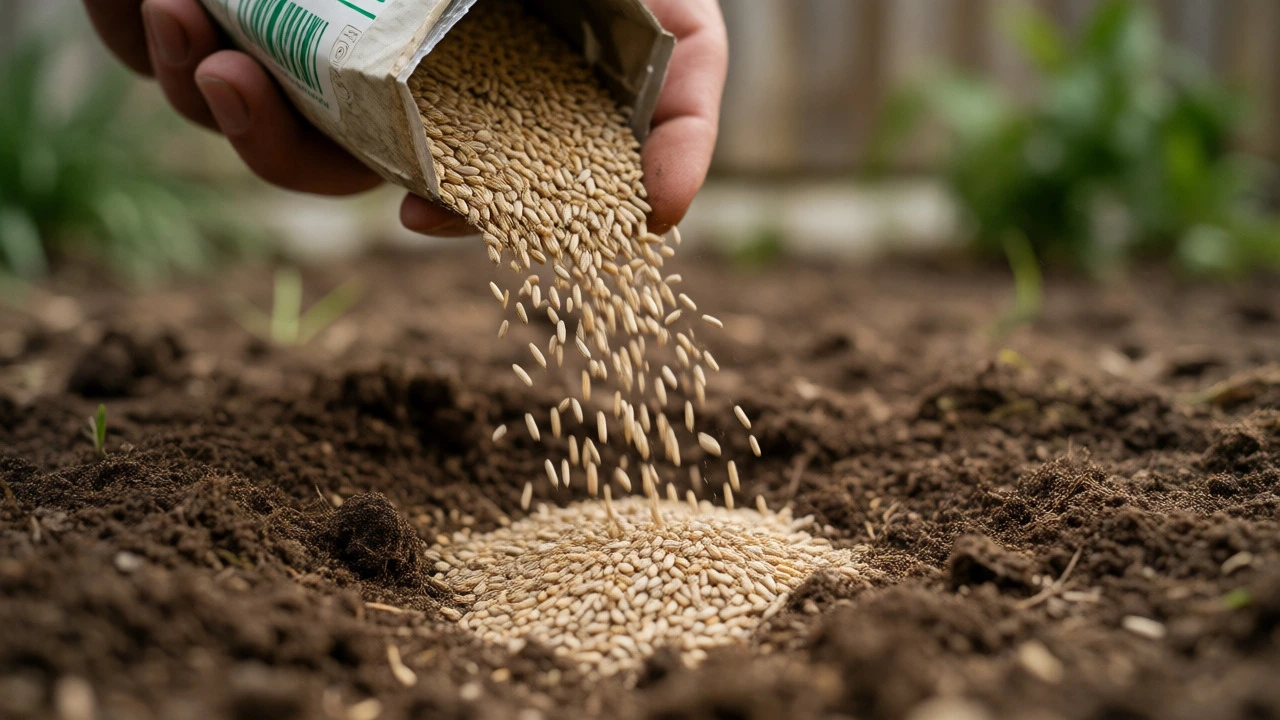
You’re standing in the garden centre, staring at a bag of grass seed. It feels like the more you scatter, the thicker your lawn will be. That’s the common logic: double the seed, double the grass. But here is the uncomfortable truth that many homeowners in Brighton and beyond learn the hard way: yes, you absolutely can put down too much grass. In fact, over-seeding is one of the most frequent reasons for patchy, weak lawns that fail to establish properly.
When you dump too many seeds onto a small area, they don’t just grow side-by-side; they fight for survival. The result isn’t a lush carpet but a thin, spindly mess that invites disease and dies out by summer. This guide breaks down why less is often more, how to calculate the right amount, and what to do if you’ve already gone overboard.
The Science Behind Seed Competition
Think of grass seedlings like children at a birthday party with only ten slices of cake. If you invite twenty kids, everyone gets a tiny crumb. If you invite fifty, half go home hungry. Grass roots need space, water, and nutrients. When you sow at the recommended rate, each plant has enough room to develop a deep, robust root system. These deep roots help the lawn survive dry spells and resist weeds.
Over-seeding changes this dynamic completely. With hundreds of seeds per square foot competing for the same resources, the seedlings become stressed. They grow tall and thin because they are stretching desperately to reach sunlight blocked by their neighbours. These weak stems break easily under foot traffic or mowing. Worse, the dense canopy traps moisture near the soil surface, creating a humid microclimate that favours fungal diseases like dollar spot and red thread, which thrive in crowded, poorly ventilated conditions.
How to Calculate the Right Seed Rate
So, how much is actually enough? There is no single number that works for every garden, but there are reliable rules of thumb. Most standard lawn seed mixes (usually a blend of perennial ryegrass, fescue, and bluegrass) require between 35g and 50g per square metre for new lawns. For overseeding an existing lawn, you typically use about half that amount, around 15-20g per square metre.
Why such a wide range? It depends on your specific mix and site conditions. A shade-tolerant mix might need fewer seeds because fescues spread slowly and occupy space differently than aggressive ryegrasses. Always check the back of your seed packet. Reputable manufacturers provide specific rates based on lab-tested germination percentages.
| Application Type | Rate (g/m²) | Rate (oz/yd²) | Purpose |
|---|---|---|---|
| New Lawn Establishment | 35-50 g | 1.2-1.6 oz | Cover bare soil quickly |
| Overseeding Existing Lawn | 15-25 g | 0.5-0.9 oz | Fill gaps, thicken turf |
| High-Traffic Areas | 50-60 g | 1.8-2.0 oz | Rapid recovery from wear |
Signs You Have Over-Seeded
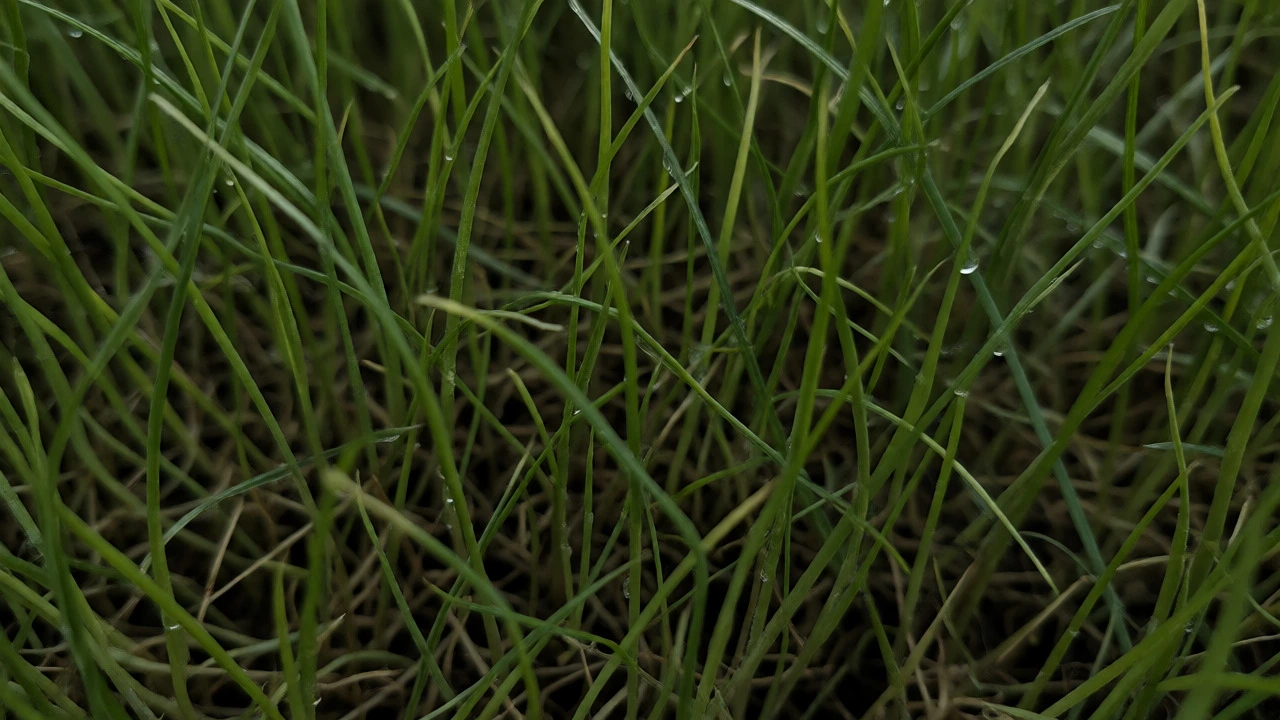
If you’ve already sown your seed, look for these red flags in the first few weeks. The most obvious sign is overcrowding. Instead of distinct individual blades, you see a chaotic tangle of green shoots packed tightly together. They look healthy at first glance, but if you gently pull a handful, the roots are shallow and tangled rather than anchored deeply.
Another telltale sign is poor establishment speed. Counter-intuitively, over-seeded areas often take longer to cover the ground fully. Because each seedling is stunted, it takes months for them to build enough biomass to close the gaps. Meanwhile, bare patches remain visible, inviting weeds like chickweed or annual meadow grass to move in before your grass can defend its territory.
Finally, watch for disease. If you notice pinkish threads on the leaves (red thread) or bleached circular spots (dollar spot) within six weeks of sowing, it’s likely due to excessive density restricting airflow. This is nature’s way of culling the weak, but it leaves you with a patchy lawn instead of the thick green mat you wanted.
What To Do If You’ve Already Sown Too Much
Don’t panic. You can’t un-sow the seed, but you can mitigate the damage. Your goal now is to reduce competition and encourage stronger growth among the survivors.
- Thin it out manually: If the area is small, you can rake the surface lightly to disturb some seedlings. This won’t remove all excess, but it helps break up the dense mat.
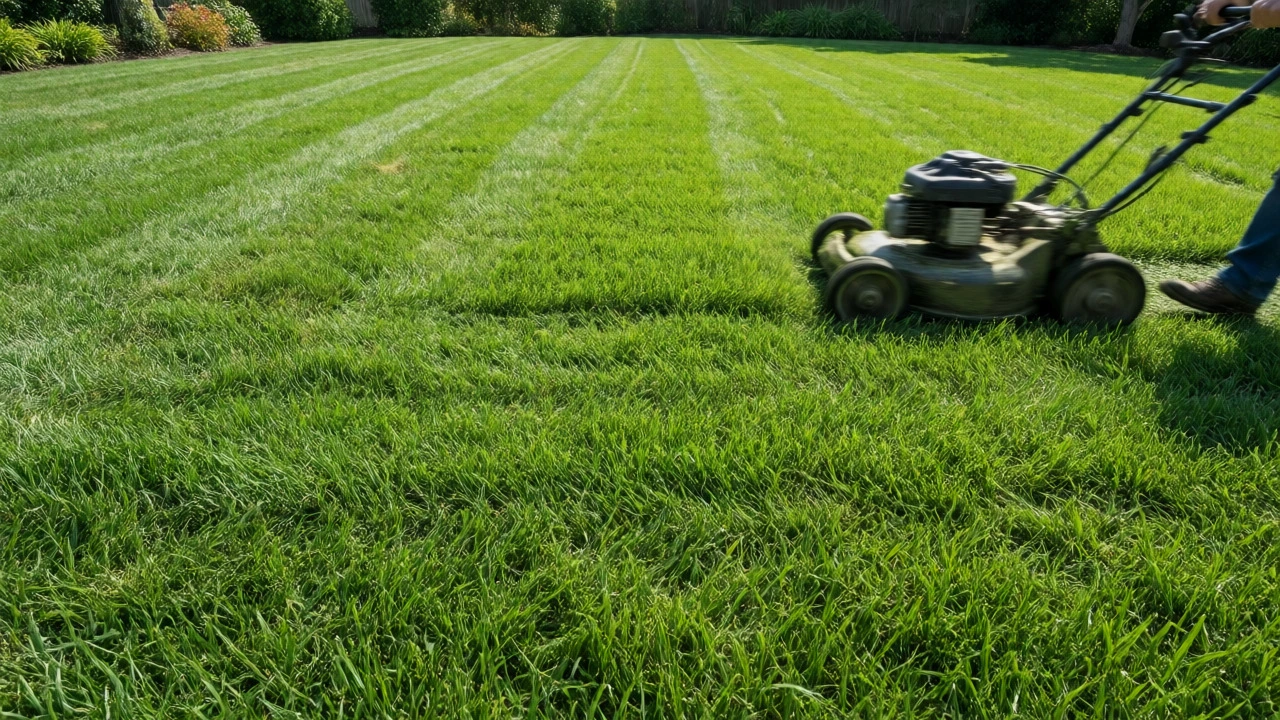
- Mow frequently: Once the grass reaches 5cm (2 inches), mow it regularly. Keep the blade sharp. Mowing removes the top growth, forcing the plant to direct energy into root development rather than vertical stretching. It also opens up the canopy, allowing air and light to penetrate deeper.
- Water deeply, not often: Shallow watering encourages shallow roots, which worsens the crowding issue. Water infrequently but thoroughly to push roots downward where they have more access to moisture reserves.
- Skip heavy fertiliser initially: High nitrogen levels can stimulate rapid top growth, exacerbating the leggy, weak structure. Wait until the lawn is established and thinned out slightly before applying a balanced feed.
Preventing Over-Seeding Next Time
Prevention is easier than cure. Here is how to ensure you get the perfect balance next season.
First, calibrate your spreader. Whether you use a broadcast or drop spreader, test it on a driveway or patio first. Measure out a known quantity (e.g., 1kg) and see how far it spreads. Adjust the aperture setting so you know exactly how much seed comes out per pass. Many people guess, leading to uneven distribution and accidental over-application in corners where they turn the spreader.
Second, divide your seed. Instead of trying to apply the full dose in one pass, split it in half. Walk the length of the lawn with the first half, then walk across the width with the second half. This "cross-hatch" method ensures even coverage without dumping too much seed in any single spot.
Third, consider your soil preparation. Loose, aerated soil holds more seed-to-soil contact, improving germination rates. If you skip aeration, you might feel tempted to add extra seed to compensate for poor contact. Fix the soil structure first, and you’ll need less seed to achieve the same result.
Choosing the Right Seed Mix Matters
Not all grasses behave the same. Some varieties are bunch-type, meaning they grow in clumps and rely on new shoots emerging from the base. Others are sod-forming, spreading via rhizomes or stolons underground. Bunch-type grasses like Perennial Ryegrass fill gaps slower than spreading types like Kentucky Bluegrass.
If you choose a high-percentage ryegrass mix, you might think you need more seed to fill gaps quickly. However, modern cultivars are bred for density. Trust the breeder’s recommendations. Adding extra seed rarely improves density; it usually just increases cost and maintenance burden.
Does putting down more seed make my lawn greener?
No, it often makes it look thinner and yellower. Overcrowded seedlings compete for nutrients, leading to chlorosis (yellowing) and weak growth. Proper spacing allows each plant to access sufficient nitrogen and iron, resulting in a richer, darker green colour.
How long does it take for over-seeded grass to recover?
Recovery can take a full growing season. The initial spring flush may look dense, but summer stress and disease often thin it out. By autumn, the surviving plants usually establish a healthier balance, provided you manage mowing and watering correctly.
Can I just mow off the excess grass?
Mowing helps manage the height and opens up the canopy, but it doesn’t remove the root competition. You still have too many roots vying for space. Regular mowing combined with proper fertilisation later in the season helps the strongest plants dominate, naturally thinning the stand over time.
Is it better to under-seed or over-seed?
Under-seeding is generally safer. If you sow too little, you can always overseed again next year to fill gaps. If you sow too much, you face disease risks, wasted money, and potential re-sodding. Err on the side of caution, especially with expensive premium mixes.
Does soil type affect how much seed I should use?
Yes. Sandy soils drain fast and hold fewer nutrients, sometimes requiring slightly higher seeding rates to ensure adequate coverage before drought stress hits. Clay soils retain moisture and nutrients, supporting denser stands, so sticking to the lower end of the recommended range is often wise to prevent waterlogging and disease.