Indoor Plant & Mold Risk Advisor
Environment Settings
Recommendations
Low RiskThere is a persistent myth floating through gardening forums and social media feeds: that certain houseplants act like biological vacuum cleaners for mold spores. You’ve likely seen lists claiming that placing a specific fern in the corner will scrub the air clean of fungi overnight. It sounds appealing, especially if you are dealing with a musty smell or visible black spots on your bathroom tiles. But does the science back this up?
The short answer is no. No plant removes mold from the air directly. Plants do not have lungs to inhale spores, nor do they possess sticky traps to catch them. However, plants play a crucial, indirect role in preventing mold growth by managing humidity levels. Since mold thrives in damp environments, keeping moisture in check is the most effective way to stop it before it starts.
The Science Behind Mold and Humidity
To understand why plants help (and why they don’t work miracles), we need to look at what mold actually needs to survive. Mold is a type of fungus that reproduces via microscopic spores and requires moisture, warmth, and organic material to grow. In an indoor setting, the primary trigger for mold proliferation is high relative humidity. When humidity rises above 60%, surfaces stay wet longer, providing the perfect breeding ground for fungal colonies.
This is where plants enter the picture. Through a process called transpiration, plants release water vapor into the air. Wait-doesn’t that add more moisture? Yes, but many popular houseplants also absorb excess moisture from the soil and surrounding air through their roots and leaves, acting as natural buffers. More importantly, some plants are exceptionally good at thriving in humid conditions without adding excessive vapor, while others help regulate the microclimate of a room when paired with proper ventilation.
It is critical to distinguish between removing existing mold and preventing new growth. If you already see black spots on your ceiling, a potted plant will not fix it. You need cleaning agents, improved airflow, and possibly professional remediation. Plants are a preventive measure, not a cure.
Top Plants for Controlling Indoor Moisture
While no plant eats mold, several species are renowned for their ability to thrive in high-humidity areas or help stabilize indoor air quality. These plants can complement your efforts to keep mold at bay by maintaining a healthier balance in your home’s ecosystem.
| Plant Name | Humidity Preference | Light Requirements | Maintenance Level | Key Benefit |
|---|---|---|---|---|
| Boston Fern (Nephrolepis exaltata) | High (40-60%) | Indirect Light | Medium | Thrives in bathrooms; indicates low humidity by browning |
| Peace Lily (Spathiphyllum) | Medium-High | Low to Medium | Low | High transpiration rate; helps filter VOCs |
| Spider Plant (Chlorophytum comosum) | Medium | Bright Indirect | Low | Hardy; absorbs airborne toxins; safe for pets |
| Aloe Vera | Low-Medium | Bright Direct | Low | Purifies air; releases oxygen at night |
| English Ivy (Hedera helix) | Medium | Medium | Medium | Study suggests reduced airborne mold spores in rooms |
1. Boston Fern
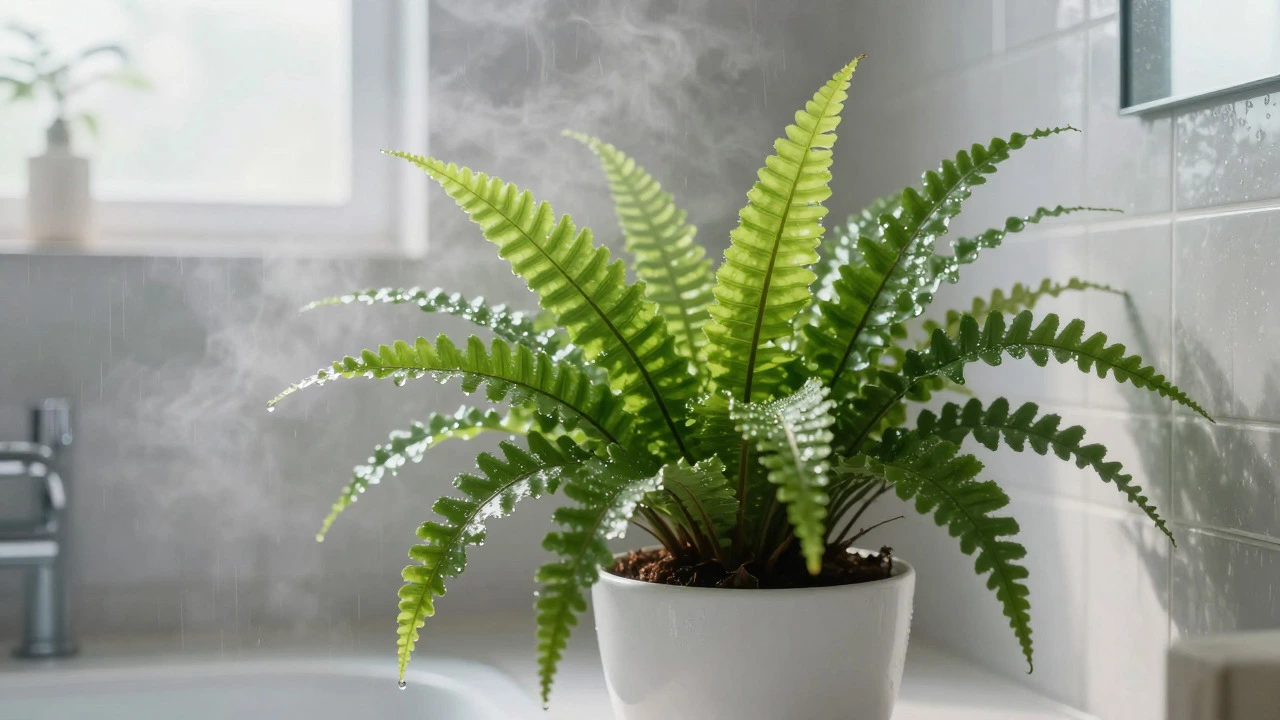
If you have a humid bathroom, the Boston Fern is arguably your best ally. This lush, feathery plant loves moisture and will actually suffer if the air is too dry. By placing it in a steamy bathroom, you are utilizing its preference for high humidity without worrying about it drying out. While it doesn’t suck mold out of the air, its presence signals that the environment is moist enough for mold to grow, prompting you to improve ventilation. Think of it as a living hygrometer.
2. Peace Lily
The Peace Lily is famous for its elegant white blooms and tolerance for low light. It has a high transpiration rate, meaning it moves significant amounts of water from the soil through its leaves. In a well-ventilated room, this helps cycle air. A study published in the journal Environmental Science & Technology noted that Peace Lilies can remove volatile organic compounds (VOCs) like benzene and formaldehyde. While these aren’t mold, reducing overall chemical pollutants improves general air quality, making your home less hospitable to various contaminants.
3. English Ivy
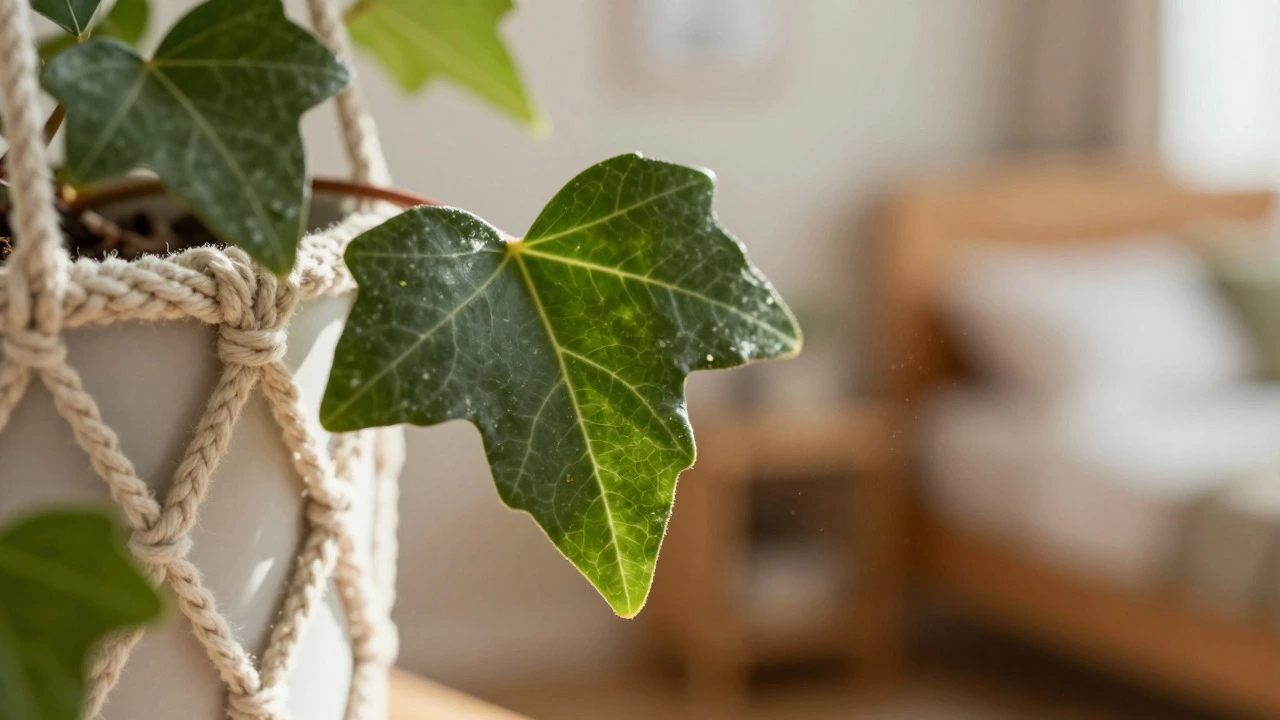
Here is where things get interesting. A study conducted by researchers at Arizona State University found that hanging English Ivy in bedrooms led to a measurable reduction in airborne mold spores. The exact mechanism isn’t fully understood-it may be due to the plant altering the local humidity or producing substances that inhibit fungal growth-but the results were notable. Just be cautious: English Ivy is toxic to cats and dogs if ingested.
4. Spider Plant
Spider Plants are virtually indestructible and excellent for beginners. They are known to absorb formaldehyde and xylene from the air. More importantly, they are safe around pets, which makes them ideal for homes where children or animals might nibble on leaves. Their rapid growth means they are constantly processing air, contributing to a fresher indoor environment.
Common Misconceptions About Air-Purifying Plants
You’ve probably heard of the NASA Clean Air Study. Published in 1989, this research demonstrated that certain plants could remove VOCs from sealed chambers. This study is often cited to claim that plants remove mold, dust, and bacteria. However, there are major caveats.
- Sealed Chambers vs. Real Homes: The study used small, airtight containers. Real homes have air exchange rates that dilute pollutants much faster than plants can process them. To replicate the study’s effects in a standard living room, you would need one plant per square foot of floor space.
- VOCs vs. Mold: The study focused on chemicals like trichloroethylene and ammonia, not fungal spores. Mold removal requires physical elimination or environmental control, not chemical absorption.
- Ozone Production: Some studies suggest that large numbers of plants can slightly increase ozone levels indoors, which can irritate lungs. Balance is key.
So, while plants are beneficial, they are not standalone air purifiers. Relying solely on a few pots to clean your air is ineffective. They should be part of a broader strategy.
Proven Strategies to Prevent Mold Growth
If your goal is a mold-free home, focus on these evidence-based methods rather than just buying plants.
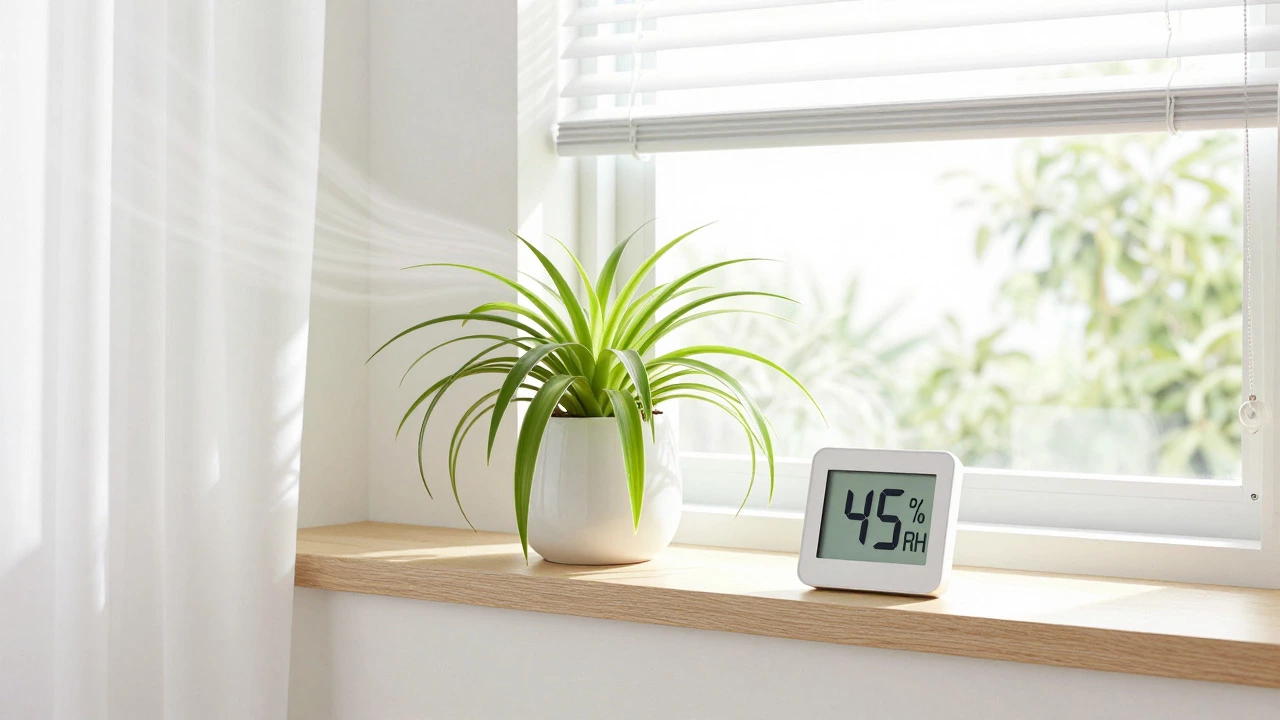
- Control Humidity: Keep indoor humidity between 30% and 50%. Use a hygrometer to monitor levels. If humidity consistently exceeds 60%, invest in a dehumidifier. This is the single most effective step you can take.
- Improve Ventilation: Use exhaust fans in bathrooms and kitchens. Open windows when weather permits to allow fresh air to circulate. Stagnant air is mold’s best friend.
- Fix Leaks Immediately: Check under sinks, around windows, and in basements for water damage. Even minor leaks can lead to hidden mold growth within 24-48 hours.
- Clean Regularly: Dust and vacuum frequently to remove organic matter that mold feeds on. Use HEPA filters in vacuums to capture fine spores.
- Use Air Purifiers: For active mold issues, use an air purifier with a True HEPA filter. These devices physically trap spores, unlike plants which only indirectly influence the environment.
When to Call a Professional
Not all mold situations are DIY-friendly. If you see extensive mold coverage (more than 10 square feet), experience health symptoms like coughing, wheezing, or skin irritation, or suspect mold in your HVAC system, call a professional remediation specialist. Disturbing large mold colonies can release thousands of spores into the air, worsening the problem.
Do plants really remove mold from the air?
No, plants do not directly remove mold spores from the air. However, some plants like English Ivy have been shown in studies to reduce airborne mold spore counts indirectly by altering humidity or producing antifungal compounds. Most plants help prevent mold by regulating indoor humidity levels.
What is the best plant for a moldy bathroom?
The Boston Fern is ideal for bathrooms because it thrives in high humidity. Other good options include Peace Lilies and Snake Plants, which tolerate lower light conditions common in bathrooms. Ensure the bathroom has adequate ventilation to prevent actual mold growth.
Can overwatering plants cause mold?
Yes, overwatering creates stagnant moisture in the soil, which can lead to mold growth on the soil surface or in the pot. Always ensure pots have drainage holes and avoid letting plants sit in standing water. Use well-draining soil mixes.
How many plants do I need to purify my air?
According to the original NASA study, you would need approximately one plant per 100 square feet to significantly impact air quality in a sealed environment. In real-world homes with air exchange, plants provide minimal purification benefit compared to mechanical air purifiers. Focus on humidity control instead.
Are there any plants that kill mold?
Some plants produce antimicrobial compounds. For example, Aloe Vera and Tea Tree Oil (derived from Melaleuca alternifolia) have antifungal properties. However, simply having an Aloe plant won't sterilize your air. Essential oils derived from plants can be used in diffusers to inhibit mold growth, but this is different from live plants removing spores.
Is English Ivy safe for homes with pets?
No, English Ivy is toxic to cats and dogs if ingested. Symptoms include vomiting, drooling, and abdominal pain. If you have pets, choose safer alternatives like Spider Plants or Boston Ferns, which are non-toxic.