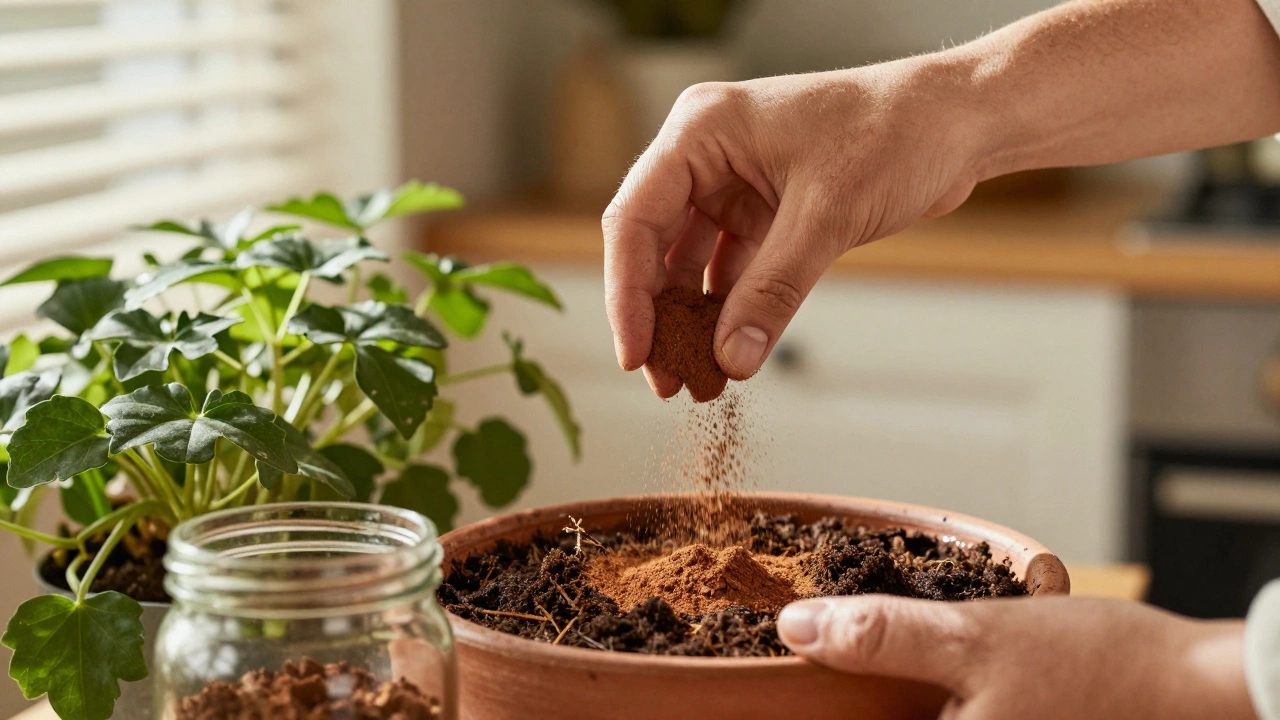
Have you ever caught yourself staring at your spice rack wondering if that cinnamon belongs in your potting soil? It sounds unusual, turning breakfast toppings into garden defense, but many gardeners swear by cinnamon as a potent, natural antifungal agent derived from tree bark. Instead of reaching for synthetic chemicals, you might find the brown powder works wonders against persistent fungus problems.
The core question usually boils down to timing and dosage. You cannot simply dump spice everywhere without consequences. Overdoing it can alter soil pH or accidentally harm beneficial organisms. Getting the frequency right means balancing protection with plant health. If you get the schedule wrong, you waste effort and might stress your harvest.
What Exactly Does Cinnamon Do?
Before deciding how often to apply it, you need to understand the mechanism. Cinnamon contains cinnamaldehyde, a compound responsible for its distinct smell and taste. In a garden setting, this chemical acts as a barrier against spores. When spores land on treated leaves or soil, the oil interferes with their ability to germinate and grow.
This makes Powdery Mildew Sphaerotheca pannosa a primary target. This common fungal issue looks like dust on leaves. By applying cinnamon, you create a hostile surface for these spores. It does not kill the fungus instantly like some harsh chemicals, but it stops the colony from spreading. Think of it more as a preventative shield than a surgical removal tool.
Beyond leaf coverage, the substance fights root issues too. Pathogens causing Root Rot thrive in damp, stagnant environments. Mixing cinnamon into your potting mix helps suppress these soil-borne diseases. The antimicrobial properties reduce the load of harmful bacteria and fungi sitting around delicate root systems.
Frequency Guidelines for Different Situations
You asked how often to use it, but the answer depends entirely on whether you are preventing trouble or fighting an outbreak. Here is the breakdown for realistic usage:
- Preventative Care: Apply every two weeks during humid seasons.
- Active Treatment: Mist affected areas weekly until symptoms fade.
- Propagation: Dust cutting ends once per session when rooting new plants.
- Seedling Protection: Light application every three to four weeks.
If you live in a humid climate like coastal Britain, you might lean toward the weekly schedule during summer months. Humidity spikes allow fungal spores to multiply rapidly. Keeping up with regular applications maintains the protective barrier. However, once the weather cools and dries out, you can extend the gap. There is little reason to douse dry autumn soil with antifungal powders unless you see grey mold forming.
For potted houseplants, the air circulation is often poorer, creating pockets where moisture lingers. A bi-weekly spray works well here. Just remember to rotate methods occasionally. If you rely on one solution constantly, pests and microbes might eventually adapt to the environment, even with natural agents.
Choosing the Right Form and Mix
The form you buy matters significantly. Culinary ground cinnamon is cheaper and safer than pure essential oils. Pure cinnamon bark oil is incredibly potent and requires dilution; otherwise, you risk scorching the foliage. Most home gardeners skip the liquid oil because mixing ratios can be tricky.
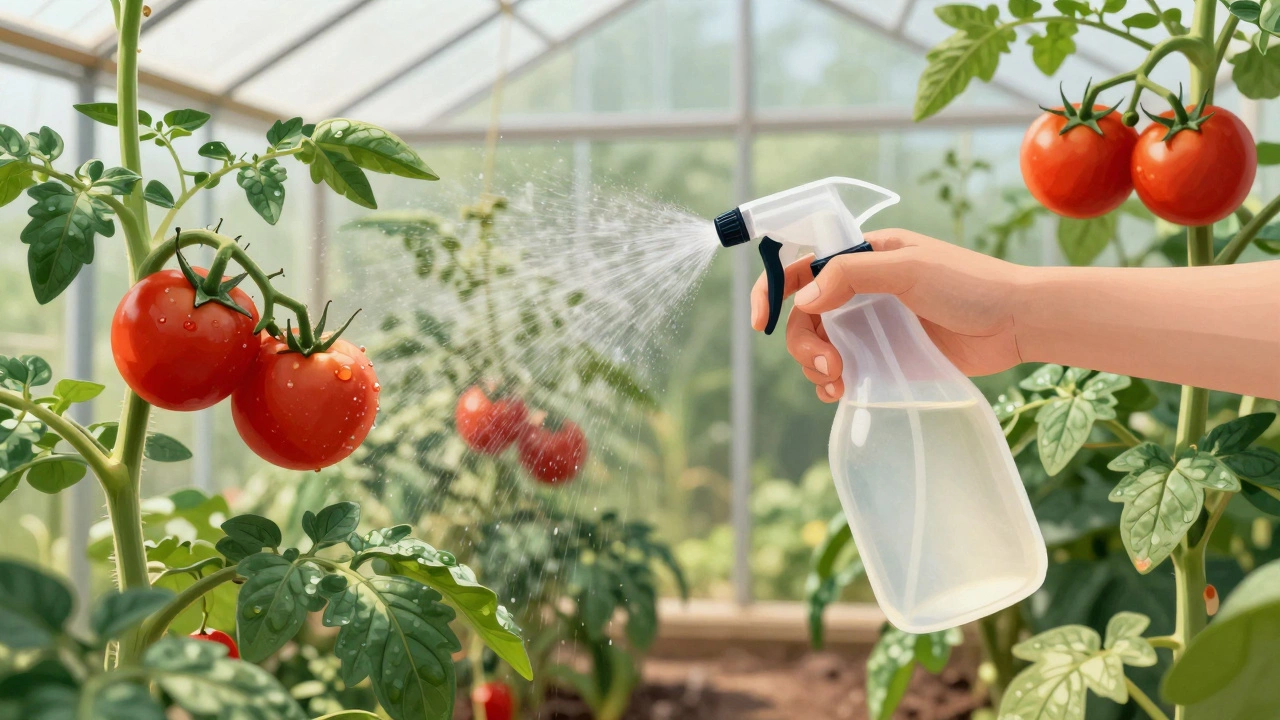
Using the ground powder from the supermarket is generally safe enough for soil contact. However, for foliar sprays, you need suspension. Powder does not dissolve in water easily. To make a workable spray, mix roughly one teaspoon of cinnamon powder into a cup of water with a drop of mild liquid soap. Shake this vigorously before every use. Letting it sit causes the heavy particles to sink to the bottom.
| Method | Best Use Case | Risk Level | Frequency |
|---|---|---|---|
| Dusting Leaves | Powdery Mildew Outbreaks | Low | Every 7 Days |
| Water Spray | Preventative Protection | Medium | Every 14 Days |
| Soil Topping | Cuttings and Seedlings | Very Low | Once Per Event |
Dusting is the simplest approach for hardy shrubs. Just sprinkle the powder over the topsoil or heavily coated leaves. Watering afterwards helps activate the compounds. With sensitive plants like ferns or seedlings, avoid heavy layers of dust. Too much powder traps humidity against the stem, potentially inviting different types of rot. A light coating suffices.
Plants That Respond Well
Not every garden resident appreciates the spice equally. Tomatoes and peppers respond favorably. These vegetables often struggle with Botrytis, commonly known as grey mould. A monthly dusting on lower leaves prevents the disease climbing up the stalk.
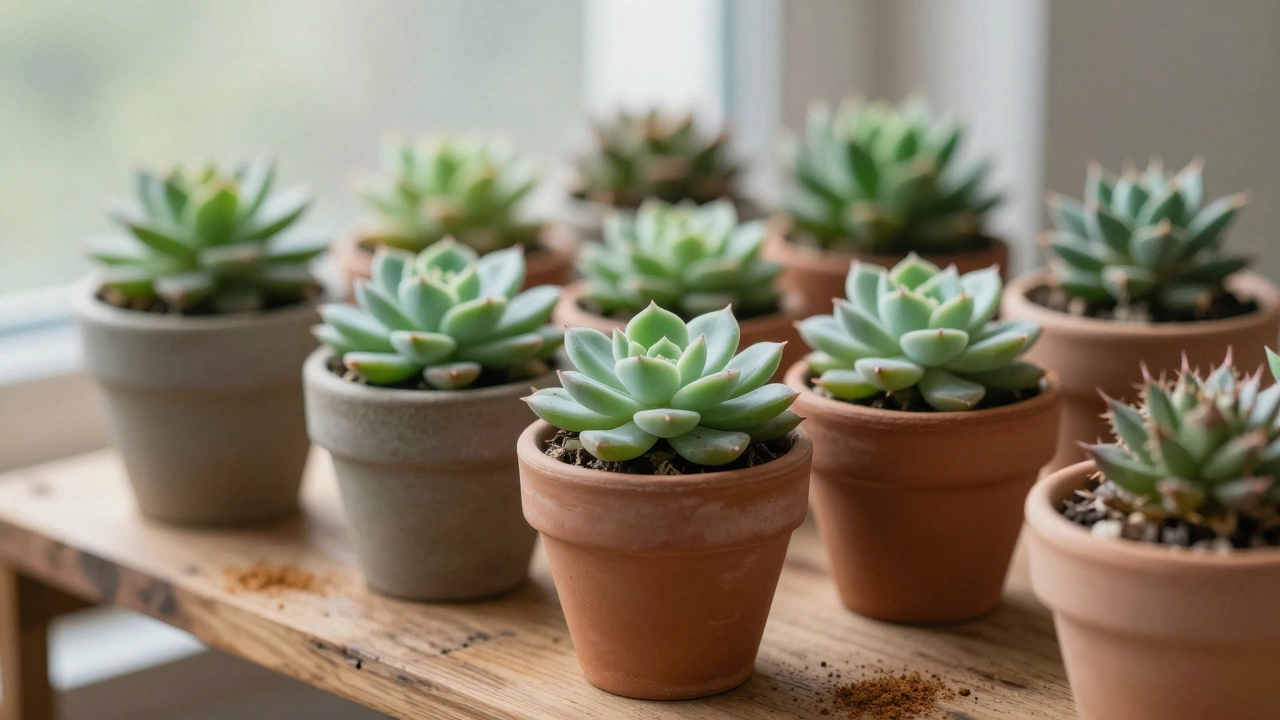
Succulents and cacti also tolerate the treatment well. Their roots rarely rot due to excessive wetness, but the surface treatment helps against mealybugs, which sometimes hide under fuzzy white waxes. Sprinkling a bit of cinnamon on the base of the rosette disrupts the pests. Orchids require caution here. While they handle the powder on soil media, direct application on aerial roots can cause desiccation.
Plants to Avoid Treating
Some species have thin cuticles or high sensitivity to acidic compounds. Peonies are a prime example. Applying heavy amounts of any oily substance to peony buds can block the opening mechanism. You essentially glue the bloom shut. Similarly, delicate houseplants like Begonias might suffer leaf burn if the concentration gets too high.
Avoid using heavy doses on shade-tolerant woodland plants that rely on fungal networks in their roots. These mycorrhizal associations help them absorb nutrients. Smashing those relationships with broad-spectrum antifungals can stunt growth over time. Know your plant’s biology before turning it into a cinnamon experiment.
Risks and Side Effects to Watch
Even natural treatments carry risks. Overuse changes the chemical makeup of the soil. Consistent applications over years might shift acidity levels slightly. While this is rare with small amounts, testing your soil pH annually remains good practice. Beneficial insects like bees might dislike the scent in flower zones. Pollinators avoid strongly scented blooms.
Phytotoxicity, or plant poisoning, occurs when the concentration of cinnamaldehyde is too strong. Symptoms include wilting margins on leaves, yellowing, or spots that look like burns. If you notice this after a spray, wash the plant with plain water immediately. Stop the application cycle and wait a month. It is better to stop early and restart with less powder later.
When to Stop Using It
You should quit treating once signs of infection disappear completely. Continuing indefinitely serves no purpose and builds unnecessary chemical residue. Look for green, unblemished growth emerging after the last treatment. Once that happens, move to physical monitoring rather than constant spraying.
Seasonal shifts also dictate stopping times. As days shorten in late autumn, fungal pressure drops significantly. There is rarely a point in continuing heavy applications past the first frost. Cleaning up garden debris and improving airflow offers better protection than adding more spice.
Remember that rotation is key in organic management. Combine cinnamon with other tactics like neem oil or simple baking soda sprays. Alternating modes of action keeps the garden ecosystem balanced. Relying solely on one ingredient invites complacency regarding watering habits or sanitation issues.
Troubleshooting Common Issues
If your cinnamon spray turns black or smells rancid, discard it. Water mixed with powder goes bad quickly at room temperature. Store it in the fridge if you plan to keep it longer than two days. Freshly made batches ensure maximum efficacy and prevent introducing bacterial soup to your clean leaves.
Another issue involves drift. Fine powders blow away easily in windy conditions like spring breezes. Use a calm evening or misted environment. Early morning is often ideal. The cooler temperatures hold the spray droplets in place, allowing better contact with the pathogen targets.
Final Thoughts on Spice Usage
Integrating spices into your routine adds an interesting layer of control. It keeps costs low and avoids harsh runoff. By sticking to the schedules mentioned above, you protect without harming. Treat it as a tool in your toolkit, not a magic bullet. Healthy plants remain your first line of defense against everything else.