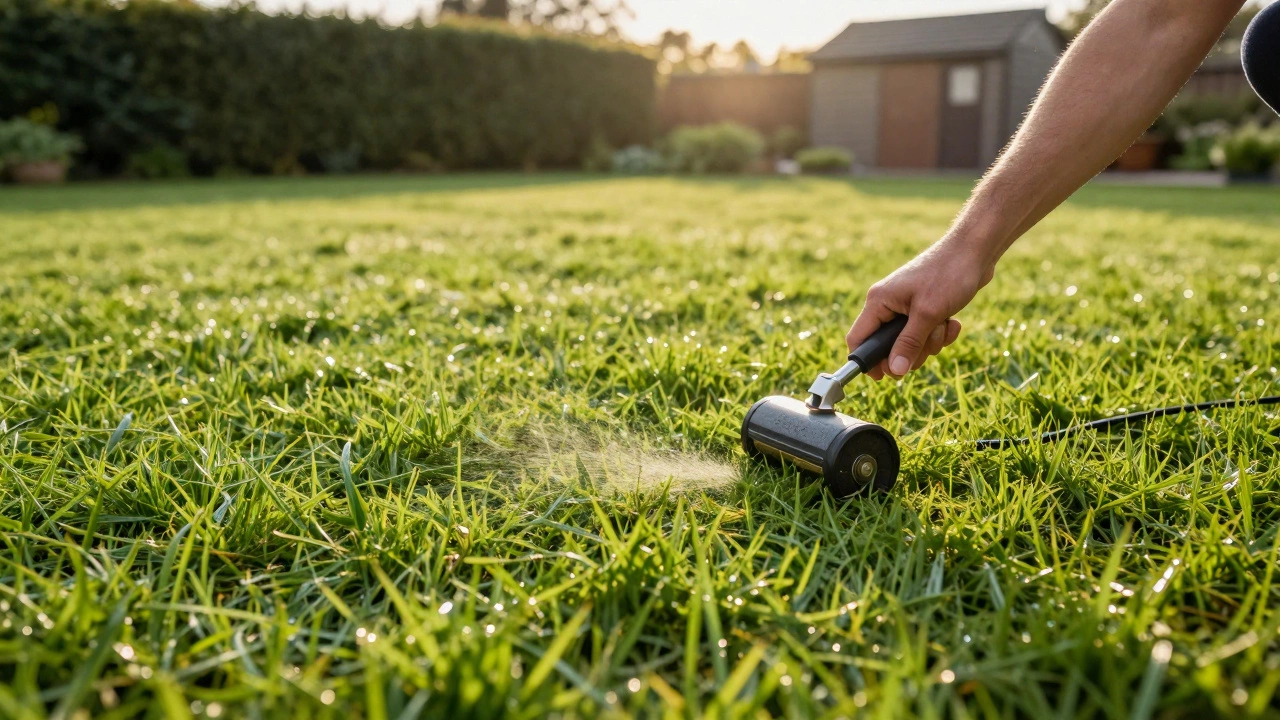
Lawn Fertilizer Timing Calculator
Calculate the optimal waiting period between mowing and fertilizing your lawn based on grass type, fertilizer type, and weather conditions.
You just finished mowing your lawn. The clippings are gone, the grass looks neat, and you’re ready to give it that extra boost with fertilizer. But wait-should you fertilize right away? Or do you need to wait? This is one of those lawn care questions that seems simple but has a lot behind it. The answer isn’t just "wait a day" or "do it immediately." It depends on your grass type, your fertilizer, and even the weather. Let’s cut through the noise and give you clear, practical advice you can use this week.
Why Timing Matters Between Mowing and Fertilizing
Fertilizer doesn’t work like a magic spray. It needs to reach the roots, and your lawn’s condition after mowing affects how well it absorbs nutrients. If you fertilize too soon after cutting, you risk wasting product. The grass blades are still recovering from the shock of being trimmed. If you fertilize too late, you miss the window when the lawn is most ready to take up nutrients.
Think of it like feeding someone after they’ve run a mile. They need a moment to catch their breath before eating. Your grass does the same. After mowing, it shifts energy from growth to healing the cut surfaces. That’s when it’s most vulnerable-and most receptive.
The General Rule: Wait 1 to 3 Days
For most homeowners in the UK, the sweet spot is waiting 1 to 3 days after mowing before applying fertilizer. This gives the grass time to recover, close those cut ends, and start growing again. It also lets the soil settle so the fertilizer doesn’t just sit on top of loose clippings.
Here’s why this window works:
- Grass clippings break down within 48 hours, returning nitrogen to the soil naturally.
- New growth begins around day two, making roots more active and ready to absorb nutrients.
- Waiting reduces the chance of fertilizer burn on freshly cut blades.
Don’t overthink it. If you mow on Monday, fertilize on Thursday. Simple.
What Type of Fertilizer You Use Changes Things
Not all fertilizers behave the same. Your timing should adjust based on what’s in the bag.
Granular fertilizers (the kind you spread with a spreader) need time to dissolve. They work best when applied 2-3 days after mowing. Rain or watering helps activate them, and waiting gives the grass a clean surface for even distribution.
Liquid fertilizers go to work fast. You can apply these as soon as 24 hours after mowing. Since they’re already dissolved, they don’t need to sit and break down. But even with liquids, waiting a full day helps avoid runoff or uneven absorption.
Slow-release or organic fertilizers (like compost tea or feather meal) are forgiving. They feed over weeks, not days. You can apply these anytime-even right after mowing-without harm. But for best results, still wait 24-48 hours so the lawn is actively growing and can use the nutrients as they slowly become available.
Grass Type Matters Too
Not all lawns are the same. In the UK, you’re likely dealing with one of two main types:
- Perennial ryegrass - The most common lawn grass here. It grows fast, recovers quickly, and responds well to fertilizer. You can fertilize 2 days after mowing with confidence.
- Fine fescue - Often mixed in with ryegrass. Slower-growing and more sensitive. Wait 3 days before fertilizing. Too much too soon can stress it.
If you’re unsure what type you have, look at your lawn in late spring. Ryegrass stays dark green and dense. Fescue is finer, lighter, and tends to go dormant in hot, dry spells. If your lawn looks patchy in summer, you’ve probably got fescue.
Weather Conditions Can Speed Up or Delay the Wait
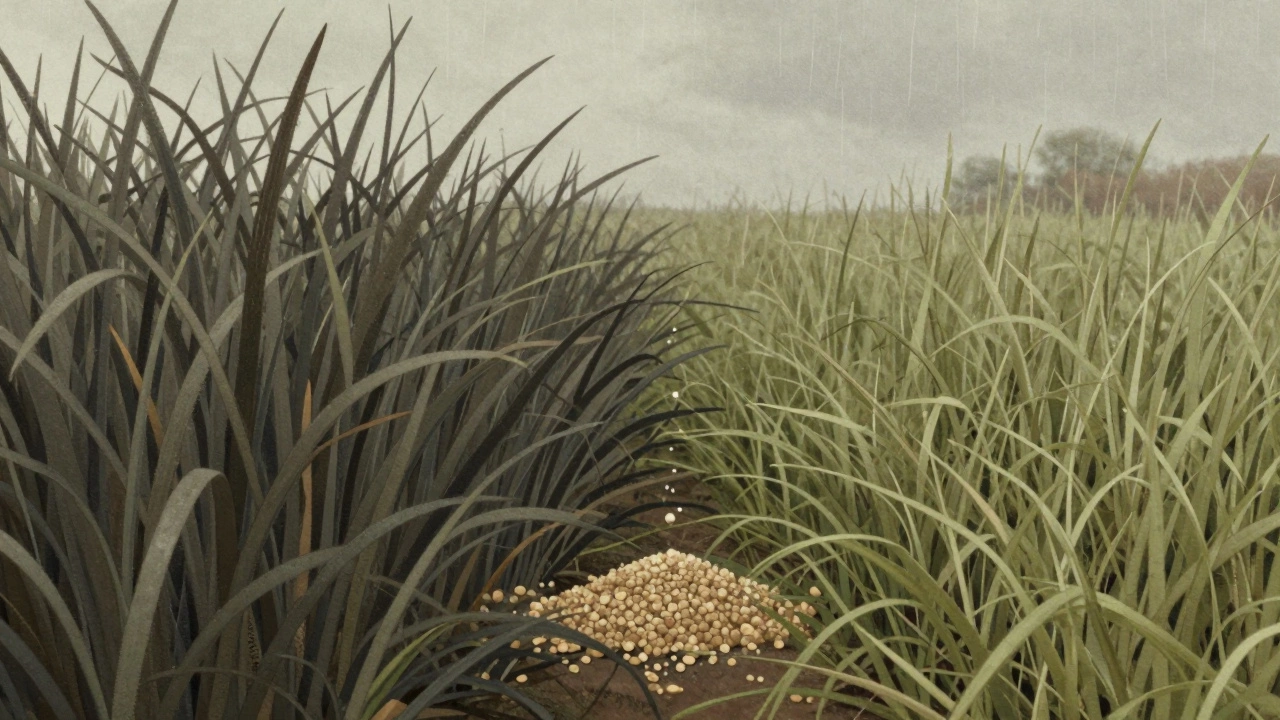
Don’t ignore the forecast. A rainy day right after mowing? You might not need to wait at all. Rain helps wash fertilizer into the soil, and damp grass absorbs nutrients better. If you mowed on a dry Tuesday and rain’s due Wednesday night, go ahead and fertilize Wednesday morning.
But if it’s been dry for a week, hold off. Dry soil means fertilizer won’t move down to the roots. It just sits on top and can burn the grass. Water your lawn lightly the day before fertilizing if the ground feels hard or dusty.
And avoid fertilizing right before a heatwave. If temperatures are expected to jump above 22°C in the next 48 hours, wait. Hot, dry conditions stress grass. Adding fertilizer on top of that stress can cause yellowing or dieback.
What About Grass Clippings? Should You Bag Them?
This comes up a lot. Do you need to pick up clippings before fertilizing?
Nope. In fact, leaving them is better. Grass clippings are 80% water and contain 2-4% nitrogen. That’s free fertilizer. When you mow regularly and leave clippings, you’re giving your lawn a slow-release nitrogen boost every time. Studies show this can reduce your need for synthetic fertilizer by up to 30% over a season.
Just don’t leave thick clumps. If you mowed when the grass was too long or too wet, you’ll get clumps. Rake those up. They block sunlight and trap moisture, inviting fungus. But light, even clippings? Leave them. They’re helping.
Signs You’re Fertilizing Too Soon (or Too Late)
How do you know if you got the timing wrong?
Too soon:
- Yellowing or browning at the tips of blades
- Fertilizer granules sticking to wet grass
- Uneven color after application
Too late:
- Grass looks sluggish, not greening up
- Clippings are piling up because you haven’t mowed in over a week
- It’s been 7+ days since your last feed
If you see any of these, adjust next time. One bad timing won’t kill your lawn. But doing it right every time? That’s how you get that thick, green, weed-free lawn everyone notices.
Best Practices for Fertilizing After Mowing
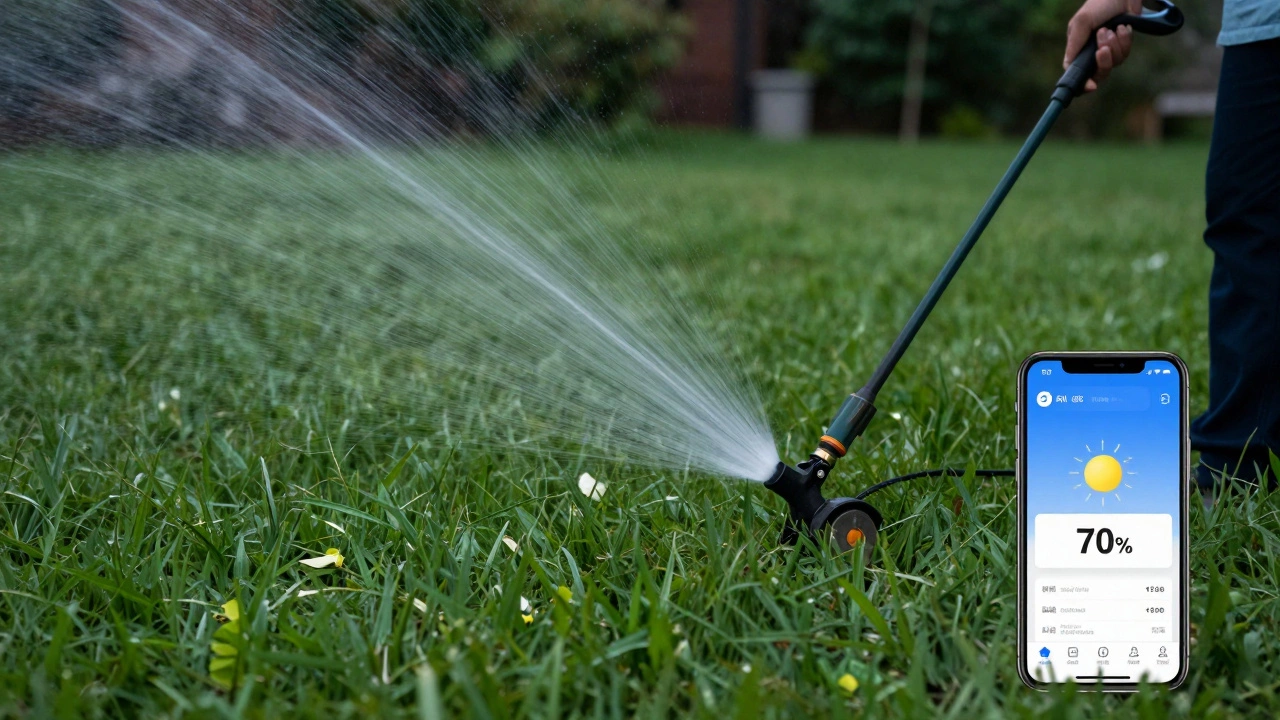
Here’s a quick checklist you can follow every time:
- Mow your lawn as usual-never cut more than one-third of the blade height.
- Leave clippings unless they form clumps.
- Wait 1-3 days after mowing before fertilizing.
- Check the forecast. Water lightly if it’s dry.
- Apply fertilizer evenly with a spreader, not by hand.
- Water lightly after application if no rain is expected in 24 hours.
Stick to this routine, and you’ll cut down on fertilizer waste, avoid damage, and get better results than 80% of homeowners.
How Often Should You Fertilize Anyway?
Timing after mowing matters, but so does frequency. In the UK, most lawns need 3-4 feedings per year:
- Early spring (March-April) - Kickstart growth
- Mid-spring (May) - Support thickening
- Early autumn (September) - Root development
- Late autumn (October) - Winter hardiness
Don’t fertilize in summer unless your lawn is in serious distress. Heat and dry soil make it harder for grass to use nutrients. And never fertilize frozen ground. It’s just a waste.
Use a slow-release, balanced fertilizer (like 10-5-10) for spring and autumn. For mid-spring, a slightly higher nitrogen blend (15-5-10) helps with color and density.
Final Answer: How Soon After Cutting Grass Can I Fertilize?
Wait 1 to 3 days after mowing before applying fertilizer. This gives your lawn time to recover, helps nutrients reach the roots, and prevents waste or damage. Adjust based on your grass type and weather. Leave clippings. Water if needed. And stick to a seasonal schedule. That’s all you need to know.
Your lawn isn’t a machine. It’s a living thing. Treat it like one, and it’ll reward you with a thick, green, healthy carpet that lasts all year.
Can I fertilize my lawn the same day I mow?
It’s not recommended. Mowing stresses the grass, and fertilizing immediately can overwhelm it. You risk uneven absorption and potential burn. Wait at least 24 hours, and ideally 1-3 days, for best results.
Does rain help after fertilizing?
Yes, light rain after fertilizing helps wash nutrients into the soil where roots can absorb them. But heavy rain right after application can wash fertilizer away before it’s absorbed. If rain’s expected, time your application so it happens 12-24 hours before the storm.
Should I water before or after fertilizing?
Water lightly before if the soil is dry-this helps the fertilizer move down. Water again after applying, especially if no rain is expected in the next 24 hours. This activates granular fertilizers and prevents them from sitting on top of the grass.
Can I use organic fertilizer right after mowing?
Yes, organic fertilizers like compost tea or manure are gentler and can be applied sooner than synthetic ones. Still, waiting 24-48 hours gives the grass time to recover and makes nutrient uptake more efficient.
What happens if I fertilize too often?
Over-fertilizing leads to rapid, weak growth, thatch buildup, and nutrient runoff into waterways. It can also make your lawn more prone to disease and pests. Stick to 3-4 applications per year, and always follow product instructions.