DIY Plant Spray Recipe Generator
Select the pest you are fighting to get a custom, safe DIY recipe:
General Bugs
Aphids, Whiteflies, ThripsMealybugs
Cotton-like clusters, ScaleSpider Mites
Webbing, tiny specksFungus Gnats
Flying bugs in soilRecipe Title
Ingredients & Tools
Mixing Instructions
Application Guide
Frequency: Weekly
Best Time: Early morning or late evening (avoid direct sun).
Coverage: Spray until dripping, ensuring you cover the undersides of leaves.
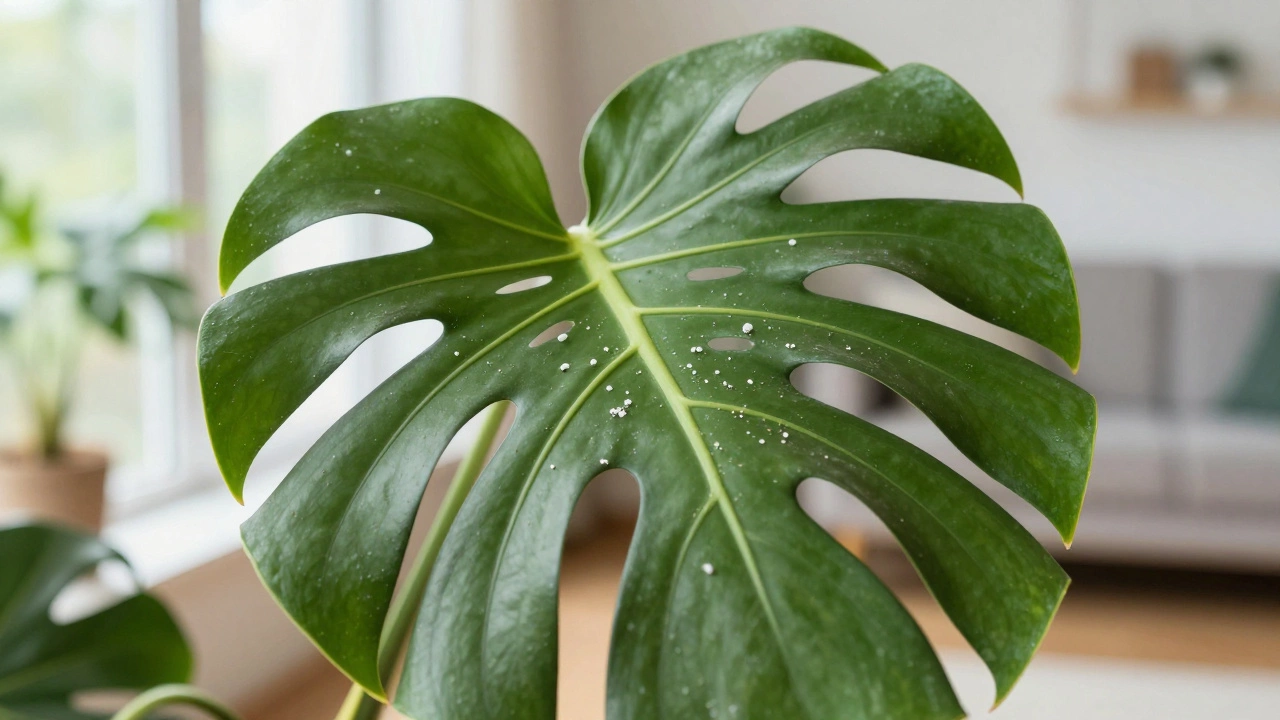
That tiny white speck on your Monstera leaf isn't a bit of dust. It’s likely a mealybug, and if you don’t act fast, it will turn into an infestation that drains your plant’s energy and ruins its look. You want to save your green friends, but you also live with them. You can’t just blast the room with harsh chemicals because you (and maybe your cat) need to breathe the air.
The good news is that you have powerful, safe options right in your kitchen or garden shed. Whether you are dealing with stubborn spider mites, sticky aphids, or root-infesting fungus gnats, there are specific sprays that kill pests without poisoning your home environment. This guide breaks down exactly what works, how to mix it yourself, and which store-bought products actually deliver results.
The Gold Standard: Insecticidal Soap
If you only keep one remedy in your arsenal, make it Insecticidal soap, which is a potassium-based solution derived from fatty acids that disrupts the cell membranes of soft-bodied insects. Unlike harsh pesticides, it breaks down quickly and leaves no toxic residue. It works by contact, meaning you must spray the bug directly for it to die. It does not have a systemic effect, so it won't protect new bugs that land on the plant later.
You can buy commercial brands like Safer Brand or Ortho, but making your own is cheap and effective. Mix one teaspoon of pure liquid castile soap (like Dr. Bronner’s) with one liter of lukewarm water. Shake it well before every use. Avoid dish detergents like Fairy Liquid or Dawn; they often contain degreasers and fragrances that can burn delicate indoor foliage.
- Target pests: Aphids, whiteflies, thrips, and young spider mites.
- Application: Spray thoroughly on both sides of leaves until dripping. Repeat every 3-4 days for two weeks.
- Safety tip: Test on a single leaf first. Wait 24 hours to ensure no burn marks appear before treating the whole plant.
Neem Oil: The Multi-Purpose Powerhouse
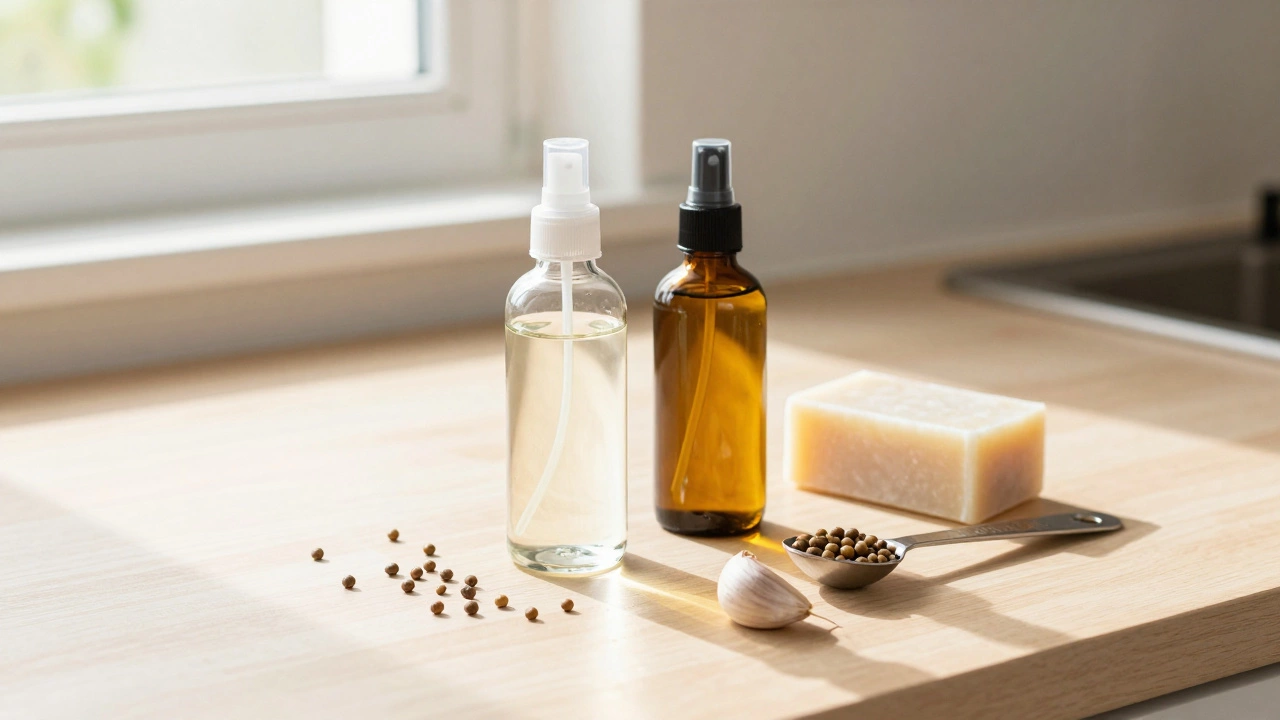
Neem oil comes from the seeds of the neem tree (Azadirachta indica), native to India, and contains azadirachtin, a compound that acts as an antifeedant and growth regulator for insects. It smells earthy and strong-think garlic mixed with turmeric-so use it in a well-ventilated area. Neem oil is unique because it attacks pests in multiple ways: it suffocates them, stops them from eating, and prevents eggs from hatching.
To use neem oil effectively, you cannot just pour it on the soil. You must emulsify it. Mix 1 teaspoon of cold-pressed neem oil with 1 teaspoon of mild liquid soap into a cup of warm water, then add this mixture to a liter of cool water. The soap helps the oil stick to the leaves rather than rolling off.
| Ingredient | Best For | Smell Profile | Frequency |
|---|---|---|---|
| Insecticidal Soap | Aphids, Whiteflies | Near Odorless | Every 3-4 days |
| Neem Oil | Mites, Fungus, Broad Spectrum | Strong, Earthy | Weekly |
| Alcohol Solution | Mealybugs, Scale | Sharp, Chemical | As needed (spot treat) |
| Chili Garlic Spray | Deterrent for larger pests | Pungent, Spicy | Monthly maintenance |
Spot Treating Mealybugs with Alcohol
Mealybugs look like little tufts of cotton wool hiding in leaf axils. They are tough because they produce a waxy coating that repels water-based sprays. For these specific pests, Isopropyl alcohol is a high-proof solvent that dissolves the protective wax layer of insects, causing rapid dehydration and death. Dilute 70% isopropyl alcohol with an equal part of water in a spray bottle. Alternatively, dip a cotton bud in straight alcohol and dab it directly onto the bug. This method is precise and avoids wetting the entire plant unnecessarily.
This approach is ideal for small infestations. If your plant is covered, combine the spot treatment with a full wash under a gentle shower stream to dislodge fallen adults and eggs.
Repelling Pests Before They Arrive
Prevention is always easier than cure. Some sprays act more as repellents than killers. A popular DIY deterrent involves blending fresh chili peppers and garlic with water, straining the liquid, and adding a drop of soap. The capsaicin in chilies irritates insect sensory organs, making your plant unappealing. While this doesn't kill existing heavy infestations, it creates a barrier that discourages new aphids or thrips from settling in. Apply this monthly during the growing season when pests are most active.
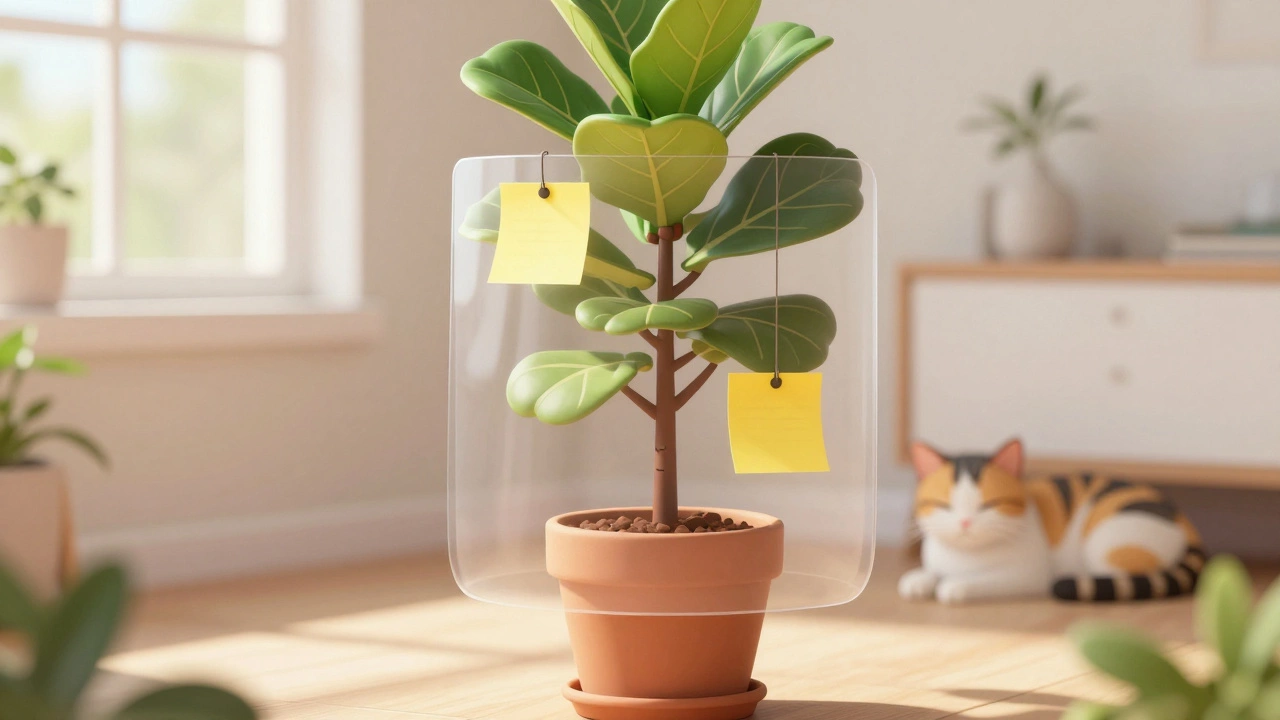
Another overlooked tactic is using sticky traps. Yellow sticky cards placed near the top of tall plants catch flying pests like fungus gnats and whiteflies. This reduces the breeding population significantly, allowing your sprays to focus on the stationary bugs on the leaves.
Common Mistakes That Worsen Infestations
Even with the right spray, you can fail if your technique is off. One major error is spraying during peak sunlight. UV rays react with oils and soaps to create hot spots that burn leaves, turning them brown and crispy. Always apply treatments in the early morning or late evening when light is low.
Another mistake is neglecting the undersides of leaves. Most pests hide there because it is cooler and less exposed. If you only spray the tops, you miss 80% of the problem. Flip your leaves over and get close. Get messy. The goal is coverage, not aesthetics.
Finally, do not ignore the soil. Root rot attracts fungus gnats. No amount of leaf spray will stop gnats if the soil stays soggy. Let the top inch of soil dry out completely between waterings. Adding a layer of sand or gravel on top of the soil can physically prevent gnats from laying eggs in the dirt.
When to Call in the Pros or Switch Tactics
If you have tried organic methods for three weeks with no improvement, you may be dealing with scale insects or a resistant strain of spider mites. Scale insects develop hard shells that resist soap and oil. You may need to manually scrape them off with a soft toothbrush before applying a horticultural oil. If the infestation threatens to spread to other plants, isolate the affected specimen immediately. Place it in a separate room or bathroom away from your main collection.
For severe cases, consider introducing beneficial insects like ladybugs or predatory mites. These are available online and work naturally to eat the pests. However, this is usually more practical for greenhouse environments than typical living rooms due to temperature and humidity controls required for the predators to survive.
Can I use vinegar to kill bugs on indoor plants?
Generally, no. Vinegar is acidic and can damage plant tissues, causing leaf burn. While some gardeners dilute it heavily for outdoor weeds, indoor plants are more sensitive. Stick to soap or neem oil solutions which are pH-balanced for foliage safety.
How often should I spray my plants for pests?
During an active infestation, spray every 3 to 5 days for at least two weeks. This cycle ensures you catch newly hatched eggs that survived the initial application. Once clear, inspect weekly and spray only if you see new signs of trouble.
Is neem oil safe for pets and humans?
Neem oil is low toxicity for humans and pets when used correctly. However, ingestion of large amounts can cause stomach upset in cats and dogs. Keep pets away from freshly sprayed plants until the solution dries completely. Always wash your hands after handling treated plants.
Why are my leaves turning yellow after spraying?
Yellowing or browning tips usually indicate phytotoxicity, or chemical burn. This happens if the solution was too strong, applied in direct sunlight, or if the soap contained harsh additives. Rinse the leaves with clean water immediately and reduce the concentration of your next spray.
What is the best spray for fungus gnats?
Leaf sprays do not kill fungus gnat larvae in the soil. Use a BTI (Bacillus thuringiensis israelensis) drench, which is a biological pesticide specifically targeting mosquito and gnat larvae. Combine this with letting the soil dry out between waterings to break their life cycle.