Sustainable Flower Impact Calculator
Calculate the environmental difference between growing native sustainable flowers versus buying conventional exotic imports.
Walking through a supermarket florist aisle in June, you might spot buckets of bright red roses or purple lilies. They look perfect, don't they? But behind that beauty is often a long supply chain involving air freight from South America, heavy pesticide use, and massive plastic waste. If you care about the planet, buying these conventional cut flowers can feel like a betrayal of your values. So, which flowers are actually sustainable?
The answer isn't just one specific species. It’s about where the flower comes from, how it was grown, and whether it supports local ecosystems. When we talk about sustainable flowers, we’re looking at three main categories: native wildflowers, locally grown heritage varieties, and low-input perennials that thrive without chemical help. Let’s break down exactly what makes a bloom green and how you can choose them wisely.
Why Native Wildflowers Lead the Pack
If you want to do the most good for the environment with the least effort, start with natives. These are plants that evolved in your specific region over thousands of years. Because they’re already adapted to your local climate, soil type, and rainfall patterns, they rarely need extra water, fertilizer, or pest control once established.
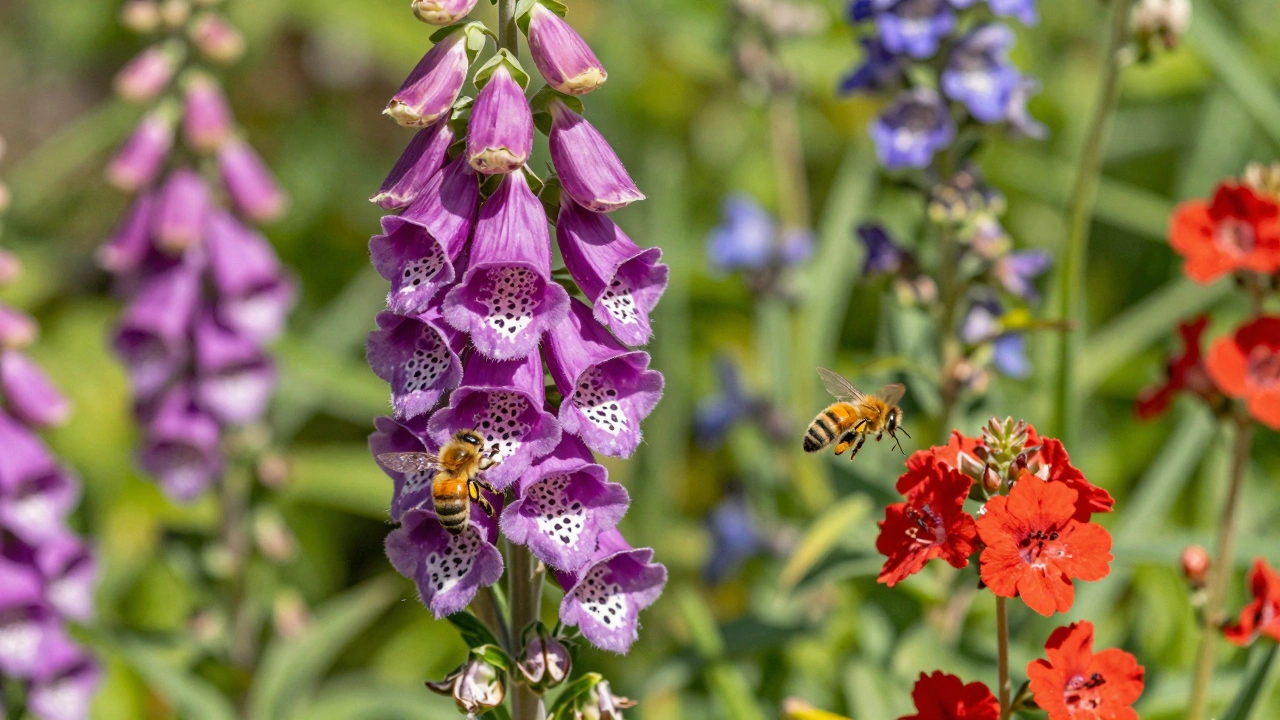
In the UK, for example, planting Common Foxglove (Digitalis purpurea) or Red Campion (Silene dioica) gives bees and butterflies a reliable food source. These plants have co-evolved with local pollinators. The shape of the flower matches the tongue length of the bee; the color attracts the right insect. This relationship doesn’t exist with exotic imports. When you plant natives, you’re rebuilding a broken link in the local food web.
They also prevent soil erosion better than many grasses because their root systems go deep. Think of it as free landscaping work done by nature. You dig them in, give them a year to settle, and then they pretty much take care of themselves.
The Problem with Exotic Imports
Not all non-native plants are bad, but many popular garden staples come with hidden environmental costs. Take the standard hybrid rose. While beautiful, many commercial roses are bred for durability during shipping rather than fragrance or resilience. They often require regular spraying against blackspot and aphids. Plus, if you buy them as cut flowers flown in from Kenya or Ecuador, the carbon footprint is staggering.
Consider this: a single bunch of imported cut flowers can generate more CO2 emissions than growing your own annuals in a small plot. The plastic sleeves, the styrofoam blocks, the refrigerated trucks-it adds up. Sustainable gardening means asking: "Can I grow this myself?" If the answer is yes, do it. If not, buy from a local grower who uses organic methods.
Best Sustainable Flower Choices for Your Garden
Here are some top contenders that balance beauty, biodiversity, and low maintenance. These aren’t just pretty faces; they’re ecological workers.
- Echinacea (Coneflower): A North American native that has naturalized well in many temperate zones. It’s drought-tolerant, loves sun, and provides seeds for birds in winter. The large central cone offers easy access for bees.
- Rudbeckia (Black-eyed Susan): Another tough perennial that blooms late summer when other flowers fade. It’s resistant to deer and rabbits, meaning no fencing needed.
- Lavender: While technically Mediterranean, English Lavender (Lavandula angustifolia) thrives in UK gardens. It needs well-drained soil and little water. Bees go crazy for it, and you get essential oils for free.
- Salvia: Many salvias are hummingbird magnets. Look for native species like Salvia nemorosa which stays compact and blooms repeatedly if deadheaded.
- Hellebores: For shady spots, these are unbeatable. They bloom in late winter/early spring when nectar is scarce, supporting early-emerging solitary bees.
Comparing Sustainable vs. Conventional Flowers
| Feature | Sustainable/Native | Conventional/Exotic |
|---|---|---|
| Water Needs | Low after establishment | High, often requires irrigation |
| Pesticide Use | None or minimal | Frequent spraying common |
| Carbon Footprint | Near zero (local) | High (air freight/plastic) |
| Biodiversity Impact | Supports local pollinators | Often sterile hybrids (no pollen) |
| Lifespan | Perennial (returns yearly) | Annual or short-lived bulb |
How to Source Sustainable Cut Flowers
What if you need flowers for a wedding or a centerpiece? You can still be sustainable. Look for "field-to-vase" growers. These are small farms that harvest flowers only when ordered, eliminating cold storage waste. In the UK, organizations like the Association of Independent Florists promote seasonal, local sourcing.
Avoid flowers wrapped in plastic. Choose paper wrapping or none at all. Ask your florist: "Where did these come from?" If they can’t tell you, walk away. Seasonal availability is key. Tulips in January? Likely imported. Peonies in June? Local and glorious. Stick to the season, and you’ll reduce waste significantly.
Common Pitfalls to Avoid
Even well-meaning gardeners make mistakes. Here are three big ones:
- Planting Invasive Species: Some non-natives escape gardens and choke out local plants. Examples include Japanese Knotweed (illegal to plant) or Himalayan Balsam. Always check if a plant is invasive in your region before buying.
- Over-fertilizing: Healthy soil doesn’t need synthetic boosters. Compost and leaf mold are enough. Excess nitrogen runs off into waterways, causing algal blooms.
- Killing All Bugs: A few chewed leaves mean life is happening. Ladybugs eat aphids. Wasps pollinate. Leave some messiness. Perfection is the enemy of sustainability.
Next Steps for Your Eco-Garden
Start small. Replace one patch of lawn with native wildflowers. Swap out one plastic-wrapped bouquet for a visit to a farmers' market. Observe what insects visit your current plants-do you see bees on the lavender but ignore the hybrid rose? Nature tells you what works. Over time, build a garden that feeds itself, not one that demands constant input.
Are all native flowers sustainable?
Mostly yes, but context matters. A plant native to Scotland might struggle in Brighton due to microclimate differences. Also, ensure you source plugs from reputable nurseries to avoid diseases. True sustainability includes responsible propagation practices.
Can I grow sustainable flowers in pots?
Absolutely. Use recycled containers or biodegradable pots. Choose compact perennials like Thyme or Sedum. Water efficiently using self-watering systems to conserve resources. Even balcony gardens contribute to urban biodiversity corridors.
Why are double-flowered hybrids less sustainable?
Double flowers have extra petals that often cover the reproductive parts. This means less accessible pollen and nectar for pollinators. Single-flowered varieties allow bees to reach the center easily, making them far more valuable ecologically.
Is buying local cut flowers always better?
Generally yes, especially if grown organically. However, consider the entire lifecycle. If a local grower uses excessive peat moss or diesel-powered machinery, the impact rises. Look for certified organic or regenerative farms for the best outcome.
How do I know if a plant is invasive?
Check with local botanical societies or government agricultural departments. They publish lists of prohibited or restricted species. In the UK, the RHS (Royal Horticultural Society) provides guidance on non-invasive alternatives for popular problem plants.