Backyard Design Software Matcher
Answer 4 simple questions to find the perfect design tool for your project.
Recommended Tool
Tool Name
TypeDescription goes here.
Alternative Options
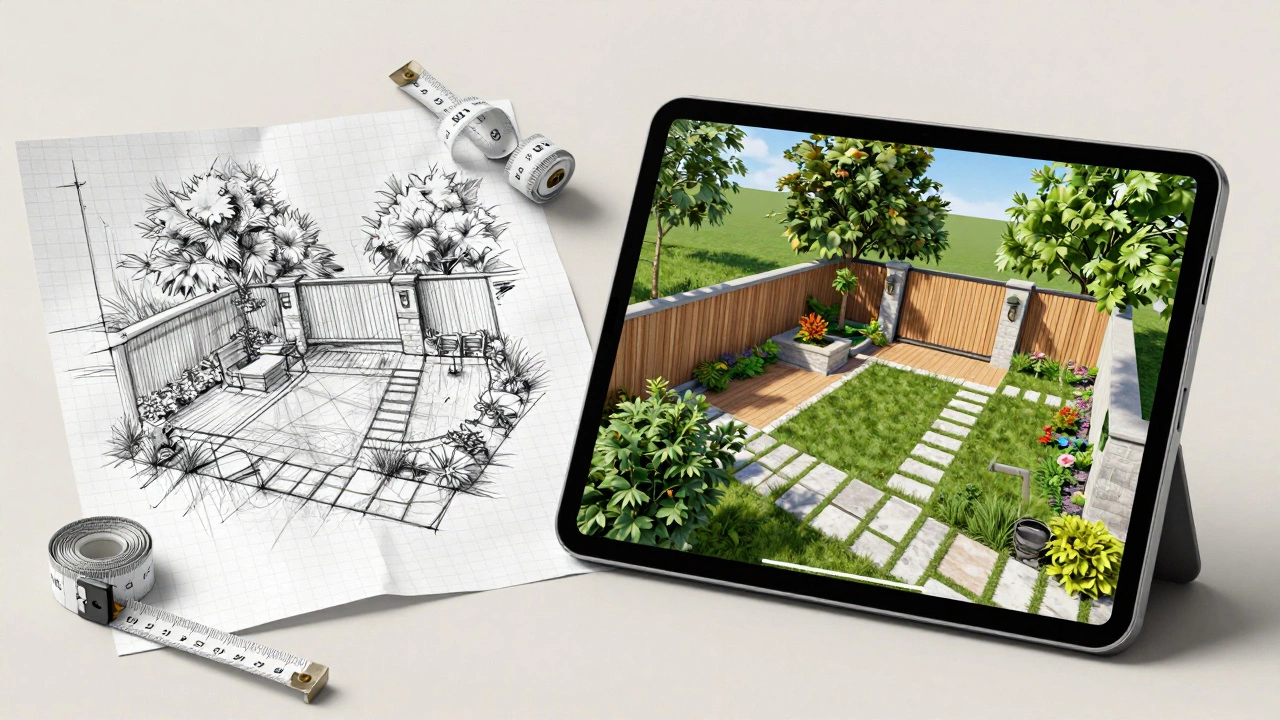
Standing in your backyard with a vague idea of what you want but no clear plan is frustrating. You imagine a cozy patio, maybe a vegetable patch, and some flowering shrubs, but when you try to sketch it on paper, the proportions look off. The scale feels wrong, and you’re not sure if that large oak tree will actually fit next to the proposed deck. This is where digital tools change the game. Instead of guessing, you can visualize every angle, adjust dimensions instantly, and see how light hits your garden at different times of day.
The question isn’t just "what program exists?" It’s "which tool fits your skill level, budget, and specific goals?" Whether you are a complete beginner wanting to move a few planters around or a DIY enthusiast planning a complex hardscape renovation, there is software tailored for you. In 2026, these tools have become more accessible than ever, running smoothly on tablets, laptops, and even smartphones.
Why Digital Planning Beats Paper Sketches
Drawing on graph paper has its charm, but it lacks precision. When you use dedicated landscape design software is specialized applications that allow users to create detailed visual plans for outdoor spaces using digital assets like plants, structures, and terrain models. you gain three critical advantages: accuracy, visualization, and iteration.
- Scale Accuracy: Digital tools let you input exact measurements of your property. If your yard is 20 feet by 30 feet, the software ensures your new pergola doesn’t accidentally take up half the space because you misjudged the ratio on paper.
- Plant Knowledge: Good programs include databases of thousands of plants with data on mature height, spread, sunlight needs, and hardiness zones. You won’t plant a shade-loving fern in a full-sun spot without a warning.
- Visual Feedback: Many modern apps offer 3D rendering. You can walk through your virtual garden before you dig a single hole. This prevents costly mistakes, like realizing too late that your new fence blocks the view from your kitchen window.
Top Free Options for Beginners
If you are just starting out and don’t want to spend money until you know exactly what you want, free tools are surprisingly powerful. They usually operate on a freemium model, meaning basic features are free, but advanced exports or premium plant libraries require payment.
| Software Name | Platform | Key Strength | Limitation |
|---|---|---|---|
| SketchUp Free is a web-based 3D modeling application that allows users to create precise geometric shapes and structures. | Web Browser | Unlimited creative freedom; great for custom structures | Steep learning curve; no built-in plant database |
| Garden Planner by The Family Garden is a browser-based drag-and-drop tool focused specifically on vegetable gardens and small plots. | Web Browser | Extremely easy to use; excellent for veggie patches | Limited to 2D views; fewer ornamental plants |
| HomeByMe is an interior and exterior design platform that includes outdoor modules with realistic rendering. | Web / Desktop | High-quality 3D renders; integrates indoor/outdoor flow | Free tier limits number of projects and render quality |
SketchUp Free is my go-to recommendation if you are building something structural, like a raised bed frame or a deck. It gives you total control over geometry. However, you need to manually add textures for grass or wood, which takes time. For pure planting, Garden Planner is unbeatable for simplicity. You drag a tomato plant onto the grid, and it tells you if it’s crowded. It’s not pretty, but it works.
Premium Software for Serious DIYers
If you are planning a major renovation involving paving, water features, or extensive landscaping, investing in professional-grade software pays off. These programs offer photorealistic rendering, sun path analysis, and comprehensive material libraries.
Realtime Landscaping Architect
This is often considered the gold standard for home users who want professional results. It runs on Windows and Mac and offers both 2D and 3D views simultaneously. What makes it stand out is its library. It includes tens of thousands of plants, trees, and hardscape elements. You can simulate seasonal changes, seeing how your garden looks in autumn versus spring. The price point is higher (around $150-$300 depending on the version), but the ability to generate construction documents helps if you hire contractors later.
Home Designer Landscape Suite
From Chief Architect, this tool is robust and detailed. It’s particularly strong if you are integrating your backyard design with your home’s architecture. You can import floor plans and extend them into the garden. The rendering engine is sophisticated, allowing you to adjust lighting, weather conditions, and camera angles. It’s less intuitive than SketchUp but more feature-rich for landscaping specifics.
Mobile Apps for On-Site Planning
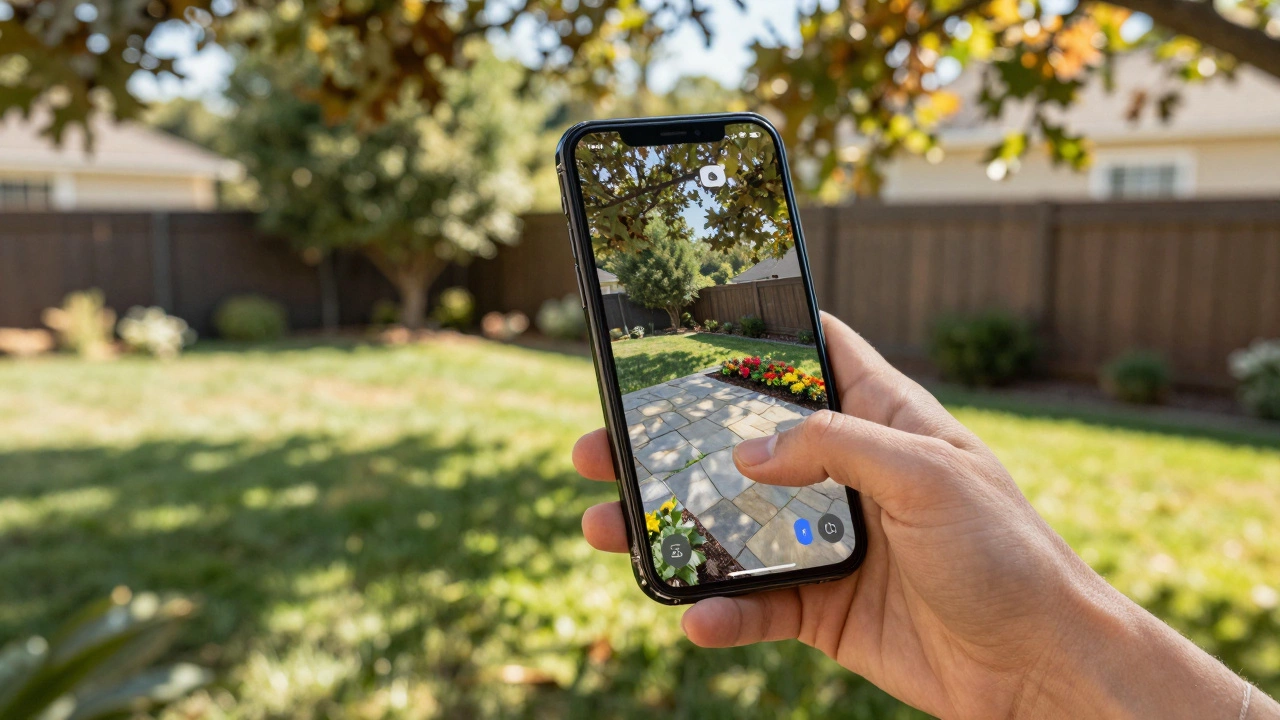
Sometimes you don’t sit at a desk. You stand in the yard, holding your phone, trying to visualize a change. Mobile apps have evolved to meet this need, using Augmented Reality (AR) and simple interfaces.
- Gardenize: Originally a plant tracker, it now includes design features. You can catalog your existing plants and experiment with new layouts. It’s great for maintaining a record of what you’ve planted and when.
- iScape: Available on iOS and Android, iScape lets you take a photo of your current yard and overlay images of plants, patios, and fences. It’s not a CAD tool, but it’s incredibly effective for getting a quick sense of aesthetics. You can save multiple versions to compare options.
- Plantscaper:** This app focuses heavily on plant compatibility. It suggests combinations based on color, height, and bloom time. If you struggle with choosing flowers that work together, this is a valuable resource.
How to Choose the Right Tool for You
Don’t just pick the most popular one. Ask yourself these questions:
- What is my primary goal? If it’s vegetables, use Garden Planner. If it’s a patio, use SketchUp or Realtime Landscaping.
- What is my tech comfort level? Are you willing to learn 3D modeling, or do you want drag-and-drop simplicity?
- Do I need to share plans with professionals? If yes, choose software that exports PDFs or DWG files compatible with contractor standards.
- What is my budget? Start free. Upgrade only if you find yourself hitting limitations regularly.
Pro Tips for Better Designs
Regardless of the software, follow these principles to ensure your design succeeds in reality:
- Measure Twice: Input accurate dimensions. A 1% error in measurement becomes a huge gap in the physical world.
- Consider Sunlight: Use the sun study features in premium tools. Note how shadows fall at noon versus 4 PM. Your seating area might be perfect in the morning but scorched in the afternoon.
- Think About Flow: Design paths that feel natural. Avoid sharp turns unless intentional. Ensure walkways are wide enough for two people to pass comfortably (at least 36 inches).
- Layer Your Plants: Don’t just place individual bushes. Think in layers: canopy trees, understory shrubs, perennials, and ground cover. This creates depth and interest.
Is SketchUp good for garden design?
Yes, SketchUp is excellent for designing hardscape elements like decks, walls, and raised beds due to its precise 3D modeling capabilities. However, it lacks a built-in plant database, so you must download 3D plant models from external sources, which can be time-consuming. It is best suited for users comfortable with 3D geometry.
What is the easiest free software for beginners?
Garden Planner by The Family Garden is widely regarded as the easiest free option. It uses a simple grid system and drag-and-drop interface, requiring no technical skills. It is ideal for small vegetable gardens or flower beds but limited in 3D visualization and hardscape complexity.
Can I use mobile apps for serious landscaping?
Mobile apps like iScape and Gardenize are great for conceptualization and plant tracking but lack the precision needed for construction-level planning. They are best used for initial ideas and aesthetic checks. For detailed measurements and contractor-ready plans, desktop software is recommended.
Does backyard design software show seasonal changes?
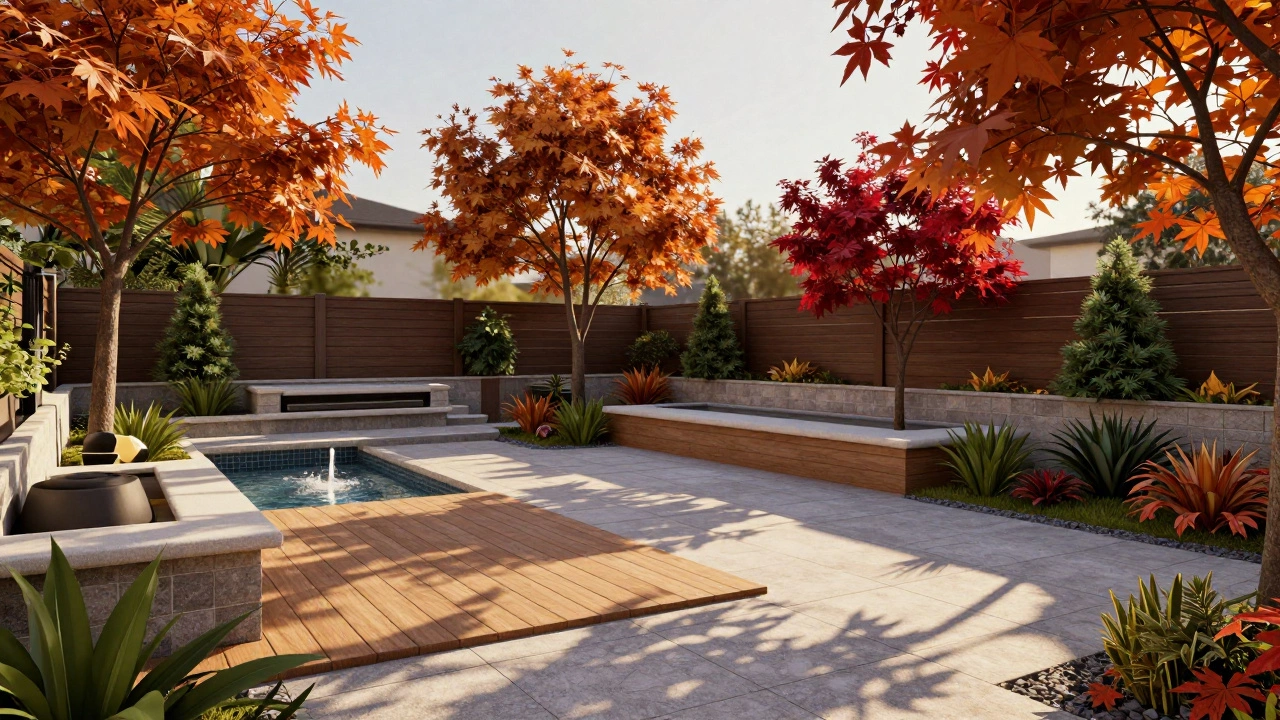
Premium software like Realtime Landscaping Architect and Home Designer Landscape Suite include seasonal simulation features. You can toggle between spring, summer, autumn, and winter to see how deciduous trees lose leaves and how evergreens maintain structure. Free tools rarely offer this level of detail.
Which software is best for vegetable garden layout?
Garden Planner is specifically optimized for vegetable gardens, offering companion planting advice and spacing guidelines. SketchUp can also be used if you prefer custom designs, but you will need to research plant spacing independently. Both are effective, but Garden Planner provides more agricultural guidance.