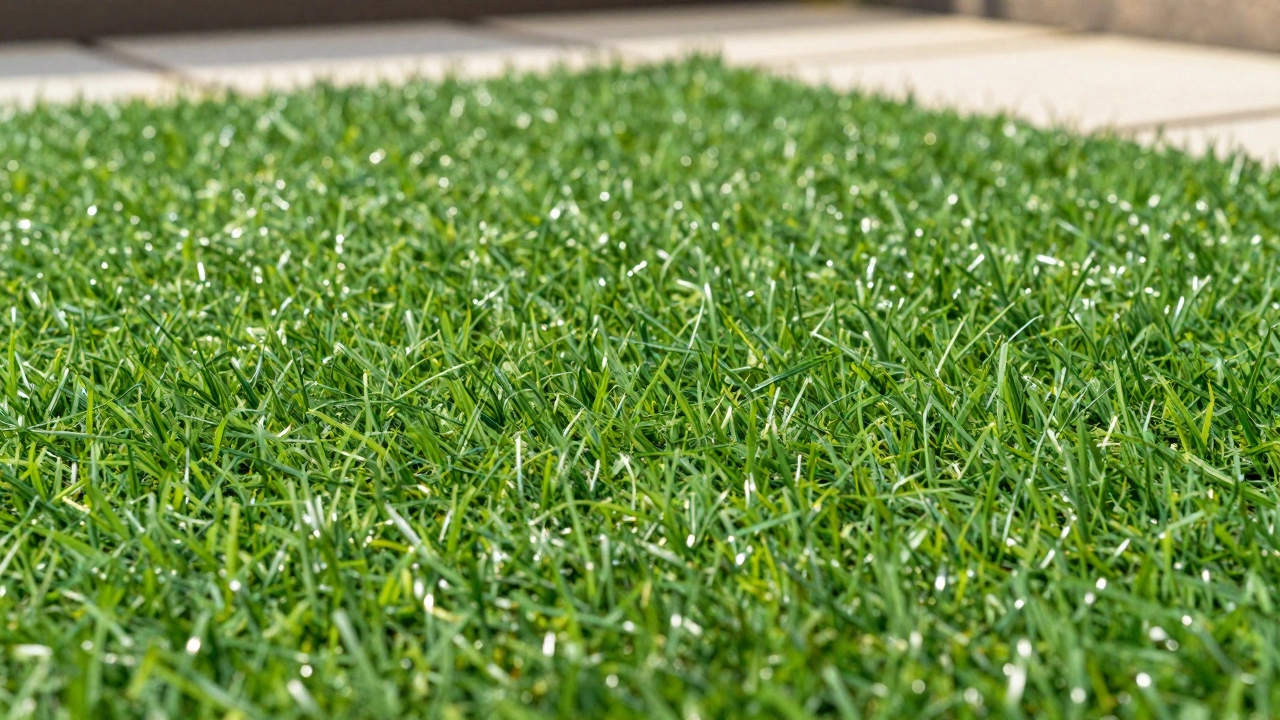
Artificial Grass Settling Timeline Tracker
0 days elapsed since installation
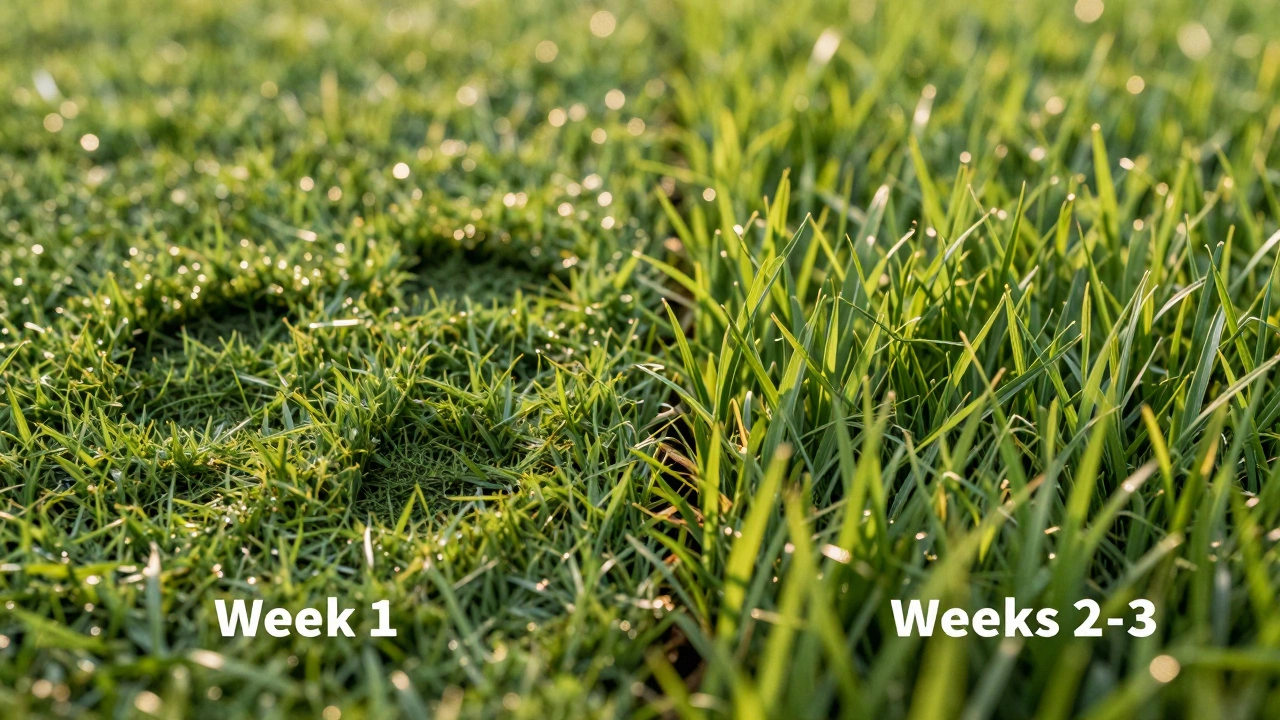
Week 1: The "Flat Carpet" Phase
Days 1–7Fibers are compressed and look flat. Avoid heavy furniture and vigorous brushing.
Weeks 2–3: Recovery Period
Days 8–21Fibers begin to bounce back due to polymer memory. Start gentle brushing.
Week 4+: Fully Settled
Day 28+Lawn looks natural and upright. Safe for full use, sports, and parties.
Recommendations:
Enter your installation date above to see where you stand in the settling process.
Imagine stepping onto your brand-new artificial grass is a synthetic surface designed to mimic natural lawns without the need for mowing or watering. It looks perfect. The blades are upright, the color is vibrant, and it feels like a high-end carpet. But then you walk on it. You drag a chair across it. Your dog runs around in circles. Suddenly, that pristine surface looks... flattened. Worried? Don’t be. This isn’t damage; it’s part of the process. But how long does this "settling" actually take, and when should you start worrying?
The short answer is that artificial grass typically takes between 2 to 4 weeks to fully settle into its final shape after installation. During this period, the fibers will compress, flatten, and eventually spring back up as they adjust to foot traffic and weather conditions. Understanding this timeline helps you manage expectations and avoid unnecessary panic during those first few weeks.
What Exactly Is "Settling"?
Before we dive into timelines, let's clarify what "settling" means in the context of synthetic turf is man-made grass made from polymers like polyethylene, polypropylene, or nylon.. When artificial grass is manufactured, the fibers are tufted into a backing material under tension. They stand straight and stiff because they haven't been compressed yet. Think of it like a new pair of jeans or a fresh mattress-stiff at first, but softening with use.
Settling involves two main processes:
- Fiber Compression: As people walk on the lawn, the individual blades bend and compress against each other. Initially, this makes the grass look flat or matted down.
- Base Stabilization: The underlying base layer (usually crushed stone or sand) also compacts slightly under weight and rain, ensuring the surface remains level and stable.
This isn't just cosmetic. Proper settling ensures the lawn performs correctly over its lifespan, which can be 15-20 years if installed properly. If you rush this phase or try to force the fibers up too early, you might damage the backing or create uneven wear patterns.
The Realistic Timeline: Week by Week
Every installation is different, depending on factors like fiber type, pile height, and local weather. However, here’s a general breakdown of what to expect during the first month:
Week 1: The "Flat Carpet" Phase
In the first seven days, your artificial grass will likely look flatter than expected. Foot traffic causes immediate compression, especially in high-traffic zones like pathways or seating areas. The fibers may appear matted down, particularly if you have heavy furniture or pets running around. This is completely normal. Resist the urge to brush it vigorously right away-you’re better off letting it sit undisturbed for a few days to allow the initial shock to pass.
Weeks 2-3: The Recovery Period
By the second week, you’ll notice the fibers starting to bounce back. This happens naturally as the polymer memory kicks in. Polyethylene and polypropylene fibers, commonly used in UK lawns, have excellent resilience. Gentle brushing with a stiff broom or power brush (on low setting) can help lift the blades. At this stage, the base layer is also compacting, so any minor dips or bumps should even out. Rainfall helps here too, as water weighs down loose particles and aids compaction.
Weeks 4+: Fully Settled
After four weeks, your artificial grass should look and feel like it’s been there for years. The fibers will stand upright naturally, the color will deepen slightly due to UV exposure, and the surface will feel consistent underfoot. This is when you can confidently host barbecues, play football, or let kids run wild without worrying about matting.
| Timeframe | Visual Appearance | Action Required | Expected Outcome |
|---|---|---|---|
| Days 1-7 | Flattened, matted fibers | Minimal foot traffic; no brushing | Initial compression occurs |
| Weeks 2-3 | Fibers begin to rise | Gentle brushing; light use | Fiber memory activates |
| Week 4+ | Natural, upright appearance | Normal use; occasional brushing | Fully settled and resilient |
Factors That Influence Settling Time
Not all artificial grass settles at the same rate. Several variables can speed up or delay the process. Knowing these helps you tailor your care routine.
Fiber Material and Pile Height
The type of polymer used matters. Polyethylene is the most common material for artificial grass due to its softness and natural look. It’s flexible and bounces back well, usually settling within 2-3 weeks. Nylon is a tougher, more durable fiber often used in high-traffic areas. While incredibly strong, nylon can take longer to soften and may feel stiffer initially. Higher pile heights (over 40mm) also take longer to settle because there’s more fiber mass to compress and recover.
Weather Conditions
If you live in Brighton, as I do, you know our weather is unpredictable. Warm, dry spells accelerate settling because heat makes the fibers more pliable. Conversely, cold, wet conditions slow things down. In winter installations, expect the settling process to stretch toward the 4-week mark. Rain helps compact the base but can also make the surface slippery and harder to maintain initially.
Installation Quality
A poorly prepared base is the number one reason for prolonged or uneven settling. If the sub-base isn’t leveled and compacted properly, you’ll get dips, puddles, or areas where the grass never seems to lie flat. Professional installers use geogrid mesh and laser leveling to ensure stability. DIY installations often skip these steps, leading to longer settling times and potential long-term issues.
How to Speed Up the Settling Process
While patience is key, there are safe ways to encourage your artificial grass to settle faster without damaging it.
- Brush Regularly (But Gently): Use a stiff-bristled broom or a powered brush on a low setting. Brush against the grain to lift the fibers. Do this once a week during the first month. Over-brushing can fray the fibers, so keep it light.
- Introduce Gradual Traffic: Instead of avoiding the lawn entirely, walk on it lightly every day. This mimics natural wear and helps the fibers adapt. Avoid dragging heavy furniture for the first two weeks.
- Rinse with Water: A gentle hose-down can help weigh down loose debris and assist in base compaction. It also keeps the fibers clean, which prevents dirt from weighing them down prematurely.
- Use Sand Infill (If Applicable): Some premium lawns come with silica sand infill. This adds weight to the base of the fibers, helping them stay upright. If your lawn doesn’t have infill, don’t add it later-it can void warranties and cause drainage issues.
Common Mistakes That Delay Settling
Even with the best intentions, some actions can hinder the settling process. Here’s what to avoid:
- Heavy Foot Traffic Too Soon: Hosting a party or playing sports in the first week can crush the fibers before they’ve had a chance to set. Wait at least 10-14 days for intense activity.
- Ignoring Edging: Proper edging is a border system that secures the edges of artificial grass to prevent movement. Without it, the grass can shift, causing wrinkles and uneven surfaces that never settle properly.
- Using Sharp Objects: Stiletto heels, metal chair legs, or pet claws can puncture or tear the backing. Protect high-use areas with mats or pads during the settling phase.
- Skipping Base Preparation: Rushing the installation to save money often leads to costly repairs later. A solid base is non-negotiable for long-term performance.
Troubleshooting: When Settling Goes Wrong
Sometimes, despite your best efforts, the grass doesn’t look right after a month. Here’s how to diagnose common issues:
Persistent Flat Spots
If certain areas remain flat after 4 weeks, check for excessive foot traffic or heavy objects left in place. Move furniture and brush the area daily for another week. If it doesn’t improve, the fibers may have been permanently crushed-a sign of low-quality turf or improper installation.
Wrinkles and Bubbles
These usually indicate poor seam joining or inadequate stretching during installation. Wrinkles won’t disappear on their own. You may need to re-tension the grass or call your installer for a fix. Prevention is easier than cure: ensure the grass is laid taut and secured with nails or staples along the edges.
Uneven Surface
Dips or bumps suggest base instability. Top up low spots with additional sharp sand or stone dust, then tamp it down. For severe cases, you might need to lift sections of the grass to repair the base-a job best left to professionals.
Maintenance After Settling
Once your artificial grass has settled, maintenance becomes straightforward. Brush it monthly to keep fibers upright, rinse it occasionally to remove dust and pollen, and clear leaves promptly to prevent staining. With proper care, your lawn will look lush and green for years, requiring far less effort than a natural one.
Can I walk on artificial grass immediately after installation?
Yes, but limit heavy traffic for the first 48 hours. Light walking is fine and can even help with initial settling. Avoid dragging furniture or hosting events until at least one week has passed.
Does artificial grass ever go flat permanently?
High-quality artificial grass should not go flat permanently. If fibers remain matted after a month, it could indicate low-grade materials or excessive wear. Regular brushing helps maintain an upright appearance.
How often should I brush my artificial grass?
During the first month, brush gently once a week. After settling, monthly brushing is sufficient to keep fibers lifted and debris cleared. Use a stiff broom or power brush on a low setting.
Will rain affect the settling process?
Rain can help compact the base layer, aiding settlement. However, wet conditions may slow fiber recovery slightly. Ensure your lawn has proper drainage to prevent waterlogging, which can lead to uneven surfaces.
Is professional installation worth it for faster settling?
Yes. Professionals prepare the base correctly, stretch the grass evenly, and secure edges properly. This reduces the risk of wrinkles, dips, and prolonged settling times, saving you hassle and potential repair costs down the line.