Lawn Treatment Advisor
Describe your lawn's current condition to find the professional-grade solution for a smoother, healthier yard.
Your Solution
Select an option above to see the recommendation.
Quick Takeaways: Aeration vs. Leveling
- Aeration fixes soil compaction and helps roots breathe; it does not move soil to fill holes.
- Bumpy lawns are usually caused by uneven soil deposits, thatch buildup, or old root systems.
- Leveling (top-dressing) is the only way to physically flatten a bumpy surface.
- Combining both processes is often the fastest way to get a professional-grade finish.
What is Aeration and How Does it Actually Work?
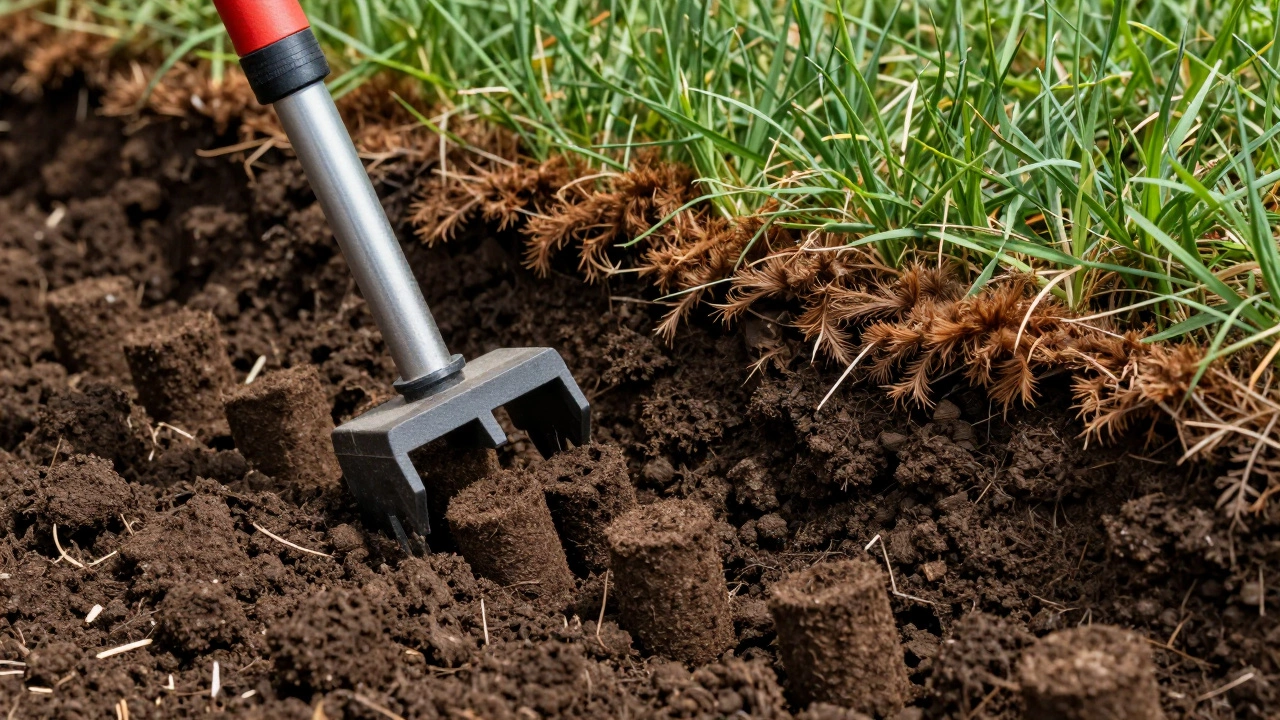
Before we tackle the bumps, we need to understand what we're actually doing when we aerate. Lawn Aeration is the process of removing small plugs of soil from the lawn to reduce compaction and allow air, water, and nutrients to reach the root zone. It is primarily a biological and chemical fix, not a mechanical reshaping of the land.
When you use a Core Aerator-that heavy machine that pulls out actual cylinders of dirt-you are fighting Soil Compaction. Compaction happens when the soil particles are pressed together so tightly that there's no room for oxygen. This is common in high-traffic areas, like where the kids run or the dog always paws at the ground. While this makes the soil "hard," it doesn't necessarily make it "bumpy." A compacted lawn is often flat but dead; a bumpy lawn is uneven, regardless of how hard the soil is.
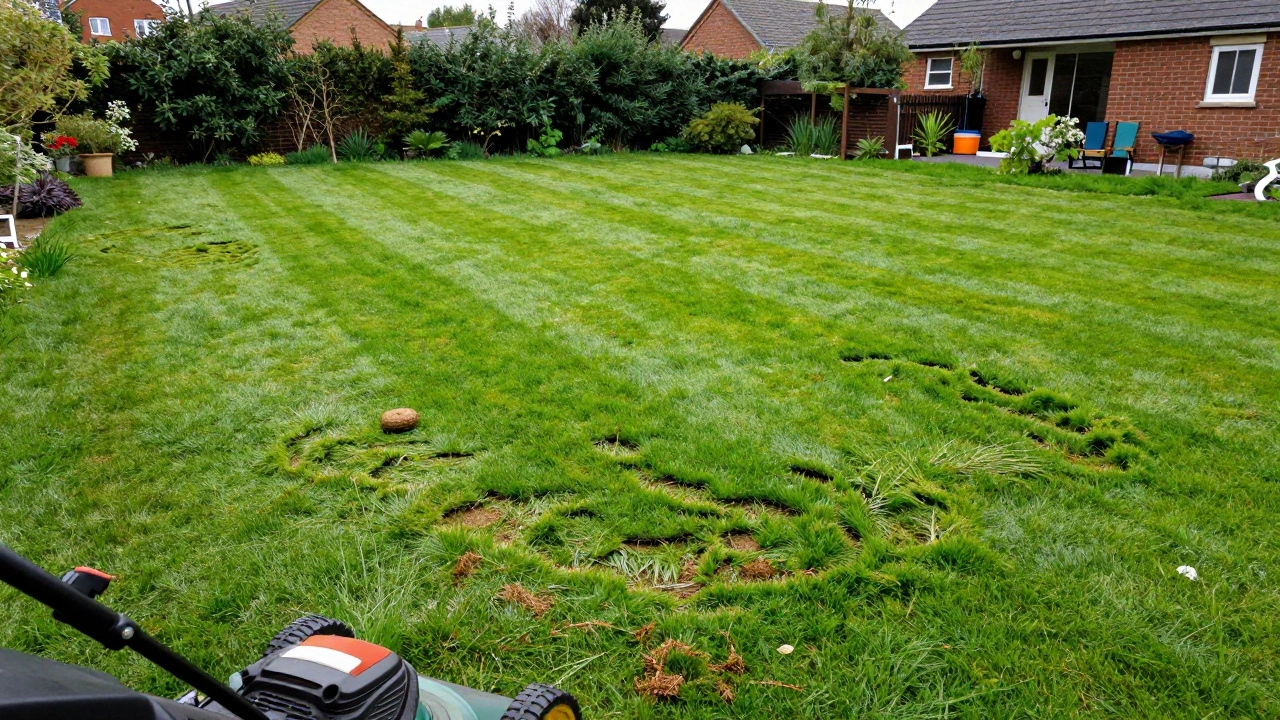
Why Your Lawn Is Actually Bumpy
If you're seeing dips and mounds, you're dealing with a topographical issue. Aeration targets the vertical movement of nutrients, but bumps are a horizontal problem. Here are the most common culprits for an uneven yard:
- Organic Matter Decay: Old tree roots, buried stones, or rotting stumps can create "sinkholes" as the organic material breaks down over years.
- Uneven Grading: If the house was built on a slope or the soil wasn't properly leveled during construction, you'll have natural ridges.
- Thatch Accumulation: Thatch is a layer of organic debris that builds up between the green grass and the soil surface. In some areas, thatch can grow thick and spongy, creating a "false floor" that feels bumpy or soft underfoot.
- Animal Activity: Gophers, moles, and voles are the architects of the bumpy lawn. Their tunnels collapse and create a undulating surface.
The Verdict: Will Aeration Help?
To answer the big question: No, aeration will not move dirt from a high spot to a low spot. If you have a 2-inch dip in your yard, poking holes in it with a lawn aeration tool won't fill that dip. However, it is still useful in a specific scenario. If your bumps are caused by extreme compaction in some areas and loose soil in others, aeration can help equalize the density of the soil, making it easier to level later.
Think of it like this: if your house has a slanted floor, vacuuming the carpet won't make the floor level. But if the carpet is bunched up (like thatch), vacuuming and steaming it might help it lay flatter. Aeration is more like the vacuuming-it cleans up the internal structure, but it doesn't change the foundation.
How to Actually Flatten a Bumpy Lawn
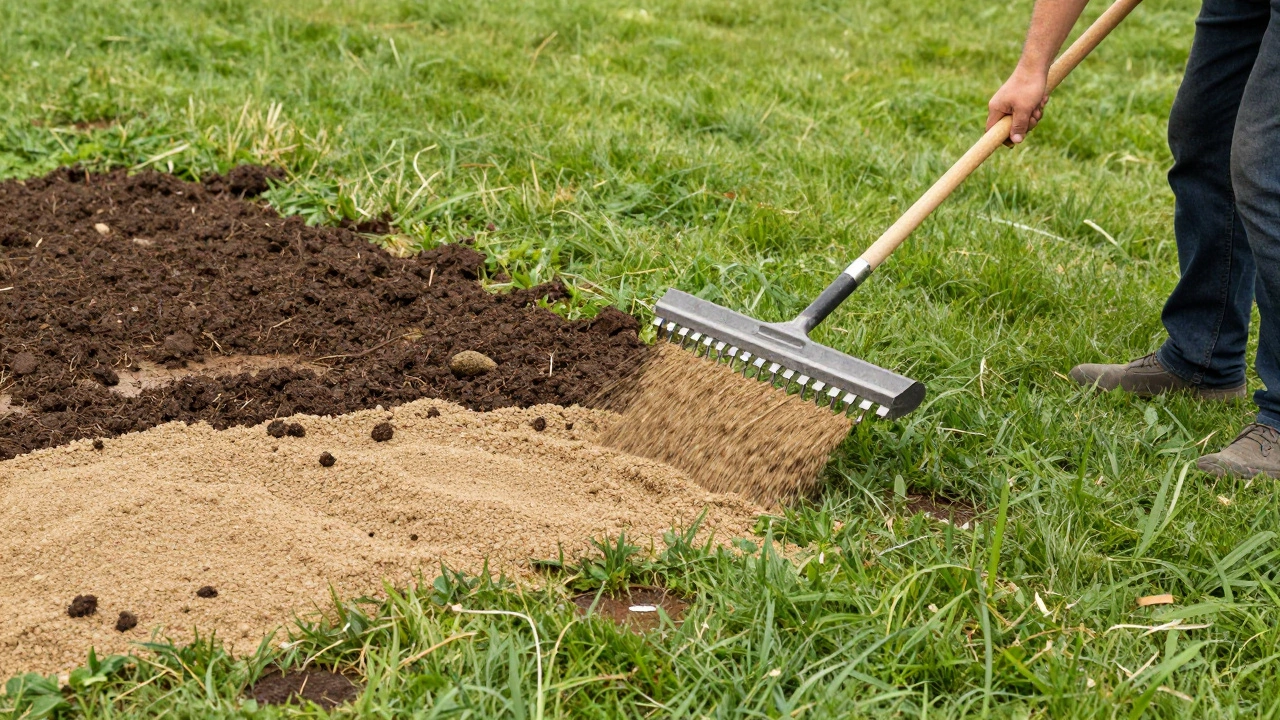
If you want a smooth, billiard-table surface, you need a process called Top-Dressing. This is the act of applying a thin layer of soil, sand, or compost over the surface of the lawn to fill in low spots.
- Identify the Low Spots: Use a long straight edge (like a 2x4 piece of lumber) or a string line to find exactly where the dips are.
- Create a Leveling Mix: Don't just use topsoil; it's too heavy and can smother the grass. A professional mix usually consists of 50% Masonry Sand and 50% high-quality compost. The sand provides the structure (the "level"), and the compost provides the nutrients.
- Apply and Spread: Pour the mix into the dips. Use a leveling rake or a push-broom to spread the material evenly. You want the grass to still be visible-don't bury the lawn completely.
- Water In: Give the area a good soak so the mix settles into the grass canopy and reaches the soil.
| Feature | Core Aeration | Top-Dressing (Leveling) |
|---|---|---|
| Primary Goal | Reduce Compaction | Fix Surface Unevenness |
| Action | Removes soil plugs | Adds soil/sand mixture |
| Effect on Bumps | Negligible / None | Directly fills low spots |
| Best Time | Spring or Fall (depending on grass) | During active growth phases |
| Immediate Result | Holes in the lawn | Smoother walking surface |
The Pro Strategy: The "One-Two Punch"
If you're serious about fixing a bumpy, compacted lawn, don't choose between aeration and leveling-do both. This is the secret used by golf course superintendents to get those perfect greens.
First, perform a core aeration. This creates thousands of open channels in the soil. Then, immediately follow up with top-dressing. When you spread your sand and compost mix over an aerated lawn, the material falls directly into the aeration holes. This allows the leveling mix to penetrate deep into the root zone rather than just sitting on top of the grass. You're essentially "filling the holes" with nutrient-rich soil while simultaneously leveling the surface.
For the best results, use a Rotary Tiller or a manual garden rake if the bumps are massive (more than 3 inches). For smaller bumps, the aeration-then-top-dress method is the gold standard.
Common Pitfalls to Avoid
Many homeowners make a few classic mistakes when trying to fix an uneven yard. Avoid these to save yourself a lot of money and frustration:
- Over-filling: It's tempting to dump a whole bag of soil in a hole, but if you bury the grass blades completely, you'll kill the turf. Apply in layers of 1/2 inch at a time.
- Using Only Sand: Pure sand can create a hard, concrete-like crust over time. Always mix it with organic matter like compost or peat moss.
- Aerate at the Wrong Time: Aerating Dormant Grass (like during a heatwave or deep winter) can stress the plant. Do it when the grass is actively growing so it can recover quickly.
- Ignoring Drainage: If your bumps are actually "swales" meant to move water away from your house, don't fill them in! You'll end up with a flooded basement. Check your yard's original drainage plan before leveling.
How often should I aerate to keep my lawn smooth?
Aeration doesn't maintain smoothness, but it maintains soil health. For most lawns, once a year in the fall or spring is plenty. If you have heavy clay soil, you might do it twice a year to prevent compaction from returning.
Can I use liquid aeration instead of a machine?
Liquid aeration uses surfactants to break up surface tension in the soil. While it helps water penetrate, it does absolutely nothing for physical bumps or severe compaction. It's a supplement, not a replacement for a core aerator.
Will the bumps come back after I level the lawn?
If the bumps were caused by soil settling or thatch, they usually stay gone if you maintain the yard. However, if you have an active pest problem with moles or voles, the bumps will return as soon as the animals start digging again. Deal with the pests first.
Is it safe to top-dress my lawn while it's raining?
Avoid top-dressing during heavy rain. The water can wash your expensive soil mix away or cause it to clump, creating new bumps. Do it on a dry day and then water it in manually with a sprinkler.
How long does it take for a leveled lawn to look normal again?
Depending on the thickness of the mix, it usually takes 2 to 4 weeks for the grass to grow through the new soil and for the color to look uniform. Regular mowing and watering will speed up the process.
Next Steps for Your Lawn
Depending on your current situation, here is how to proceed:
- If your lawn is hard and flat: Just perform core aeration and overseed.
- If your lawn is spongy and uneven: Dethatch first to remove organic buildup, then aerate and top-dress.
- If your lawn has deep holes or mounds: Remove the turf manually, fill the hole with soil, tamp it down, and relay the turf or seed the area.