Orangery Roof Leak Risk & Maintenance Estimator
Enter details about your orangery to assess its current risk level and get tailored advice.
Risk Assessment
Calculating...Recommended Actions
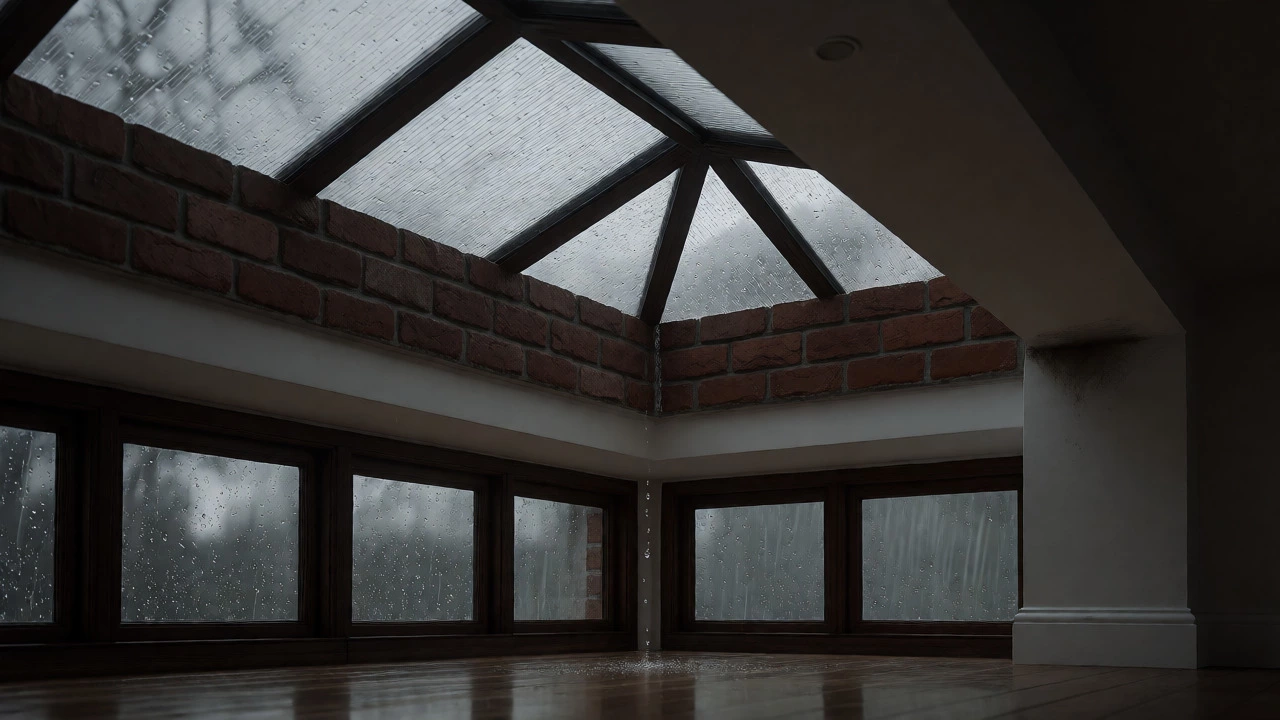
There is nothing quite like the panic of hearing a drip-drip-drip echo through your living room while you’re trying to enjoy a cup of tea on a rainy Tuesday. If you own an orangery, you’ve likely asked yourself: do orangery roofs leak? The short answer is yes, they can. But unlike a slate roof on a Victorian terrace, an orangery roof is a complex hybrid structure combining solid brick or stone with large expanses of glass and polycarbonate panels. It’s not that they are inherently flawed; it’s that they require specific attention to detail that traditional house roofs don’t.
I live in Brighton, where the sea air brings salt and the winters bring relentless horizontal rain. I’ve seen plenty of orangeries go from dreamy sunrooms to dripping nuisances. The good news? Most leaks aren’t catastrophic structural failures. They are usually small issues with seals, gutters, or drainage that, if caught early, cost pennies to fix rather than thousands to replace. Let’s break down why these leaks happen, how to spot them before they ruin your furniture, and what you can actually do about it.
The Anatomy of an Orangery Roof
To understand why it leaks, you have to know what it is made of. An orangery isn’t just a glass box. It typically features a flat or slightly pitched roof section surrounded by a perimeter wall (the parapet) and topped with a central lantern or dome. This mix of materials creates multiple points of failure.
Polycarbonate is a common material for the main roof sections because it’s lightweight and insulating. However, it expands and contracts significantly with temperature changes. Over time, this movement can pull away from the frame, breaking the sealant bond. Glass roofs, often found in the lantern section, rely heavily on silicone sealants and EPDM rubber gaskets. These materials degrade under UV exposure. In the UK, we don’t get desert-level sun, but our intense summer rays combined with freezing winters create a thermal cycling effect that ages rubber faster than you’d think.
The most vulnerable part is usually the junction between the orangery roof and the main house wall. This is called the flashing. If the flashing wasn’t installed correctly during the build-or if the house has settled since then-water will track behind the brickwork and appear inside as damp patches near the ceiling.
Common Culprits Behind Leaks
You don’t need a professional surveyor to diagnose 80% of orangery leaks. You just need a ladder, a flashlight, and a bit of patience. Here are the usual suspects:
- Blocked Gutters and Downpipes: This is the number one cause. Orangeries often have internal gutters hidden within the eaves. When leaves, moss, or bird nests block these, water backs up. Instead of flowing out, it overflows onto the roof structure and seeps into the joints. In autumn, check these monthly.
- Dried Out Sealants: Silicone sealant around glass panes or polycarbonate sheets dries out after 10-15 years. It becomes brittle and cracks. Once cracked, it lets water in directly.
- Failed Gaskets: The rubber strips holding glass panes in place can shrink or tear. If you see daylight coming through the roof frame, you’ll definitely see rain coming through too.
- Condensation vs. Leaks: Sometimes, it’s not a leak. Single-glazed or poorly insulated roofs suffer from heavy condensation. Water droplets form on the underside of the glass and drip down. Check if the water is clean (condensation) or dirty/rusty (leak).
| Material Type | Typical Lifespan | Primary Leak Risk | Maintenance Frequency |
|---|---|---|---|
| Polycarbonate Sheets | 10-15 Years | Sealant failure due to thermal expansion | Annual inspection of seals |
| Double-Glazed Glass | 20+ Years | Gasket degradation and frame corrosion | Every 2-3 years |
| Tiled Solid Roof | 50+ Years | Flashing errors at wall junctions | Minimal, check flashing annually |
How to Spot a Leak Early
Water damage doesn’t announce itself loudly until it’s too late. By the time you see a dark stain spreading across your plasterboard ceiling, the insulation above might already be soaked. Catching it early saves money.
Start with the visual interior check. Look for water stains, bubbling paint, or peeling wallpaper near the corners of the room. Use a moisture meter if you have one; normal dry plaster reads below 1%. Anything above 5% indicates active moisture ingress. Next, go outside. Inspect the exterior roof surface. Are there missing tiles? Is the silicone around the glass blackened or cracked? Pay special attention to the valley gutters-the channels where two roof slopes meet. Debris accumulates here quickly.
A simple test involves using a hose. Have someone stand inside with a torch while you gently spray water on different sections of the roof, starting from the bottom and working up. This isolates the entry point. Don’t blast it with high pressure; you want to simulate rain, not a jet wash. If the person inside sees a drip, mark that spot externally.
DIY Fixes vs. Professional Repairs
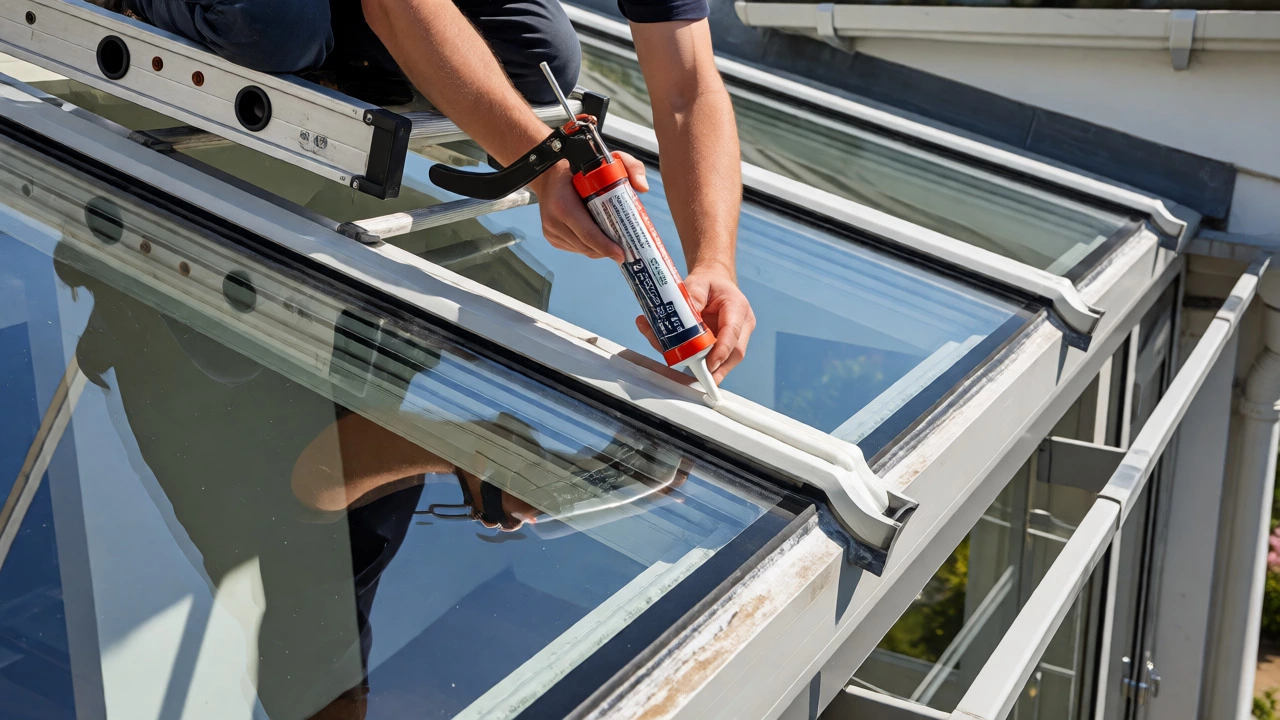
Can you fix it yourself? For minor issues, absolutely. If you find a small gap in the sealant, you can re-seal it. Buy a high-quality, weather-resistant silicone specifically designed for glazing (look for neutral cure, not acid cure, as acid can corrode metal frames). Clean the area thoroughly with methylated spirits first; old dirt prevents new sealant from sticking.
For blocked internal gutters, you might need to remove the fascia board cover. This is usually held on by clips or screws. Clear out the sludge, flush with water, and ensure the downpipe outlet is clear. This job takes an hour and costs nothing but effort.
However, call a pro if:
- The leak is at the junction with the main house wall (flashing repair requires scaffolding and masonry skills).
- Glass panels are cracked or fogged up (indicating failed double-glazing seals).
- The roof structure feels spongy when walked on (sign of rotted timber battens).
Preventing Future Leaks
Maintenance is cheaper than repair. Since you are in the UK, assume your roof faces a hostile environment. Rain, wind, and pollution accelerate wear.
Keep it clean. Wash the roof panels twice a year. Algae and lichen hold moisture against the glass and seals, accelerating decay. Use a soft brush and mild detergent. Avoid abrasive cleaners on polycarbonate, as they scratch the surface, making it cloudier and more prone to cracking.
Check the ventilation. Poor airflow leads to condensation, which mimics leaks and rots wood. Ensure trickle vents are open and not painted over. If your orangery gets steamy after cooking or showering nearby, consider installing an extractor fan or upgrading to better-insulated glazing.
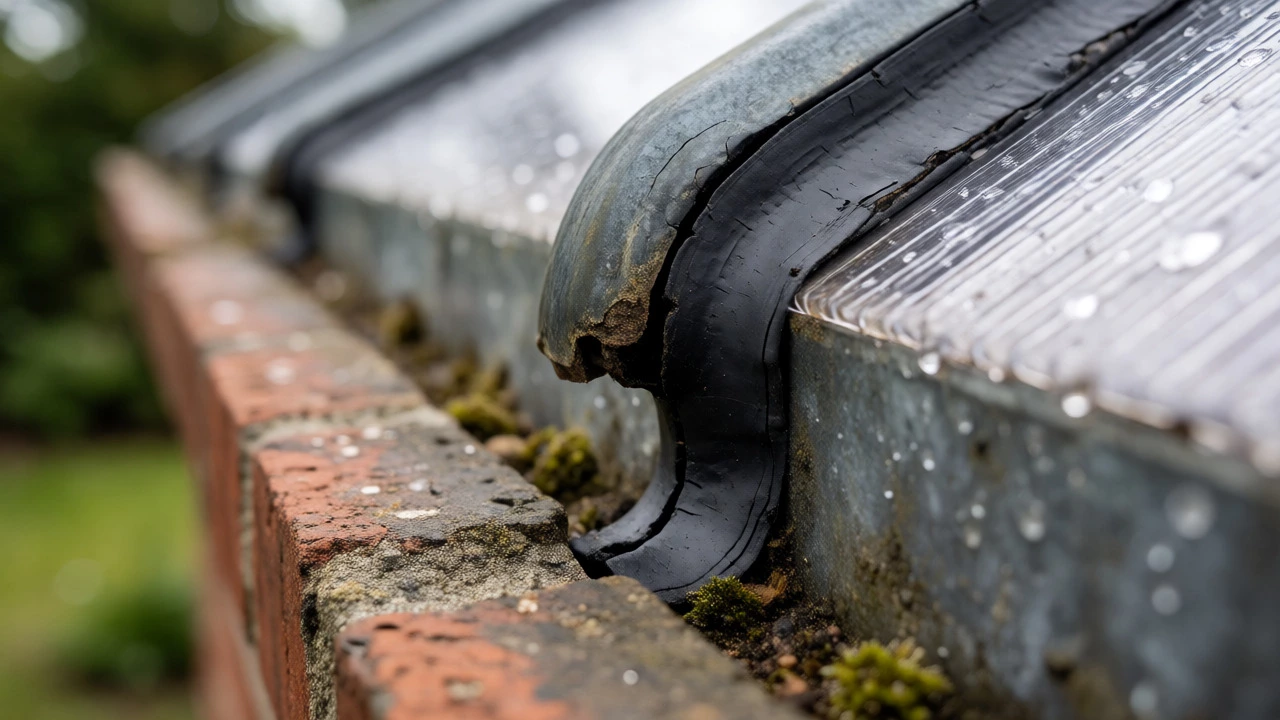
Inspect the flashings. Every spring, look at the lead or uPVC flashing where the orangery meets the house. Lead expands in heat and shrinks in cold. Over decades, it can crack. A specialist can apply a liquid rubber coating to extend its life without full replacement.
When Design Choices Matter
If you are planning a new build or renovation, your design choices dictate leak risk. Modern orangeries use engineered systems with integrated drainage channels that hide unsightly gutters. Older designs often exposed these, leading to quicker clogging.
Consider a tiled roof option if you struggle with overheating and leaks. Tiled roofs are generally more watertight because they shed water like a standard house roof. They also offer better insulation, reducing the condensation issue entirely. The trade-off? Less natural light. Some people accept darker interiors for peace of mind.
Another trend is the use of self-cleaning glass. A titanium dioxide coating breaks down organic dirt with sunlight and helps rain wash it away. While not cheap upfront, it reduces the frequency of dangerous ladder work, which is where many accidental damages occur.
Troubleshooting Specific Scenarios
It only leaks when the wind blows from the west. This suggests a problem with the side elevation or the gutter overflow capacity. Wind-driven rain hits the vertical surfaces and finds gaps in the cladding or window frames, not necessarily the top roof.
Water drips from the center of the roof. Likely a failed seal in a central panel or a cracked pane. If it’s a lantern roof, check the apex cap. Many lanterns have a decorative finial that hides a screw hole; if that washer perishes, water runs straight down the center pole.
The leak stops when it rains but starts again days later. This is tricky. It could be trapped water draining slowly from a blocked cavity. Check the internal gutters again; sometimes a partial blockage allows slow drainage that appears delayed.
Frequently Asked Questions
Are orangery roofs noisier in the rain than regular roofs?
Yes, especially if they are made of polycarbonate or single-glazed glass. Rain hitting a hard, thin surface creates significant noise. Double-glazed units help reduce sound transmission. Adding blinds or curtains can also dampen the noise indoors. If noise bothers you, acoustic-rated glazing is a premium upgrade worth considering during installation.
How long does silicone sealant last on an orangery roof?
High-quality neutral-cure silicone typically lasts 10 to 15 years in the UK climate. Exposure to direct sunlight and extreme temperature fluctuations accelerates aging. Signs of failure include cracking, shrinking, or discoloration. Regular inspections every few years can identify failing sections before they cause major leaks.
Can I walk on my orangery roof to fix a leak?
Proceed with extreme caution. Polycarbonate sheets can crack under foot traffic if not supported by battens underneath. Glass panels may slip or shatter. Always use a roof ladder with spreader bars to distribute weight evenly. If unsure, hire a professional who has safety harnesses and experience with fragile roof structures.
Does insurance cover orangery roof leaks?
Most home insurance policies cover sudden accidental damage, such as storm damage or impact from falling branches. However, gradual wear and tear, like deteriorating sealants or rusted flashings, is often excluded. Check your policy wording carefully. Regular maintenance records can support claims if you can prove the leak was caused by a specific event rather than neglect.
What is the best material for preventing orangery roof leaks?
No single material is leak-proof forever, but tiled roofs generally offer superior long-term reliability compared to glass or polycarbonate because they mimic traditional roofing techniques. Among glazed options, double-glazed units with thermally broken aluminum frames provide the best balance of durability, insulation, and aesthetic appeal, provided the installation includes proper drainage systems.