Organic Garden Fertilizer Timing Calculator
When to Fertilize Your Organic Garden
This tool helps you determine the best time to apply organic fertilizers based on your garden's current season and plant types. Remember: less frequent is better with organic fertilizers—they work through soil biology, not immediate nutrient release.
Your Application Recommendation
Select season, plant type, and soil test to see recommendations
If you’re growing vegetables, herbs, or flowers the organic way, you’re probably wondering: how often should I fertilize my organic garden? It’s not like buying a bag of synthetic quick-fix powder and dumping it on the soil. Organic gardening works with nature, not against it-and that means timing, patience, and understanding what your plants really need.
Organic Fertilizers Don’t Work Like Chemical Ones
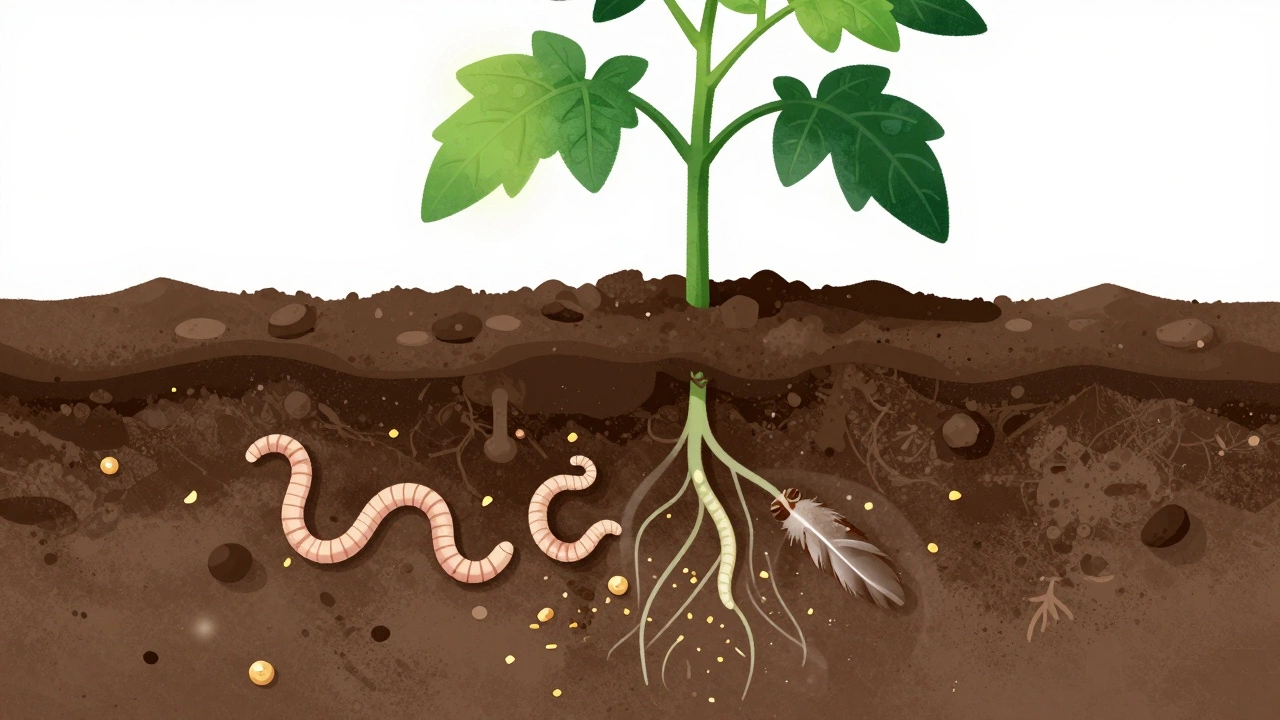
Synthetic fertilizers dump nitrogen, phosphorus, and potassium straight into the soil. Plants gulp it down fast, but the soil doesn’t get stronger. Organic fertilizers? They feed the soil first. Microbes, fungi, worms-they break down compost, fish emulsion, bone meal, or seaweed over weeks. Only then do plants get access to nutrients. That’s why you can’t just slap on organic fertilizer every two weeks and expect miracles.
Think of it like cooking a slow stew instead of microwaving a meal. The flavor builds. The nutrients become available gradually. If you overfeed, you risk burning roots, leaching nutrients into groundwater, or inviting pests. Underfeed, and your plants struggle. The sweet spot? Less frequent, but smarter.
When to Apply Organic Fertilizer: A Seasonal Guide
There’s no one-size-fits-all answer, but here’s what works in real gardens across the UK, especially in places like Brighton where winters are mild and springs are wet.
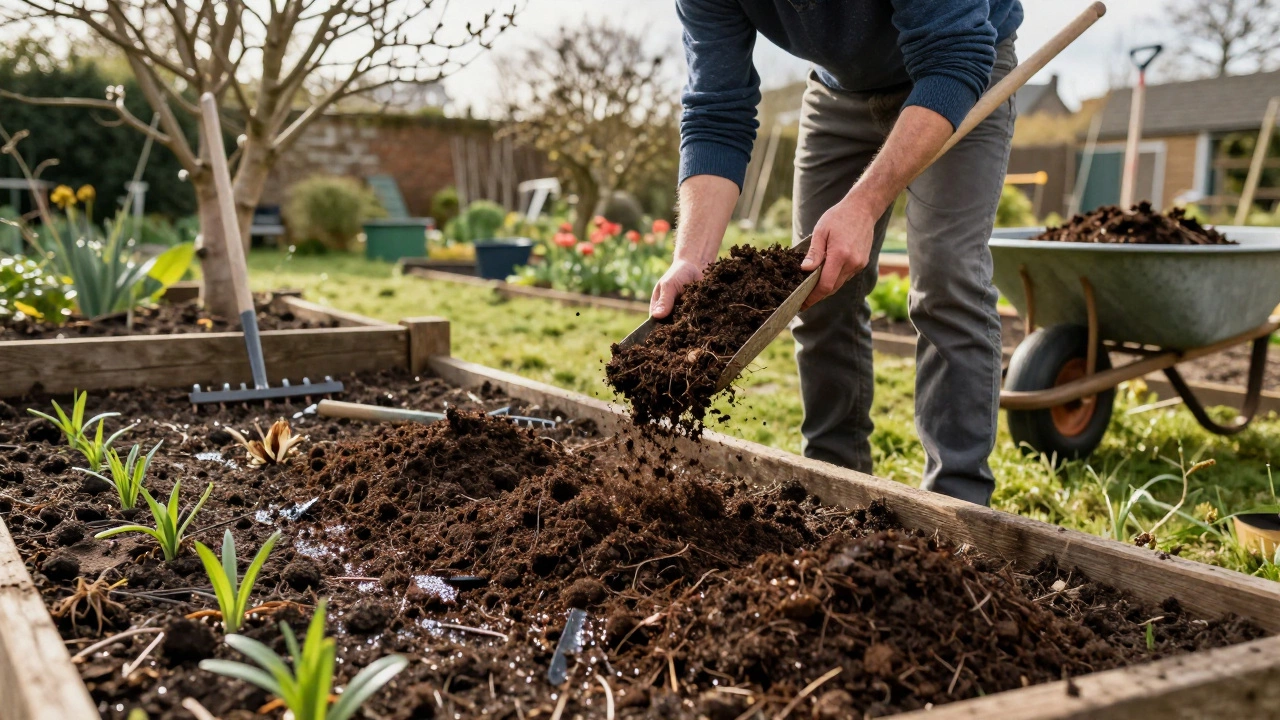
- Early spring (March-April): This is your main feeding window. As soil warms up and plants start growing, spread a 1-2 inch layer of well-rotted compost or aged manure across beds. Mix it lightly into the topsoil. This gives a slow, steady release of nutrients for the whole growing season.
- Mid-spring (May): If you’re planting heavy feeders like tomatoes, cabbages, or squash, side-dress them with a handful of blood meal or feather meal around the base. These are high in nitrogen and release slowly over 6-8 weeks.
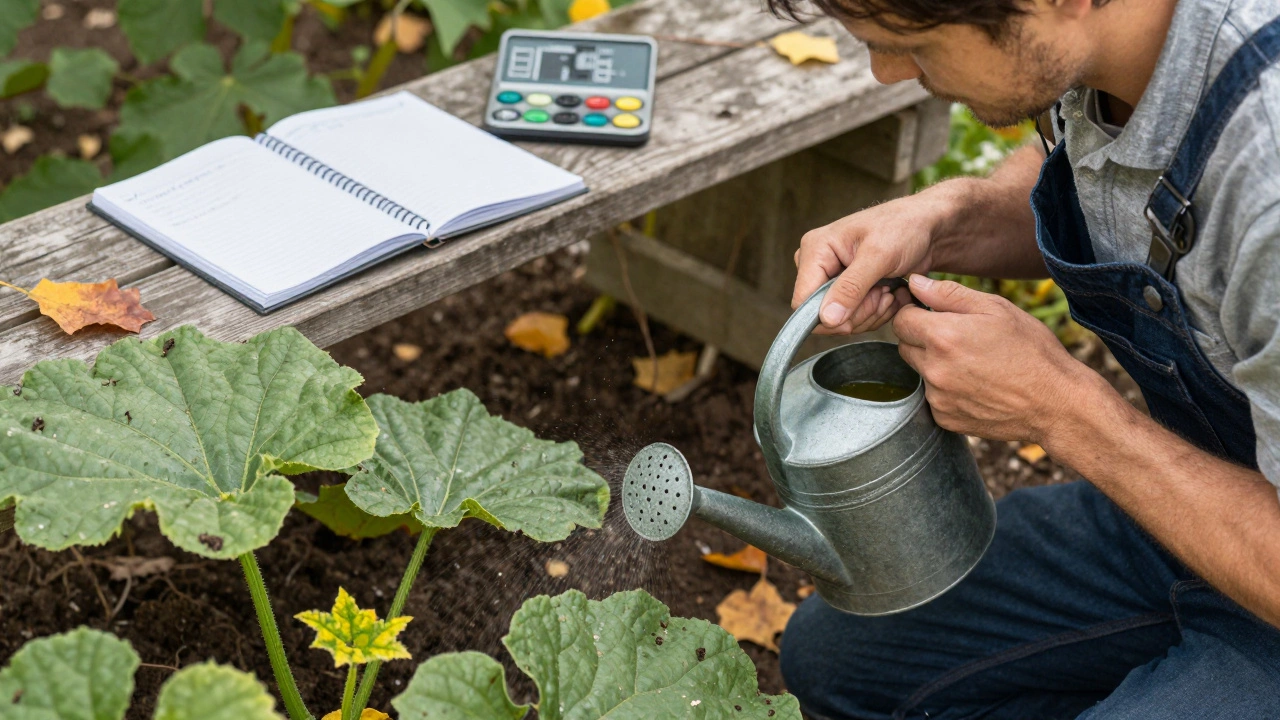
- Early summer (June-July): For continuous growers like peppers or zucchini, a liquid feed of seaweed extract or compost tea every 3-4 weeks helps. It’s not a fertilizer-it’s a nutrient boost. Use it as a foliar spray or pour it at the base. Don’t overdo it. Too much liquid feed can encourage leafy growth instead of fruit.
- Late summer (August): Stop heavy feeding. Plants are shifting energy from growth to ripening. A light application of bone meal or rock phosphate can help fruit and root development without pushing new leaves.
- Fall (October-November): No fertilizer needed. Instead, lay down mulch or cover crops. Let the soil rest. Microbes are still active in cooler weather, breaking down last season’s leftovers. This builds long-term fertility.
What Your Plants Are Telling You
Plants don’t lie. If they’re hungry, they show it. Yellowing lower leaves? Classic nitrogen deficiency. Stunted growth? Could be phosphorus. Purple stems? Might need more potassium. But don’t jump to feed right away.
First, check your soil. Is it crumbly and dark? Does it smell earthy? That’s good. If it’s hard, pale, or smells sour, you’ve got a bigger issue than nutrient lack-it’s a living soil problem. In that case, compost and mulch are better fixes than any fertilizer.
Here’s what healthy organic garden plants look like:
- Dark green leaves without spots or curling
- Sturdy stems that don’t flop over
- Consistent growth-not too fast, not too slow
- Flowers or fruit forming on time
If you see those, you’re doing fine. No need to fertilize. If you see problems, look at the whole picture: sunlight, water, drainage, pests. Nutrient fixes are the last step, not the first.
Best Organic Fertilizers for Different Needs
Not all organic fertilizers are equal. Here’s what works best, based on real garden results:
| Fertilizer | N-P-K Ratio | Best For | Release Time |
|---|---|---|---|
| Well-rotted compost | 1-1-1 | General soil improvement | 3-6 months |
| Bone meal | 3-15-0 | Root crops, bulbs, flowering plants | 2-4 months |
| Blood meal | 12-0-0 | Leafy greens, brassicas | 4-6 weeks |
| Feather meal | 12-0-0 | Long-term nitrogen boost | 6-8 months |
| Seaweed extract | 0-0-1 | Stress relief, foliar feed | Immediate (but short-lived) |
| Compost tea | Varies | Quick nutrient boost, disease suppression | 1-2 weeks |
Don’t mix and match unless you know what you’re doing. Too much nitrogen early on? Your tomatoes will grow leaves like crazy-but no fruit. Too much phosphorus? It binds up in the soil and becomes useless. Stick to one or two types per season.
What to Avoid
Just because it’s labeled “organic” doesn’t mean it’s safe to overuse.
- Chicken manure fresh from the coop: Too hot. Burns roots. Always compost it for at least 6 months.
- Excessive compost tea: More than once every 2 weeks invites fungal issues. Less is more.
- “All-in-one” organic blends: They often contain hidden synthetic additives. Read labels. If it lists “ammonium sulfate” or “urea,” it’s not truly organic.
- Fertilizing during drought: Nutrients won’t move in dry soil. Water first, then feed.
Soil Testing: The Real Secret
Most gardeners guess. The best ones test. You don’t need a lab. A simple home test kit (around £15 online) tells you pH, nitrogen, phosphorus, and potassium levels. Do it once a year-preferably in early spring before planting.
In Brighton, most soils are slightly acidic. That’s fine for potatoes and blueberries, but not for peas or beans, which prefer neutral pH. If your test shows low phosphorus, add bone meal. If nitrogen is low, use feather meal. If it’s balanced? You don’t need anything.
One gardener I know in Hove tests every year. She’s been growing the same beds for 12 years. Her soil is richer than most people’s compost heaps. She only fertilizes twice a year-and gets more food than her neighbors who feed every month.
Long-Term Strategy: Build Soil, Not Just Plants
The goal isn’t to feed your plants every few weeks. The goal is to build soil so rich that feeding becomes optional.
Here’s how:
- Always mulch with straw, leaves, or grass clippings. It keeps moisture in, suppresses weeds, and slowly feeds microbes.
- Grow cover crops in fall-clover, vetch, or rye. They fix nitrogen and prevent erosion.
- Rotate crops. Don’t plant tomatoes where you grew peppers last year. It keeps nutrients balanced.
- Save your kitchen scraps. Even if you don’t compost, layer them under mulch. They break down naturally.
After 3-4 years of this, your soil will hold water like a sponge, smell like forest floor, and support plants with almost no added fertilizer. That’s the real win of organic gardening.
FAQ
Can I fertilize my organic garden every week?
No. Weekly feeding, even with organic products, overwhelms soil microbes and can burn roots. Most organic fertilizers release nutrients over weeks or months. Feed every 4-6 weeks at most, and only if your plants show signs of needing it.
Is compost enough, or do I need other fertilizers?
For many gardens, yes-compost is enough. But if you’re growing heavy feeders like corn, squash, or tomatoes, you may need extra nitrogen or phosphorus. Use bone meal for roots, blood meal for leaves. Compost is your base; other fertilizers are supplements.
When should I stop fertilizing before harvest?
Stop all liquid feeds 2-3 weeks before harvest. For solid fertilizers like bone meal, stop by mid-summer. This ensures nutrients are absorbed and not sitting in the plant when you pick it. It also improves flavor and reduces risk of contamination.
Do I need to fertilize in winter?
No. Soil microbes slow down in cold weather, and plants are dormant. Instead of fertilizing, add mulch or plant cover crops. This protects the soil and prepares it for next spring’s growth.
What’s the cheapest way to fertilize organically?
Compost your kitchen scraps and grass clippings. Use fallen leaves as mulch. Collect rainwater and add compost tea made from your own pile. The cheapest fertilizer is the one you make yourself-zero cost, zero waste.
Next Steps
Start simple. This spring, spread a 2-inch layer of compost over your beds. Don’t add anything else. Watch how your plants grow. Next year, try a soil test. Then, if needed, add one targeted organic fertilizer. You’ll learn more from observing than from following a rigid schedule.
Organic gardening isn’t about timing-it’s about listening. Your soil talks. Your plants answer. You just have to pay attention.