Backyard Zone Planner & Organizer
Select the zones you want to include in your backyard design. We'll generate a customized organization plan and maintenance checklist for you.
Your Custom Backyard Plan
Recommended Storage Solutions:
Weekly Maintenance Checklist:
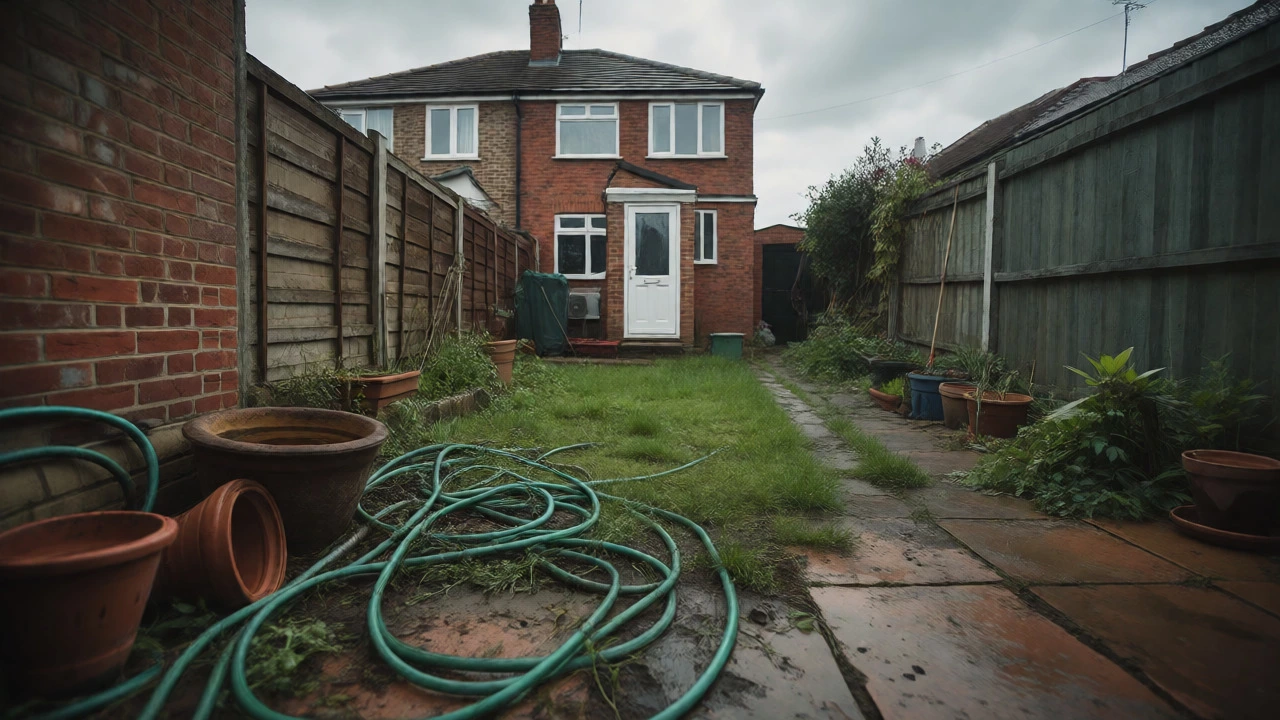
You know that feeling when you step outside, look at the tangled hose, the pile of pots you meant to sort three months ago, and the patchy grass, and you just sigh? It’s not that you don’t love your backyard is an outdoor area adjacent to a house, often used for recreation, gardening, or relaxation. It’s that it feels like a chore rather than a retreat. Here’s the truth: an organized backyard isn’t about perfection. It’s about flow. It’s about knowing where things are so you can actually use the space instead of cleaning around it.
If you’re in Brighton or anywhere with similar temperamental weather, you know the struggle of limited sunlight and damp patches. But whether you have a tiny courtyard or a sprawling lawn, the principles of garden design is the art and process of planning and creating outdoor spaces that are functional, aesthetically pleasing, and sustainable. remain the same. You need zones. You need storage solutions that actually work. And you need a plan that fits how you live, not how Instagram says you should live.
Zoning: The First Step to Sanity
Before you buy a single pot or lay down a paver, stop and think. What do you actually want to do out there? Most people try to cram too many functions into one space. You end up with a dining table that doubles as a plant stand, which doubles as a tripping hazard.
Start by dividing your yard into distinct zones is specific areas within a garden designated for particular activities such as dining, relaxing, growing, or storing.. Think of them like rooms in a house, but without walls. If you have a small space, these zones might overlap slightly, but they need clear boundaries.
- The Social Zone: This is where you eat, drink, and host friends. Keep this close to the kitchen door if possible. No one wants to carry plates across a muddy field.
- The Green Zone: This is for your plants. Whether it’s raised beds or pots, keep the messy stuff here. Soil spills happen. Let them happen in one place.
- The Utility Zone: Where does the mower go? Where do you store the compost bin? Hide these unsightly necessities behind a trellis or in a shed.
- The Quiet Zone: A bench under a tree, a hammock, or just a patch of sun. This is for reading, thinking, or doing absolutely nothing.
Why does this matter? Because when everything has a home, you stop moving things around randomly. You stop having "pile creep." You start enjoying the view because the visual clutter is gone.
Storage Solutions That Don’t Look Like Junk
Here’s a hard pill to swallow: most garden sheds are black holes. You throw things in, and they disappear until you desperately need them six months later. For a truly organized backyard, you need accessible, smart storage.
If you don’t have room for a shed, look at vertical storage is a method of organizing items using wall space to maximize floor area and improve accessibility.. Fence panels aren’t just for privacy; they’re pegboards waiting to happen. Install hooks for tools, shelves for seed trays, and rails for hanging baskets. This keeps the ground clear, which means easier mowing and fewer snail highways.
| Storage Type | Best For | Space Requirement | Cost Estimate (UK) |
|---|---|---|---|
| Shed | Bulk tools, lawnmowers, bulky furniture | High (needs foundation) | £300 - £1,500+ |
| Deck Box | Cushions, smaller tools, toys | Low (sits on patio) | £80 - £250 |
| Vertical Wall System | Hand tools, hoses, light equipment | Minimal (uses fence/wall) | £50 - £150 |
| Ottoman Storage | Blankets, magazines, small cushions | Medium (furniture footprint) | £40 - £120 |
A pro tip from someone who has cleaned up more than a few disasters: label your bins. Use waterproof labels. Write what goes inside. "Tools" is vague. "Pruning Shears & Gloves" is specific. Future-you will thank present-you when you’re trying to find the secateurs in the rain.
Hardscaping: Defining the Edges
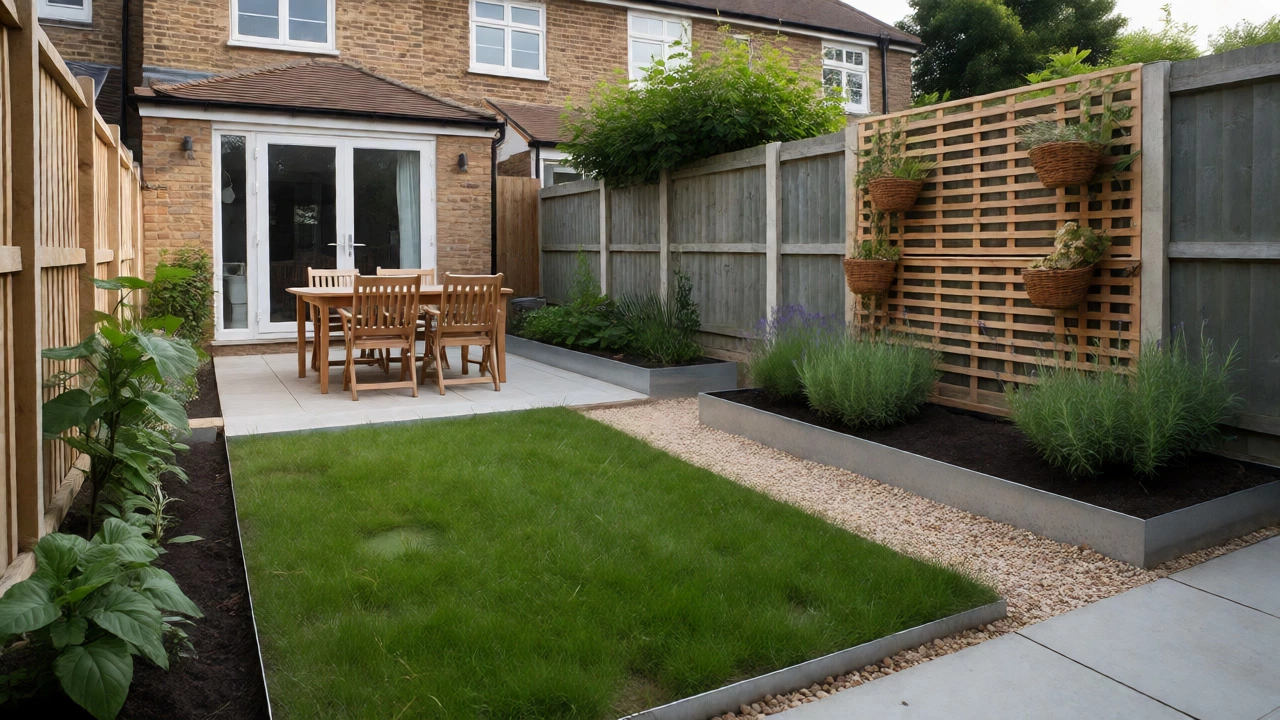
Nothing makes a yard look messier than undefined edges. Grass creeping onto the patio, mulch spilling onto the lawn-it creates visual noise. You need clear lines. This is where hardscaping comes in.
You don’t need expensive stone paving. Simple edging strips made of metal, plastic, or even recycled wood can make a massive difference. They create a crisp boundary between your lawn is an area of land covered with grass and other low-growing plants, maintained for aesthetic or recreational purposes. and your flower beds. It stops the roots from invading each other’s territory and makes mowing infinitely easier. You can run your mower right up to the edge without worrying about scalping the soil.
Pathways are another key element. If you walk the same route every day, put a path there. Stepping stones, gravel, or bark chips define movement. Without a path, people wander aimlessly, trampling plants and compacting the soil. A defined path tells guests where to walk, protecting your greenery while guiding them toward the social zone.
Plant Selection for Low Maintenance
Let’s be honest: nobody wants to spend every weekend pruning. If you want an organized look, choose plants that behave themselves. Avoid species that spread aggressively unless you contain them. Mint, for example, is a great herb but a terrible neighbor if left unchecked. Plant it in a pot sunk into the ground, not directly in the bed.
Focus on native plants or those adapted to your local climate. In the UK, this means choosing varieties that thrive in damp, cool conditions. Lavender, rosemary, and sedum are tough, drought-tolerant once established, and require minimal fuss. They also attract pollinators, which adds life to the space without adding work.
Consider layering your planting. Tall shrubs at the back, medium bushes in the middle, and ground cover at the front. This structure hides bare soil, reduces weeds, and looks intentional. Random planting looks chaotic; layered planting looks designed.
Lighting: Extending the Usable Hours
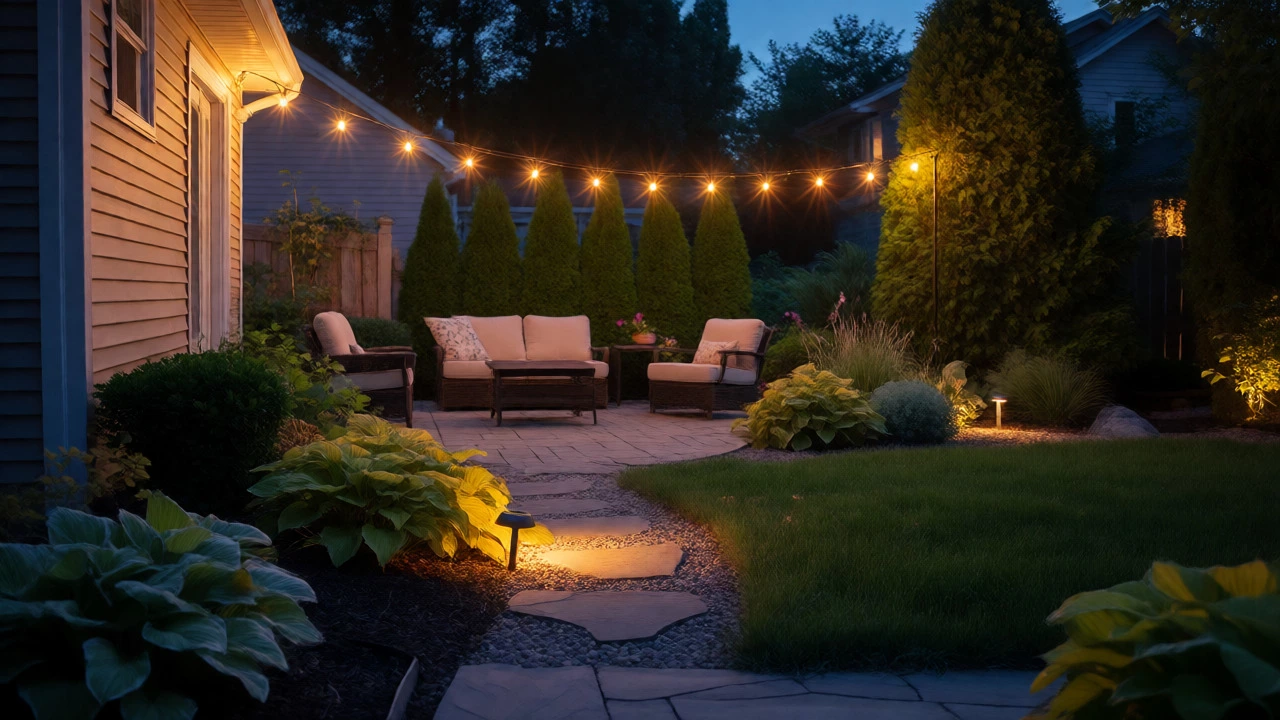
An organized backyard isn’t just about daytime tidiness. It’s about usability after dark. Poor lighting makes a clean space feel unsafe and unwelcoming. You don’t need floodlights. You need warmth and direction.
Use solar-powered lights for pathways. They’re cheap, easy to install, and charge during the day. Place them low to the ground to highlight the path without causing glare. For the social zone, string lights or lanterns create a cozy atmosphere. They draw attention to the seating area and distract from any minor imperfections in the garden layout.
Think about task lighting too. If you cook outdoors, ensure the grill area is well-lit. If you read, put a spot near your chair. Functional lighting helps you maintain the space. You can see what you’re picking up, what you’re watering, and where you’re stepping.
Maintenance Routines That Stick
Organization decays without maintenance. You don’t need a complex schedule, but you do need habits. Make cleanup part of the activity, not a separate chore.
Keep a bucket by the patio door. When you come inside, toss empty pots, gloves, and prunings into it. Once full, take it to the compost or recycling. This prevents the "let me just put this down for now" syndrome, which leads to piles.
Spend ten minutes every Sunday resetting the space. Wipe down the table, sweep the patio, check for fallen branches. It’s a small investment that pays off in daily peace of mind. Remember, an organized backyard is a living thing. It changes with the seasons. Adjust your zones as needed. Maybe in summer, the shade moves, so your quiet zone shifts. That’s fine. Flexibility is part of good design.
How much space do I need for a functional backyard?
You don't need acres. Even a 3x3 meter patio can be functional if zoned correctly. Use vertical space for plants and multi-purpose furniture to maximize utility in small areas.
What is the cheapest way to organize a messy backyard?
Declutter first. Remove anything broken or unused. Then, invest in simple edging to define spaces and use existing fences for vertical storage. These steps cost little but yield high visual impact.
How do I hide ugly bins and tools?
Use lattice screens, tall ornamental grasses, or dedicated storage benches. Position these items away from primary sightlines, perhaps near the side gate or behind a hedge.
Can I organize my backyard without landscaping skills?
Absolutely. Focus on tidiness, clear paths, and basic zoning. You don't need professional hardscaping to enjoy a neat space. Simple steps like weeding, sweeping, and labeling bins make a huge difference.
What plants are best for low-maintenance UK gardens?
Choose native or hardy perennials like lavender, sedum, ferns, and heuchera. They tolerate UK weather, resist pests, and require minimal pruning compared to exotic species.