Houseplant Rescue Diagnostic Tool
Don't guess—diagnose. Answer the questions below about your plant's condition to get a tailored rescue plan.
You come home from work, drop your keys on the counter, and glance at that pothos on the shelf. It’s not just drooping; it looks defeated. The leaves are yellow, the soil is either bone-dry or suspiciously muddy, and you’re convinced you’ve finally killed it. But here’s the truth: most plants don’t die because they’re fragile. They die because we panic and do the wrong thing next.
Reviving a dying houseplant is rarely about magic potions or expensive fertilizers. It’s about playing detective. You need to identify whether the culprit is thirst, drowning, light starvation, or root disease. Once you know the enemy, the fix is usually simple, cheap, and surprisingly effective. Let’s walk through exactly how to bring that sad green friend back from the brink.
Diagnose Before You Act
The biggest mistake people make is guessing. You see yellow leaves and think "more water!" but the problem might be too much water. Or you see brown tips and assume low humidity, when it’s actually salt buildup from tap water. Before you touch anything, grab a notebook or use your phone notes app. Write down what you see.
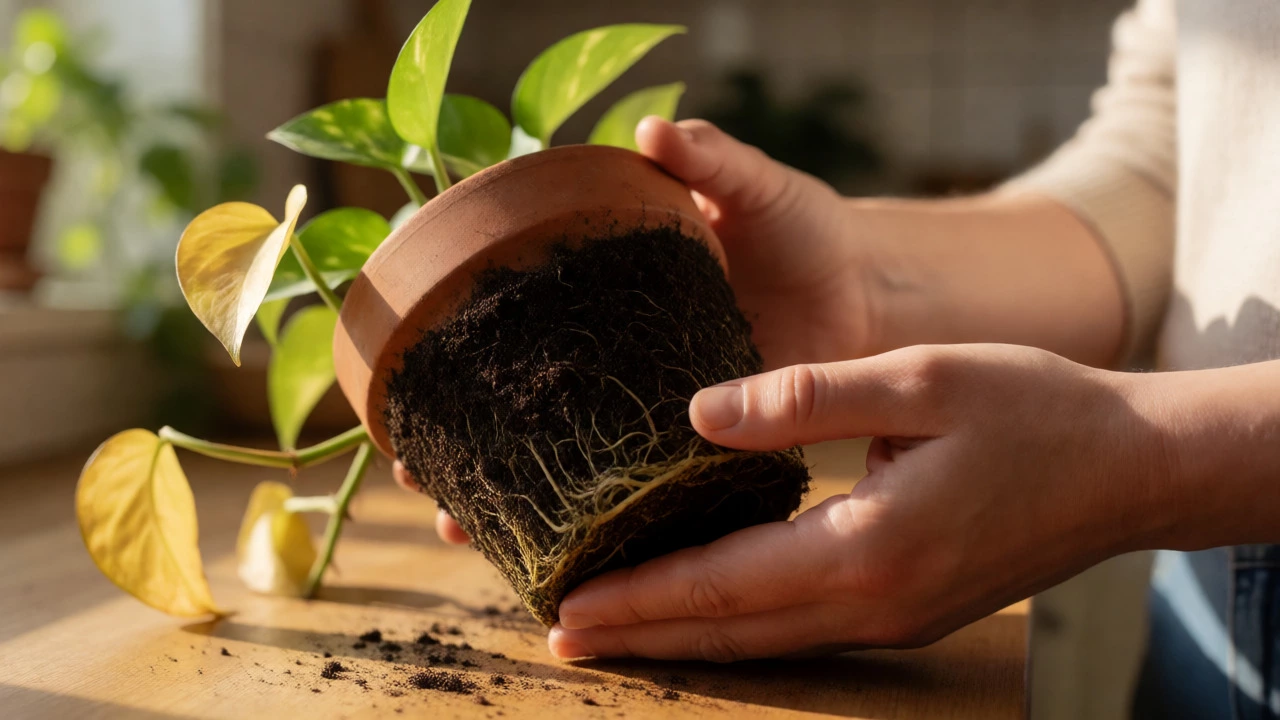
Start with the soil. Stick your finger an inch into the pot. Is it wet? Dry? Crumbly? If it’s wet and smells like a swamp, you have a drainage issue or overwatering. If it’s dry and pulling away from the sides of the pot, it’s thirsty. Next, look at the roots if possible. Gently tip the plant out of its pot. Healthy roots are firm and white or light tan. Rotten roots are mushy, dark brown, and smell bad. This single check tells you 80% of what you need to know.
Consider the environment, too. Has the plant been sitting in direct sun for weeks? That causes scorch marks. Is it near a drafty window in winter? That causes leaf drop. Did you recently repot it? Then it’s likely suffering from transplant shock, which is temporary and usually resolves itself if you stop fussing over it.
Fixing Overwatering and Root Rot
If your houseplant has mushy stems and blackened leaves, you’re likely dealing with root rot, a fungal infection caused by waterlogged soil. This is the number one killer of indoor plants, especially succulents and tropicals like Monstera.
Here’s the emergency protocol:
- Stop watering immediately. Do not give it another drop until the soil dries out completely.
- Unpot the plant. Shake off as much old soil as you can without damaging the root ball.
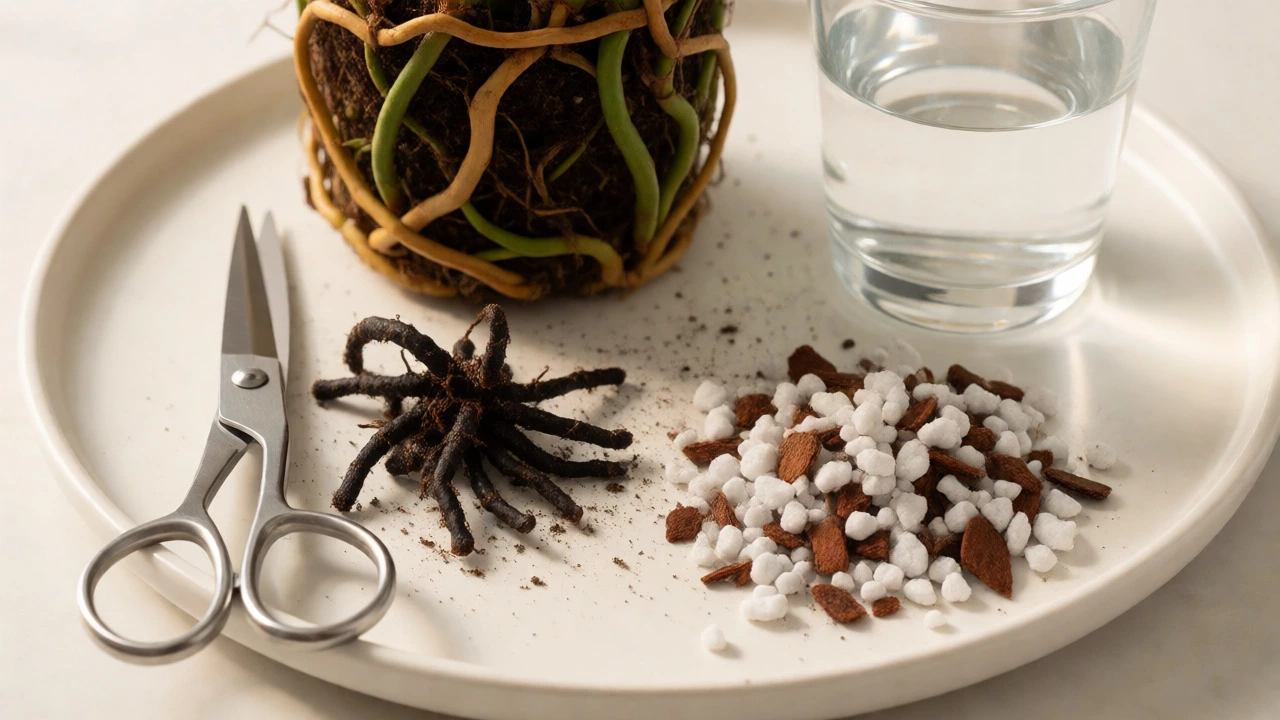
- Trim the damage. Use sterilized scissors (wipe them with rubbing alcohol) to cut away any mushy, black, or smelly roots. Cut back to healthy tissue. Don’t be shy; if it’s rotten, it’s dead weight.
- Re-pot in fresh mix. Use a well-draining potting mix. For most houseplants, add perlite or orchid bark to standard potting soil to increase airflow around the roots.
- Use a clean pot with drainage holes. If you reuse the old pot, scrub it with soap and hot water to kill fungal spores.
After re-potting, place the plant in bright, indirect light. Do not fertilize. Fertilizer burns stressed roots. Wait at least four to six weeks before feeding again.
Saving Thirsty Plants
Underwatering is easier to spot but harder to reverse if the plant has been dry for too long. Signs include crispy brown edges, wilting despite soil being dry, and leaves feeling paper-thin. When soil gets too dry, it becomes hydrophobic-it literally repels water. Pouring water on top just runs down the sides and out the bottom, never reaching the center where the roots live.
To fix this, skip the watering can. Instead, try the soak method. Fill a sink or bucket with room-temperature water. Submerge the entire pot up to the rim. Let it sit there for 15-30 minutes. You’ll see bubbles escape-that’s air leaving the dry soil pockets. Once the bubbling stops and the soil feels heavy, lift it out and let it drain thoroughly. This ensures every root gets hydrated.
If the leaves are still wilted after soaking, trim the worst offenders. A plant can’t support all its leaves if its root system is compromised. Removing 20-30% of the foliage reduces stress and helps the plant focus energy on recovery.
Light and Temperature Shocks
Sometimes the plant isn’t sick; it’s just unhappy with its location. Sudden changes in light or temperature cause shock, leading to leaf drop. If you moved a fern from a bathroom (high humidity, low light) to a sunny living room window, it will panic.
Don’t move it back and forth. Pick a stable spot with appropriate light levels and leave it alone. Most plants take two to three weeks to acclimate. During this time, avoid misting if the air is cold, as wet leaves in cool drafts invite fungal issues. If your home is very dry due to heating or AC, group plants together to create a microclimate of higher humidity, or use a pebble tray filled with water under the pots.
Nutrient Deficiencies vs. Pests
If the soil is perfect, light is good, and roots are healthy, but the plant still looks weak, check for pests or nutrient issues. Look closely at the undersides of leaves. Tiny webbing means spider mites. Sticky residue suggests scale or mealybugs. Small flying insects indicate fungus gnats, which thrive in moist soil.
For pests, isolate the plant immediately so bugs don’t spread to your other greens. Treat with neem oil or insecticidal soap, applying it directly to the affected areas. Repeat every seven days for three weeks to catch newly hatched eggs.
Nutrient deficiencies show up as specific patterns. Yellowing between veins often means iron deficiency. Pale green new growth suggests nitrogen lack. However, don’t rush to fertilize. In fact, hold off on fertilizer for any recovering plant. Feeding a stressed plant is like forcing a marathon runner to eat a steak while they’re vomiting. It creates more waste the body has to process. Wait until you see new, healthy growth before introducing a diluted liquid fertilizer.
| Symptom | Likely Cause | Immediate Action |
|---|---|---|
| Yellow lower leaves, soft stem | Overwatering / Root Rot | Unpot, trim roots, repot in dry mix |
| Crispy brown tips, dry soil | Underwatering / Low Humidity | Deep soak, trim damaged leaves |
| Pale, leggy growth | Insufficient Light | Move closer to window, prune leggy stems |
| Leaf drop, no color change | Temperature Shock / Drafts | Stabilize location, remove drafts |
| Webbing, tiny spots | Spider Mites | Isolate, spray with neem oil |
When to Give Up (And When Not To)
Is there a point of no return? Yes, but it’s rarer than you think. If the main stem is completely mushy and black all the way down to the soil line, the vascular system is gone. No amount of care will bring it back. However, if even a small section of the stem is firm and green, you can save it.
Try propagation. Cut the healthy top portion of the plant. Remove the lower leaves. Place the cutting in water or damp sphagnum moss. Many common houseplants-pothos, philodendron, snake plant, jade plant-will grow new roots from a single healthy node. You might lose the original root system, but you save the genetics.
Remember, patience is key. Recovery isn’t overnight. A severely stressed plant might look worse before it looks better as it sheds old, damaged leaves to conserve energy. As long as you see signs of new growth-even a tiny bud-you’re winning.
Can I save a plant with completely brown leaves?
Yes, if the stems are still green and firm. Brown leaves are dead tissue and won't turn green again, but the plant can push out new growth. Trim the brown leaves off carefully, adjust your care routine based on the diagnosis (usually fixing watering habits), and wait for new shoots to appear.
Should I fertilize my dying plant?
Generally, no. Fertilizing a stressed plant can burn its already compromised roots. Wait until the plant shows clear signs of recovery, such as new leaf production, before applying a half-strength liquid fertilizer.
How long does it take to revive a houseplant?
It depends on the severity. Mild underwatering can resolve in 24-48 hours. Root rot recovery can take several weeks to months. Expect visible improvement within 2-4 weeks if the root system is partially intact.
What is the best soil for reviving plants?
A chunky, well-draining mix is best. Mix equal parts high-quality potting soil, perlite, and orchid bark. This prevents water from sitting around the roots, which is crucial if root rot was the issue.
Does pruning help a dying plant?
Yes. Pruning removes damaged tissue that drains energy and reduces the surface area requiring hydration. Focus on removing dead, yellow, or pest-damaged leaves. Never remove more than one-third of the foliage at once.