Lawn Mowing Strategy Planner
Your Recommended Strategy
Mowing Specifications
--
Execution Steps
- 1 --
- 2 --
- 3 --
- 4 --
Most people grab their mower and start cutting without thinking about the route. They zigzag randomly, leave stripes of uneven height, or end up with piles of wet grass stuck in the middle of the yard. It looks messy, it stresses the turfgrass, which is the primary vegetation covering residential lawns, typically consisting of cool-season or warm-season species, and it wastes fuel. But there is a right way to do this. The order in which you mow isn’t just about aesthetics; it’s about efficiency, blade health, and the long-term vitality of your soil.
If you want a golf-course finish without hiring a pro, you need a strategy. This isn’t about guessing. It’s about following a logical path that keeps your mower running smoothly and your grass healthy. Here is exactly how to map out your mowing route for the best results.
Start with the Edges: Define Your Boundary First
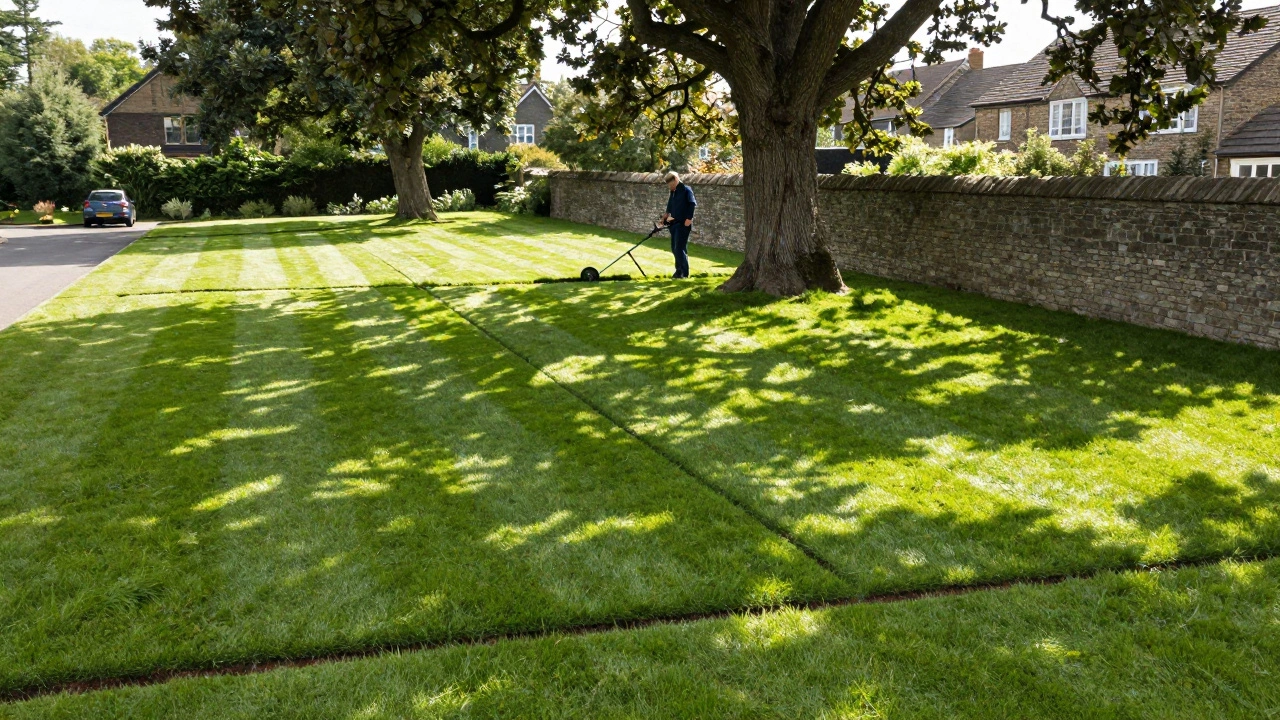
Before you even think about the main body of the lawn, look at the perimeter. Trees, flower beds, driveways, and fences create obstacles. If you try to mow around them while doing the main rows, you’ll spend half your time stopping, starting, and turning awkwardly. You’ll also risk scalping the grass near the edges where the ground might be uneven.
Use a string trimmer (also known as a weed eater) to clear these borders first. This creates a clean line and gives your mower plenty of room to maneuver later. Think of it like framing a painting. You define the edges before you fill in the center. This step takes extra time upfront but saves you frustration when you’re pushing the heavy machine across the yard.
- Trim along all hard surfaces like concrete and stone walls.
- Cut around tree trunks and large shrubs carefully to avoid damaging the bark.
- Clear any tall weeds or overgrown patches in corners that the mower deck can’t reach.
Once the edges are crisp, you have a defined workspace. Now you can focus on the open space without worrying about hitting a rose bush.
Choose Your Pattern: Alternating Directions Every Time
This is the most critical rule for a professional-looking lawn. Never mow in the same direction twice in a row. Grass has memory. If you always cut it north-to-south, the blades will lay flat in that direction permanently. Over time, this causes "thatch" buildup-dead organic matter that chokes the roots-and makes the lawn look dull and one-dimensional.
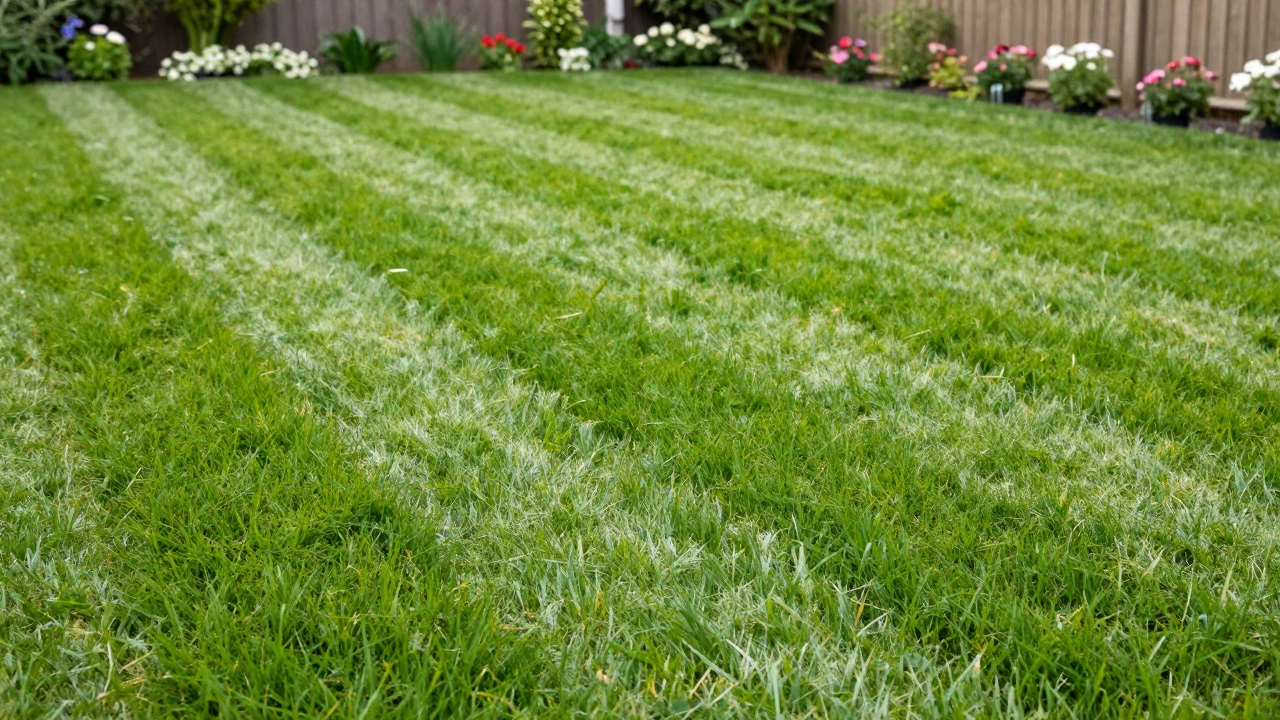
To fix this, change your mowing pattern every single time you go out. If you went east-to-west last week, go north-to-south this week. Next time, try diagonal lines. This technique, often called cross-mowing, serves two purposes:
- Aesthetics: It creates those beautiful striped patterns seen on sports fields because the light reflects differently off grass blades leaning in various directions.
- Health: It prevents the grass from matting down. By forcing the blades to stand upright again, you improve air circulation and sunlight penetration to the crown of the plant.
Stick to straight lines. Avoid random crisscrossing unless you are dealing with a very small patch. Straight lines help you keep track of where you’ve been and ensure you don’t miss spots.
Mow the Largest Open Areas First
After edging, turn on your lawn mower, which is a mechanical device used to cut grass to a uniform height, available in push, self-propelled, and riding varieties. Start with the biggest, most open section of your yard. Why? Because momentum matters. Whether you are using a gas-powered engine or an electric battery, maintaining a steady pace is more efficient than constant stops and starts.
When tackling large areas, overlap each pass slightly. Aim for about 2 to 3 inches of overlap. This ensures you catch the grass that leans away from the blade due to wind or previous cuts. If you skip this overlap, you’ll see thin, missed strips between your rows, which ruins the uniform look.
If your lawn has slopes, pay attention to safety. Always mow across the slope, not up and down. Mowing up and down increases the risk of slipping and losing control of the machine. If the hill is too steep for a standard mower, consider using a brush cutter or hiring a professional with specialized equipment.
Handle Obstacles and Small Patches Last
Once the main field is done, move to the trickier parts. These are the narrow strips between the house and the fence, the area around the mailbox, or the tight corner behind the garage. These spots require slow, careful maneuvering. Save them for last when you still have energy and focus. Trying to navigate tight spaces while you’re tired increases the chance of accidents or damage to your property.
For very narrow areas where the mower won’t fit, use a manual scythe or a handheld hedge trimmer. Don’t force the big machine into places it doesn’t belong. It’s inefficient and dangerous.
Manage Clippings: Mulch vs. Bagging
What you do with the grass clippings affects your next mowing session. In modern lawn care, the default should be mulching. Mulching means letting the finely chopped clippings fall back onto the lawn. This returns nitrogen and other nutrients to the soil, reducing the need for fertilizer. It also helps retain moisture.
However, there are times when you must bag the clippings. If the grass is excessively long-more than one-third of its current height-you should bag it. Leaving thick layers of clippings can smother the grass underneath, leading to disease and fungus. Similarly, if your lawn has visible weeds with seeds, bagging prevents those seeds from spreading and germinating in new spots.
| Action | Best For | Why |
|---|---|---|
| Mulching | Regular maintenance, short grass | Returns nutrients, reduces waste, saves time |
| Bagging | Overgrown grass, weedy lawns | Prevents smothering, stops weed spread |
Final Cleanup and Inspection
Before you put the mower away, walk the lawn. Look for missed spots, especially in shaded areas where growth might be slower or faster depending on the season. Check for any debris left behind, such as sticks or toys, that could have been missed during the initial sweep. A quick visual inspection ensures your hard work pays off with a pristine appearance.
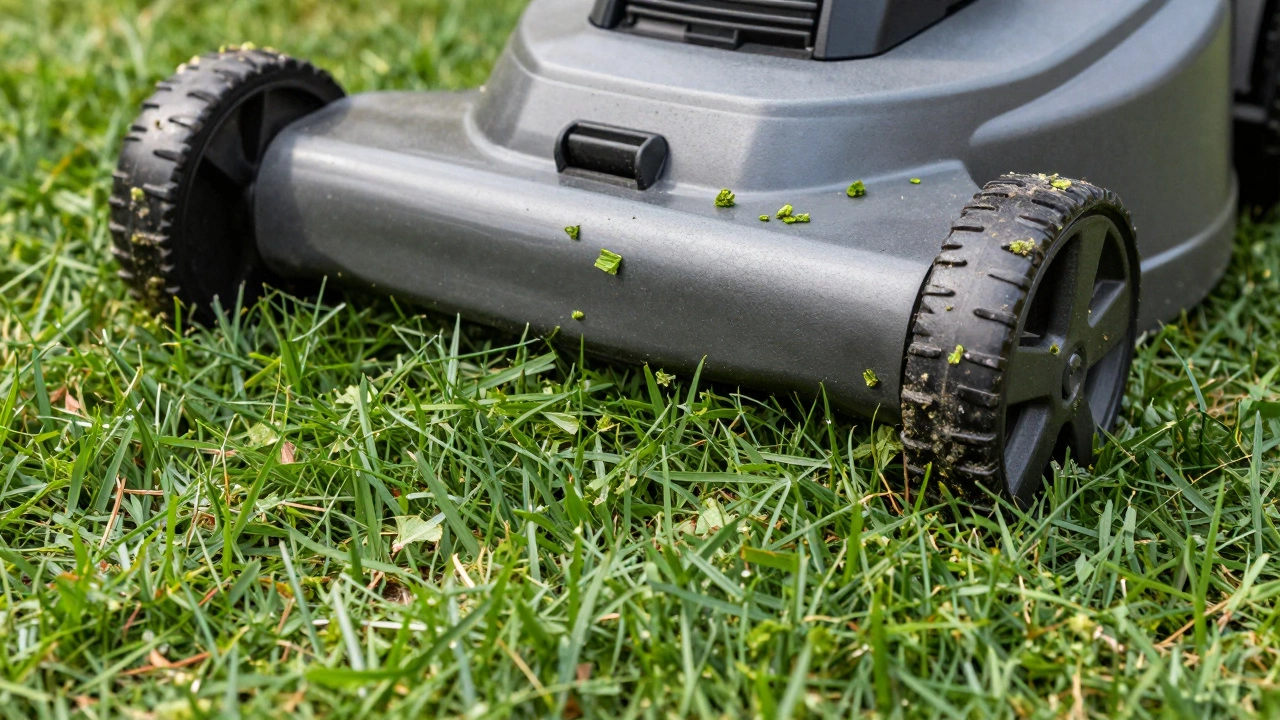
Also, take a moment to check your mower. Clean the underside of the deck to remove caked-on grass. A dirty deck promotes rust and can harbor diseases that transfer to your lawn next time. Sharpen your blades if they feel dull. A sharp blade cuts cleanly, while a dull blade tears the grass, leaving brown tips that make the lawn look unhealthy.
Seasonal Adjustments to Your Routine
The order remains largely the same, but the frequency and height settings change with the seasons. In spring, grass grows rapidly. You might need to mow every three to four days. Keep the blade height higher to encourage deep root growth. In summer, reduce frequency to once a week or less, depending on rainfall. Raise the height further to protect the grass from heat stress. In fall, lower the height gradually but never scalp the lawn. Scalping exposes the soil to erosion and allows weeds to take hold over winter.
Understanding these nuances turns a chore into a strategic maintenance task. You’re not just cutting grass; you’re managing an ecosystem.
Should I mow my lawn clockwise or counter-clockwise?
There is no strict rule for clockwise versus counter-clockwise mowing. The key is to alternate your direction each time you mow. Some people prefer clockwise for consistency, but changing the axis (e.g., from horizontal to vertical) is more important than the rotational direction for grass health.
How often should I change my mowing pattern?
You should change your mowing pattern every single time you mow. This prevents grass blades from laying flat in one direction, reduces thatch buildup, and improves the overall appearance of the lawn by creating varied light reflection.
Is it better to mow in the morning or evening?
Late morning is generally best. Dew usually dries by then, making the grass easier to cut and preventing clumping. Mowing in the evening can leave clippings wet overnight, which may promote fungal growth. Early morning mowing can disturb neighbors with noise and may involve cutting wet grass.
Can I mow my lawn when it's raining?
No, you should avoid mowing wet grass. Wet grass clumps together, clogging the mower deck and leaving an uneven cut. It also poses a safety hazard, as wet grass is slippery, increasing the risk of falling. Additionally, wet conditions can cause the mower tires to tear up the turf.
How high should I set my mower blade?
Most common grass types thrive at a height of 2.5 to 4 inches. Taller grass develops deeper roots, making it more drought-resistant and competitive against weeds. Never remove more than one-third of the grass blade length in a single mowing session to avoid stressing the plant.