Organic Pest Control Finder
Select the pest or symptom you are seeing in your garden to get a natural solution:
Aphids
Curling/yellow leaves, sticky honeydew
Cabbage Worms
Irregular holes in broccoli/cabbage
Slugs & Snails
Silvery slime trails, ragged holes
General Health
Weak plants, recurring issues
Tackling Aphids
Quick Fix: Use a strong blast of water from the hose to knock them off.
Treatment: Apply Neem Oil or Insecticidal Soap (apply in the evening to avoid leaf burn).
Prevention: Plant Marigolds or Calendula to attract hoverflies, whose larvae eat aphids.
Managing Cabbage Worms
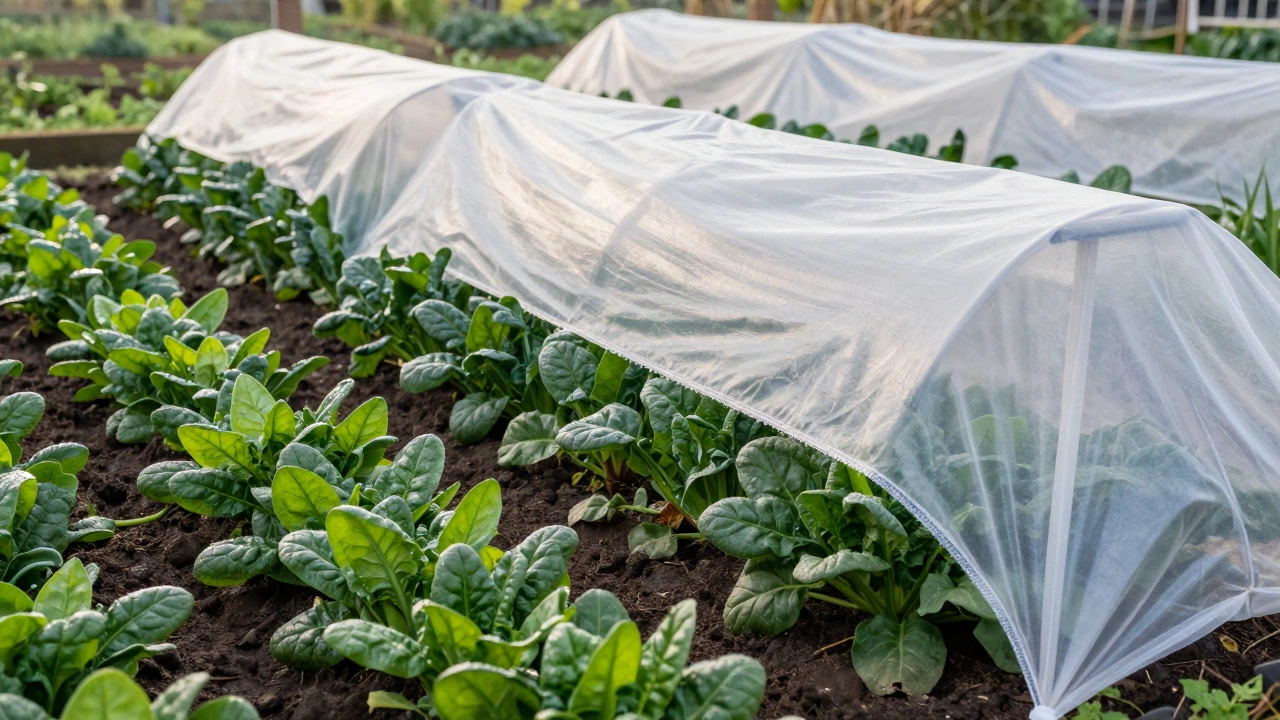
Barrier: Use Row Covers (breathable fabric) to prevent moths from laying eggs.
Treatment: Use B.t. (Bacillus thuringiensis), a natural bacteria toxin targeted specifically at larvae.
Tip: Check the underside of leaves weekly to catch them early.
Stopping Slugs & Snails
Physical Barrier: Apply Copper Tape around the rims of raised beds or pots.
Treatment: Sprinkle Diatomaceous Earth around the base of stems (avoid flowers where bees land).
Trap: Bury a small tuna can filled with beer flush with the soil surface.
Improving Plant Resilience
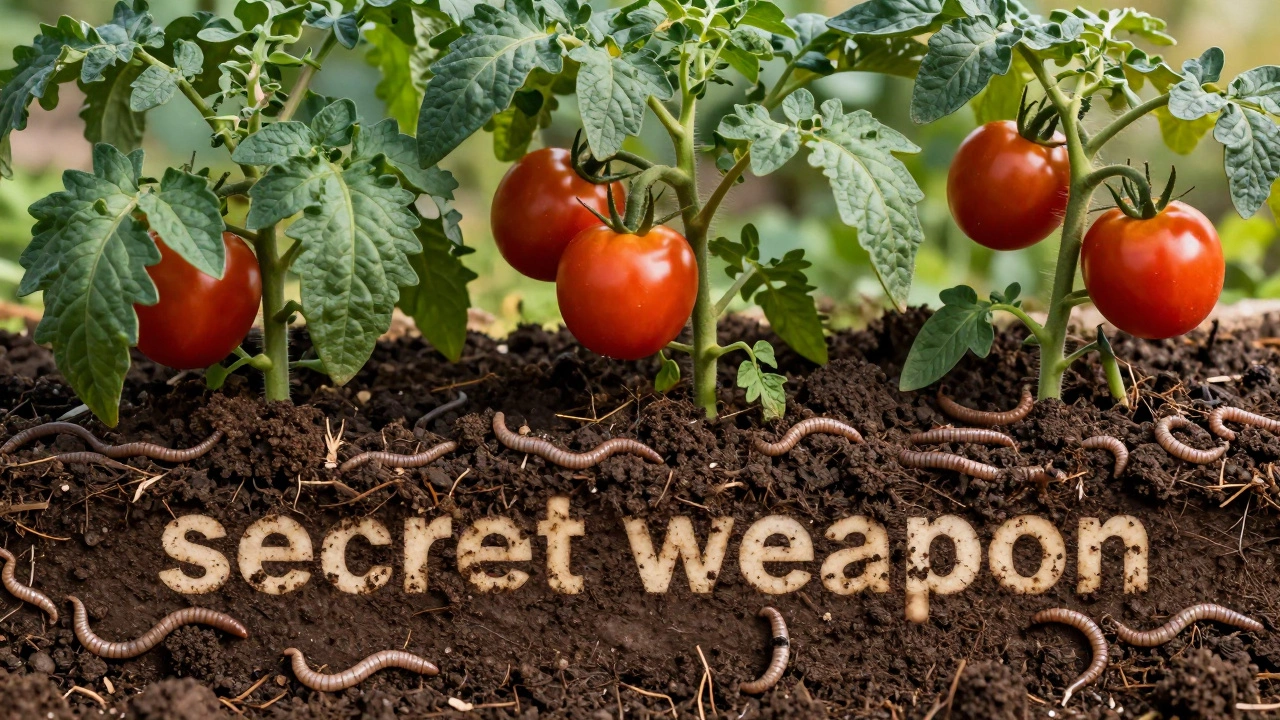
Soil Health: Incorporate Compost to provide slow-release nutrients and strengthen cell walls.
Fertilizer Warning: Avoid high-nitrogen synthetic fertilizers, as they create soft growth that attracts pests.
Companion Planting: Use Basil with tomatoes or Garlic/Onions to mask scents from pests.
You spend weeks prepping the soil, nursing tiny seedlings, and watering your beds every morning, only to wake up and find your kale looks like a piece of Swiss cheese. It's frustrating, but here is the truth: your garden is essentially a high-end buffet for every insect in the neighborhood. The goal isn't to create a sterile, bug-free zone-which is nearly impossible-but to manage the population so your harvest survives.
Key Takeaways for a Pest-Free Harvest
- Physical Barriers: Use row covers to stop pests before they land.
- Biological Control: Attract predators like ladybugs to do the hard work for you.
- Companion Planting: Mix scent-masking flowers with your veg.
- Organic Sprays: Use neem oil or soap sprays for targeted attacks.
- Soil Health: Stronger plants fight off bugs more effectively.
Understanding Your Tiny Enemies
Before you reach for the spray, you need to know who you're fighting. Not every bug is a villain. In fact, if you kill everything, you'll lose the "good guys" that eat the "bad guys."
The most common culprits in a vegetable patch are usually Aphids is a small, sap-sucking insect that often clusters on new growth, causing leaves to curl and yellow. These little pests can multiply rapidly and may secrete a sticky substance called honeydew that leads to sooty mold. Then you have Cabbage Worms is the larvae of the Small White butterfly, which chew large, irregular holes in brassicas like broccoli and cabbage. If you see small green caterpillars that blend perfectly into your leaves, that's them.
Don't forget the Slugs and Snails, which are gastropods that thrive in damp conditions and can devour entire rows of lettuce overnight. They leave a telltale silvery slime trail and large, ragged holes in the foliage.
Building a Physical Fortress
The most effective way to stop bugs from eating your vegetables is to make sure they can't reach them in the first place. Why fight a war with chemicals when you can just put up a wall?
Using Row Covers is a lightweight, breathable fabric draped over crops to create a physical barrier against insects. This is a game-changer for greens and brassicas. If you put a floating row cover over your spinach in early spring, the moths can't land to lay their eggs, which means no caterpillars. Just remember to remove them or open them up once the plants flower so pollinators can get in.
For the slug problem, copper tape is a fantastic tool. Slugs get a tiny electric-like shock when they touch copper, which makes them turn around. Wrapping this around the rim of a raised bed or a pot creates an invisible fence that keeps your seedlings safe.
Using Nature Against Itself
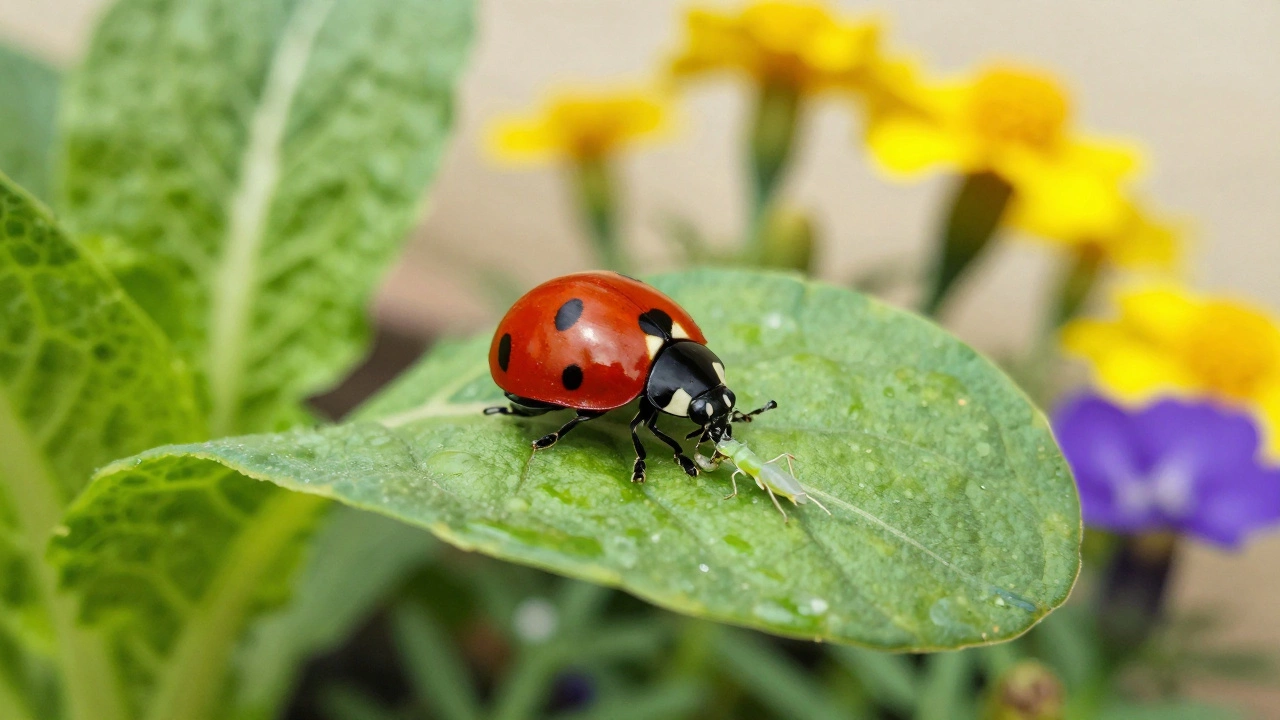
If you've ever seen a ladybug on a leaf, you've seen a professional assassin. To keep your garden healthy, you want to encourage Beneficial Insects, which are predatory bugs like lacewings and hoverflies that hunt common garden pests.
How do you attract them? Plant flowers. It sounds counterintuitive to add more plants when you're worried about pests, but adding Marigolds or Calendula provides nectar for adult hoverflies. Once those hoverflies lay their eggs, the larvae emerge and eat hundreds of aphids per day. It's basically hiring a security team that works for free.
Another strategy is companion planting. For example, planting basil next to tomatoes doesn't just taste great together; the strong scent of basil can confuse pests that are looking for the smell of tomato leaves. Alliums, like garlic and onions, are also great at masking the scent of other vegetables from hungry bugs.
The Organic Toolkit for Active Infestations
Sometimes, despite your best efforts, a colony of pests decides to move in. When that happens, you need a targeted approach. Avoid broad-spectrum pesticides because they kill everything, including the bees.
| Treatment | Best For | How it Works | Key Tip |
|---|---|---|---|
| Neem Oil | Aphids, Spider Mites | Disrupts hormone systems | Apply in evening to avoid leaf burn |
| Insecticidal Soap | Soft-bodied insects | Suffocates the insect | Use immediately after mixing |
| Diatomaceous Earth | Ants, Slugs, Beetles | Cuts through exoskeleton | Reapply after rain |
| B.t. (Bacillus thuringiensis) | Caterpillars | Natural bacteria toxin | Targeted only to larvae |
If you're dealing with a sudden blast of aphids, sometimes the simplest solution is the best: a strong blast of water from the hose. This knocks them off the plant, and since they are slow movers, most won't make it back up before a predator finds them.
The Secret Weapon: Soil Health
Ever wonder why some gardens seem to get hit harder than others? It often comes down to the plant's immune system. A stressed plant releases chemical signals (volatiles) that practically scream "Eat me!" to passing bugs.
Feeding your soil with Compost is decomposed organic matter that improves soil structure and provides slow-release nutrients. When plants have the right balance of nitrogen, phosphorus, and potassium, they develop thicker cell walls in their leaves. This makes it harder for piercing-sucking insects to penetrate the surface.
Avoid over-fertilizing with high-nitrogen synthetic fertilizers. While they make plants grow fast, they often produce "lush," soft growth that is absolutely irresistible to aphids and mites. Think of it as giving your plants a healthy diet instead of a sugar rush.
Common Mistakes to Avoid
One of the biggest errors beginners make is panic-spraying. When you see one worm, you spray the whole garden. This creates a vacuum. You kill the pests, but you also kill the predators. A few days later, the pests return (usually from a neighboring garden), but the ladybugs are gone. Now you have a much bigger problem.
Another mistake is ignoring the under-side of the leaves. That's where 90% of the action happens. Eggs are laid there, and aphids hide there. Get into the habit of flipping leaves over once a week to catch an infestation before it becomes a crisis.
Will organic soaps kill my plants?
Generally, no, but some plants are sensitive. Always do a "patch test" on one leaf and wait 24 hours. Also, never spray soap or oils in the middle of a hot, sunny day, as this can cause the leaves to scorch (phytotoxicity).
How do I know if a bug is beneficial or a pest?
A good rule of thumb is to check for damage. If the leaves have holes or are curling, the bug you're seeing might be the cause-or the cure. Use a gardening app or a local extension guide to identify insects. If it's a ladybug, lacewing, or hoverfly, leave it alone!
Does beer really work for slugs?
Yes, it does. Slugs are attracted to the smell of fermenting yeast. Burying a small tuna can filled with beer flush with the soil surface lures them in, and they drown. It's an effective, non-toxic way to reduce numbers in a specific area.
Can I use Diatomaceous Earth on everything?
Be careful. Diatomaceous Earth works by physically cutting the insects' shells. However, it doesn't distinguish between a pest and a honeybee. Avoid applying it to flowers where bees land; instead, sprinkle it around the base of the stems.
When is the best time to apply organic pest controls?
Early morning or late evening is best. This protects the plants from sun-scorch and avoids harming pollinators like bees, which are most active during the brightest parts of the day.
Next Steps for Your Garden
If you're just starting, don't try to implement every strategy at once. Start by improving your soil with compost and adding a few marigolds to your beds. Once you feel comfortable identifying a few common pests, move on to physical barriers like row covers for your most vulnerable crops.
For those with a severe infestation, the best move is a "reset." Remove the most heavily damaged plants and dispose of them (don't compost them if they have diseased leaves). Then, introduce a targeted organic treatment like Neem oil and wait a week to see if the population stabilizes. Your goal isn't a bug-free garden-it's a balanced one.