
Lawn Care Sequencer
Select your lawn scenario below to get a step-by-step guide on whether to fertilize or seed first.
Overseeding Existing Lawn
My lawn is thin, patchy, or tired but already has grass.
Starting From Scratch
I have bare soil, just laid turf, or am planting in a new area.
Step-by-Step Guide
💡 Pro Tip
You’re standing in the garden centre aisle, holding a bag of grass seed in one hand and a bucket of fertiliser in the other. You want that lush, green carpet everyone talks about, but you’re stuck on a simple question: which goes down first? It’s not just about convenience; getting the sequence wrong can waste money and kill your new grass before it even breaks the surface.
Here is the short answer: fertilise existing lawns before you mow and aerate, then apply seed to bare patches or thin areas. If you are starting from scratch with bare soil, prepare the ground, sow the seed, and wait until the new grass has been mowed at least three times before applying your first starter feed. Why? Because fresh seeds need gentle conditions to germinate, while established roots crave nutrients to recover from stress. Mixing these up can lead to chemical burns on tender shoots or wasted nutrients washing away before roots can grab them.
Why the Order Matters More Than You Think
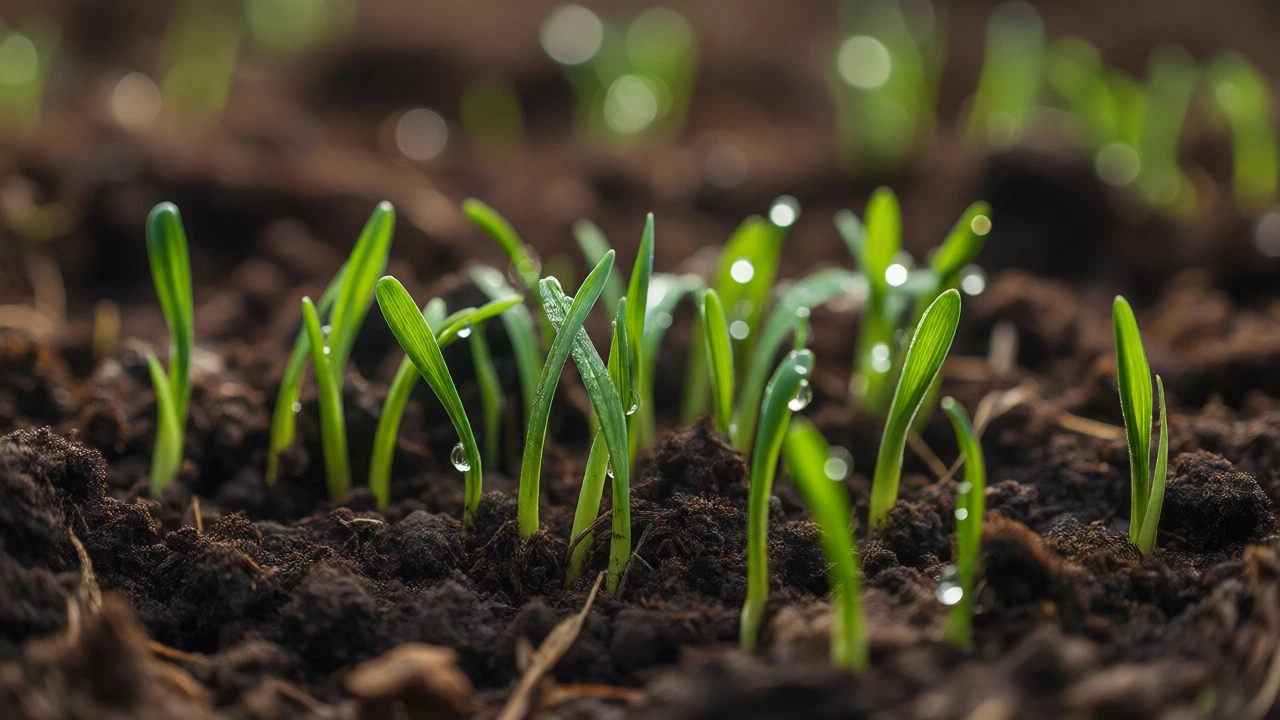
Grass plants operate differently depending on their life stage. A mature lawn has a deep root system capable of pulling nutrients from deeper soil layers. It needs fuel-nitrogen, phosphorus, and potassium-to maintain density and fight off weeds. New seeds, however, are fragile embryos. They rely entirely on the energy stored within the seed itself for the first few weeks. Dumping strong synthetic fertiliser directly onto freshly sown seed can scorch the emerging radicle (the initial root) and cause "fertiliser burn," turning your potential lawn into a patchy mess.
Think of it like feeding a toddler versus an athlete. You wouldn’t give a newborn a protein shake meant for a weightlifter. Similarly, young grass needs time to establish its vascular system before handling high concentrations of salts found in many standard fertilisers. This biological reality dictates the entire workflow for both overseeding and new installations.
Scenario 1: Overseeding an Existing Lawn
If your current lawn looks tired, patchy, or thin, you’re likely looking to overseed. This is common in the UK during autumn (September to October) when soil temperatures remain warm enough for germination but competition from summer weeds drops off. For this scenario, the rule is clear: Fertilise before you aerate and seed.
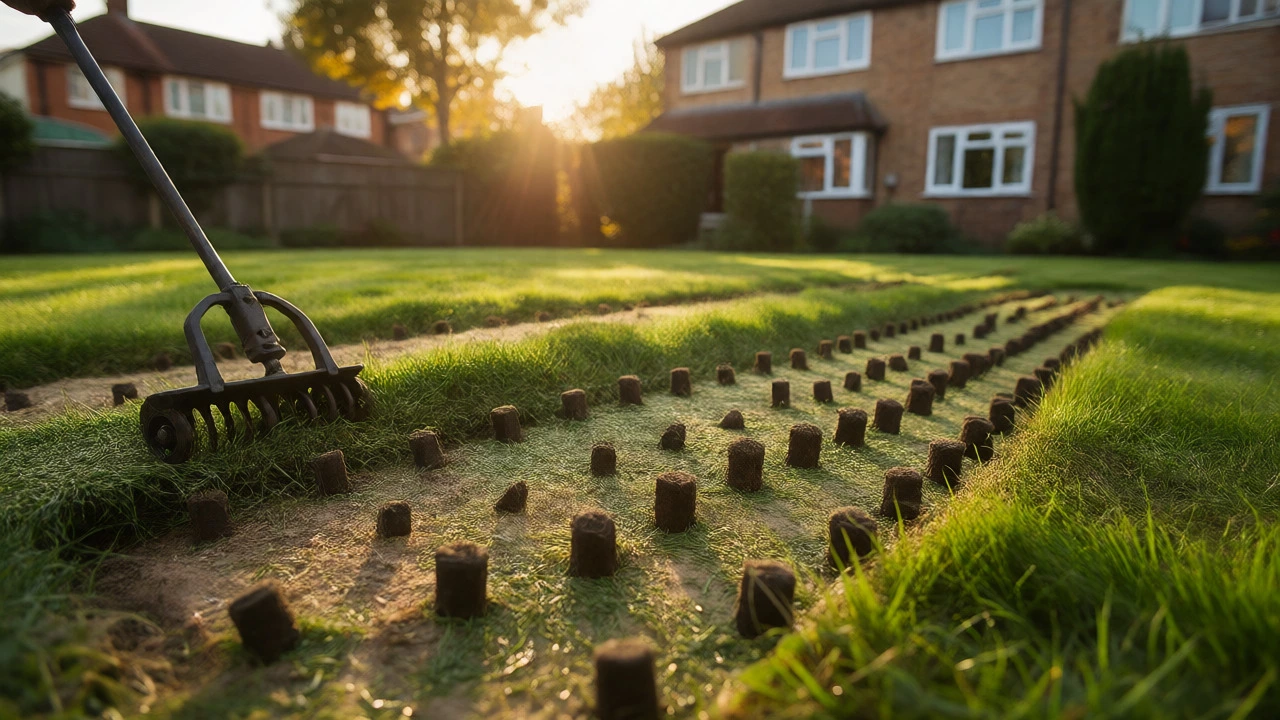
Start by applying a balanced lawn feed about two weeks before you plan to sow. This gives the existing grass a nutrient boost, encouraging it to grow vigorously and compete with the new seedlings. Two weeks later, mow your lawn low (about 2-3 cm), rake out any moss or thatch, and use a garden fork or hollow-tine aerator to create holes. These holes do two things: they improve air and water flow to old roots, and they provide perfect little pockets for your new seeds to land in, protected from birds and drying wind.
Once aerated, spread your seed evenly. Do not add more fertiliser immediately after sowing if you used a pre-seed feed. The soil already holds enough residual nutrients from the earlier application. Water gently but consistently to keep the top inch of soil moist. In Brighton’s mild coastal climate, this method usually yields visible results within 10-14 days.
Scenario 2: Starting From Scratch (New Lawns)
If you’ve just laid turf or are sowing seed on bare earth, the timeline shifts. Here, you don’t fertilise the soil heavily right before sowing unless you are using a specific Starter Fertiliser high in phosphorus to promote root development. Standard high-nitrogen feeds are too aggressive for bare soil preparation.
Instead, focus on soil structure. Till the top 15 cm of soil, remove stones, and level the ground. If your soil is heavy clay-which is common in parts of Sussex-mix in some grit or compost to improve drainage. Sow your seed at the recommended rate (usually 30-50g per square metre for general mixes). Rake lightly to cover the seed with a thin layer of soil (no more than 5 mm deep). Roll the area with a lawn roller to ensure good seed-to-soil contact.
Wait. Seriously, wait. Do not fertilise until the new grass reaches about 8-10 cm in height and you have mowed it at least once or twice. This typically takes 6-8 weeks. At this point, the roots are established enough to handle a light application of a balanced feed. Applying it too early risks washing nutrients away since there aren’t enough roots to absorb them, leading to runoff issues and poor establishment.
The Role of Soil Testing
Guessing what your soil needs is like driving without a map. You might get somewhere, but you’ll probably take detours. Before deciding on fertiliser types, consider a basic soil test. In the UK, the Royal Horticultural Society (RHS) recommends testing every few years. Most garden centres offer kits, or you can send samples to a local lab.
Your test will reveal pH levels and nutrient deficiencies. Grass thrives in slightly acidic to neutral soil (pH 6.0-7.0). If your soil is too acidic (below 6.0), fertiliser effectiveness drops because nutrients become locked up. In this case, adding lime before seeding can be more beneficial than any amount of NPK fertiliser. Conversely, if your soil is alkaline (above 7.5), typical iron-rich feeds might help correct chlorosis (yellowing leaves). Ignoring pH means you could be throwing money away on fertiliser the grass simply cannot access.
Choosing the Right Products
Not all fertilisers are created equal. When shopping, look at the N-P-K ratio on the label. Nitrogen (N) promotes leaf growth, Phosphorus (P) supports root development, and Potassium (K) aids overall health and drought resistance.
| Stage | Primary Goal | Recommended Input | N-P-K Focus |
|---|---|---|---|
| Pre-Overseeding | Boost existing grass vigour | Balanced Feed | Equal N:P:K (e.g., 10-10-10) |
| New Sowing | Root establishment | Starter Feed (Optional) | High P (e.g., 5-10-5) |
| Established Lawn | Dense green growth | Lawn Feed | High N (e.g., 20-5-10) |
| Autumn Prep | Winter hardiness | Autumn/Winter Feed | Low N, High K (e.g., 5-5-20) |
For overseeding, a balanced feed is safe and effective. For new lawns, skip the heavy nitrogen initially. Many modern products come as granules that release slowly over weeks, reducing the risk of burn compared to quick-release powders. Always follow the manufacturer’s dosage instructions precisely. More is not better; double-dosing often leads to disaster.
Common Pitfalls to Avoid
Even with the right order, mistakes happen. Here are the big ones I see neighbours making in my street:
- Applying weed killer too close to seeding: Pre-emergent herbicides prevent all seeds from growing, including your new grass. Wait at least 4-6 weeks after using a pre-emergent before sowing, or check the product label for compatibility.
- Watering too aggressively: Heavy watering can wash seed into puddles or bury it too deep. Use a fine mist setting on your hose or sprinkler for the first few weeks.
- Mowing too soon: Pulling on immature roots damages the plant. Wait until the grass is tall enough to stand up straight after cutting. If it flops over, it’s not ready.
- Ignoring weather forecasts: Don’t fertilise or seed if heavy rain is predicted within 24 hours. You’ll lose half your product to runoff. Aim for a dry spell with light showers.
Regional Timing for the UK
Timing is everything. In southern England, where I live, the ideal window for overseeding is early autumn (September). The soil is still warm from summer, speeding up germination, but the nights are cooling, reducing fungal disease pressure. Spring (April/May) works too, but you face more weed competition and unpredictable late frosts.
If you miss the autumn window, wait until spring. Trying to seed in winter rarely works well in the UK due to cold soil temperatures slowing metabolism. Fertilising in winter is also generally discouraged unless you use a specific low-nitrogen winter feed designed to strengthen cell walls against frost damage.
Final Thoughts on Maintenance
Once your grass is established, shift to a regular maintenance schedule. Feed four times a year: spring for growth, early summer for density, late summer for recovery, and autumn for hardiness. Keep your mower blades sharp-dull blades tear grass rather than cutting it, leaving jagged edges prone to disease. And remember, consistency beats intensity. Regular, moderate care produces a healthier lawn than sporadic, heavy interventions.
So, should you seed or fertilise first? Fertilise existing lawns before seeding. Seed new lawns before fertilising. Follow this logic, respect the biology of the plant, and you’ll save yourself headaches and cash. Your future self, lounging on a thick, green carpet next summer, will thank you.
Can I put fertiliser and seed down at the same time?
Yes, but only if you use a specific "seed and feed" product designed for this purpose. These contain lower concentrations of nitrogen to avoid burning new seedlings. However, for best results, separating the actions by a week or two allows you to control each process independently.
How long after seeding should I wait to fertilise a new lawn?
Wait until the new grass has been mowed at least three times, which usually takes 6-8 weeks. This ensures the root system is developed enough to absorb nutrients without being damaged by the salts in the fertiliser.
What happens if I fertilise before seeding?
If you fertilise an existing lawn before overseeding, it boosts the old grass, helping it compete. If you fertilise bare soil heavily before sowing, you risk burning the new seedlings. Light, organic amendments like compost are safe, but synthetic fertilisers should be applied cautiously or skipped until after establishment.
Is chicken manure good for new lawns?
Composted chicken manure is excellent for improving soil structure and providing slow-release nutrients. It is safer than fresh manure, which can burn plants. Apply it several weeks before seeding to allow it to break down and integrate into the soil profile.
Do I need to aerate before seeding?
Aeration is highly recommended for existing lawns before overseeding. It reduces compaction and creates holes for seed retention. For new lawns on loose soil, aeration isn't necessary unless the subsoil is compacted.