Lawn Top-Dressing Planning Tool
1. Select Your Material
Based on your lawn's current condition:
2. Proper Sequence Checklist
Check these off in order. Do not skip the mow!
Quick Summary: The Golden Rule of Topsoil
- Mow first: Keep the grass short to let the soil reach the root zone.
- Aerate: Punch holes in the ground before adding soil for better absorption.
- Spread thin: Avoid burying the grass; a light dusting is all you need.
- Water in: Give it a soak to settle the new soil into the lawn.
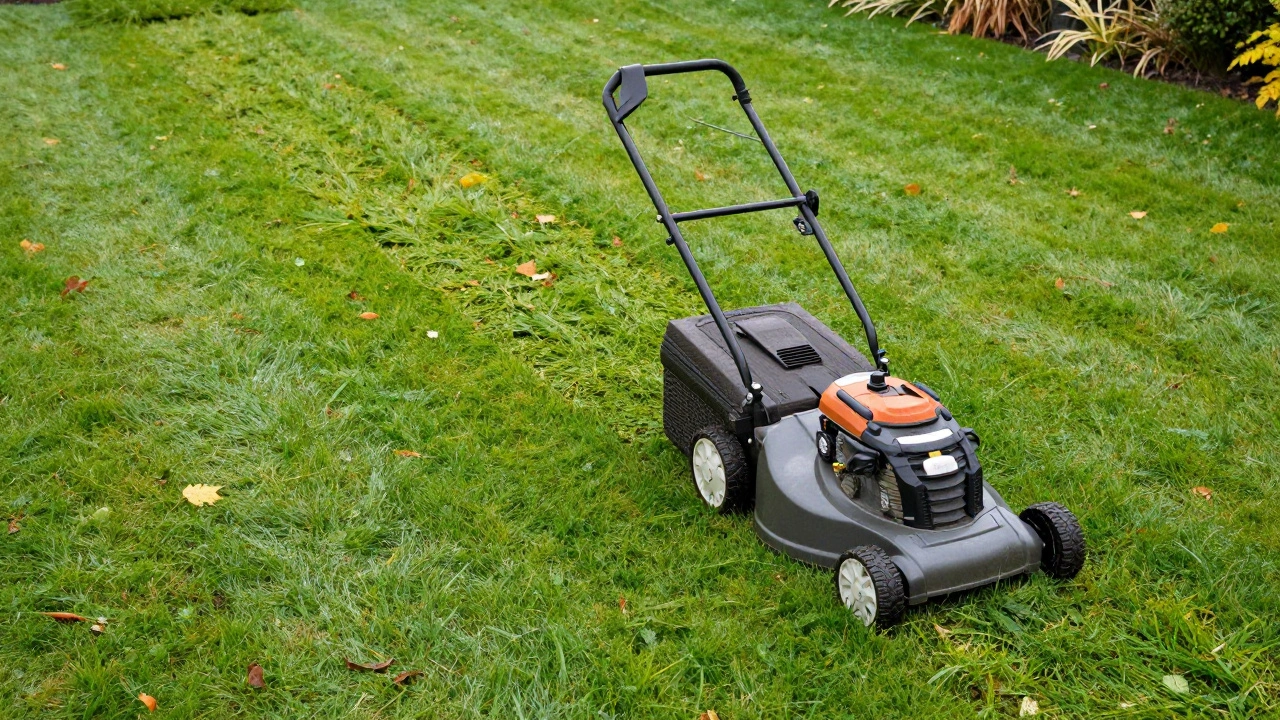
Why Mowing Comes First
When you're preparing to add topsoil is a layer of nutrient-rich organic matter spread over the surface of a lawn to improve soil structure and health. Also known as top dressing, it works best when the grass is short. If your grass is long, the soil just sits on top of the blades. This creates a thick mat of dirt and grass that blocks sunlight from reaching the plant, effectively suffocating your lawn.
Think of it like painting a wall. You wouldn't paint over a layer of dust and cobwebs; you clean the surface first. By mowing your grass to a slightly lower height than usual, you create a clear path for the new nutrients to filter down to the root system. Plus, mowing first removes any debris or clumps of old grass that might prevent the soil from making direct contact with the ground. If you try to mow after applying soil, the mower will simply suck up the new dirt, spitting it out in clumps or clogging the mower deck.
The Secret Ingredient: Aeration
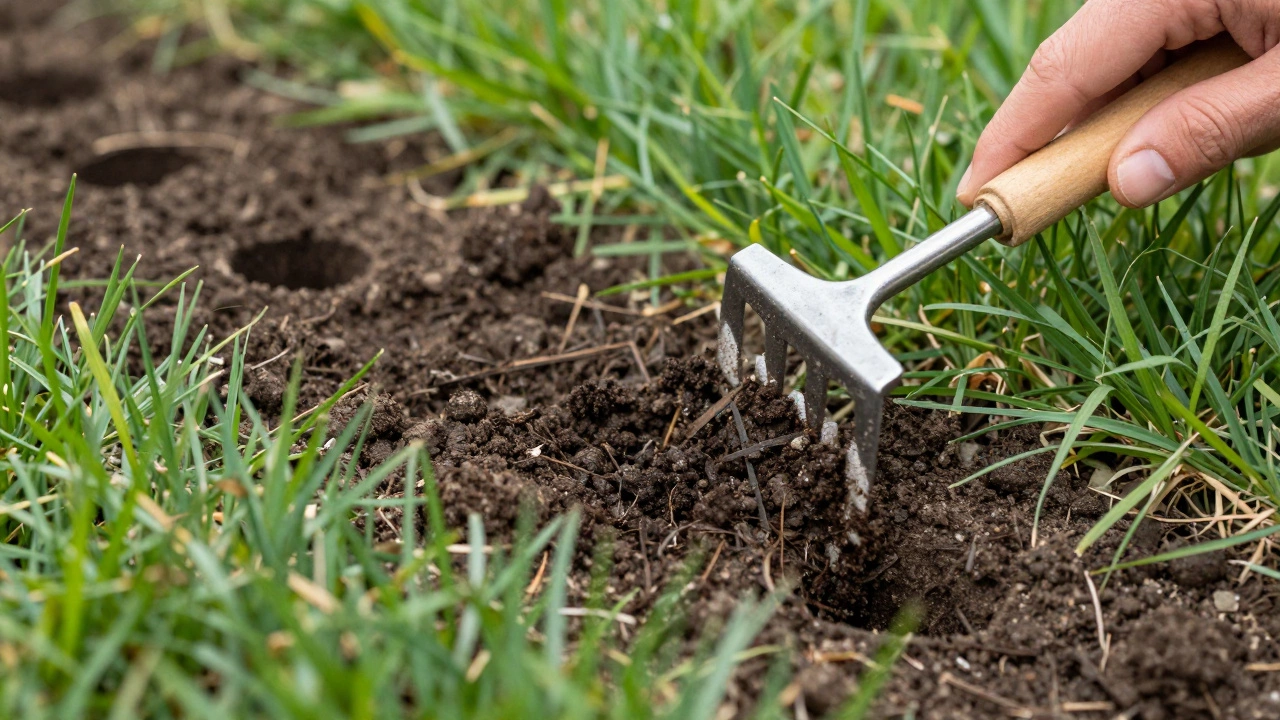
If you just throw soil on top of hard, compacted earth, most of it will just sit there. To get the most out of your effort, you need to introduce soil aeration is the process of creating small holes in the soil to allow air, water, and nutrients to penetrate the root zone. This is the missing step in most DIY lawn projects.
Using a core aerator-which pulls out small plugs of soil-is the gold standard. If you're on a budget, a garden fork works too. By creating these channels, the topsoil you spread later will fall into the holes, delivering organic matter directly to the roots rather than just sitting on the surface. This prevents the common issue of "capping," where a hard crust forms over the lawn, preventing water from soaking in.
Choosing Your Material
Not all dirt is created equal. If you use heavy clay soil from another part of your garden, you might actually make your drainage worse. For a healthy lawn, you want a mix that balances drainage with nutrient retention. Many professionals use a blend of compost is decomposed organic material used to enrich soil and provide slow-release nutrients and sharp sand.
| Material | Best For | Main Benefit | Potential Risk |
|---|---|---|---|
| Organic Compost | Nutrient-poor soil | High nitrogen and microbial life | Can contain weed seeds |
| Sandy Loam | Heavy clay lawns | Improves drainage and aeration | Low in nutrients |
| Peat-free Topsoil | General leveling | Consistent texture and pH | Less nutrient-dense than compost |
| Vermicompost | High-performance turf | Extreme nutrient density | Expensive for large areas |
Step-by-Step Guide to Top Dressing
Now that we've established the order, here is how to actually get it done without ruining your weekend.
- The Pre-Cut: Mow your lawn. Set your mower one notch lower than your usual summer height. Bag the clippings so you have a clean surface.
- Clean Up: Rake away any dead thatch or large stones. You want the soil to touch the earth, not a layer of dead grass.
- Aerate: Run your aerator over the lawn in two different directions (like a grid) to ensure maximum coverage.
- Spread the Soil: Use a spreader or a shovel to distribute the soil. The goal is a light dusting. You should still be able to see the tips of the grass blades poking through. If the grass disappears, you've put too much on.
- Level it Out: Use a lawn rake or a push broom to gently brush the soil into the aeration holes and smooth out any mounds.
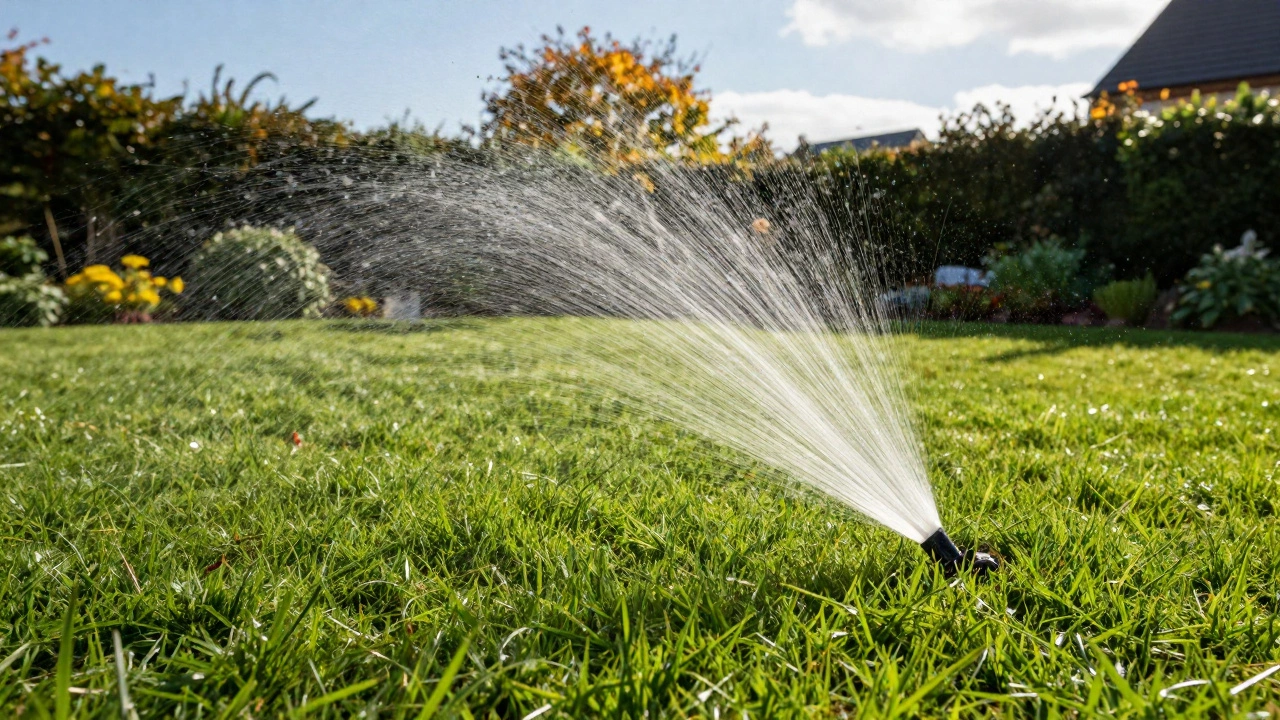
- Water it in: Lightly water the area. This settles the soil and activates the nutrients in the compost.
Common Pitfalls to Avoid
The biggest mistake people make is the "blanket approach." They treat topsoil like a carpet, laying it on thick. This is a disaster. Grass needs sunlight for photosynthesis. If you bury the blades under an inch of soil, the grass will turn yellow and die, and you'll end up with a patch of weeds instead of a lush lawn. Keep the layer thin-usually no more than 6mm to 12mm.
Another error is timing. Applying topsoil in the dead of winter or the height of a July heatwave isn't ideal. The best times are early spring or early autumn when the grass is growing actively but the weather is mild. In the UK, late September is often the "sweet spot" because the soil is still warm from summer, but the autumn rains help the nutrients soak in.
What About Fertilizers?
You might wonder if you should apply granular fertilizer is concentrated nutrients in pellet form designed to stimulate rapid plant growth before or after this process. If you're using a high-quality organic compost, you might not need extra fertilizer at all. However, if you do use one, apply it after the topsoil has settled. Applying fertilizer beneath the soil layer can sometimes lead to uneven growth or "burning" the roots if the concentration is too high in one spot.
Maintaining the New Growth
After you've top-dressed, your lawn's needs will change. The added organic matter will hold onto water more effectively, which is great during a dry spell but can lead to fungal issues if the lawn is too damp. Keep an eye on the moisture levels. When you return to your regular mowing schedule, be careful not to scalp the lawn. The new growth stimulated by the topsoil will be vigorous, but the roots are still stabilizing in their new environment.
Can I mow the lawn immediately after adding topsoil?
No, you should wait. Mowing immediately after adding soil will either clog your mower or pull the new soil out of the ground. Wait for the soil to settle and for the grass to grow through the layer (usually 1-2 weeks) before your next cut.
How often should I top dress my lawn?
For most lawns, once every 2 to 3 years is plenty. If you have a high-traffic area or very sandy soil, you might do it annually. Over-doing it can lead to a "thatch" buildup that actually blocks water from reaching the roots.
Will topsoil kill my grass if I put too much on?
Yes, it can. Grass needs sunlight to survive. If the soil layer is too thick, it smothers the plant. If you accidentally put too much on, use a rake to spread it out or remove the excess immediately.
Do I need to seed the lawn when top dressing?
It's not required, but it's a great time to do it. This is called "overseeding." Sprinkle grass seed over the lawn just before you apply the topsoil; the soil then acts as a protective blanket, keeping the seeds moist and protecting them from birds.
What is the difference between topsoil and top dressing?
Topsoil is the actual material (the dirt), while top dressing is the act of applying a thin layer of material to the surface of an existing lawn to improve it. You use topsoil (or compost) to perform top dressing.
Next Steps and Troubleshooting
If you've already applied topsoil and realized you forgot to mow, don't panic. If the layer is very thin, you can try mowing on the highest setting, but be prepared for the mower to get dirty. If the layer is thick, it's better to rake the soil away and start over than to risk damaging your mower's engine.
For those with extremely compacted clay, a single round of top dressing might not be enough. You may need to perform "deep tine aeration"-which involves pushing long metal spikes into the ground-before applying a sand-heavy mix. This creates permanent drainage channels that prevent the lawn from becoming a swamp during the winter months.