Organic Potting Mix Calculator
Enter your details to see the perfect soil recipe.
Stop buying bags of generic "garden soil" from the hardware store. Most of it is just cheap topsoil mixed with peat moss and a sprinkle of slow-release synthetic fertilizer. If you want your tomatoes to taste like summer and your basil to actually grow, you need to build your own foundation. The secret isn't in the seeds; it's in the dirt.
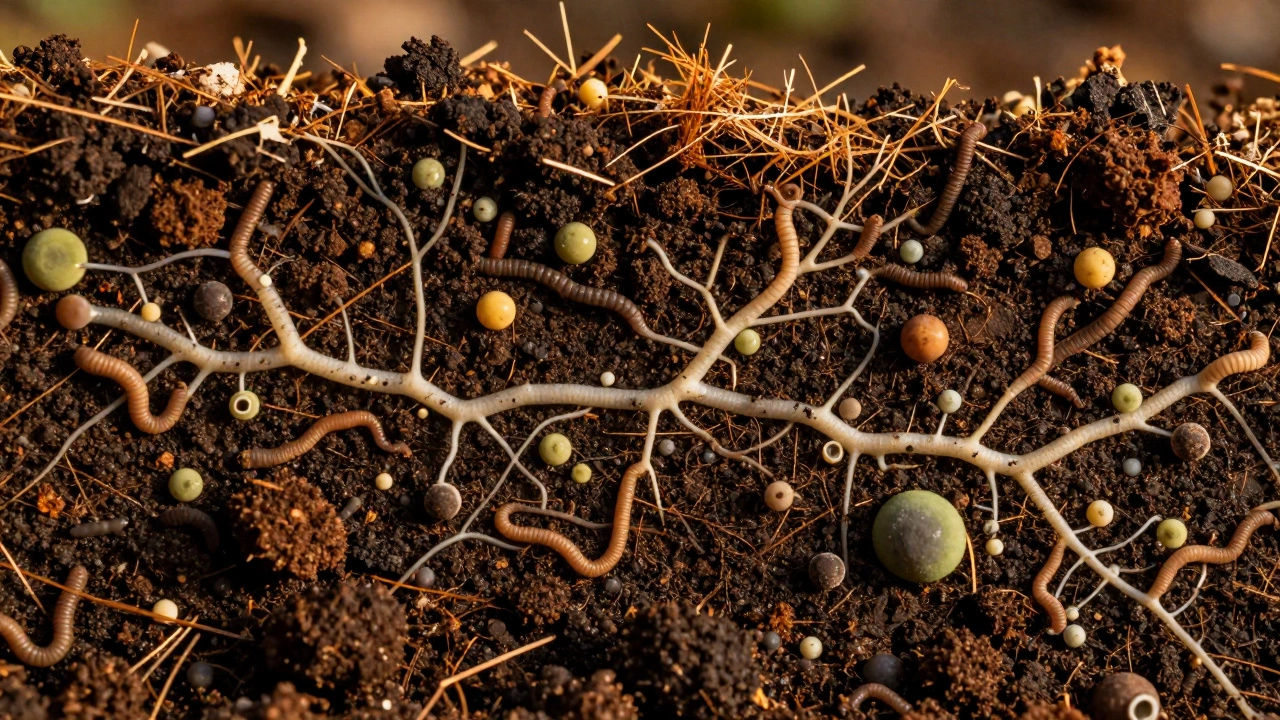
In organic gardening, we don't feed the plant directly. We feed the soil, and the soil feeds the plant. This shift in perspective changes everything. When you create a high-quality organic soil mix, you are building a living ecosystem. It’s not just about holding water and nutrients; it’s about creating a habitat for billions of microbes, fungi, and earthworms that do the heavy lifting for you.
The Core Ingredients of Living Soil
To make the best mix, you need to understand what goes into it. You aren't just mixing dirt; you are balancing texture, nutrition, and biology. Here are the non-negotiable components:
- Compost: This is the heart of the mix. It provides nutrients and microbial life. Aim for finished, dark, crumbly compost that smells like a forest floor after rain.
- Coco Coir or Peat Moss: These are your moisture-retention agents. Coco coir is more sustainable than peat moss, which is harvested from fragile bogs. Coir also has a neutral pH, making it easier to manage.
- Perlite or Vermiculite: These white, rocky bits look ugly, but they are essential. They create air pockets in the soil so roots can breathe and prevent compaction. Perlite improves drainage; vermiculite holds moisture.
- Worm Castings: Think of this as liquid gold for your plants. It’s packed with beneficial bacteria and enzymes that help plants absorb nutrients efficiently.
Avoid using straight garden soil in containers. Garden soil is too dense and will compact quickly in a pot, suffocating roots. It can also contain weed seeds and pests that you don't want indoors or on your patio.
The Universal Organic Potting Mix Recipe
This recipe works for almost every vegetable, herb, and flower you grow in pots or raised beds. It’s simple, cheap, and incredibly effective. I’ve used variations of this mix for years in my Brighton garden, even with our clay-heavy native soil conditions.
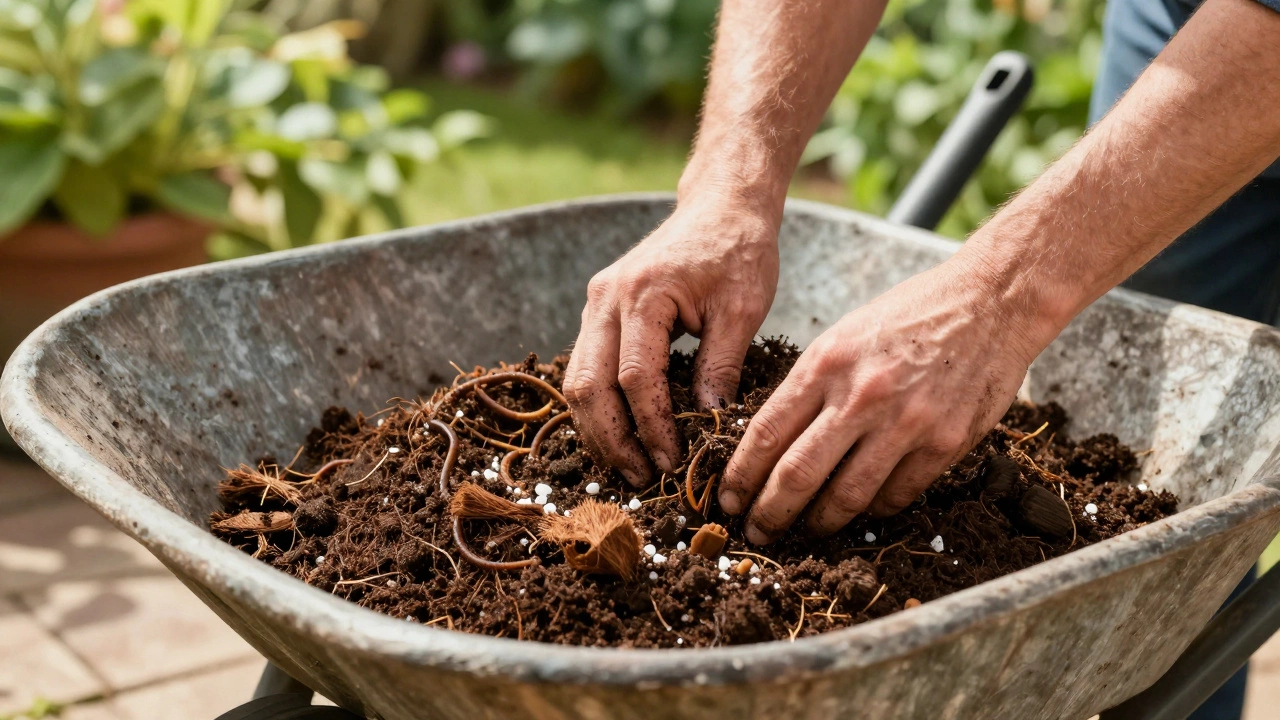
- 1 part Compost: Use high-quality, screened compost. If you make your own, ensure it’s fully decomposed (no recognizable food scraps).
- 1 part Coco Coir: Rehydrate dry coco coir bricks before mixing. This expands them significantly, so buy accordingly.
- 1 part Perlite: Wear a mask when handling perlite. The dust is fine and irritating to lungs, but once mixed into wet soil, it’s safe.
Mix these three ingredients thoroughly in a wheelbarrow or large tub. For an extra boost, add one cup of worm castings per gallon of mix. This creates a fluffy, airy medium that drains well but stays moist enough for roots to thrive.
| Ingredient | Primary Function | Sustainability | Cost Estimate |
|---|---|---|---|
| Coco Coir | Moisture retention, aeration | High (byproduct of coconut industry) | Low-Medium |
| Peat Moss | Moisture retention, acidity | Low (depletes carbon sinks) | Medium |
| Perlite | Drainage, aeration | Medium (mined resource) | Low |
| Vermiculite | Moisture retention, nutrient exchange | Medium (mined resource) | Low |
| Compost | Nutrition, biology | Very High (recycled waste) | Variable (Free if homemade) |
Tailoring the Mix for Specific Plants
Not all plants have the same needs. While the universal mix above is a great starting point, tweaking the ratios can solve common growing problems.
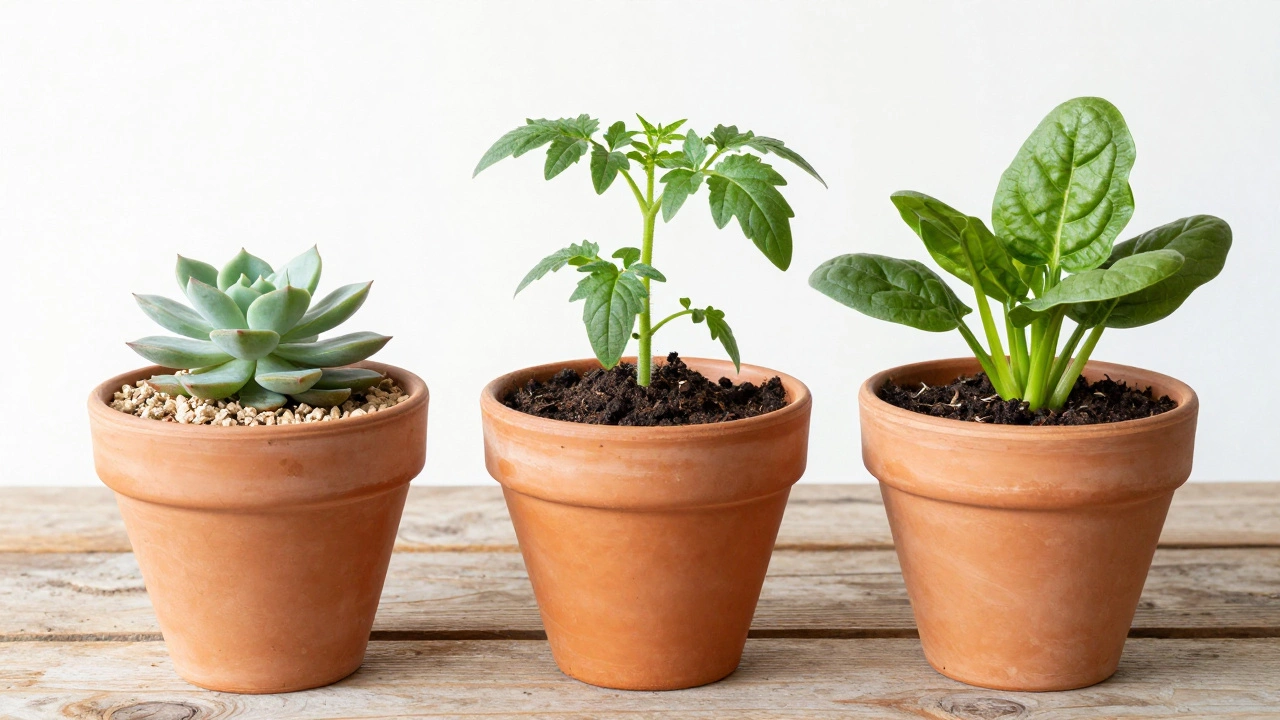
For Succulents and Cacti
These plants hate wet feet. They need fast-draining soil. Change the ratio to:
- 1 part Compost
- 1 part Coco Coir
- 2 parts Perlite (or coarse sand/pumice)
For Heavy Feeders (Tomatoes, Peppers, Squash)
These veggies eat up nutrients fast. Boost the biological activity by adding more compost and worm castings.
- 2 parts Compost
- 1 part Coco Coir
- 1 part Perlite
- Add 10% worm castings by volume
For Leafy Greens (Lettuce, Spinach, Kale)
Greens prefer consistent moisture and nitrogen. Stick to the universal mix but consider replacing perlite with vermiculite if you live in a hot, dry climate. Vermiculite holds water longer, reducing how often you need to water.
Why Avoid Peat Moss?
You’ll see peat moss in many commercial mixes. It’s acidic and holds water well, but it comes at a cost. Peat forms over thousands of years in bog ecosystems. Harvesting it releases stored carbon dioxide and destroys unique habitats. In contrast, coco coir is a renewable byproduct of the coconut industry. It doesn’t deplete natural resources and has a neutral pH, meaning you don’t have to guess whether your soil is too acidic for your plants.
Testing Your Soil pH
Even the best mix can fail if the pH is off. Most vegetables thrive in a slightly acidic range between 6.0 and 7.0. If your soil is too acidic (below 6.0), plants can’t absorb nutrients like phosphorus. If it’s too alkaline (above 7.5), micronutrients like iron become unavailable, leading to yellow leaves.
Use a simple digital pH meter or test kit. If your mix is too acidic, add a little crushed eggshells or lime. If it’s too alkaline, add sulfur or pine needles. Adjustments should be small-soil chemistry changes slowly.
Common Mistakes to Avoid
I’ve seen plenty of gardeners struggle because of these easy-to-fix errors:
- Using Fresh Manure: Never put fresh animal manure directly into your potting mix. It burns roots and introduces pathogens. Always compost manure first, letting it break down for at least six months.
- Skipping the Wetting Step: Dry coco coir and perlite repel water initially. Pre-wet your coir and mist your perlite before mixing. This ensures even hydration from day one.
- Overcomplicating the Recipe: You don’t need ten different additives. Stick to compost, aeration material, and moisture retention. Simplicity wins.
- Ignoring Drainage: No matter how good your soil is, poor drainage kills plants. Ensure your pots have holes. Add a layer of broken pottery or stones at the bottom if needed, though modern research suggests this is less critical than having adequate holes.
Building Long-Term Soil Health
Your soil mix isn’t a one-time thing. As plants grow, they deplete nutrients. At the end of each season, replace the top inch of soil in your containers with fresh compost. This replenishes organic matter and keeps the microbial community active.
If you’re growing in raised beds, you can improve the soil in place. Each spring, add a two-inch layer of compost on top. Earthworms will naturally work it into the lower layers over time. This mimics nature’s leaf litter cycle and builds deep, rich soil year after year.
Can I use regular garden soil in my pots?
No, regular garden soil is too dense for containers. It compacts easily, restricting oxygen flow to roots and causing poor drainage. It may also contain weed seeds and pests. Always use a lightweight potting mix designed for containers.
How long does homemade soil mix last?
If stored in a sealed bag away from direct sunlight and moisture, unused mix can last several months. Once planted, the soil structure breaks down over a growing season. Replace or refresh container soil annually to maintain optimal growth conditions.
Is perlite necessary in organic gardening?
Yes, perlite is widely accepted in organic gardening. It is a volcanic glass that improves aeration and drainage without adding chemicals. For a fully natural alternative, you can use coarse sand or pumice, but perlite is lighter and more effective at preventing compaction.
What is the difference between compost and topsoil?
Topsoil is the upper layer of ground soil, which varies greatly in quality and nutrient content. Compost is decomposed organic matter, rich in nutrients and beneficial microbes. For potting mixes, compost is far superior because it provides consistent nutrition and biological activity.
Should I add fertilizer to my organic soil mix?
High-quality compost and worm castings provide sufficient nutrients for most plants during the initial growth phase. For heavy feeders like tomatoes, you can add organic granular fertilizers like bone meal or kelp meal at planting time. Avoid synthetic fertilizers, which harm soil biology.