Backyard Design Budget & Function Planner
Enter your details and click calculate to see an estimated budget range.
Design Strategy
Most people look at their backyard and see an empty patch of grass or a messy collection of forgotten pots. They want it to be a place they actually use, but they don't know where to start. The truth is, designing a good backyard isn't about spending thousands on expensive stone work. It's about solving specific problems: how do you get privacy? Where do you eat dinner? How do you handle the mud?
I've spent years helping neighbors in Brighton turn neglected corners into usable spaces. The biggest mistake I see is trying to fit too many ideas into one small area. A good design starts with subtraction, not addition. You need to decide what this space does for you before you buy a single plant.
Define Your Primary Function First
Before you sketch anything, ask yourself: what will you actually do here? Most backyards fail because they try to be everything at once. They want a vegetable garden, a play area for kids, a formal dining spot, and a lounge zone. In a typical suburban plot, that leads to clutter.
Pick one primary function. If you love hosting friends, your priority is outdoor entertaining which requires a clear flow between cooking, seating, and socializing. If you are a parent with young children, the focus shifts to safety and open play space. If you crave solitude, you might prioritize a secluded reading nook over a large patio.
- The Entertainer: Focus on durable flooring, ample lighting, and a defined kitchen area.
- The Family: Prioritize soft ground cover (grass or rubber matting), low fences, and easy access from the house.
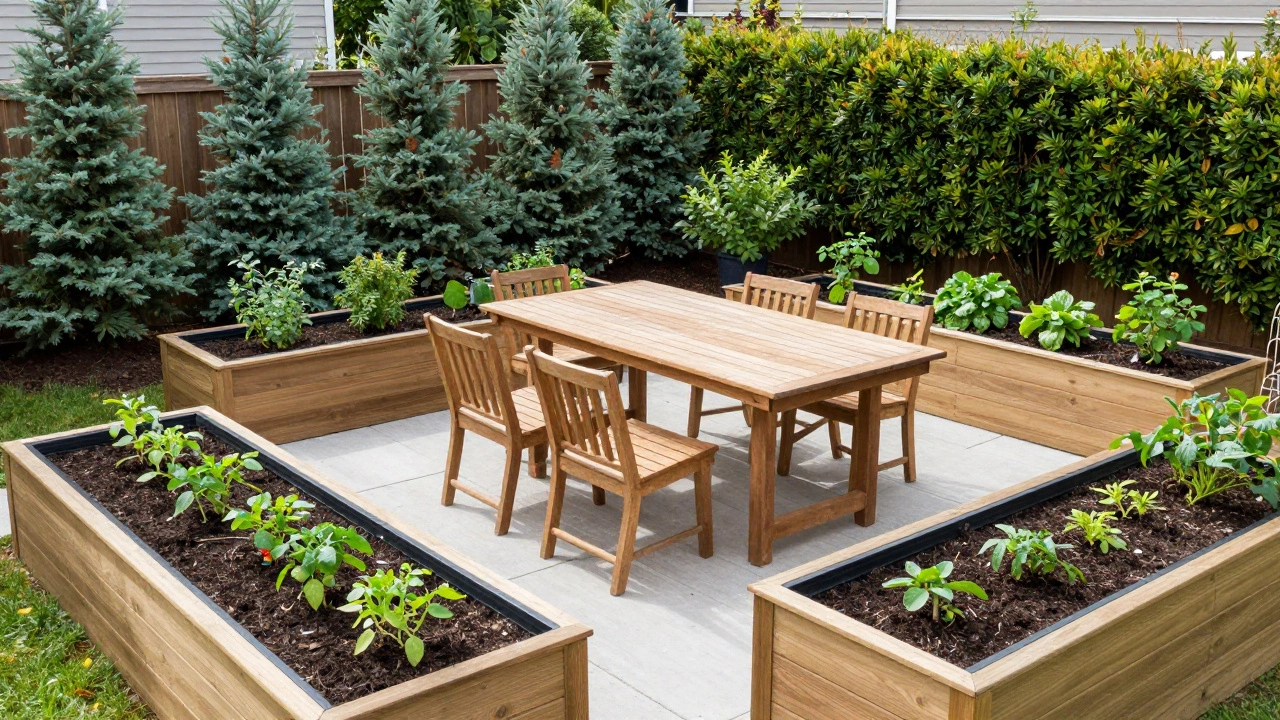
- The Gardener: Maximize sunlight exposure, plan for composting, and create raised beds for soil control.
- The Relaxer: Create visual barriers for privacy, add comfortable seating, and minimize high-maintenance plants.
Once you pick your main goal, secondary features can fill in the gaps without overwhelming the space.
Map the Hard Landscape Zones
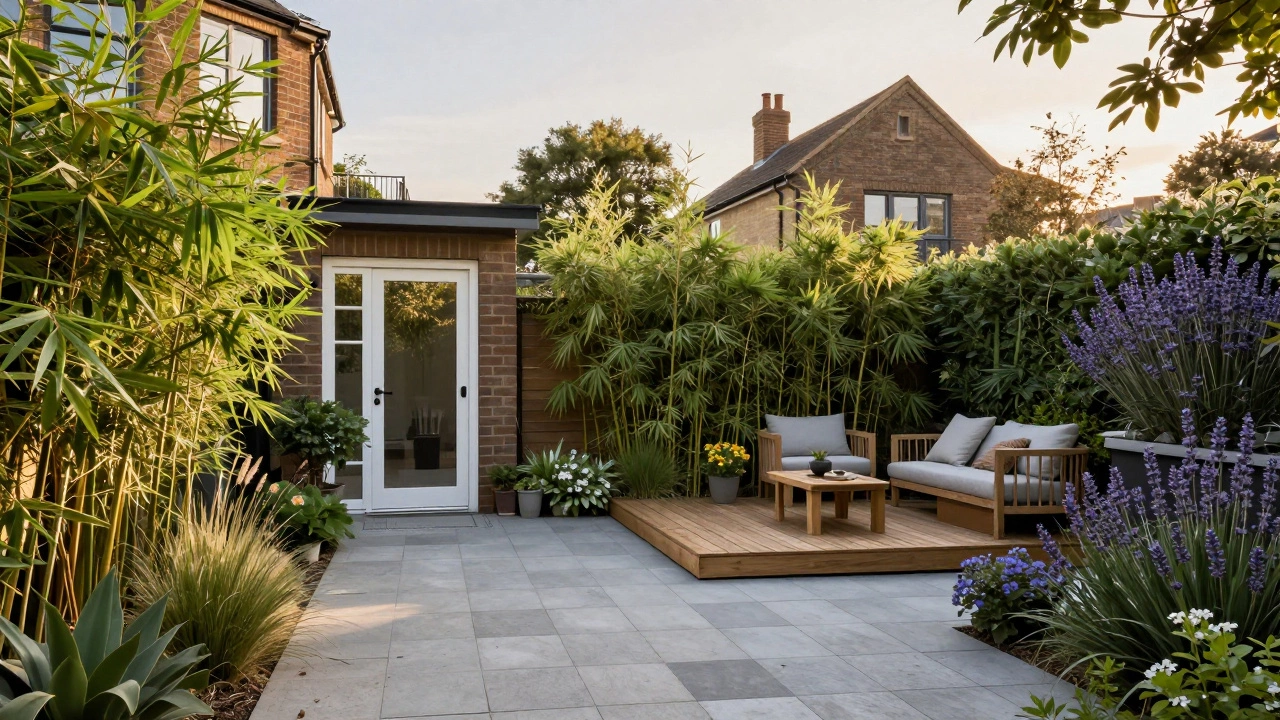
Think of your backyard as a series of rooms. Just like inside your house, these rooms need structure. This is called hardscaping, and it forms the skeleton of your design. Without a solid base, plants will just grow wild and chaotic.
Start by identifying three key zones:
- The Transition Zone: This is the area immediately outside your back door. It needs to be practical. Use gravel, pavers, or decking here because foot traffic is highest. Keep it clean and uncluttered so you can step out easily.
- The Activity Zone: This is where the main action happens. If you're grilling, this is near the house. If you're lounging, it might be further back. Define this area with a different material than the transition zone to signal a change in purpose.
- The Perimeter Zone: The edges of your yard are for screening and planting. Use tall shrubs, fences, or trellises here to block views from neighbors and create a sense of enclosure.
A common error is making the patio too big. If your lawn disappears under concrete, you lose the feeling of nature. Aim for a balance. For every square meter of hard surface, try to have at least two square meters of greenery or soft landscaping nearby.
Master the Art of Privacy and Screening
In the UK, especially in places like Brighton where houses are close together, privacy is often the number one request. You don't need a six-foot wooden fence to achieve this. In fact, fences can make a small garden feel like a box.
Use layers instead. Start with a low wall or a hedge at eye level. Then, add taller elements behind it. Bamboo is a classic choice for fast-growing screening, but be careful-choose clumping bamboo rather than running varieties, or it will take over your neighbor's garden. Lavender bushes offer height, scent, and texture without blocking all the light.
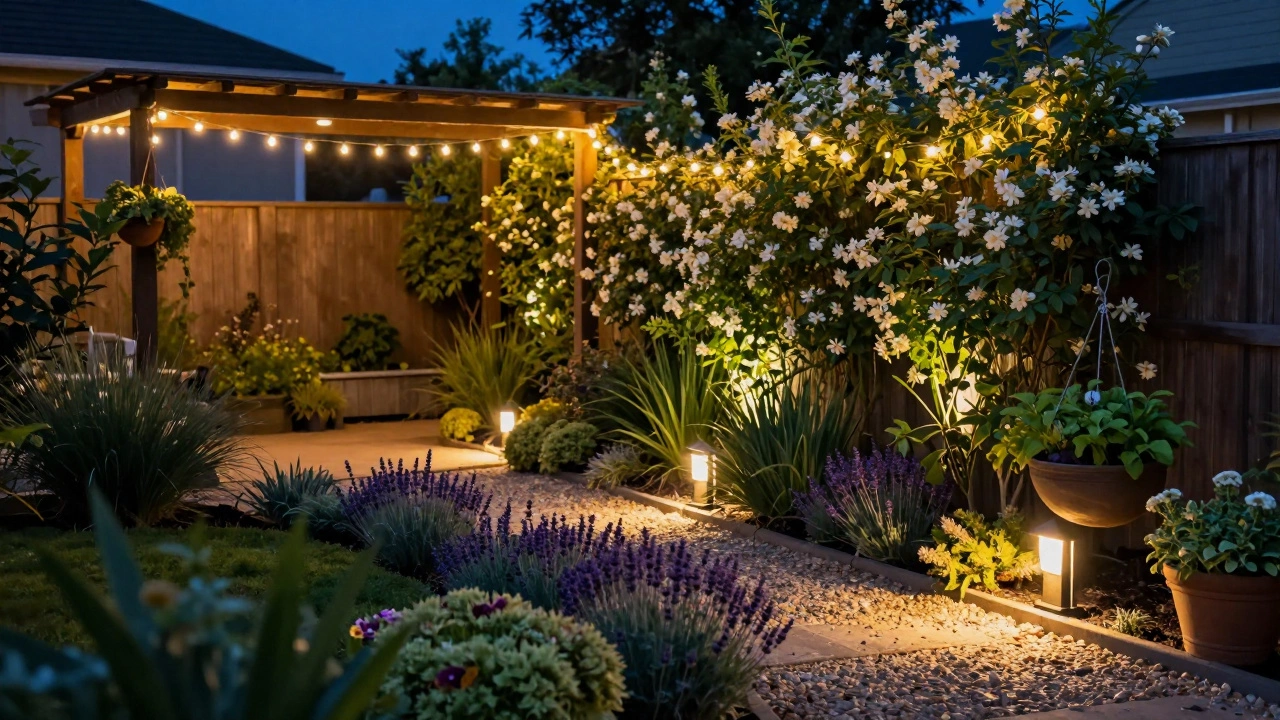
If you have an awkward view of a neighbor's window, use a trellis with climbing plants like clematis or jasmine. This creates a "soft" barrier that feels natural and inviting, unlike a solid wall which can feel oppressive. Remember, privacy doesn't mean isolation. It means controlling who sees what and when.
Choose Plants That Work for You
Plants are the paint on your walls, but they also require maintenance. A "good" backyard is one you enjoy, not one you dread weeding every weekend. Select plants based on your lifestyle, not just their beauty.
| Maintenance Level | Best Plant Types | Examples |
|---|---|---|
| Low | Native perennials, ornamental grasses | Lavender, Sedum, Miscanthus |
| Medium | Shrubs, small trees, herb gardens | Rosemary, Boxwood, Japanese Maple |
| High | Annual flowers, vegetable patches | Tomatoes, Petunias, Lettuce |
If you travel often or hate gardening, stick to evergreens and ornamental grasses. They look good year-round and rarely need cutting. If you love being outside, add a vegetable bed. But keep it contained. Raised beds made from cedar or recycled plastic define the space and prevent weeds from spreading into your lawn.
Don't forget vertical space. In small yards, walls are wasted real estate. Install hanging baskets, wall-mounted planters, or a vertical herb garden. This adds greenery without taking up floor space.
Lighting Sets the Mood
A backyard that looks great during the day can feel dead at night if the lighting is poor. Don't rely on a single floodlight; it creates harsh shadows and ruins the ambiance. Instead, use layered lighting.
First, install functional lights for safety. Pathway lights along walkways prevent tripping. Step lights under stairs are essential. Second, add ambient lighting. String lights draped across a pergola or between trees create a warm, festive atmosphere. Uplighting a focal tree or sculpture draws the eye upward and makes the space feel larger.
Finally, consider task lighting. If you have an outdoor kitchen, ensure the cooking area is well-lit. LED strip lights under counters provide even illumination without glare. Solar-powered lights are convenient for pathways, but for main areas, hardwired LEDs last longer and stay brighter.
Budget Smartly: Where to Splurge and Save
You don't need a professional landscaper to get a pro result. You do need to spend wisely. Here is where your money matters most:
- Splurge on: Hardscaping materials (pavers, decking) and quality furniture. These items last for years and define the usability of the space. Cheap wood rots quickly; cheap stone cracks.
- Save on: Plants. Young plants are cheap. Buy them small and let them grow. Also, save on decorative items like statues or ornaments. They collect dust and often look dated after a season.
- Avoid: Complex irrigation systems unless you have a large lawn. Simple drip lines or regular watering cans are sufficient for most residential gardens.
DIY the labor, hire pros for the heavy lifting. Moving soil and laying concrete requires skill and equipment. Planting and painting fences are perfect weekend projects.
Common Pitfalls to Avoid
Even experienced designers make mistakes. Watch out for these:
- Ignoring Drainage: If water pools in your yard, fix it first. No amount of pretty plants will help if your patio turns into a swamp after rain. Grade the land slightly away from the house.
- Overcomplicating Layouts: Curved paths look nice but waste space in small yards. Straight lines or simple L-shapes maximize usability.
- Forgetting Scale: Don't put a massive boulder in a tiny corner. Choose elements that fit the proportions of your space. Low furniture makes small yards feel bigger.
- Neglecting Views: Frame the best views. If you have a nice tree in the distance, position your seating to face it. Block ugly views (like a neighbor's bin store) with screens.
Designing a good backyard is iterative. Start with the basics: function, structure, and privacy. Add plants and lighting later. Live in the space for a few weeks before finalizing details. You'll quickly notice what works and what doesn't.
What is the first step in designing a backyard?
The first step is defining the primary function of the space. Decide whether you want it for entertaining, relaxation, gardening, or family play. This decision dictates the layout, materials, and plant choices that follow.
How do I make a small backyard feel larger?
Use vertical gardening to draw the eye up. Choose low-profile furniture to keep sightlines open. Incorporate mirrors or reflective surfaces to bounce light. Stick to a cohesive color palette and avoid cluttering corners with unnecessary decor.
Is it better to use natural grass or artificial turf?
Natural grass is eco-friendly and cool underfoot but requires regular mowing and watering. Artificial turf offers zero maintenance and stays green year-round but can get hot in summer and has environmental concerns regarding production. Choose based on your willingness to maintain and local climate.
What are the best plants for privacy in the UK?
Bamboo (clumping variety), Laurel, Boxwood, and Privet are excellent for dense screening. For softer privacy, consider Lavender, Rosemary, or climbing plants like Jasmine on trellises. Always check mature heights before planting to ensure they provide adequate coverage.
How much should I budget for a backyard redesign?
Budgets vary widely. A DIY project focusing on plants and minor hardscaping can cost £500-£1,500. A full renovation with professional installation, paving, and lighting can range from £5,000 to £20,000+. Prioritize hardscaping and quality furniture for long-term value.