Garden Layout Visualizer: The Rule of Odd Numbers
How to use: Click inside the garden area to place plants. Try planting in pairs (2, 4, 6) versus odd groups (3, 5, 7) and notice the difference in visual tension and flow.
Layout Analysis
Key Takeaways
- Even numbers create symmetry, which often feels artificial and rigid in a nature-based setting.
- Odd numbers break the eye's pattern, making the garden look more organic and relaxed.
- Groups of 3, 5, and 7 are the gold standard for creating depth and visual flow.
- The goal isn't to avoid even numbers entirely, but to avoid the 'mirror effect' in flower beds.
The Psychology of Visual Balance
When we see two of the same plant, our brains immediately start comparing them. We notice if one is slightly taller than the other or if one has a few fewer leaves. This is called symmetry, and while it works great for a formal ballroom or a courthouse, it feels wrong in a backyard. Nature isn't a mirror. A wild forest doesn't grow in perfectly matched pairs.
By using odd number planting is a design technique where plants are grouped in quantities of 3, 5, 7, or 9 to create a natural, asymmetrical balance, you trick the eye into seeing a cohesive unit rather than a set of individual specimens. When you have a group of three, the eye wanders across the group without getting stuck on a specific point of comparison. It creates a sense of movement and ease that is essential for any high-end Garden Design project.
Why Even Numbers Fail in the Garden
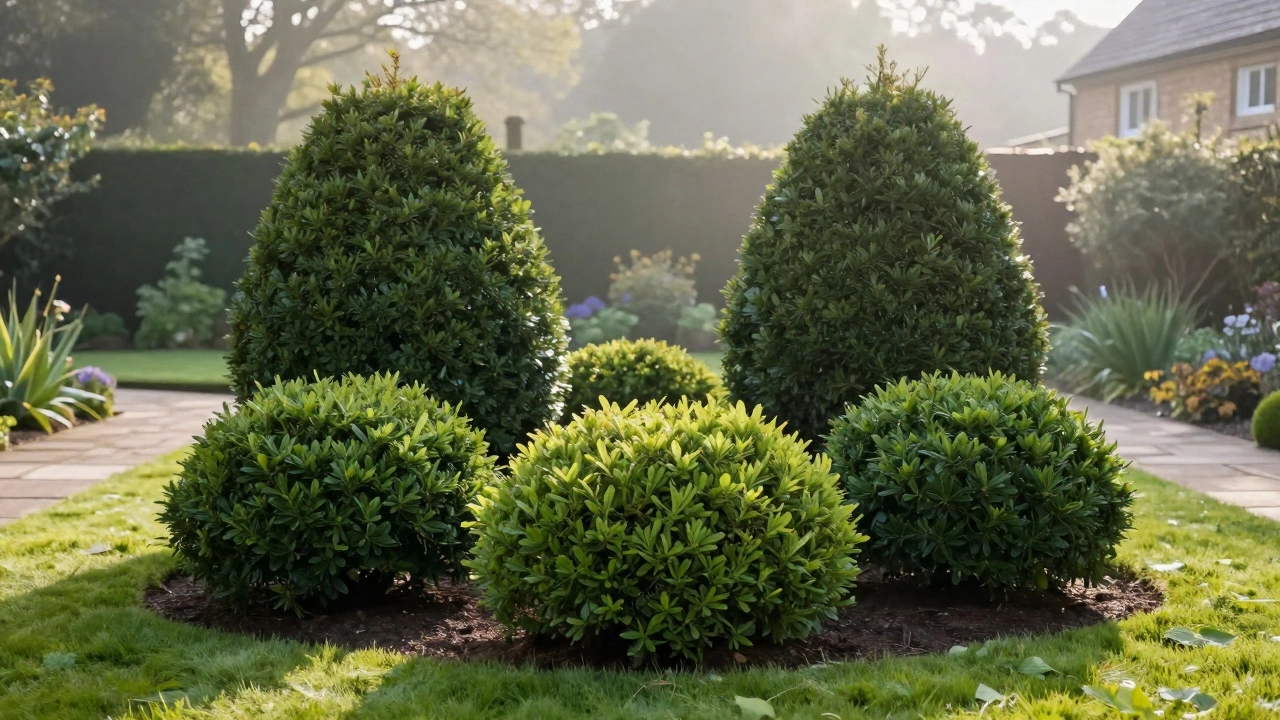
Imagine you've just bought two beautiful Boxwood shrubs and placed them on either side of a walkway. At first, it looks clean. But as they grow, any slight difference in size becomes a glaring error. Because they are a pair, your brain expects them to be identical twins. If one grows two inches faster than the other, the whole scene feels "off."
Now, imagine three Boxwoods arranged in a loose triangle. If one grows faster than the others, it doesn't look like a mistake; it looks like a natural variation. The asymmetry hides the flaws and emphasizes the form. This is why landscapers avoid 2, 4, or 6 plants in a single cluster. Even numbers create a "static" feeling, whereas odd numbers create a "dynamic" feeling.
The Magic Numbers: 3, 5, and 7
You don't need to plant 11 of everything to make this work. Most pros stick to a few specific counts based on the size of the area. Here is how to decide which odd number to use for your flower bed layout:
| Group Size | Best For... | Visual Effect |
|---|---|---|
| 3 Plants | Small borders or accent spots | Simple, clean, and focused. |
| 5 Plants | Medium beds or island gardens | Lush, full, and naturally wandering. |
| 7+ Plants | Large drifts or expansive landscapes | Immersive, flowing, and meadow-like. |
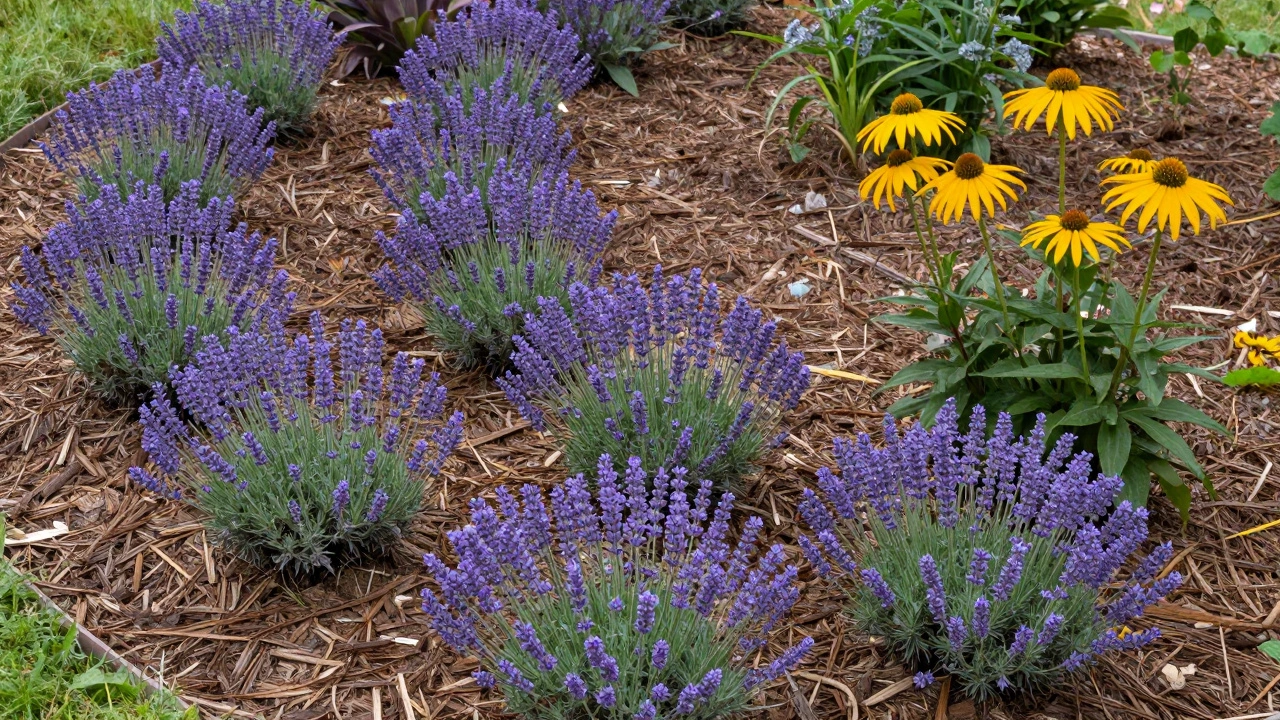
The trick is to avoid perfect circles or straight lines. If you're planting five Lavender plants, don't put them in a pentagon. Instead, scatter them in a loose, flowing shape. Think of it like a splash of paint on a canvas; it should have a direction and a flow, not a geometric boundary.
Applying the Rule to Different Garden Elements
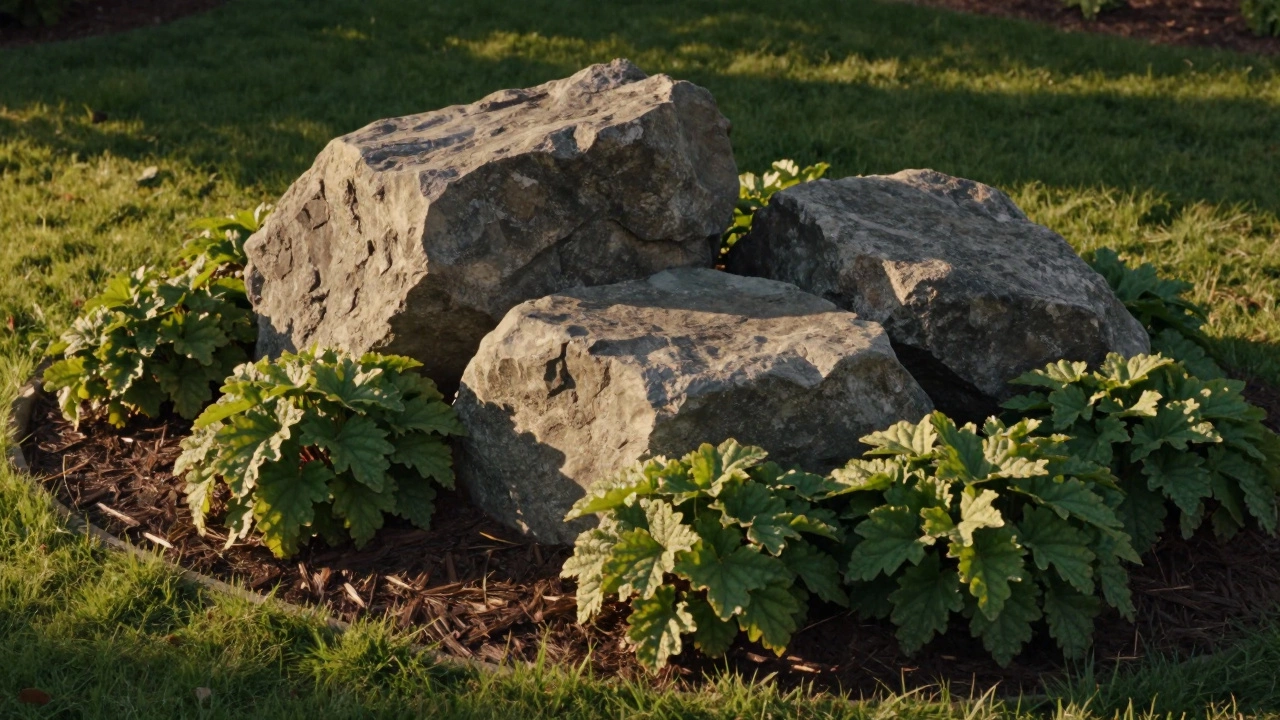
This isn't just for flowers. The rule of odd numbers applies to almost everything in your outdoor space. If you are adding Boulders for a rock garden, placing three rocks of varying sizes looks like a natural outcrop. Placing two rocks looks like someone just dropped two heavy stones in the dirt.
The same logic applies to lighting. Three path lights leading to a bench feel like a guiding trail. Two lights feel like a gateway. While gateways have their place, most of your garden should feel like an exploration, not a choreographed event. When you apply this to Perennials, you get a garden that evolves gracefully over the years. As plants spread and fill in, the odd-numbered groupings merge together, creating a seamless tapestry of color.
Common Pitfalls and How to Avoid Them
One of the biggest mistakes homeowners make is taking this rule too literally. You don't need every single group in your yard to be odd. If you have a very formal entry with two matching urns, keep them. Symmetry is great for architecture; asymmetry is great for nature. The key is knowing where to transition from the "built" environment to the "grown" environment.
Another mistake is planting the same species in one giant odd-numbered clump. While 7 hostas in a group looks good, 21 hostas in a row looks like a commercial nursery. To keep the look professional, mix your odd groupings. Try a group of 3 tall Coneflowers, offset by a group of 5 low-growing Heuchera. This creates layers of height and texture that keep the eye moving.
Step-by-Step Guide to Planting an Odd-Numbered Bed
If you're staring at a blank patch of soil and don't know where to start, follow this workflow to ensure your layout looks professional:
- Map the Focal Point: Decide where the "hero" of the bed will be. This could be a large shrub or a striking piece of art. Place one single, strong entity here.
- Plan the Drifts: Instead of rows, draw "blobs" on a piece of paper. These are your drifts. Assign an odd number to each blob (e.g., 3 here, 5 there).
- Vary the Spacing: Don't put the plants exactly 12 inches apart. Place some slightly closer together and others a bit further apart. This mimics how seeds actually fall in nature.
- Triangulate: When placing 3 or 5 plants, imagine a triangle. Place the plants on the points of that triangle rather than in a straight line.
- Fill the Gaps: If you end up with an even number because you have an extra plant, don't force it in. Either remove one or add another to bring the total back to an odd number.
Does the rule of odd numbers apply to all plants?
Generally, yes. It works best for perennials, shrubs, and accent plants. However, it doesn't apply to things like hedges or borders where the goal is a solid wall of greenery. For those, you want a continuous line, not distinct groups.
What if I only have two plants left?
The easiest fix is to buy one more of the same plant. If you can't, try integrating them into a larger group of a different species. Instead of two standalone plants, make them part of a group of five mixed plants to break up the symmetry.
Why do odd numbers look more natural than even numbers?
Our brains are wired to seek patterns. Even numbers create a symmetrical pattern that is rare in the wild. Odd numbers break that pattern, which removes the subconscious expectation of a "perfect match," making the arrangement feel organic and effortless.
Can I use the rule of odd numbers for potted plants?
Absolutely. Instead of two pots on a porch, try a cluster of three in varying heights. This creates a more curated, designer look and prevents the area from looking like a showroom display.
Is there such a thing as too many plants in a group?
Yes. Once you get past 9 or 11 plants of the exact same variety in one tight spot, it stops looking like a professional design and starts looking like a monoculture. To avoid this, transition to a new plant species or vary the colors within the same species.
Final Touches for a Pro-Level Garden
Once you've mastered the numbers, focus on the edges. The transition between your odd-numbered clusters and your lawn or mulch is where the magic happens. Avoid hard edges; let a few plants spill over the border. This reinforces the feeling that the garden is growing naturally rather than being strictly managed.
Combine your odd groupings with varying heights. Put your group of 7 tall plants in the back, a group of 5 medium ones in the middle, and a few low-growing groundcovers in the front. This creates a 3D effect that draws the viewer's eye through the entire bed, making the space feel larger and more complex than it actually is.