Raised Garden Bed Cost & Water Calculator
Everyone tells you to build a raised garden bed. They say it fixes bad soil, keeps your back happy, and looks tidy. It’s the golden ticket for home growers in Brighton and beyond. But here is the thing nobody puts on the brochure: they aren’t perfect. In fact, if you ignore the downsides, your new garden plot could become more work than it’s worth.
You might be dreaming of lush tomatoes and crisp lettuce, but there are two major headaches that come with elevating your plants. One hits your wallet before you even plant a seed. The other hits your schedule every single day during summer. Let’s look at what actually goes wrong when you dig out of the ground.
The Money Pit: High Initial Costs
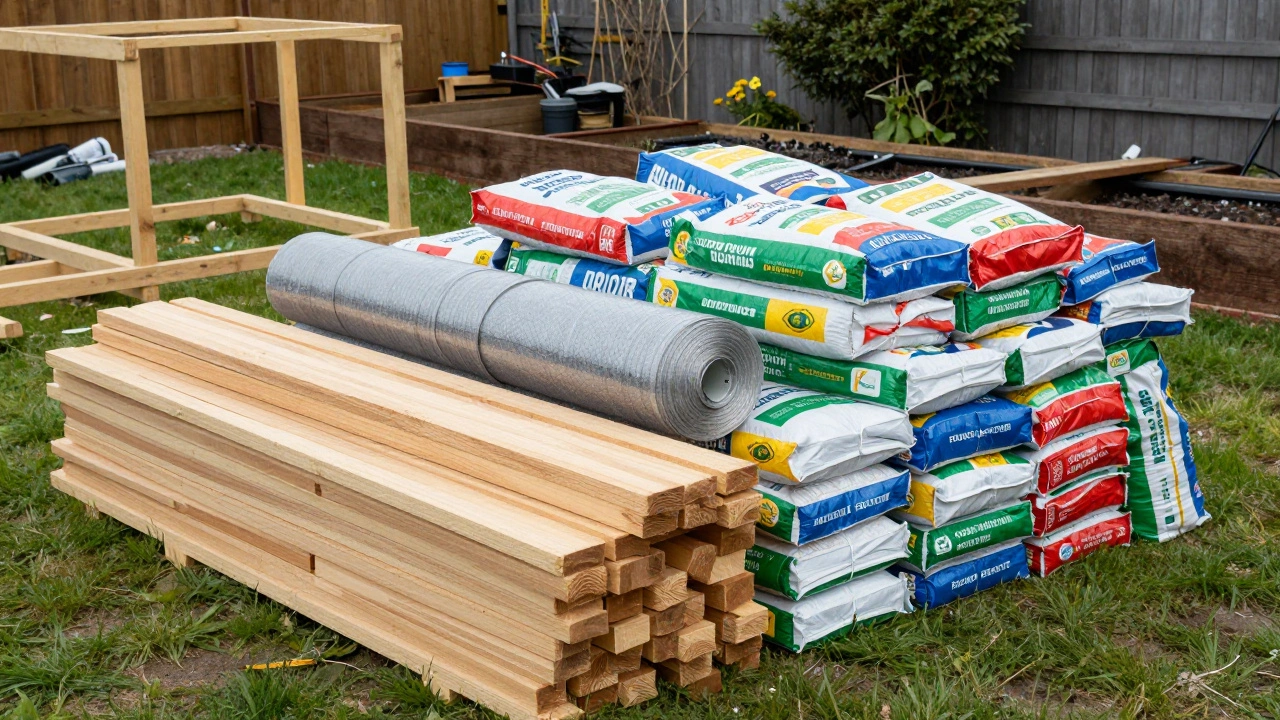
The first con is simple: it costs money. A lot of it. When you garden in the ground, your biggest expense is usually seeds or seedlings. With a raised bed, you are building infrastructure. You need lumber, hardware cloth (to stop moles and rats), and enough soil to fill the box. And I don’t mean just dirt from your backyard. You need high-quality growing medium.
Let’s do the math. A standard 4x8 foot bed that is 12 inches deep holds about 32 cubic feet of soil. If you buy bagged potting mix, which is convenient but pricey, you are looking at roughly £200 to £300 just for the soil. Add timber-preferably rot-resistant cedar or redwood because pine rots fast-and you are easily spending over £500 for one bed. That is before you add compost, fertilizer, or irrigation.
| Item | Estimated Cost (GBP) | Notes |
|---|---|---|
| Lumber (Cedar/Treated Pine) | £80 - £150 | Depends on wood type and thickness |
| Potting Mix/Soil Blend | £150 - £250 | High-quality blend for drainage |
| Hardware Cloth | £10 - £20 | For pest protection underneath |
| Compost & Fertilizer | £30 - £50 | Initial nutrient boost |
| Total | £270 - £470 | Per single bed |
This upfront investment is the biggest barrier. For beginners, this can feel like a huge risk. What if you kill the plants? You still spent hundreds of pounds. In-ground gardening allows you to start small with almost zero capital. Raised beds demand a commitment before you see a single leaf.
The Thirsty Trap: Rapid Drying Out
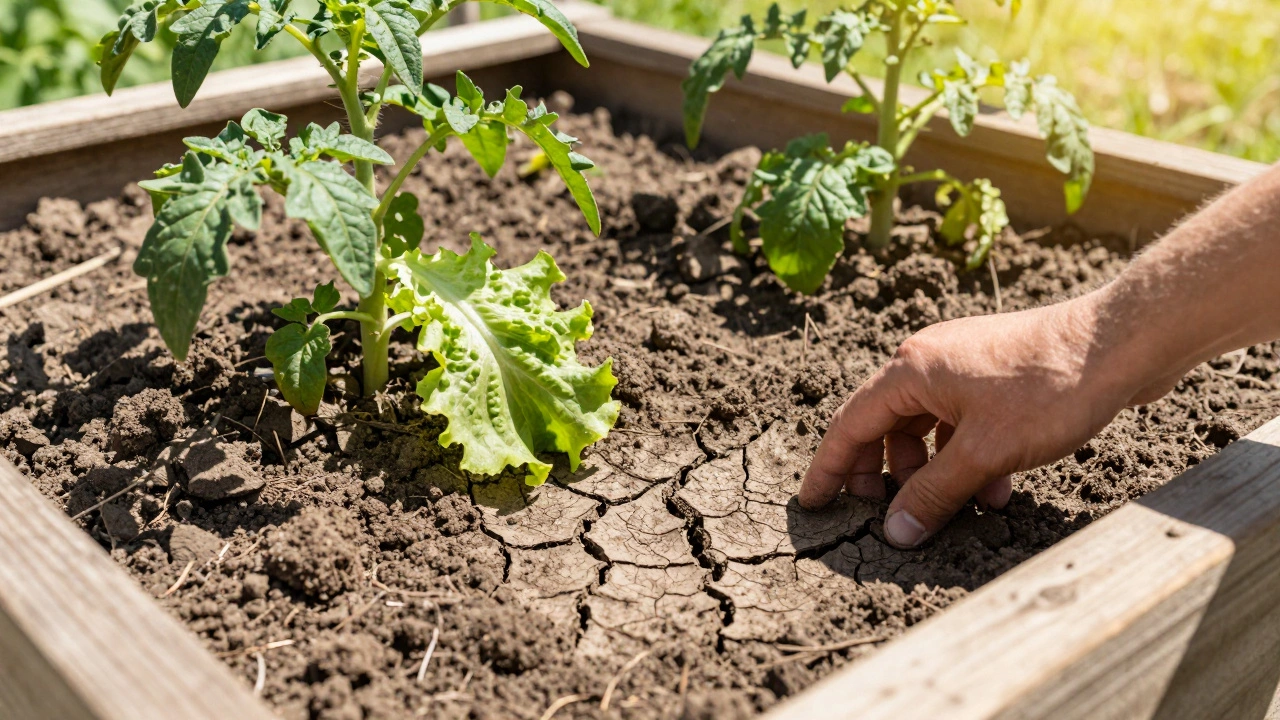
If cost is the entry fee, watering is the daily tax. This is the second major con, and it is often underestimated. Soil in a raised bed warms up faster and dries out faster than soil in the ground. Why? Because air circulates around all sides of the box, not just the top. Plus, there is no surrounding earth to wick moisture into the root zone.
In the UK, we get plenty of rain, right? Yes, but summers are getting hotter and drier. During a heatwave in July, a raised bed can go from damp to bone dry in less than 24 hours. If you go on holiday for a week without an automatic irrigation system, your garden will die. In-ground gardens have a buffer; the deeper soil retains moisture longer. Raised beds live on the edge.
This means you need to water more frequently. Hand-watering takes time. Installing drip irrigation adds complexity and another layer of cost. You have to monitor soil moisture constantly. Stick your finger in the dirt every morning. Check the leaves for wilting. It turns gardening from a relaxing hobby into a chore list. For busy people or those who travel often, this constant vigilance is exhausting.
Why These Cons Matter More Than You Think
You might think, "I’ll just buy cheap wood and use yard dirt." That leads to bigger problems. Cheap wood leaches chemicals or rots in two years. Yard dirt compacts in containers, suffocating roots. So you end up replacing the bed and the soil sooner, doubling your costs. The initial savings vanish quickly.
Similarly, ignoring the watering issue leads to crop failure. Tomatoes crack. Lettuce bolts. Roots shrivel. You lose the yield you were hoping for. The convenience of easy access and better drainage comes at the price of higher maintenance. It’s a trade-off. You gain control over soil quality, but you lose the passive support of the natural ground.
How to Mitigate the Downsides
Does this mean you shouldn’t build raised beds? No. They are fantastic for many reasons. But you need to plan for these two cons. Here is how smart gardeners handle them.
For the cost: Start small. Build one 4x4 foot bed instead of three large ones. Use free pallets if you can source untreated ones safely. Or use cinder blocks, which last forever and cost less per unit volume. Fill the bottom half of deep beds with cheap straw or cardboard to reduce the amount of expensive potting mix needed. This cuts soil costs by nearly half.
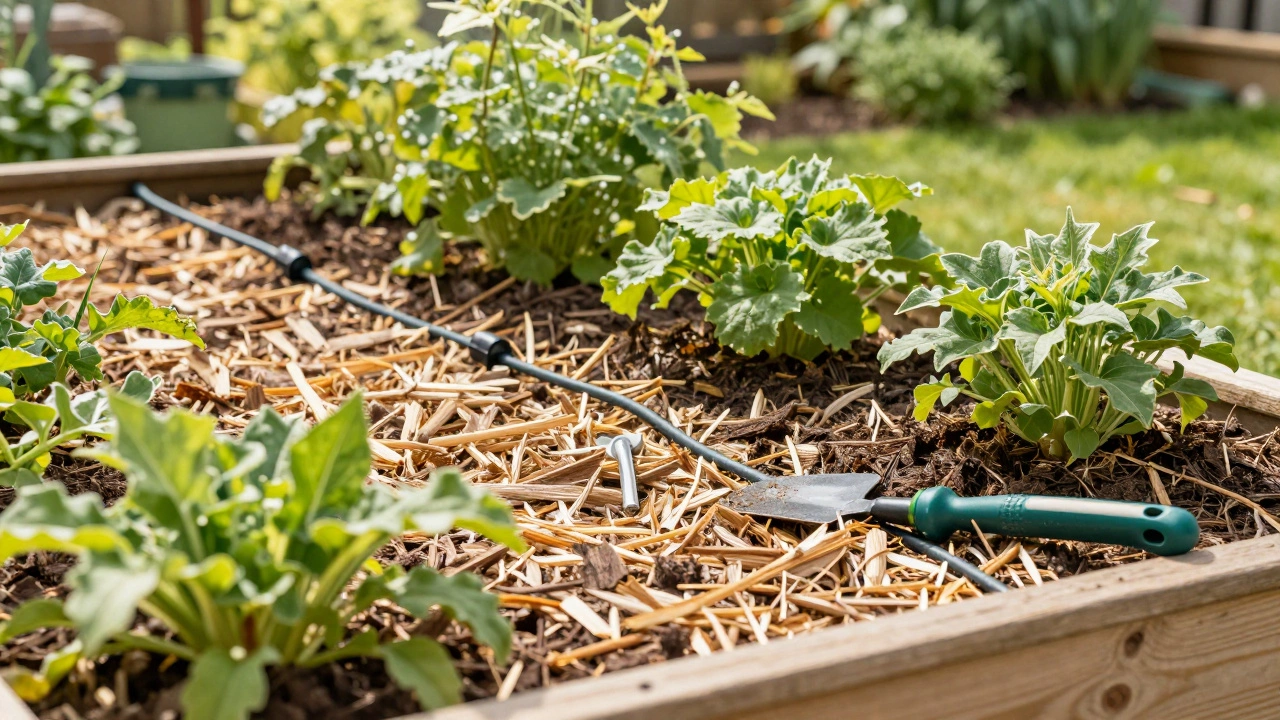
For the drying out: Mulch heavily. Cover the soil surface with 2-3 inches of straw, wood chips, or shredded leaves. This locks in moisture and reduces evaporation. Install a simple drip line connected to a timer. It costs about £30 and saves you hours of watering. Water deeply and less often to encourage roots to grow down, rather than shallowly every day.
When Raised Beds Are Still Worth It
Despite the cost and watering needs, raised beds win in specific scenarios. If you have clay-heavy soil that stays soggy in winter and hard as rock in summer, raised beds save you. If you have poor drainage or contaminated soil, they provide a clean slate. If you have mobility issues, the height makes gardening accessible. In these cases, the cons are manageable prices to pay for health and harvest.
But if your ground soil is decent, and you have time to improve it naturally with compost, in-ground gardening might be cheaper and easier. Don’t fall for the hype blindly. Assess your budget, your climate, and your schedule. Then decide if the elevation is worth the effort.
Are raised beds really more expensive than in-ground gardens?
Yes, significantly. While in-ground gardening requires minimal startup costs, raised beds require purchasing lumber, soil amendments, and potentially irrigation systems. A single 4x8 raised bed can cost between £270 and £470 initially, whereas in-ground plots may only cost the price of seeds and basic tools.
How often do I need to water raised beds in summer?
During hot UK summers, raised beds may need watering every day, sometimes twice a day. Without mulch or irrigation, the soil can dry out completely within 24 hours due to increased airflow around the sides of the bed. Consistent moisture monitoring is essential.
Can I use regular garden soil in raised beds?
It is not recommended. Regular garden soil tends to compact in confined spaces, reducing drainage and oxygen flow to roots. Instead, use a lightweight potting mix blended with compost and perlite for optimal growth conditions.
What is the best way to reduce watering frequency?
Apply a thick layer of organic mulch (straw, wood chips) to retain moisture. Additionally, installing a drip irrigation system with a timer ensures consistent watering without manual labor, significantly reducing the risk of drought stress.
Do raised beds last forever?
No. Wood beds typically last 5-10 years depending on the type. Cedar and redwood resist rot better than pine. Pressure-treated lumber lasts longer but raises concerns about chemical leaching. Non-wood options like stone or metal can last decades.