UK Late Summer Planting Planner
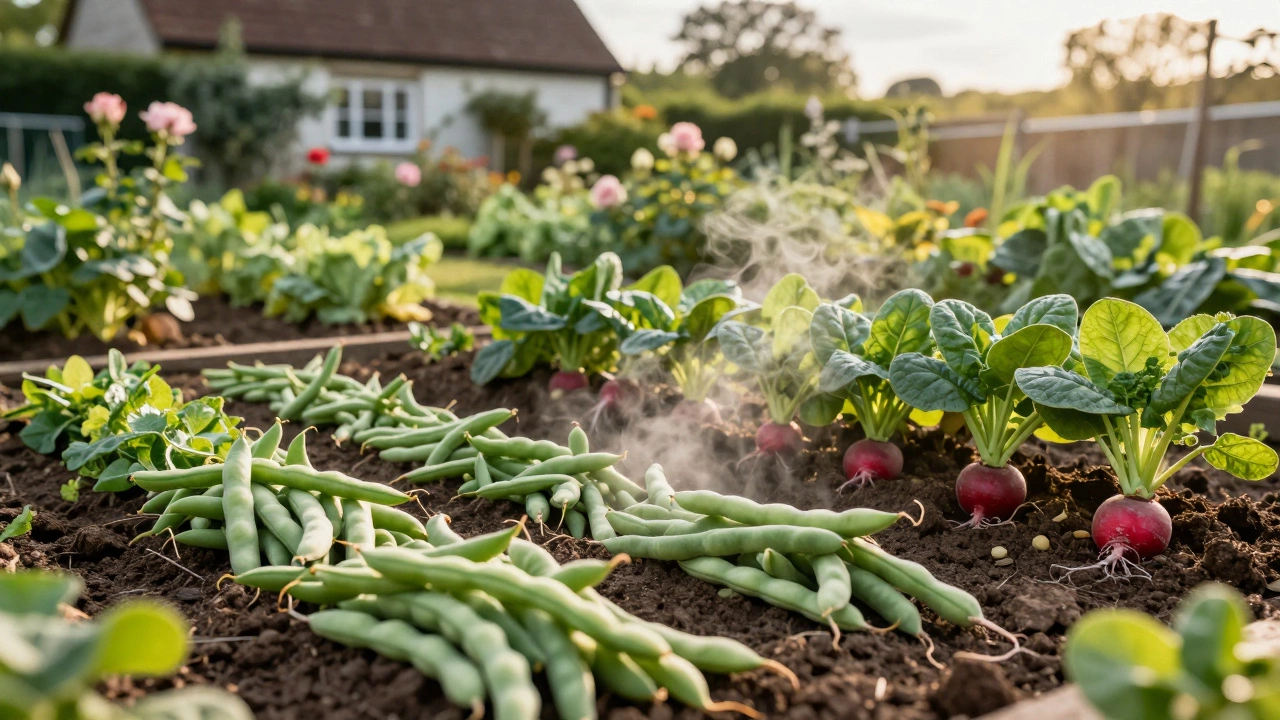
Select your UK climate zone to see what crops you can successfully sow directly in late June for an autumn harvest.
Recommended Crops for Late June Sowing
What to Avoid
It is late June. The light is still long, the soil is warm, and if you are standing in a garden anywhere in the United Kingdom, you might be feeling a mix of pride and panic. Pride because your early crops are likely thriving. Panic because you might be wondering if it is too late to start anything new. The short answer is no. It is not too late. But the planting calendar UK gardeners rely on shifts significantly after the summer solstice. The focus moves from starting seeds indoors to direct sowing for autumn harvests, preparing beds for winter greens, and planning for next spring.
Gardening in this country is less about following a rigid rulebook and more about reading the weather and understanding microclimates. A plot in south-east London behaves differently than one in the Scottish Highlands or the exposed coast of Cornwall. However, there are reliable patterns that hold true across most of the British Isles. Knowing these patterns helps you avoid wasting seed and energy on plants that won’t survive the coming months.
Understanding the UK Gardening Seasons
Most beginners think of gardening as a single season: spring through autumn. Experienced growers know it is actually two distinct cycles. The first cycle runs from March to August, focusing on warmth-loving crops like tomatoes, peppers, and broad beans. The second cycle begins in July and runs through November, focusing on cool-season crops like kale, spinach, garlic, and overwintering onions. Right now, we are at the pivot point between these two.
The key metric here is not just temperature, but daylight hours and frost risk. As days shorten after June 21st, plants that require long days to flower-like marigolds and zinnias-will struggle if started from seed now. Conversely, plants that bolt (go to seed prematurely) in heat, like lettuce and radishes, thrive when sown in the cooler evenings of late summer. Understanding this biological trigger is crucial for timing your sowing correctly.
- Spring Sowing: Focuses on hardy annuals and early brassicas. Soil temps need to reach 7°C (45°F).
- Summer Sowing: Focuses on root vegetables and salad leaves. Soil temps ideally above 10°C (50°F).
- Autumn Sowing: Focuses on overwintering crops and garlic. Soil must remain workable and not waterlogged.
What You Can Plant Right Now (Late June)
If you missed the April and May planting window, do not despair. Late June is an excellent time for specific categories of plants. The primary advantage right now is that the soil is warm, which accelerates germination for root crops. The disadvantage is that you have less time before the first frosts, usually arriving between October and December depending on your region.
| Crop Type | Specific Varieties | Expected Harvest | Notes |
|---|---|---|---|
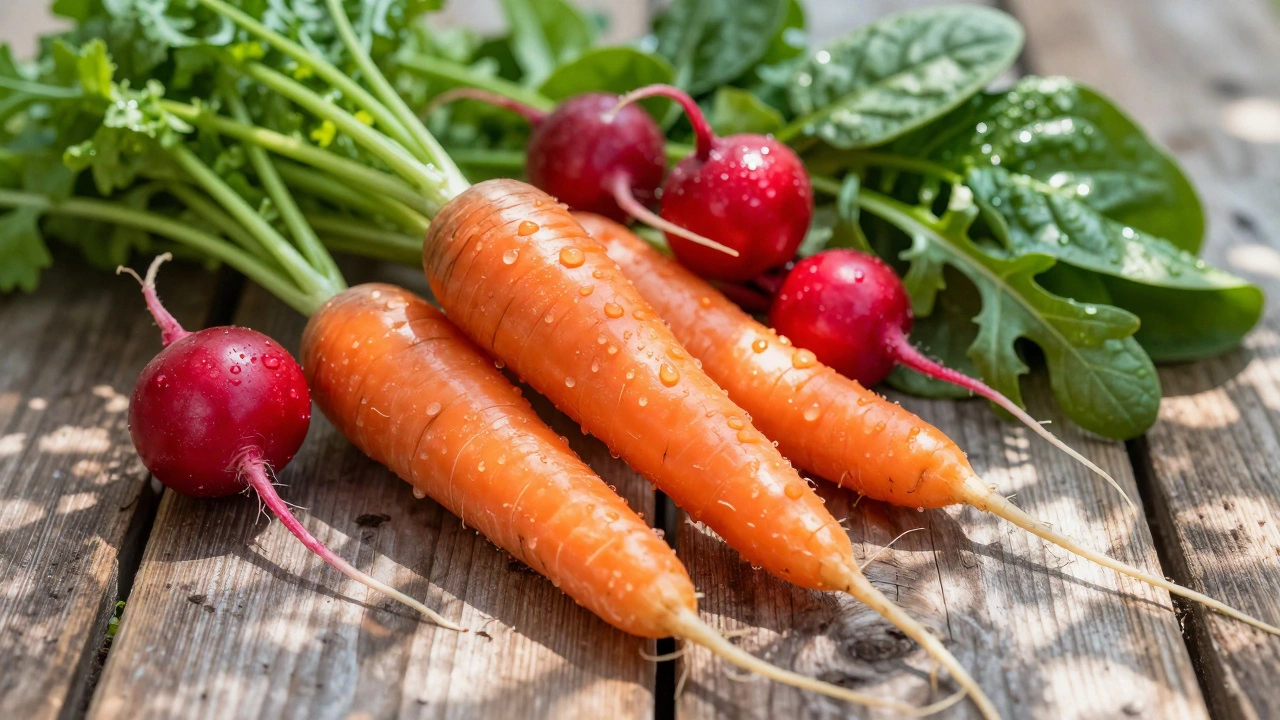
| Root Vegetables | Radishes, Turnips, Carrots (short varieties like Nantes) | August - September | Sow thinly. Radishes mature in 3-4 weeks. |
| Salad Leaves | Lettuce, Spinach, Rocket, Landcress | July - October | Succession sow every 2 weeks to avoid bolting. |
| Herbs | Coriander, Parsley, Dill | August onwards | Coriander bolts quickly; keep moist. |
| Brassicas | Kale, Winter Cabbage | October - January | Sow in modules now, plant out in August. |
Avoid starting heavy feeders like courgettes or squash from seed now. They will grow large vines but likely produce few fruits before the cold sets in. Instead, buy established plants if you want those crops, or accept that they are a spring/early summer priority.
The Autumn Sowing Window: Preparing for Winter Greens
This is the most overlooked part of the UK planting calendar. A structured timeline for sowing and planting crops based on regional climate conditions to maximize yield and minimize pest pressure. Many gardeners stop working after the main summer harvest. This is a mistake. The period from mid-July to September is critical for establishing crops that will feed you through the winter.
Kale is the king of winter gardens. If you sow hardy kale varieties (like ‘Caledonian’ or ‘Winter Borwick’) in July, they will establish strong root systems before the ground freezes. By October, they can be planted out into their final positions. These plants become sweeter after exposure to frost, as the plant converts starches to sugars to prevent cell damage. Similarly, winter cabbage needs to be sown in July to ensure heads form before Christmas.
Garlic is another crop that requires precise timing. It should be planted in October or November to allow roots to develop before winter dormancy, but it needs to be ordered and prepared for now. Soft-necked garlic can be stored better, while hard-necked varieties offer superior flavour but require colder winters to multiply properly. In southern England, soft-necked types often perform more reliably due to milder temperatures.
Regional Differences: South vs. North
The United Kingdom may seem small, but its gardening zones vary dramatically. The RHS (Royal Horticultural Society) divides the country into six climate zones. Zone 1 covers the far north of Scotland, where the growing season is short and unpredictable. Zone 6 covers south-east England and parts of Wales, where mild autumns extend the growing season significantly.
If you are in Zone 1 or 2, treat late June as the end of the outdoor sowing window for most tender crops. Focus on hardy brassicas and root vegetables. If you are in Zone 5 or 6, you can experiment with longer-season varieties of carrots and even attempt a second crop of bush beans, provided you protect them from slugs. Always check your local last-frost date, but remember that autumn frosts are the real constraint for late-sown crops.
Soil Preparation for Late Season Planting
Before you sow anything in late summer, assess your soil. After months of intensive use, your beds are likely depleted. Adding organic matter is essential. Well-rotted compost or manure improves soil structure, retains moisture during dry spells, and provides slow-release nutrients. Avoid fresh manure, which can burn young roots and introduce weed seeds.
Mulching is also critical now. As temperatures drop, a thick layer of mulch (straw, leaf mould, or grass clippings) insulates the soil, preventing it from freezing solid and protecting emerging seedlings. For root crops like carrots, keep the area around the crown clear to prevent rot, but mulch generously between rows to suppress weeds that compete for dwindling sunlight.
Pest Management in Late Summer
Pests change with the seasons. Aphids, which plague spring crops, tend to decline as temperatures cool. However, slugs and snails become more active in the damp, mild conditions of late summer and autumn. Young seedlings of lettuce and cabbage are particularly vulnerable. Use physical barriers like copper tape or crushed eggshells, or deploy nematodes (biological control agents) in the soil. Nematodes are microscopic worms that infect and kill slugs without harming other wildlife.
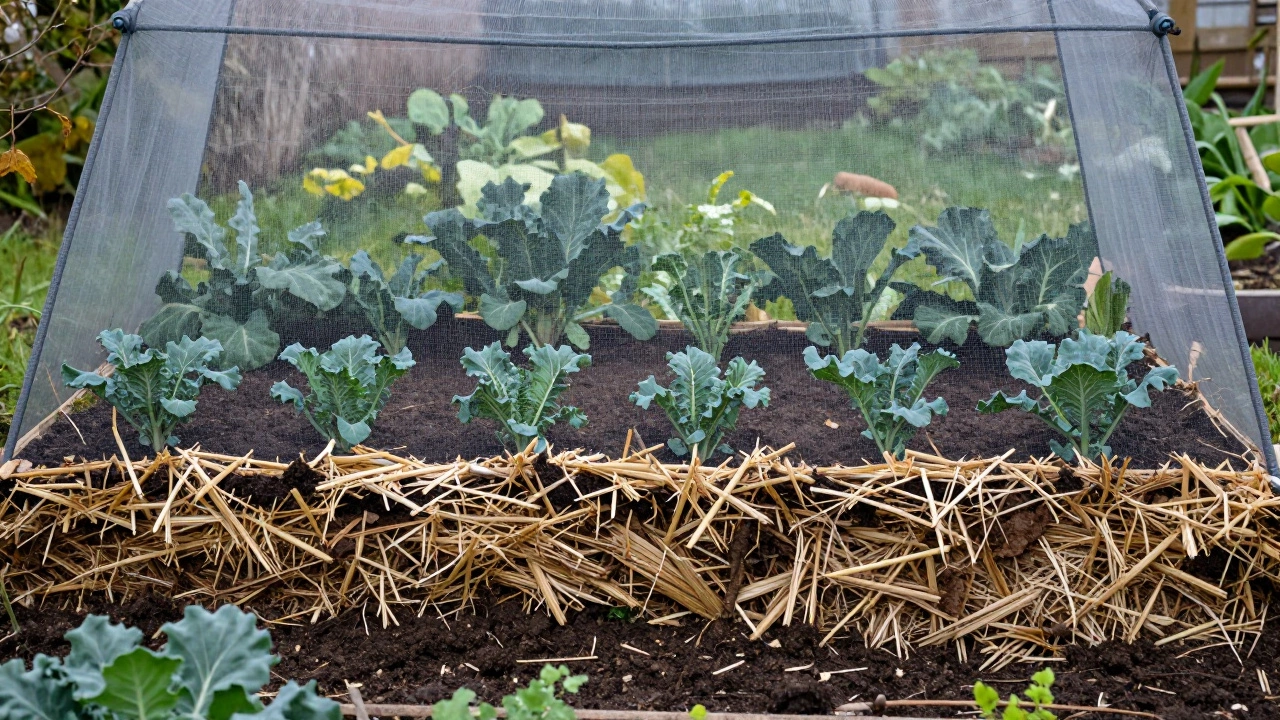
Flying pests like cabbage white butterflies are still active. Monitor your brassicas daily. If you see white butterflies, remove them by hand. Netting is highly effective for protecting crops from birds and larger insects. Invest in sturdy netting supports, as wind can tear flimsy structures down.
Planning for Next Year: The Off-Season Strategy
While managing current crops, start thinking ahead. Crop rotation is vital to prevent disease buildup and nutrient depletion. Brassicas deplete nitrogen, so follow them with legumes (beans, peas) which fix nitrogen back into the soil. Root crops should follow legumes, and then leafy greens. Sketch a simple map of your garden, noting what grew where this year. This prevents you from planting potatoes in the same spot two years running, which drastically increases the risk of blight.
Also, save seeds from your best-performing plants. Heirloom varieties like ‘Hertfordshire Lamb’s Tongue’ beetroot or ‘White Lisbon’ celery can be saved if isolated from other varieties to prevent cross-pollination. Saving seeds connects you to local adaptation; plants that survive your specific garden’s quirks are likely to produce resilient offspring.
Is it too late to plant tomatoes in the UK in June?
If you are starting from seed, yes, it is generally too late for a substantial harvest unless you live in a very mild microclimate or use a heated greenhouse. However, buying established plants from a nursery in late June can still yield fruit, especially if you choose early-maturing varieties like ‘Micro Tom’ or ‘Talisman’. Ensure they are well-fed and protected from wind.
When is the best time to plant garlic in the UK?
The ideal window is October to November. Planting allows the cloves to establish roots before winter dormancy but avoids premature sprouting. Choose hard-necked varieties for colder northern regions and soft-necked for milder southern areas. Plant cloves pointed-end up, about 5cm deep and 10cm apart.
Can I sow lettuce in July and August?
Yes, absolutely. Summer-autumn lettuces are often tastier than spring ones because they grow slower and develop deeper flavour. Choose bolt-resistant varieties like ‘Salad Bowl’ or ‘Tom Thumb’. Keep the soil consistently moist to prevent bitterness, and consider shading nets if temperatures exceed 25°C.
What vegetables should I avoid planting in late summer?
Avoid long-season crops that require consistent warmth, such as sweetcorn, pumpkins, and most squashes. Also, avoid starting new potato crops, as they need 10-12 weeks to mature and will be damaged by early frosts. Focus instead on fast-maturing roots and hardy greens.
How do I protect my garden from slugs in autumn?
Slugs thrive in damp, cool weather. Use pheromone traps to monitor populations. Apply nematodes to the soil for biological control. Physical barriers like copper tape or diatomaceous earth can deter them. Remove hiding spots like debris and dense weeds. Beer traps are a classic method but less effective than nematodes for heavy infestations.