Garden Value & ROI Calculator
Enter your current home value and planned landscaping budget to estimate your new market value.
Estimated Impact
Potential Value Added
£0
New Est. Value
£0
Return on Investment
0%
You’ve just listed your home, or maybe you’re thinking about it next year. The estate agent walks through the front door, nods at the kitchen renovation, but then steps outside and pauses. That pause tells you everything. A backyard isn’t just a patch of grass; in the UK market, especially here in places like Brighton where space is premium, it’s often the deciding factor between a sale and a stale listing. But what actually adds the most value? Is it that expensive patio set? The intricate water feature? Or something simpler?
While hard landscaping like patios and decking provides structure, it is low maintenance plants that breathe life, color, and perceived luxury into the space without demanding hours of your weekend. Buyers don’t want a project; they want a retreat. They want to see greenery that looks established, healthy, and effortless. If your garden looks like a full-time job, it feels like a liability. If it looks like a private oasis, it becomes an asset.
The Psychology of "Effortless" Gardens
Why do buyers pay more for gardens with mature, easy-care planting? It comes down to cognitive load. When people view a property, they are mentally calculating the cost of ownership-not just financially, but in terms of time and energy. A lawn that needs mowing three times a week in summer is a chore. A border filled with perennials that die back and require replanting every spring is a headache.
In contrast, a garden dominated by evergreen shrubs, ornamental grasses, and self-seeding perennials signals relaxation. It suggests that the homeowner has already done the heavy lifting. You are selling the idea of morning coffee on the terrace surrounded by privacy screens that never need trimming. This perception of "turnkey" beauty is worth thousands in equity. In competitive markets, this aesthetic edge can shave weeks off the time on market.
Top Low Maintenance Plants That Boost Curb Appeal
To maximize value, you need plants that offer year-round interest, require minimal watering once established, and resist pests. Here are the heavy hitters that deliver high visual impact for low effort.
| Plant Name | Type | Key Benefit | Maintenance Level |
|---|---|---|---|
| Buxus sempervirens (Boxwood) | Evergreen Shrub | Creates formal structure and privacy | Low (trim twice a year) |
| Lavandula angustifolia (Lavender) | Herbaceous Perennial | Scent, color, and pollinator attraction | Very Low (drought tolerant) |
| Stipa tenuissima (Mexican Feather Grass) | Ornamental Grass | Movement and soft texture | Low (cut back once in spring) |
| Rosmarinus officinalis (Rosemary) | Evergreen Shrub | Culinary use and architectural form | Very Low |
| Hedera helix (Ivy) | Climber/Groundcover | Fast coverage for walls and slopes | Low (prune annually) |
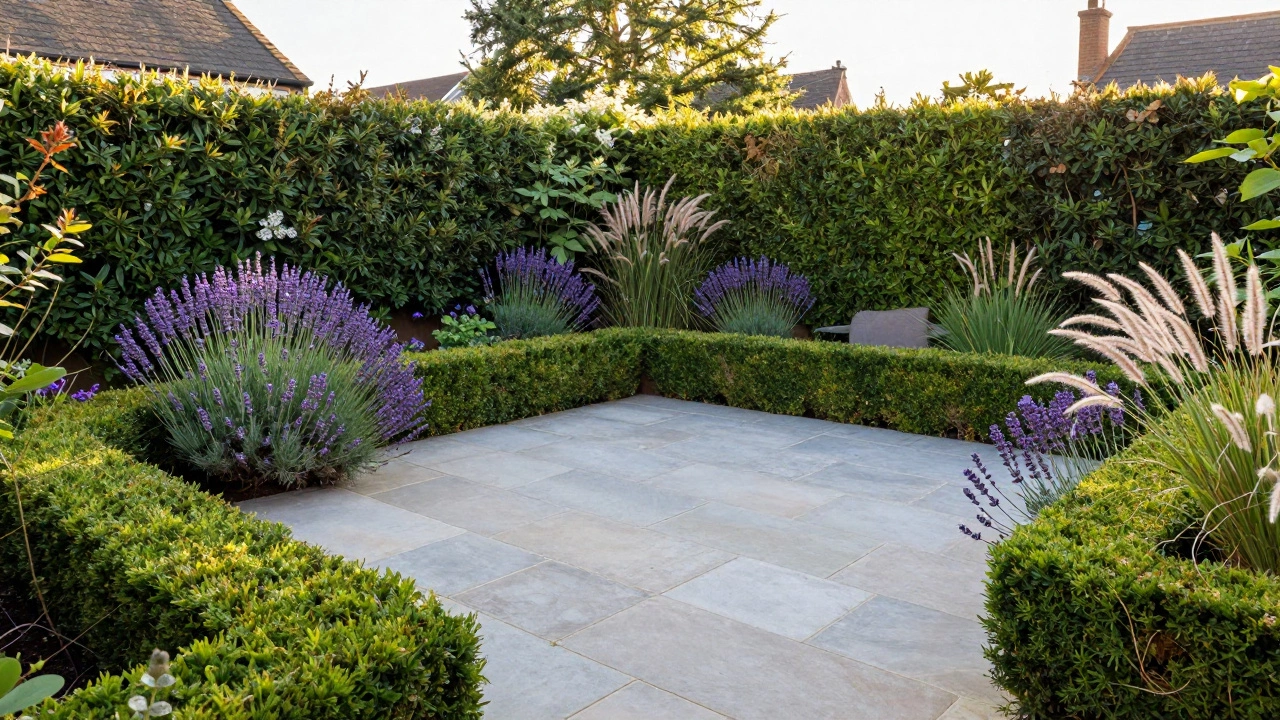
Boxwood remains the gold standard for structure. Even if you keep it informal, its dense, dark green foliage provides a backdrop that makes other colors pop. Lavender adds a sensory layer-scent is a powerful memory trigger for buyers. Ornamental grasses like Stipa add movement without the mess of fallen petals. These plants work together to create a layered look that feels designed, not accidental.
Hard Landscaping vs. Soft Landscaping: The Value Ratio
It’s tempting to pour savings into a large stone patio. While hardscaping defines usable space, softscaping (plants) defines the *feel*. A bare patio is just concrete. A patio framed by climbing roses and flanked by box hedges is an outdoor room.
Think of it this way: Hardscaping is the skeleton; plants are the skin and clothes. You can have a strong skeleton, but without good presentation, it doesn’t attract attention. For maximum ROI, aim for a 60/40 split: 60% hardscape for functionality, 40% softscape for beauty and privacy. This ratio ensures the space is usable while still feeling lush and private.
Invest in quality soil preparation before planting. Healthy soil means healthier plants, which means less replacement and fewer gaps in your borders. Poor soil leads to scraggly plants, which scream "neglect" to potential buyers.
Privacy and Boundaries: The Silent Value Adders
In urban and suburban areas, privacy is currency. Neighbors looking over fences or seeing into your living space reduces the perceived utility of your garden. Tall, fast-growing evergreens like Leylandii (where appropriate) or denser options like Yew can create instant walls.
If you don’t have space for tall trees, consider vertical gardening. Climbing plants like Jasmine or Star Jasmine on trellises provide height, scent, and screening without taking up floor space. This is particularly effective in smaller UK gardens where horizontal space is limited. A well-screened garden feels larger and more exclusive.
Seasonal Interest: Avoiding the Winter Slump
A common mistake is planting only for summer blooms. When a buyer visits in November, a garden full of dead annuals looks barren and depressing. To maintain value year-round, include plants with winter interest.
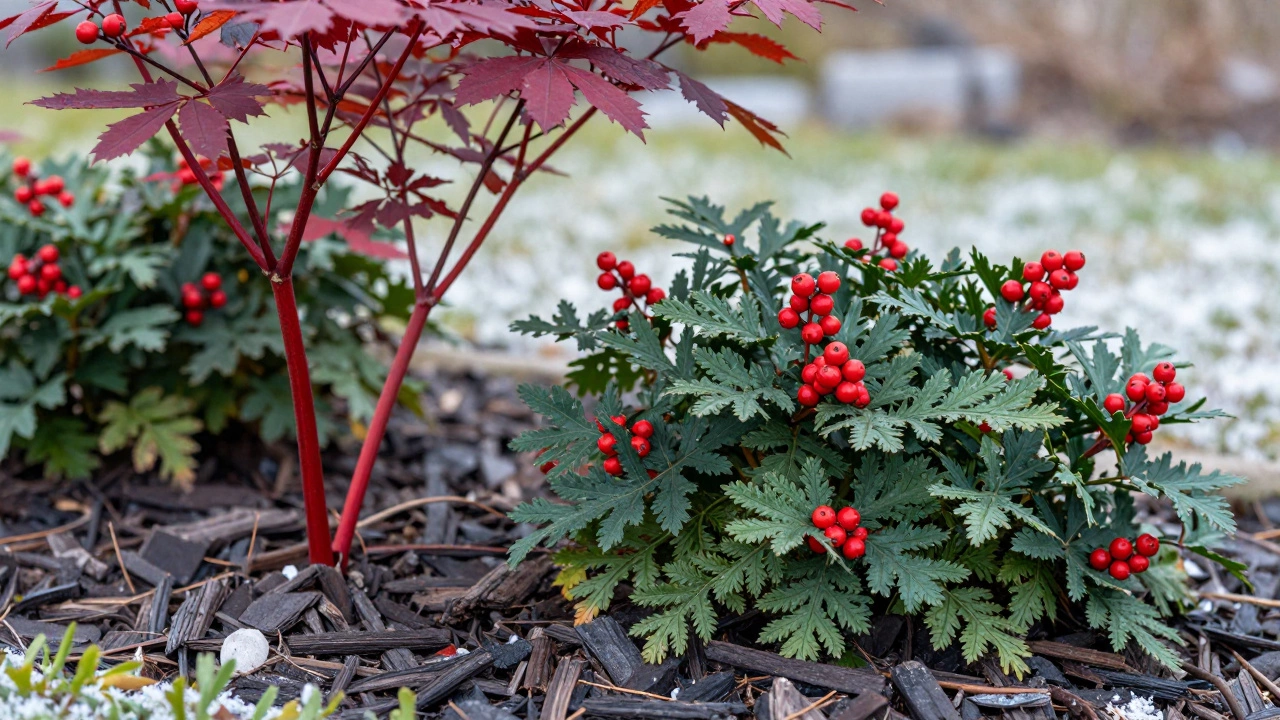
- Winter Berries: Skimmia japonica offers red berries and evergreen leaves.
- Bark Texture: Cornus sanguinea (Dogwood) has bright red stems that glow in winter light.
- Fragrance: Daphne odora smells incredible in late winter, signaling care even when nothing else is blooming.
This continuity shows that the garden is a living, breathing part of the house all year long, not just a summer accessory.
Common Mistakes That Devalue Your Garden
Not all gardening adds value. Some efforts actively subtract from it. Here is what to avoid:
- Overcomplication: Too many different plant types create a chaotic look. Stick to a cohesive palette of greens, whites, and one accent color.
- High-Maintenance Features: Koi ponds, complex irrigation systems, or rare tropical plants signal future costs. Buyers worry about who will feed the fish or fix the pump.
- Clutter: Remove broken pots, old tools, and mismatched furniture. Clutter makes spaces feel smaller and disorganized.
- Neglected Edges: Weeds growing between paving slabs suggest poor upkeep. Clean edges imply a clean house.
Keep it simple. Simplicity equals ease of maintenance. Ease of maintenance equals higher perceived value.
Lighting: Extending the Usable Hours
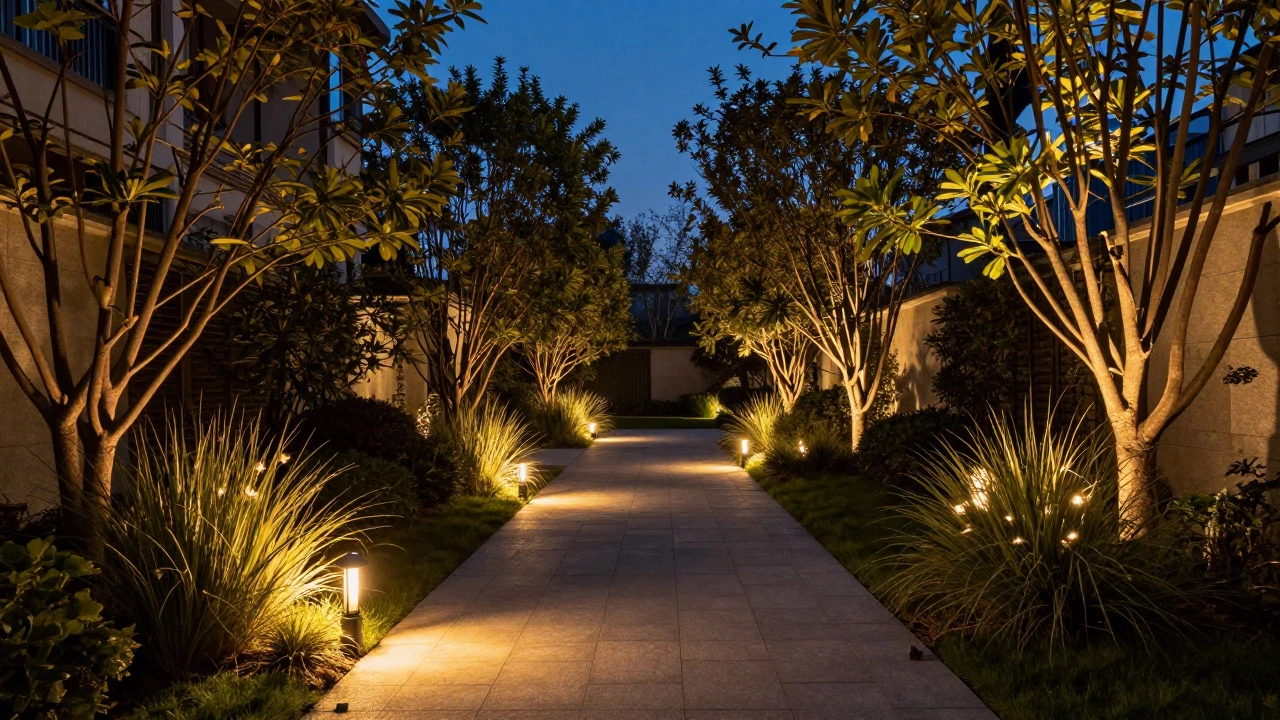
A garden that disappears after sunset loses half its utility. Solar-powered path lights or low-voltage LED spotlights highlighting key plants can dramatically increase the appeal of your outdoor space. Lighting draws the eye upward, emphasizing the height of trees and shrubs, and creates a warm, inviting atmosphere for evening entertaining.
Strategic lighting also enhances security, another subtle value-add for families. Position lights near entrances and along pathways to ensure safety without creating light pollution.
Next Steps for Immediate Impact
If you’re preparing to sell or simply want to enjoy your space more, start with these actionable steps:
- Audit Your Current Plants: Remove any diseased or dying specimens. Replace them with robust, native varieties suited to your local climate.
- Add Mulch: A fresh layer of bark mulch suppresses weeds, retains moisture, and gives flower beds a crisp, finished look instantly.
- Define Zones: Use plants to separate seating areas from play areas or compost zones. This functional zoning increases the perceived size of the garden.
- Trim and Tidy: Give all existing shrubs a neat trim. Prune back overgrown branches to let light into the center of the plants.
Remember, you aren’t just planting seeds; you’re planting impressions. Every leaf, stem, and bloom contributes to the story of your home. By focusing on low maintenance, high-impact plants, you create a backyard that works for you, not against you.
Does a garden really increase property value?
Yes, studies consistently show that a well-maintained garden can increase property value by 5-15%. In competitive markets, it can be the tie-breaker between multiple offers. The key is perceived usability and aesthetics, not just square footage.
What are the best low maintenance plants for UK climates?
Native species like Boxwood, Lavender, Rosemary, and various ornamental grasses thrive in the UK’s temperate climate. They are adapted to local rainfall and temperature fluctuations, requiring less intervention than exotic varieties.
Should I install a patio or plant more flowers?
Aim for balance. A patio provides functional living space, but without surrounding plants, it feels sterile. Use plants to frame the patio, provide privacy, and soften the hardscape. The combination adds more value than either element alone.
How much does landscaping cost versus the return on investment?
Basic landscaping with plants and mulch can yield a 100-200% ROI if done strategically. High-end features like pools or extensive stonework may only recoup 50-70%. Focus on broad appeal rather than personal luxury preferences.
Can I DIY my garden makeover to save money?
Absolutely. Planting, mulching, and pruning are tasks most homeowners can handle. Hiring professionals for design consultation or major hardscaping is wise, but the ongoing maintenance of low-maintenance plants should be manageable for you.