UK Garden Planner & Estimator
Enter your details and click "Generate Plan" to see recommendations.
There is no such thing as a 'perfect' garden in the sense of a magazine cover that never changes. But there is a perfect garden for your life-one that works with your time, your space, and the specific climate of your region. If you are standing on a patch of bare earth or staring at a tired lawn in Brighton, the goal isn't just aesthetics; it's function. You want a space that invites you out, requires manageable effort, and thrives without constant intervention.
Setting up this kind of garden starts long before you buy your first seedling. It begins with understanding what your land can actually support. Many people rush to plant because they are excited by catalogues, but they end up fighting their environment. By taking the time to assess your site, plan your layout, and choose the right plants, you build a foundation that lasts years rather than seasons.
Analyze Your Site Before Planting Anything
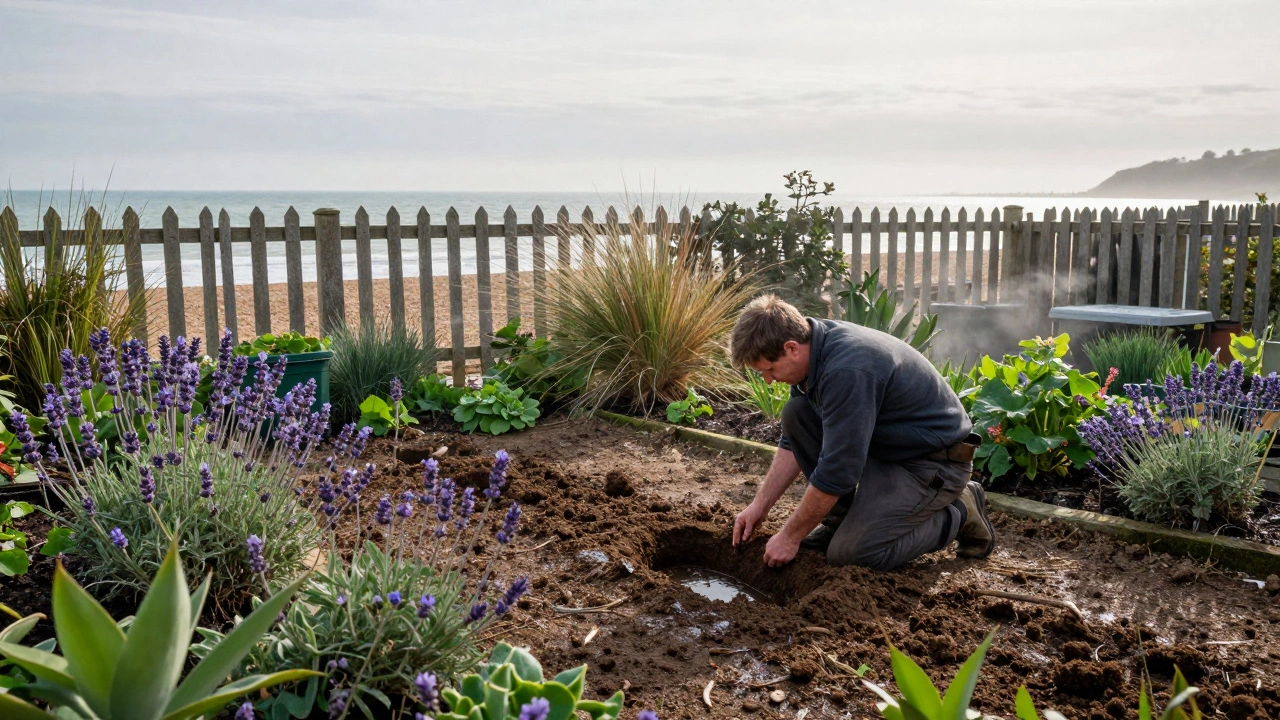
The most common mistake new gardeners make is ignoring their microclimate. In the UK, particularly in coastal areas like Brighton, you face unique challenges. Salt spray from the English Channel can damage sensitive foliage, while strong winds can strip moisture from soil faster than inland gardens. Before you draw a single line on paper, spend a week observing your space.
Walk through your garden at different times of the day. Note where the sun hits hardest in July and where shade lingers in November. This observation determines your sun exposure. Most vegetables need six to eight hours of direct sunlight, while many ornamental perennials thrive in partial shade. If your back garden is shaded by a tall fence, don't try to force a vegetable patch there. Instead, look into shade-loving options like hostas or ferns.
Next, check your drainage. Dig a small hole about 30 centimeters deep and fill it with water. If it drains within an hour, your soil has good permeability. If it sits there all day, you have heavy clay or poor drainage. This is critical because root rot is a silent killer. In areas with poor drainage, consider raised beds, which allow you to control the soil composition entirely, bypassing the native ground issues.
Design for Function and Flow
A perfect garden feels intuitive. You shouldn't have to think about how to move through it. Start by defining the purpose of each zone. Do you need a space for dining? A quiet corner for reading? A dedicated area for growing herbs near the kitchen door?
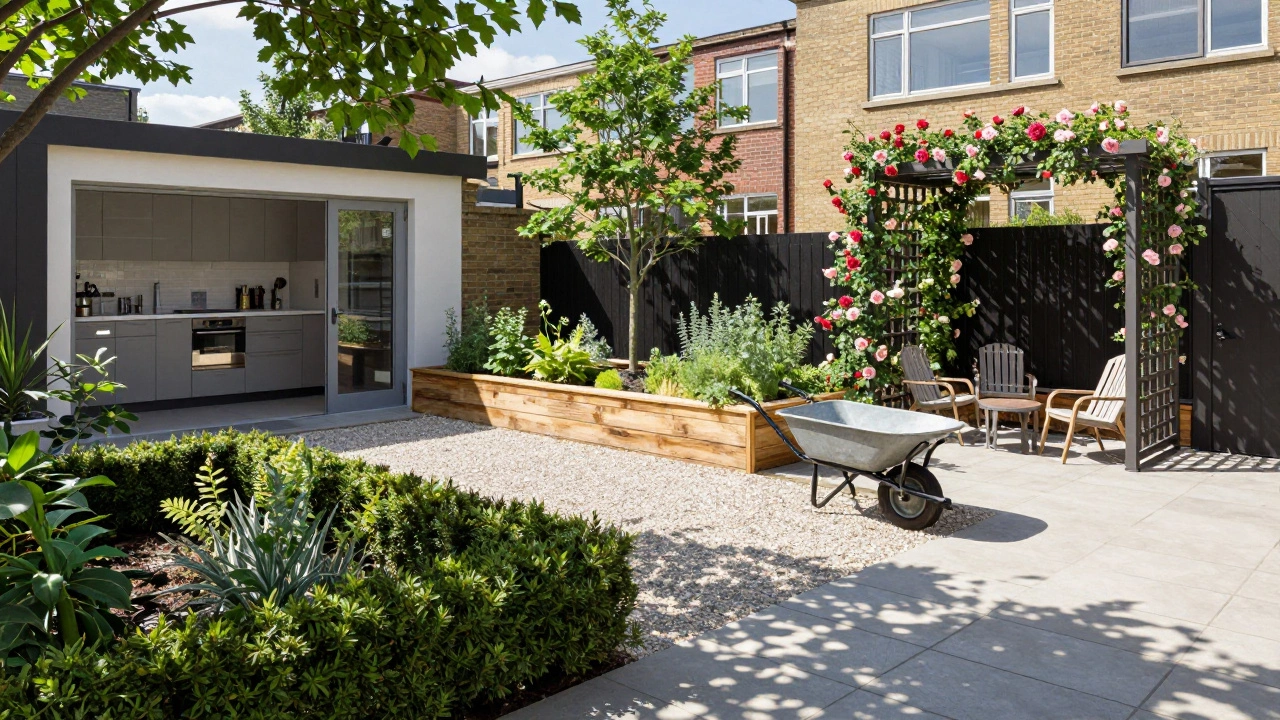
Use the concept of 'rooms' to organize your space. Even a small urban garden can be divided into distinct areas using hedges, trellises, or changes in paving material. For instance, a gravel path can separate a high-maintenance flower bed from a low-maintenance lawn area. This visual separation helps manage expectations and workload.
Consider the flow of traffic. Keep pathways wide enough for a wheelbarrow if you plan to grow vegetables. Narrow paths create bottlenecks during harvest season. Aim for at least 60 centimeters for casual walking and 90 centimeters if you need to pass tools or carts. Good circulation prevents wear-and-tear on your plants and makes maintenance less frustrating.
Prepare the Soil Foundation
You can buy the most expensive plants in the world, but if your soil is dead, they will struggle. Soil health is the engine of your garden. In many parts of the UK, topsoil has been stripped away or compacted over decades. Rebuilding it takes patience, but it pays off immediately in plant vigor.
Start by testing your pH. You can buy simple test kits online or at local nurseries. Most garden plants prefer a slightly acidic to neutral pH (6.0 to 7.0). If your soil is too alkaline, adding sulfur can help lower it. If it's too acidic, lime is the solution. However, organic matter is the universal fixer.
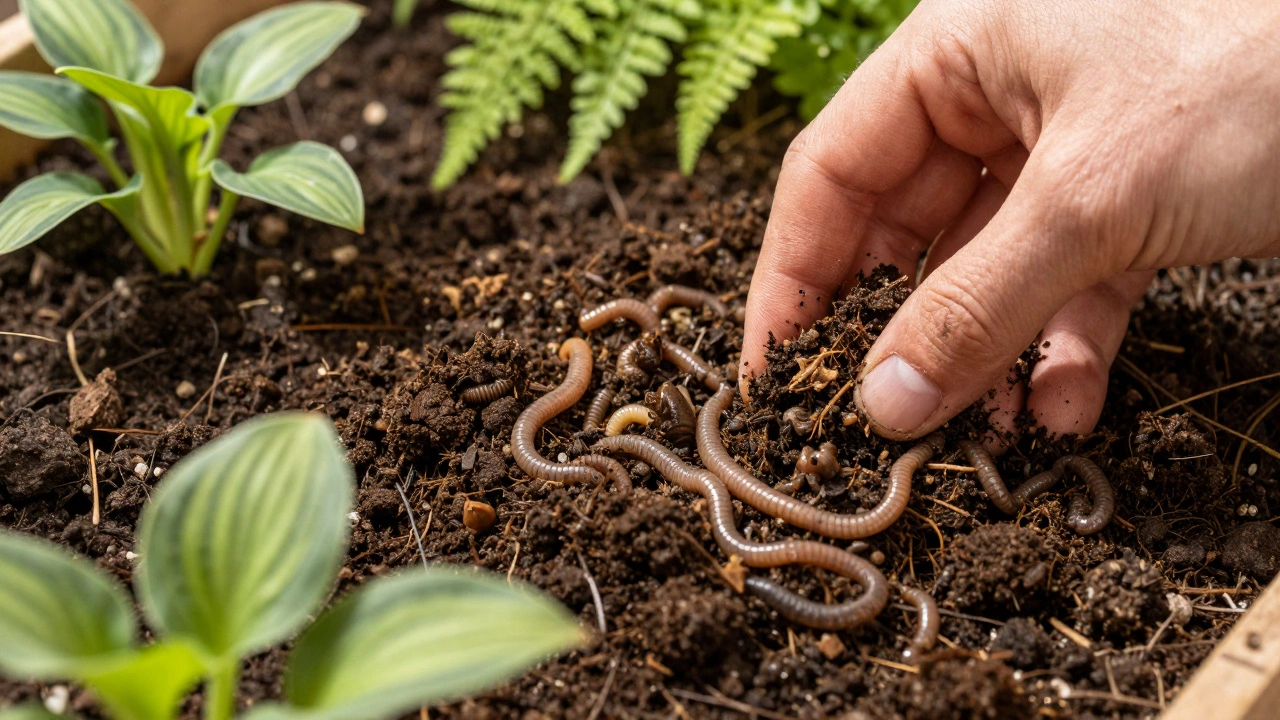
Incorporate well-rotted manure or compost into your beds. Aim for a layer of 5 to 10 centimeters mixed into the top 20 centimeters of soil. This improves structure, adds nutrients, and boosts microbial activity. Microbes are essential-they break down organic matter into forms plants can absorb. Avoid fresh manure, which can burn roots due to high nitrogen levels. Always use aged or composted materials.
If you are dealing with heavy clay, add grit or sand along with organic matter to improve aeration. For sandy soils, which drain too quickly, focus on increasing organic content to help retain moisture and nutrients. The goal is a crumbly, dark soil that smells earthy, not foul.
Select Plants That Fit Your Lifestyle
This is where most plans go wrong. People choose plants based on color alone, ignoring care requirements. Ask yourself: How much time do I realistically have? If you work full-time and travel often, a lush cottage garden requiring weekly deadheading is a recipe for stress.
Opt for low maintenance plants that offer long blooming periods. Lavender, sedum, and ornamental grasses are excellent choices for sunny spots. They tolerate drought once established and require minimal pruning. For shady areas, consider Japanese forest grass or lungwort, which spread nicely without becoming invasive.
Diversity is key to resilience. Monocultures-planting only one type-are vulnerable to pests and diseases. Mix perennials, annuals, and shrubs. Perennials come back year after year, providing structure. Annuals offer quick bursts of color. Shrubs provide height and winter interest. This layered approach creates a garden that looks intentional and natural.
| Plant Type | Sun Requirement | Water Needs | Maintenance Level | Best For |
|---|---|---|---|---|
| Lavender | Full Sun | Low | Very Low | Borders, fragrant paths |
| Sedum | Full Sun to Part Shade | Low | Very Low | Rooftops, rockeries |
| Hosta | Shade | Medium | Low | Understory, woodland edges |
| Ornamental Grasses | Full Sun | Low | Low | Windbreaks, movement |
Implement Smart Watering Systems
Water is precious, especially with increasingly unpredictable weather patterns in the UK. Relying on a hose every evening is inefficient and labor-intensive. A drip irrigation system delivers water directly to the root zone, reducing evaporation and preventing fungal diseases on leaves.
Install timers to automate watering. Early morning is the best time to water, allowing plants to dry off during the day. Overwatering is just as dangerous as underwatering. Let the soil dry out slightly between sessions. A general rule is one inch of water per week, including rainfall. Adjust this based on heatwaves or cool, wet spells.
Mulching is your best friend here. Apply a 5-centimeter layer of organic mulch, such as bark chips or straw, around your plants. Mulch retains moisture, suppresses weeds, and gradually breaks down to feed the soil. Just keep it a few centimeters away from the stems of woody plants to prevent rot.
Plan for Year-Round Interest
A perfect garden doesn't disappear in winter. Plan for structure beyond summer blooms. Evergreen shrubs like boxwood or yew provide backbone when deciduous trees lose their leaves. Add plants with interesting bark, such as birch or dogwood, which shine in low-light winter days.
Include bulbs for early spring color. Daffodils, crocuses, and snowdrops emerge before most weeds start growing. They also attract pollinators early in the season. For autumn, select plants with vibrant foliage, like maples or burning bush, to bridge the gap between summer flowers and winter dormancy.
Finally, leave some wild corners. Piles of logs or leaf litter provide habitats for beneficial insects and hedgehogs. These creatures help control pests naturally, reducing your need for interventions. A balanced ecosystem is a healthy garden.
How long does it take to set up a perfect garden?
A basic functional garden can be set up in a weekend, but a mature, established garden takes 3 to 5 years. Initial planting gives immediate impact, but plants need time to fill in and establish root systems. Focus on creating a solid framework with hardscaping and structural plants first.
What is the cheapest way to start a garden?
Start with seeds instead of seedlings, and propagate cuttings from friends. Use recycled materials for raised beds or edging. Prioritize soil improvement with homemade compost rather than buying expensive bagged mixes. Small pots and window boxes are also low-cost entry points.
Can I have a perfect garden in full shade?
Yes, but 'perfect' means embracing shade-loving plants. Focus on foliage texture and variegation since flowers may be sparse. Hostas, ferns, astilbe, and hellebores thrive in low light. Use reflective surfaces like white paint or light-colored stones to brighten the space.
How do I deal with slugs in my new garden?
Encourage natural predators like frogs and birds by adding a pond or bird baths. Use copper tape around raised beds, as slugs dislike the electrical charge. Beer traps work temporarily. Avoid chemical slug pellets if possible, as they harm other wildlife. Thick mulch can also deter them.
Is it better to dig over the soil or use no-dig methods?
No-dig gardening is gaining popularity because it preserves soil structure and encourages worm activity. Simply layer cardboard over weeds, then add compost and mulch. Traditional digging can bring up dormant weed seeds. No-dig is easier on the back and builds healthier soil over time.