Hard Soil Amendment Calculator
Material Quantities
Estimated Cost (UK Avg.)
Low Estimate: £0
High Estimate: £0
*Prices are approximate bulk rates per tonne. Bagged retail prices will be significantly higher.
Application Timeline & Tips
- Step 1 Loosen top 8-10 inches with a broadfork. Do not turn over.
- Step 2 Spread calculated material evenly across the surface.
- Step 3 Rake in gently. Let rain and worms integrate it over weeks.
- Step 4 Sow cover crops (mustard/rye) immediately after application.
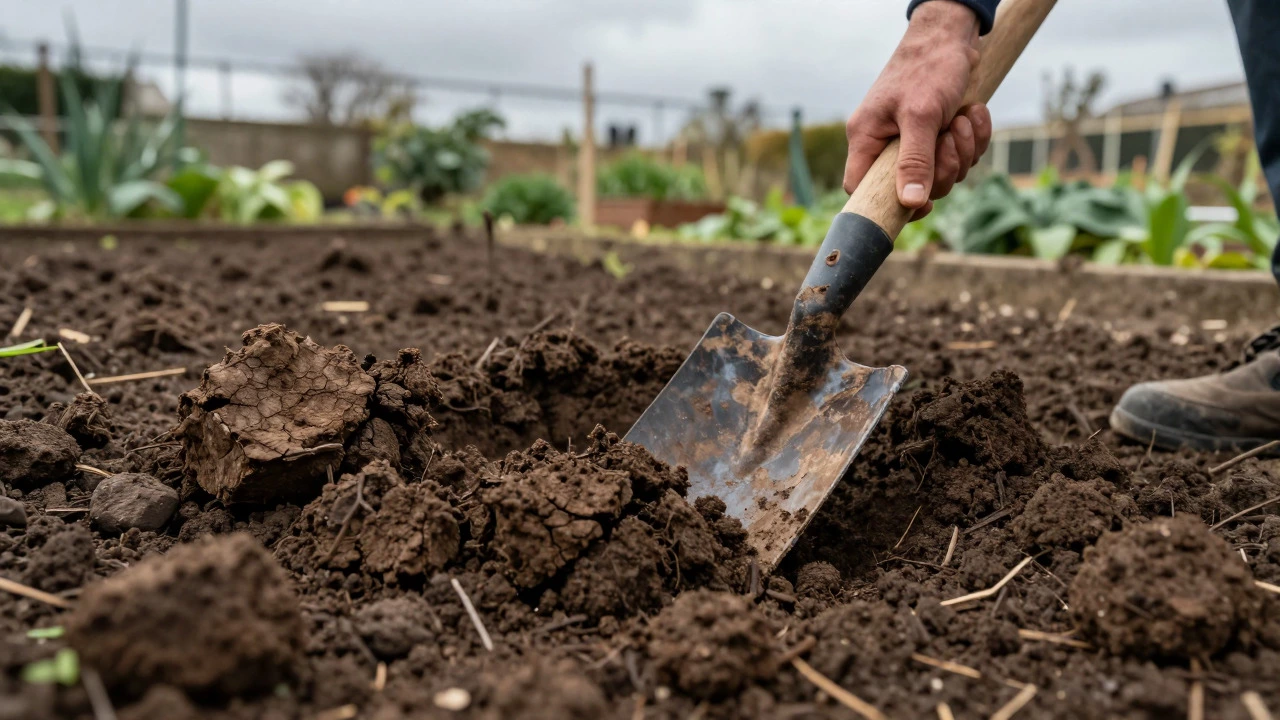
Walking into a garden where the ground feels like concrete is frustrating. You dig a hole for a tomato plant, and your spade bounces off. Or you try to lay down some mulch, but the earth just cracks under the weight. If you are dealing with hard soil, specifically compacted clay common in many UK regions including Brighton, you need more than just patience. You need specific amendments that break up the structure and add life to the dirt.
The good news is that you don't need to rip out your entire garden or spend a fortune on imported topsoil. By adding the right materials, you can transform dense, waterlogged ground into something friable and workable within one or two growing seasons. This guide breaks down exactly what to add, how much to use, and when to apply it for the best results.
Quick Summary / Key Takeaways
- Organic matter is king: Compost and well-rotted manure are the most effective long-term fixes for hard clay.
- Avoid pure sand: Mixing sand into clay without enough organic material creates brick-like compounds.
- Timing matters: Apply amendments in autumn or early spring when the soil is moist but not saturated.
- Consistency beats volume: Adding a thin layer of compost every year works better than one heavy application every five years.
- Drainage first: If water pools, fix drainage before worrying about texture alone.
Why Your Soil Feels Like Concrete
To fix the problem, you have to understand why it happens. In the UK, particularly in areas with high rainfall and cool winters, clay soils dominate. Clay particles are incredibly small-about 1/2000th the size of a silt particle. Because they are so tiny, they pack together tightly, leaving very little air space between them.
This tight packing causes two main issues: poor drainage and low oxygen. When rain falls, water sits on the surface because it cannot penetrate the dense matrix. As the water evaporates, the clay shrinks and cracks. When it rains again, the clay swells and expands, squeezing out any remaining air pockets. Over time, foot traffic, heavy machinery, and even the weight of large plants compacts this structure further. The result is what we call "hardpan"-a layer of soil that resists root penetration and water movement.
If you stick a screwdriver into your ground and it goes in easily, you might be fine. But if it stops after an inch or two, you have significant compaction. This is where amendments come in. They physically wedge apart the clay particles and biologically improve the soil structure over time.
The Best Amendments to Soften Hard Soil
Not all additions are created equal. Some make the problem worse, while others solve it permanently. Here are the most effective materials you can buy or make at home.
Compost: The Gold Standard
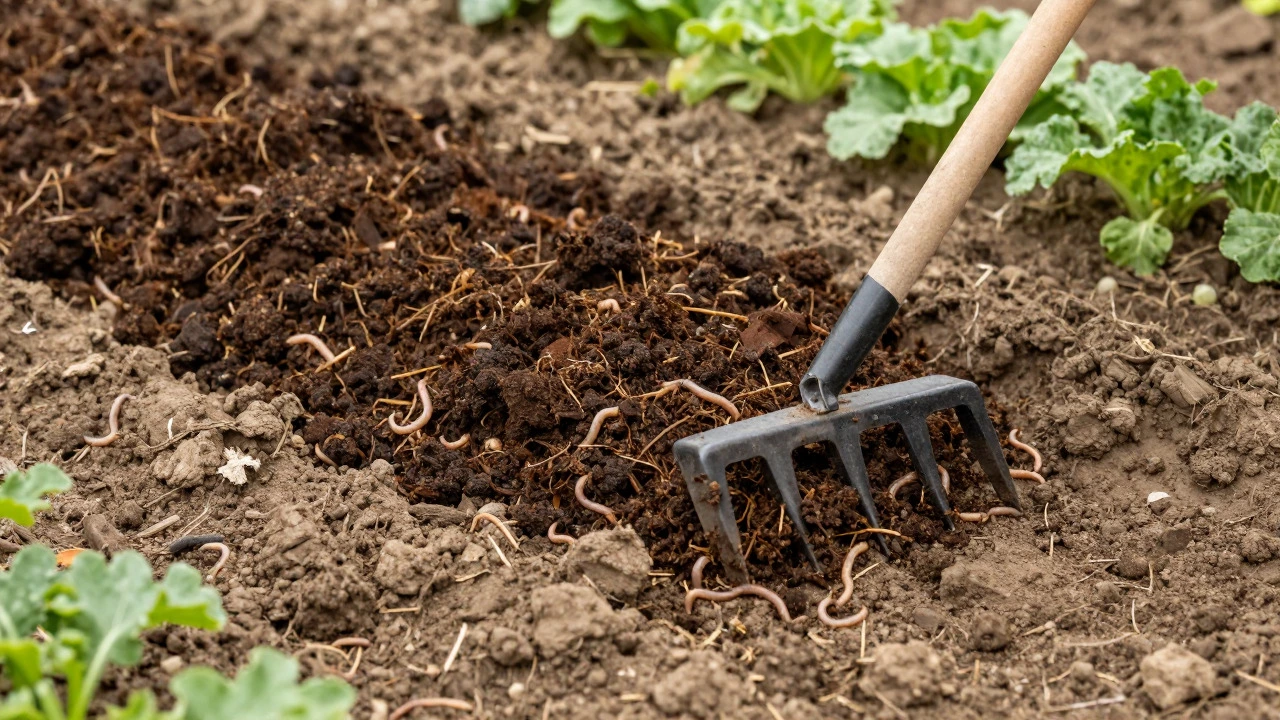
Compost is the single best thing you can add to hard soil. It consists of decomposed organic material that adds bulk, nutrients, and microbial activity. When mixed into clay, compost creates channels for water and air to move through. It also feeds earthworms, which naturally aerate the soil as they burrow.
You can buy bagged compost from garden centers, but making your own is cheaper and often better quality. A typical home compost bin produces about 50 liters of finished compost per month during active season. For a standard vegetable bed (approx. 10 square meters), aim to incorporate 2-3 inches of compost annually. That’s roughly 20-30 bags of commercial compost or several full bins of homemade material.
Well-Rotted Manure
Fresh manure is too hot and can burn plant roots. However, well-rotted manure (aged for at least six months) is excellent for breaking up clay. Cow, horse, and chicken manures are all viable options. Horse manure is particularly popular in the UK for heavy soils because it has a fibrous texture that helps maintain structure even after decomposition. Just ensure it hasn’t been treated with herbicides, as these can persist in the soil and kill your vegetables.
Garden Biochar
Biochar is charcoal produced by heating biomass in the absence of oxygen. Unlike regular charcoal, biochar is stable and does not rot away. It acts like a sponge, holding water and nutrients while creating permanent pores in the soil. Studies from Rothamsted Research in Harpenden show that biochar can improve water retention in sandy soils and aeration in clay soils. It is more expensive than compost, so it’s best used as a supplement rather than a primary amendment. Mix it with compost for a synergistic effect.
Mulch: The Surface Shield
Mulch doesn’t directly mix into the soil, but it prevents future compaction. A thick layer (4-6 inches) of wood chips, straw, or leaf mold protects the soil surface from raindrop impact, which is a major cause of crusting and compaction. Mulch also retains moisture, keeping the soil consistently damp rather than drying out and cracking. Leaf mold, made from shredded leaves left to decompose over winter, is free and exceptionally rich in beneficial fungi that help bind soil particles into stable aggregates.
What to Avoid: Common Mistakes
Before you head to the hardware store, avoid these three common traps that make hard soil harder.
- Pure Sand: This is the biggest myth. Many people think adding sand to clay makes it loamy. In reality, clay + sand = concrete. Without enough organic matter to separate the particles, the sand fills the gaps between clay flakes, locking them together. If you must use sand, use coarse construction sand and mix it with at least twice its volume of compost.
- Fresh Lime: While lime raises pH, applying it to wet clay can temporarily increase hardness by causing clay particles to flocculate (clump together). Only use lime if a soil test confirms your pH is below 6.0, and always mix it thoroughly with organic matter.
- Over-Tilling: Digging deep into dry or wet clay destroys the natural soil structure. Instead of turning the soil over, use a broadfork to loosen it from the bottom up. This preserves the horizontal layers and encourages root growth without pulverizing the aggregates.
Step-by-Step Application Guide
Knowing what to add is only half the battle. How you apply it determines whether it actually works. Here is a practical workflow for improving a 10x10 meter area of hard clay.
- Test Your Soil: Use a simple jar test or buy a basic pH kit. Knowing your starting point helps you decide if you need lime or just organic matter. Most UK gardens are slightly acidic, so lime may not be necessary unless you grow alkaline-loving plants like lavender or rosemary.
- Loosen the Top Layer: Using a broadfork or spade, loosen the top 8-10 inches of soil. Do not turn it over; just open it up to let air in. Water the area lightly beforehand if it’s dry, but never work soggy mud.
- Add Organic Matter: Spread 2-3 inches of compost or rotted manure evenly over the loosened soil. Rake it in gently. You don’t need to mix it perfectly; it will integrate over time as worms and roots work through it.
- Plant Cover Crops: After amending, sow a cover crop like mustard, rye, or vetch. These plants have deep taproots that break up subsoil and their decaying roots leave behind nutrient-rich channels. Kill them off in late autumn by mowing them down and leaving the residue as mulch.
- Mulch Heavily: In early spring, apply a 4-inch layer of mulch (straw, wood chips, or leaf mold) around your plants. This protects the newly amended soil from compaction and keeps weeds down.
Comparison of Soil Amendments
Choosing the right amendment depends on your budget, availability, and specific soil needs. The table below compares the most common options based on cost, effectiveness, and longevity.
| Amendment | Cost (UK Avg.) | Effectiveness | Longevity | Best For |
|---|---|---|---|---|
| Compost | £15-£25 per tonne | High | 1-2 years | General structure & nutrients |
| Rotted Manure | £10-£20 per tonne | High | 1-2 years | Breaking up clods, adding nitrogen |
| Biochar | £80-£120 per tonne | Medium-High | 10+ years | Long-term aeration, water retention |
| Leaf Mold | Free (DIY) | Medium | 2-3 years | Fungal health, moisture retention |
| Sand (Coarse) | £30-£50 per tonne | Low (if used alone) | Permanent | Only when mixed with 2x compost |
Long-Term Maintenance Strategies
Improving hard soil isn’t a one-time project; it’s a relationship. Once you’ve added your initial amendments, you need to maintain the momentum. Here are three sustainable practices to keep your soil soft and productive.
Stop Walking on Wet Soil. This is the simplest rule. Every step you take on wet clay compresses the pores you just opened up. Use stepping stones or boards when tending to your garden during rainy periods. If you must walk on the soil, do so only when it’s dry enough to leave a footprint that doesn’t hold water.
Embrace No-Dig Gardening. Pioneered by Charles Dowding in Kent, no-dig methods rely entirely on surface mulching rather than digging. By adding fresh compost and mulch each year, you build a loose, fertile layer on top of the hard subsoil. Plants grow in this new layer, and their roots gradually penetrate deeper over time. This method requires less labor and significantly reduces compaction risk.
Plant Deep-Rooted Perennials. Ornamental grasses, comfrey, and dandelions (yes, really) have taproots that can reach 2-3 feet deep. Planting these in borders or paths helps break up the hardpan naturally. Comfrey, in particular, is a dynamic accumulator that pulls minerals from deep in the soil and brings them back to the surface when you chop and drop the leaves.
Frequently Asked Questions
How long does it take to soften hard clay soil?
You should notice improved drainage and workability within one growing season if you add 2-3 inches of compost annually. Full transformation of deeply compacted soil can take 2-3 years. Consistent organic matter addition is key; stopping after one year will allow the clay to re-compact.
Can I just replace my hard soil with new topsoil?
Replacing soil is expensive and often unnecessary. If you remove 6 inches of hard clay and replace it with 6 inches of topsoil, the underlying clay will still restrict root growth and drainage. Amending the existing soil is more cost-effective and environmentally friendly. Only consider replacement for severe contamination or extreme compaction where amendments fail.
Is gypsum better than lime for hard soil?
Gypsum (calcium sulfate) is better for neutralizing sodium-induced sodicity in soil, which can cause dispersion and hardness. However, for typical UK clay soils that are acidic, lime (calcium carbonate) is usually sufficient to raise pH and aid flocculation. Test your soil first. If your pH is above 6.5, avoid lime. If you have high sodium levels (rare in domestic UK gardens), gypsum is the correct choice.
What is the best time of year to amend hard soil?
Autumn is ideal for adding compost and cover crops, as the soil is warm and moist, encouraging microbial activity. Early spring is good for final preparations before planting. Avoid working soil in mid-winter when it’s frozen or saturated, as this causes maximum compaction.
Do earthworms help soften hard soil?
Yes, absolutely. Earthworms create tunnels that act as permanent drainage and air channels. Their castings (poop) are rich in nutrients and bind soil particles into stable aggregates. To encourage worms, keep the soil moist, add plenty of organic matter, and avoid synthetic pesticides. A healthy garden should have 10-20 worms per square foot.