UK Garden Planner
Stop guessing where to plant. Use this tool to map your life onto the land. Answer three simple questions to get a tailored layout strategy.
You cannot move the sun. Identify your primary light condition.
Create outdoor rooms. What is your priority?
Hardscape first. Pick a style/budget match.
Your Customized Garden Strategy
Complete the steps above to generate your personalized garden arrangement plan.
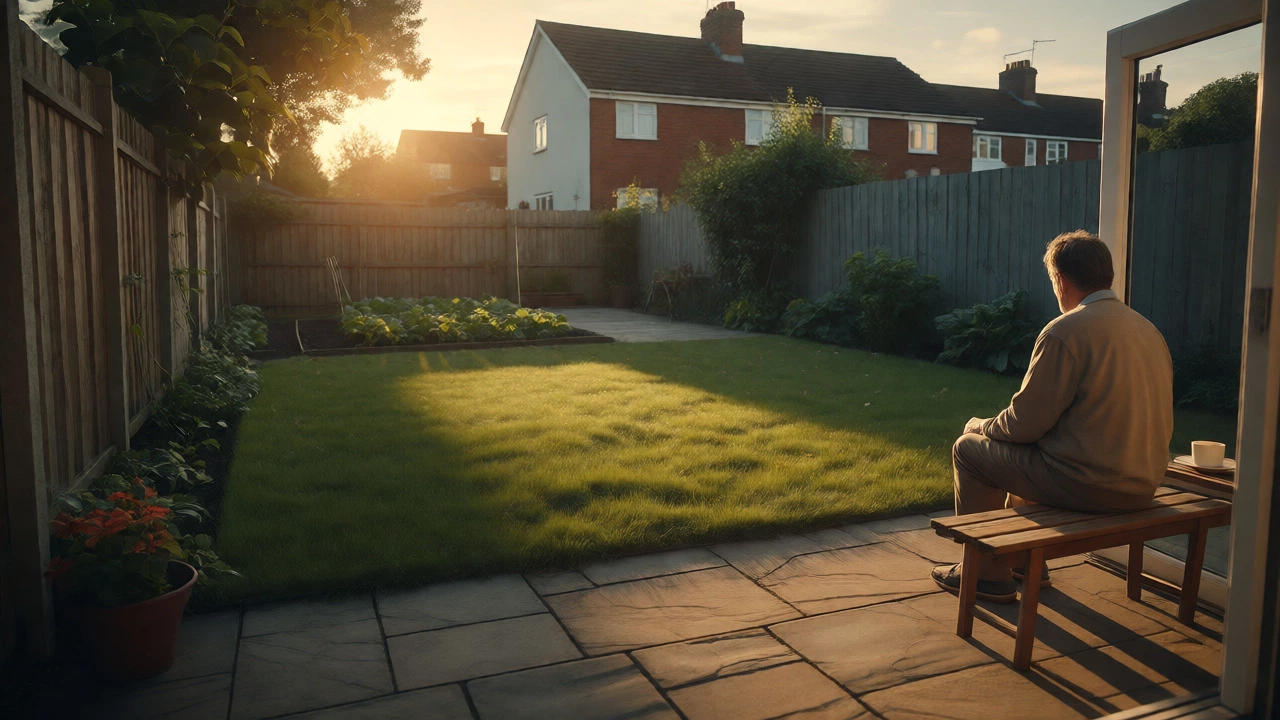
Most people start their garden layout with the wrong question. They ask, "What should I plant?" instead of "Where do I want to sit?" This mistake leads to beautiful flower beds that are never seen and patios that feel like concrete slabs dropped into a field. If you look at any well-designed space in Brighton or elsewhere in the UK, you’ll notice it solves a problem before it adds decoration. It creates a room outdoors.
Arranging a garden isn’t about copying a magazine photo. It’s about mapping your life onto the land. Do you need a place for kids to run while you drink coffee? Do you want to grow tomatoes but have no sun? Do you hate mowing lawns? Answering these questions first saves you money on plants that die because they’re in the wrong spot. Here is how to arrange a garden that actually works for you, not just for Instagram.
Start With Sunlight, Not Soil
You can change soil. You cannot move the sun. Before you buy a single shrub, spend a day observing where light hits your plot. In the UK, south-facing gardens get the most heat, while north-facing spots stay cool and damp. This dictates everything from lawn type to vegetable choice.
Use a simple method: take photos of your garden every two hours during daylight for one weekend. Note shadows cast by fences, trees, and buildings. You’ll quickly see which areas are full sun (6+ hours), partial shade (3-6 hours), or full shade (less than 3 hours). This data prevents the classic error of planting lavender in a damp corner or lettuce in blazing afternoon heat.
- Full Sun: Ideal for roses, herbs, vegetables, and drought-tolerant perennials like Sedum.
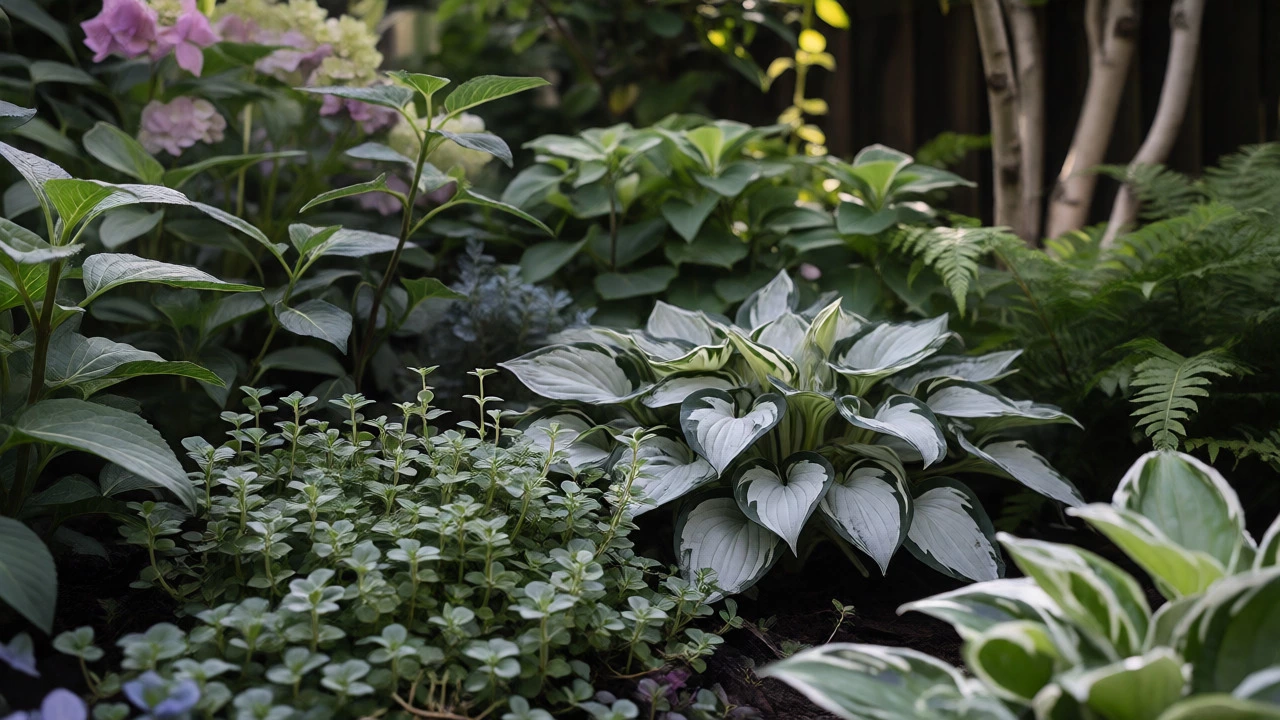
- Partial Shade: Perfect for hydrangeas, ferns, hostas, and most leafy greens.
- Full Shade: Think woodland plants like foxgloves, astilbes, and evergreen shrubs such as Camellia.
If your garden is small, this step matters even more. Every square foot needs to justify its existence based on light availability. Don’t fight nature; work with it.
Zoning: Create Outdoor Rooms
A successful garden arrangement divides space into functional zones, often called "outdoor rooms." Just as your house has a kitchen, living room, and bedroom, your garden needs distinct areas for different activities. Without zoning, a small garden feels chaotic, and a large one feels empty.
Identify three core zones for most UK homes:
- The Living Zone: Where you eat, relax, or entertain. This should be closest to the house door for easy access. Use paving, decking, or gravel here. Keep sightlines open so you can monitor children playing nearby.
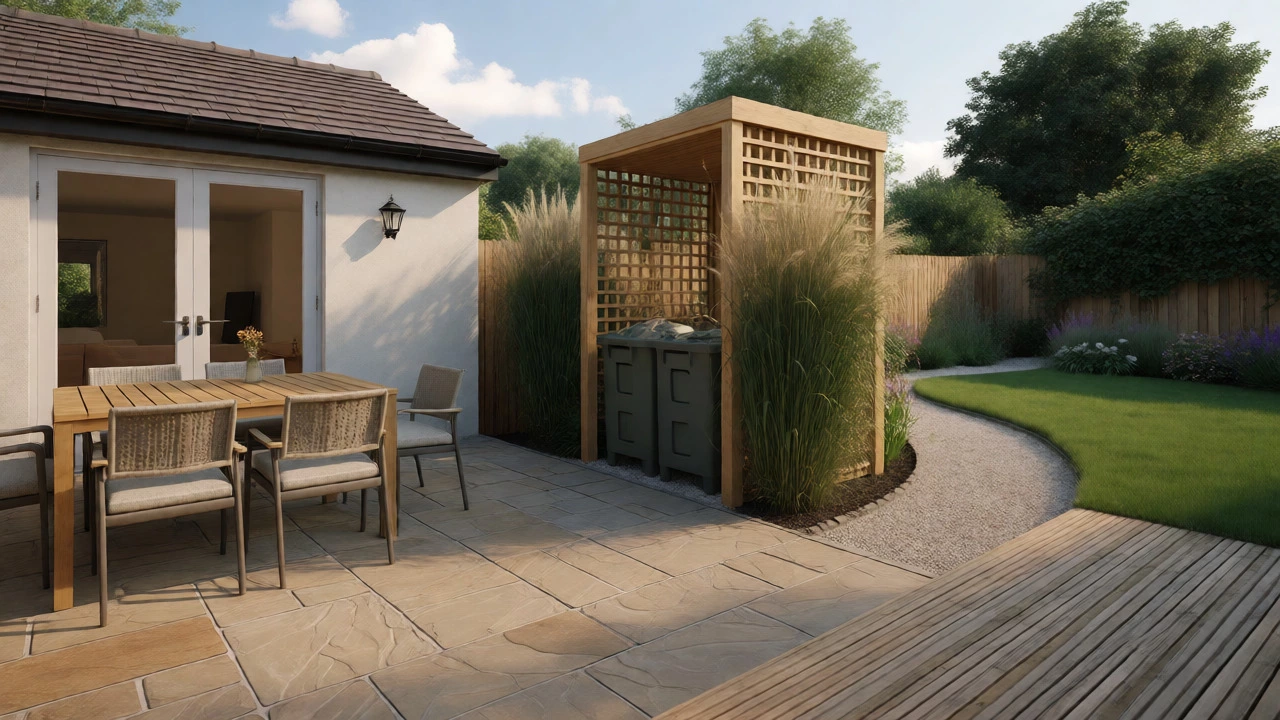
- The Utility Zone: For bins, compost, tool storage, and clothes drying. Hide this behind screens, tall grasses, or a pergola. Nobody wants to stare at wheelie bins while enjoying a glass of wine.
- The Green Zone: The main visual focus-flower beds, lawn, or wildlife area. This zone changes with seasons and provides the backdrop for your living zone.
In smaller plots, combine zones vertically. A raised bed can serve as seating and growing space. A trellis can hide utility clutter while supporting climbing beans. Flexibility is key when space is tight.
Hardscaping First, Planting Second
Many beginners rush to the nursery. Big mistake. Hardscaping-the non-living elements like paths, walls, and patios-defines the structure. Plants soften and fill gaps later. If you plant first, you’ll end up digging them out when you realize the path doesn’t lead anywhere logical.
Follow the rule of thirds for hard surfaces. In a typical suburban back garden, aim for roughly one-third hardscape (patio/path) and two-thirds softscape (lawn/plants). Too much paving makes the space feel sterile and increases runoff issues. Too little means nowhere comfortable to stand without stepping in mud.
| Material | Cost Estimate (per m²) | Maintenance | Best For |
|---|---|---|---|
| Concrete Paving | £15-£30 | Low | Budget patios, modern looks |
| Natural Stone | £40-£80 | Medium | Traditional cottages, longevity |
| Gravel | £10-£20 | High (weeding) | Drainage, informal paths |
| Timber Decking | £30-£60 | Medium (oiling) | Uneven ground, warm feel |
Choose materials that complement your home’s architecture. Red brick houses often pair well with sandstone or weathered wood. Modern white-rendered homes suit grey slate or composite decking. Consistency creates cohesion.
Planting Structure: The Three-Layer Rule
Once your paths and patios are set, think in layers. A flat garden looks amateurish. Depth comes from arranging plants by height and texture, mimicking natural ecosystems.
Layer 1: The Canopy. Trees or tall shrubs form the background. In small gardens, use multi-stem birches or ornamental apples. They provide vertical interest without blocking too much light.
Layer 2: The Mid-Level. Shrubs and perennial borders fill the middle. Mix evergreens (like Box or Yew) for winter structure with deciduous plants (like Lavender or Salvia) for seasonal color. Evergreens are crucial in the UK climate-they keep the garden looking alive when everything else is bare.
Layer 3: The Ground Cover. Low-growing plants suppress weeds and edge beds. Creeping thyme, ajuga, or heuchera work well. Avoid letting grass creep into beds; it looks messy and steals nutrients.
Group plants in drifts of three or five rather than single specimens. This creates visual impact and helps pollinators find food sources easily. It also reduces maintenance time since similar plants share water and care needs.
Flow and Sightlines
How you move through the garden matters as much as what you see. Straight lines make small spaces feel shorter. Curved paths invite exploration and make a tiny plot feel larger. Even if you don’t have space for winding trails, offsetting focal points prevents the eye from traveling straight to the back fence immediately.
Create "surprises." Place a bench around a corner. Put a feature pot halfway down a path. These small interruptions slow you down and encourage lingering. Conversely, ensure clear pathways from the house to key areas like the shed or bin store. Functionality shouldn’t be sacrificed for aesthetics.
Consider privacy carefully. In dense urban areas, screening is essential. Use layered screening: solid fencing for noise and wind, plus semi-transparent planting (like bamboo or hedging) to soften the view. Never rely solely on one element; combine height and density for effective seclusion.
Maintenance Reality Check
Be honest about how much time you have. A high-maintenance English cottage garden requires daily attention during summer. If you work full-time, choose low-care alternatives. Replace annual flowers with perennials. Swap formal lawns for wildflower meadows or artificial turf if usage is low.
Plan for seasons. Your garden will look different in January than in July. Choose plants with staggered bloom times so something is always interesting. Early spring bulbs, summer roses, autumn sedums, and winter hellebores ensure year-round appeal.
Finally, leave room to breathe. Don’t fill every inch immediately. Young plants grow fast. Overcrowding leads to disease and constant pruning. Start sparse, observe growth for a year, then fill gaps intentionally. Patience yields better results than impulse buying.
What is the best shape for a small garden?
There is no single "best" shape, but diagonal layouts often make narrow rectangular gardens appear wider. Using curved edges or circular features breaks up long sightlines, making the space feel less like a corridor. Triangular arrangements of plants can also add dynamic energy to static boxy plots.
Should I prioritize lawn or patio in a small garden?
It depends on usage. If you rarely sit outside, skip the patio and maximize greenery for visual calm. If you love hosting, reduce the lawn to a minimum viable strip for pets or play and expand the paved area. Lawns require significant upkeep; if you won’t mow weekly, consider gravel or decking instead.
How do I arrange a shady garden effectively?
Focus on foliage texture and color rather than flowers. Use bright greens, silvers, and variegated leaves to reflect light. Add mirrors or pale-colored pots to bounce sunlight deeper into the space. Choose plants like Hosta, Ferns, and Hydrangea that thrive in low light conditions.
Is it cheaper to DIY garden layout or hire a landscaper?
DIY saves labor costs but risks expensive mistakes with drainage or hardscaping foundations. Hiring a professional ensures correct grading and material selection. For simple planting schemes, DIY is feasible. For complex earthworks, patios, or structural changes, professional input usually pays off in longevity and reduced rework.
How far apart should I plant shrubs?
Space shrubs according to their mature width, not their current size. Most medium-sized shrubs need 1-1.5 meters between centers. Crowding causes poor air circulation and fungal diseases. Check plant tags for specific spacing requirements, as fast-growing species may need more room initially.