Pollarding Suitability Checker
Select your tree species and input its age to check if it's suitable for pollarding.
Result
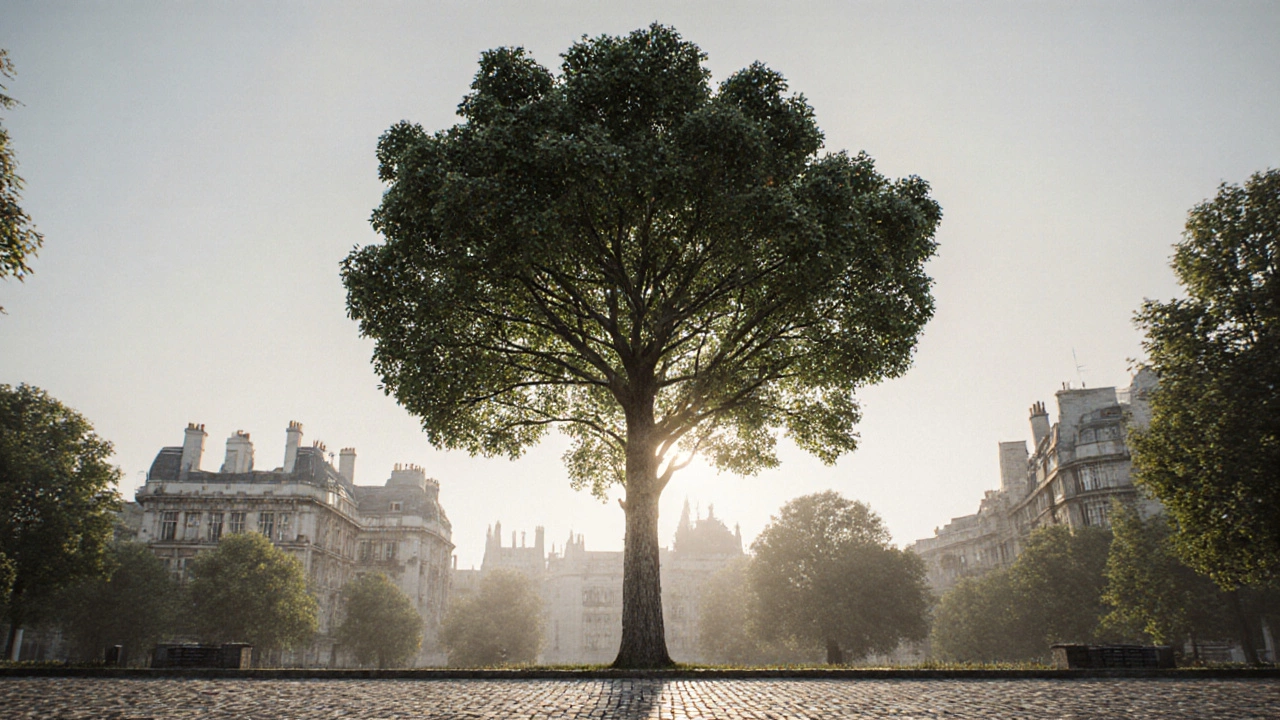
Ever walked past a street tree that looks like a lollipop on a stick? Or seen an old oak in a park with a thick, rounded head sitting atop a bare, tall trunk? That’s pollarding. It’s not a mistake. It’s not damage. It’s a deliberate, centuries-old pruning technique-and if you’ve ever wondered what do you mean by pollarding, you’re not alone.
What Exactly Is Pollarding?
Pollarding is a method of pruning where the upper branches of a tree are cut back to the main stem or to permanent, knobby growth points called pollard heads. Unlike topping, which is harmful and random, pollarding follows a strict schedule and is done at the same height each time-usually two to three meters above ground. This keeps the tree’s shape consistent and controls its size without killing it.
The cuts are made just above a bud or a previous cut, encouraging dense, bushy regrowth each year. Over time, these repeated cuts form a hard, bulbous swelling at the top of the trunk-the pollard head. These heads are alive and keep producing new shoots, even after decades of pruning.
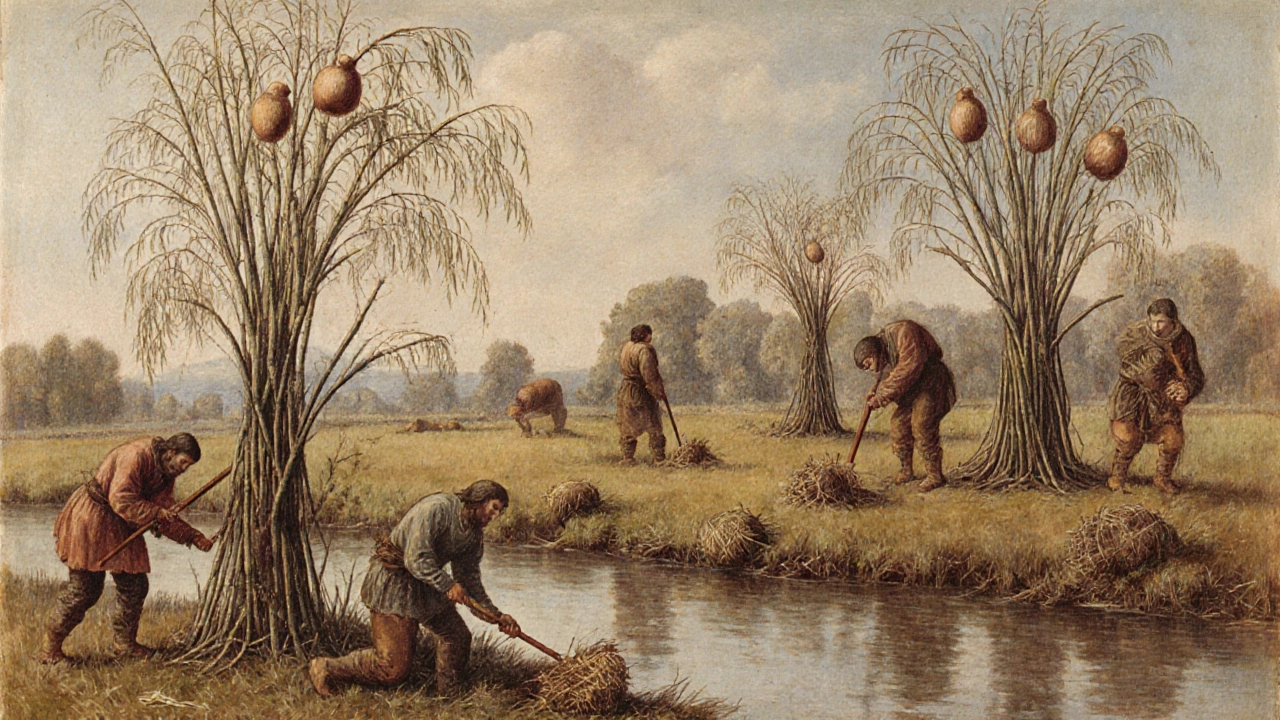
It’s not just for looks. Pollarding was originally developed in medieval Europe to provide a sustainable supply of wood for fuel, fencing, and tools. Farmers would cut back trees every few years, and the regrowth was harvested without killing the tree. This made pollarding one of the earliest forms of renewable forestry.
How Pollarding Differs from Other Pruning Methods
People often confuse pollarding with topping, coppicing, and standard pruning. Here’s how they’re different:
- Topping is cutting large branches anywhere on the tree, often without regard to structure. It weakens the tree, invites disease, and leads to messy regrowth. Topping is never recommended.
- Coppicing cuts the entire tree down to ground level, encouraging multiple stems to sprout from the base. It’s used for shrubs and small trees like willow or hazel.
- Standard pruning removes dead, damaged, or crossing branches to improve health and shape. It doesn’t control overall size like pollarding does.
- Pollarding is the only method that regularly cuts back to the same permanent points, high up on the trunk, to control height and encourage dense canopy growth.
Think of pollarding like getting a haircut every year at the same salon. The barber knows exactly where to cut. The tree knows exactly where to grow back.
Why Do People Still Pollard Trees Today?
Modern pollarding isn’t about firewood anymore. It’s about space, safety, and aesthetics. Here’s why urban planners and gardeners still use it:
- Space-saving: In cities with narrow sidewalks or under power lines, pollarding keeps trees from growing too tall or wide. A pollarded plane tree might only reach 5 meters instead of 30.
- Safety: Trees near roads, buildings, or playgrounds are often pollarded to prevent large branches from falling.
- Longevity: Pollarded trees often live longer than unpruned ones. The regular removal of heavy branches reduces stress on the trunk. Some pollarded willows in England are over 200 years old.
- Wildlife value: The dense, bushy regrowth provides excellent nesting spots for birds. The deadwood left behind after cuts supports insects and fungi.
In Brighton, where I live, you’ll find pollarded London planes along the seafront and in public parks. They’re not just decorative-they’re functional. They shade pedestrians without blocking views or getting tangled in overhead cables.
Which Trees Are Best for Pollarding?
Not every tree can handle pollarding. It works best on species that respond well to hard pruning and heal quickly. Here are the most common ones:
- London plane (Platanus × hispanica): The most popular pollarded tree in cities. Tough, fast-growing, and tolerant of pollution.
- Willow (Salix spp.): Especially weeping willows. They regrow vigorously and are often used near water.
- Lime (Tilia spp.): Common in European towns. Produces a dense, rounded head after pollarding.
- Oak (Quercus spp.): Can be pollarded when young, but it’s slower to respond. Requires more patience.
- Ash (Fraxinus excelsior): Was widely used before ash dieback spread. Still practiced where healthy trees remain.
- Maple (Acer spp.): Some species like Norway maple respond well, but not all maples are suitable.
Avoid pollarding trees like birch, cherry, or conifers. They don’t regrow well from old wood and are likely to die or become diseased.
When and How to Pollard a Tree
Pollarding isn’t a one-time job. It’s a lifelong commitment. Here’s how to do it right:
- Start young: The best time to begin pollarding is when the tree is 2-5 years old. Cut the main stem to the desired height-usually 2-3 meters. Let the tree grow one season, then cut back the new shoots to just above the cut point.
- Prune on schedule: Most trees need pollarding every 2-5 years. Too often, and you stress the tree. Too rarely, and the branches become too heavy and risky.
- Use clean tools: Always disinfect pruning saws or loppers before cutting. A dirty tool can introduce rot or fungus.
- Cut at the right angle: Make clean, angled cuts just above the pollard head. Don’t leave stubs. Don’t cut into the swollen area.
- Time it right: Late winter or early spring, before new growth starts, is ideal. Avoid pruning in autumn-it leaves wounds open to winter rot.
If you inherit a pollarded tree that’s been neglected for years, don’t try to fix it all at once. Cut back one section per year. Over three years, you can restore it without shocking the tree.
What Happens If You Stop Pollarding?
One of the biggest mistakes people make is starting pollarding and then forgetting about it. If you stop, the tree doesn’t die-but it does become dangerous.
The heavy, unpruned branches grow outward and become brittle. They can snap in high winds. The pollard heads may split under their own weight. In some cases, the trunk itself can rot where the old cuts meet new growth.
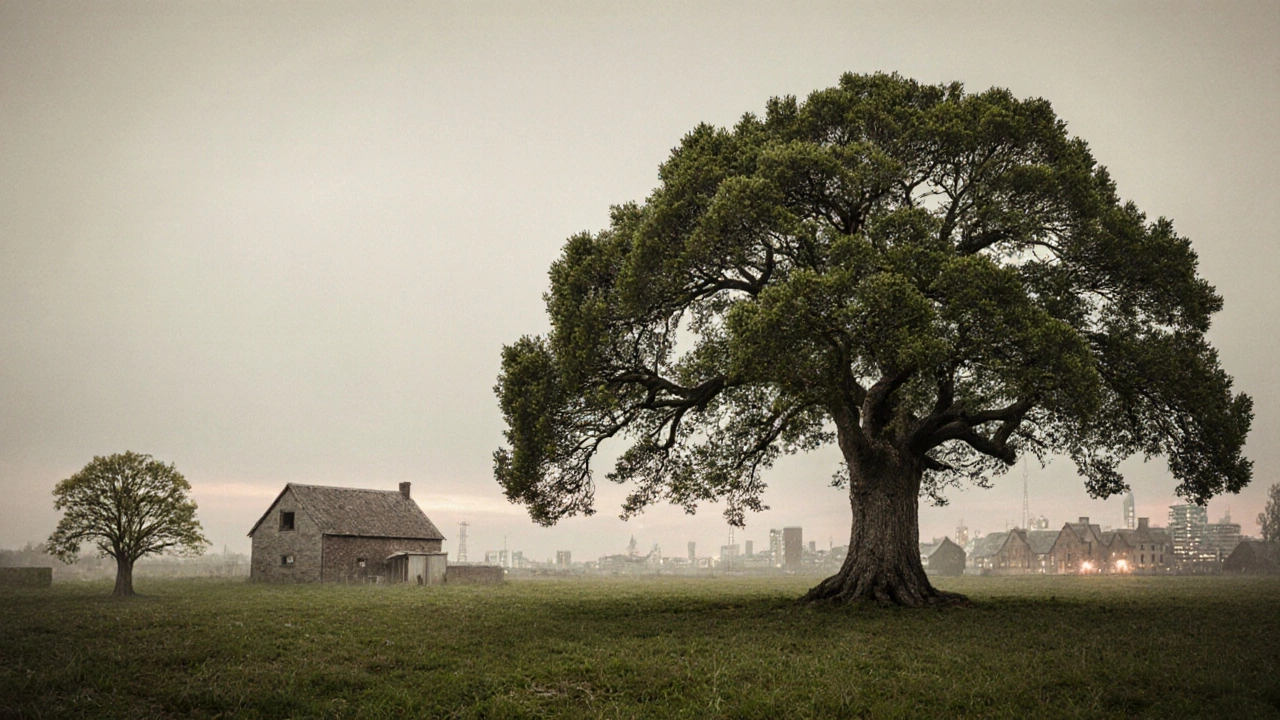
There’s a reason you see so many abandoned pollards in old villages in the UK. They were once maintained by farmers. When those farms disappeared, so did the care. Now, many are being removed by councils because they’ve become hazards.
Is Pollarding Right for Your Garden?
If you’re thinking about pollarding a tree in your yard, ask yourself these questions:
- Do you have space for a tall trunk and a dense canopy above?
- Are you willing to prune every few years for the next 50 years?
- Is the tree a species that responds well to hard pruning?
- Are you prepared to deal with the messy regrowth each spring?
Pollarding isn’t a quick fix. It’s a long-term partnership with a tree. If you’re not ready to commit, choose a slower-growing species and prune lightly instead.
But if you want a tree that lasts decades, gives shade, supports wildlife, and fits neatly in a tight space-pollarding might be the most thoughtful thing you can do for it.
Frequently Asked Questions
Is pollarding the same as topping?
No. Topping cuts large branches randomly and often damages the tree’s structure. Pollarding is a controlled, scheduled cut made at the same height every time, preserving the tree’s health and shape. Topping kills trees. Pollarding can extend their life.
Can I pollard an old tree that’s never been pruned?
It’s risky. Trees over 15-20 years old that have never been pollarded usually can’t heal properly from such drastic cuts. The wounds may rot, and the tree could die. If you want to reduce size, consider crown reduction instead-cutting back branches to lateral growth points, not to stubs.
How long do pollarded trees live?
Many live longer than unpruned trees. Pollarded London planes in UK towns have been documented to live over 200 years. The regular pruning reduces branch weight and prevents decay from large wounds. It’s not the pruning that saves them-it’s the consistency.
Do pollarded trees need special care after pruning?
Not much. Avoid painting cuts with sealant-it traps moisture. Just make sure the cuts are clean and angled. Water the tree during dry spells the first spring after pruning, and mulch around the base to help it recover. That’s usually enough.
Are pollarded trees bad for wildlife?
Actually, they’re often better. The dense, bushy regrowth provides nesting for birds like sparrows and robins. The rough bark and deadwood left after cuts attract beetles and fungi, which feed bats and woodpeckers. Pollarded trees are wildlife hotspots in urban areas.
Final Thoughts
Pollarding isn’t a trend. It’s a tradition. It’s the result of centuries of people learning how to live with trees-not against them. If you see a pollarded tree, don’t think it’s ugly or unnatural. Think of it as a living record of care.
It takes patience. It takes knowledge. It takes time. But if you’re willing to give it, a pollarded tree will give you shade, safety, and beauty for generations.