Garden Pest Remedy Finder
Find the Right Remedy for Your Problem
Select the pest you're seeing, and we'll show you the most effective natural remedy from the article.
Best Remedy for This Pest
Application Tips
- 1
- 2
- 3
You’ve spotted holes in your lettuce, chewed-up tomato leaves, or tiny bugs crawling under the leaves-but you don’t want to spray chemicals on your food. You’re not alone. Thousands of home gardeners in the UK and beyond turn to simple, safe home remedies to keep bugs away without harming bees, birds, or their own health.
Why Home Remedies Work Better Than Chemicals
Most store-bought insecticides kill everything-good bugs and bad. Ladybugs, lacewings, and parasitic wasps are natural predators that keep aphids and caterpillars in check. Spray a chemical pesticide, and you wipe out your garden’s defense system. Then the pests come back stronger.
Home remedies, on the other hand, target specific pests while leaving beneficial insects alone. They’re also cheaper. A bottle of neem oil costs more than £10. A mix of soap, water, and garlic? Less than £2. And you already have most of the ingredients in your kitchen.
Top 5 Home Remedies That Actually Kill Bugs
1. Soapy Water Spray (For Aphids, Whiteflies, Spider Mites)
This is the most reliable and widely tested remedy. Mix one tablespoon of pure liquid castile soap (not dish detergent) with one quart of water. Pour it into a spray bottle. Spray directly on the bugs, especially under the leaves where they hide.
Why it works: The soap breaks down the bugs’ outer coating, causing them to dehydrate and die within hours. It doesn’t poison the soil or leave residues on your veggies.
Pro tip: Test it on one leaf first. Some plants like tomatoes and peppers can get leaf burn if sprayed in direct sun. Spray early morning or late evening.
2. Neem Oil Spray (For Caterpillars, Beetles, Mealybugs)
Neem oil comes from the seeds of the neem tree. It’s not a poison-it’s a disruptor. It interferes with insect feeding, mating, and egg-laying. It’s especially good against cabbage worms, flea beetles, and tomato hornworms.
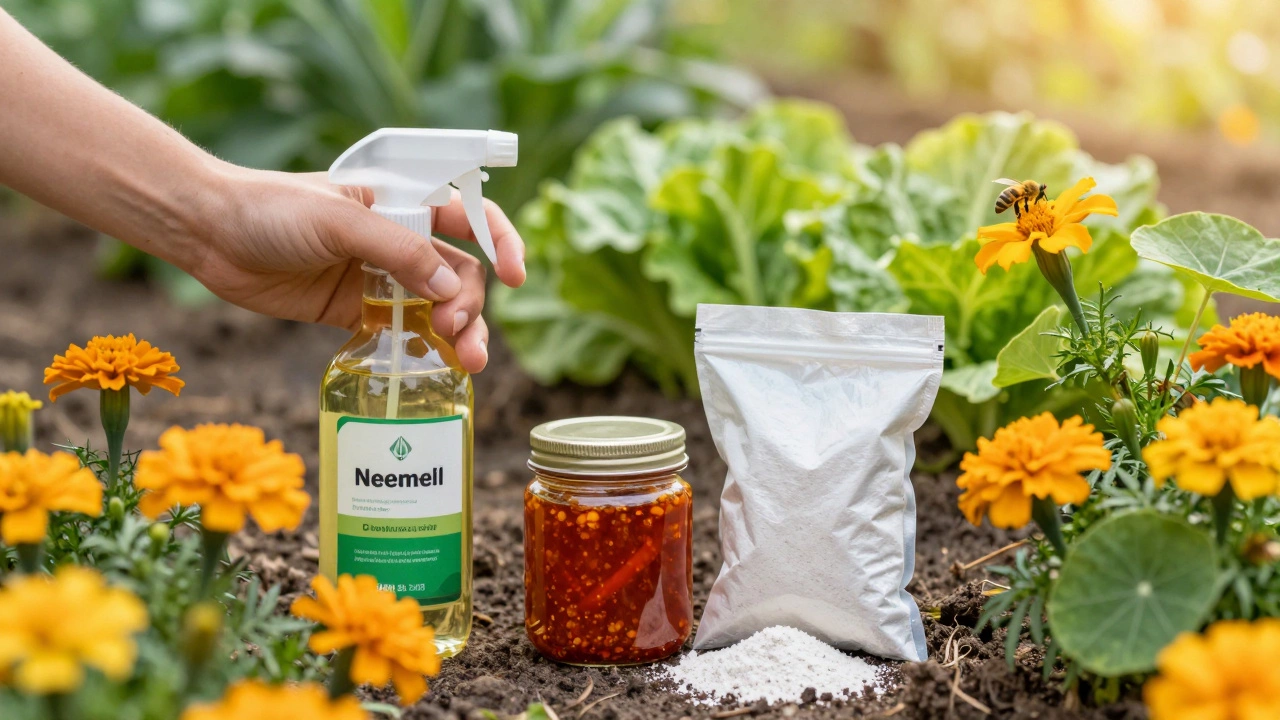
Make your own: Mix one teaspoon of cold-pressed neem oil with half a teaspoon of liquid soap and one quart of warm water. Shake well before each use. Spray every 5-7 days, especially after rain.
Neem oil is safe for bees if applied at dusk when they’re not flying. It breaks down in sunlight within 24 hours, so it won’t linger on your harvest.
3. Garlic and Chili Spray (For Slugs, Beetles, Soft-Bodied Insects)
Blend one whole garlic bulb and two hot chili peppers (like bird’s eye chilies) with two cups of water. Let it steep for 24 hours, then strain through a coffee filter. Add one tablespoon of liquid soap and top up with another quart of water.
Use it like a spray. The strong smell repels bugs, and the capsaicin burns their mouthparts. Slugs avoid it. Aphids flee. Even potato beetles give it a wide berth.
Warning: Don’t use this near flowering plants if you have bees. The smell can confuse them. Keep it targeted to problem areas.
4. Diatomaceous Earth (For Crawling Insects Like Ants, Slugs, Flea Beetles)
This isn’t a spray-it’s a powder. Food-grade diatomaceous earth is made from fossilized algae. It’s sharp at a microscopic level. When insects crawl over it, it cuts their exoskeletons, and they dry out.
Apply a thin ring around the base of plants or dust lightly on leaves (avoid flowers). Reapply after rain or heavy dew. It’s harmless to birds, pets, and humans-but wear a mask when applying so you don’t breathe it in.
Works best in dry weather. In damp UK gardens, use it as a barrier rather than a full-leaf coating.
5. Sticky Traps and Beer Traps (For Flying and Crawling Pests)
Yellow sticky cards catch whiteflies, fungus gnats, and aphids. Hang them just above your plants. Blue ones work better for thrips.
For slugs and snails, bury a small container (like a yogurt pot) level with the soil. Fill it halfway with cheap lager or sugar water. They crawl in and drown. Empty it every few days.
These don’t kill bugs on contact, but they reduce populations fast. And you can see exactly what you’re dealing with.
What Doesn’t Work (And Why)
There are a lot of myths out there. Vinegar? It burns leaves and kills soil microbes. Epsom salt? Doesn’t kill bugs-it might even feed them. Coffee grounds? They deter slugs slightly, but not reliably. And baking soda? Only helps with fungal diseases, not insects.
Don’t waste time on these. Stick to the five proven methods above. They’ve been tested in home gardens from Brighton to Belfast.
When to Apply Remedies for Best Results
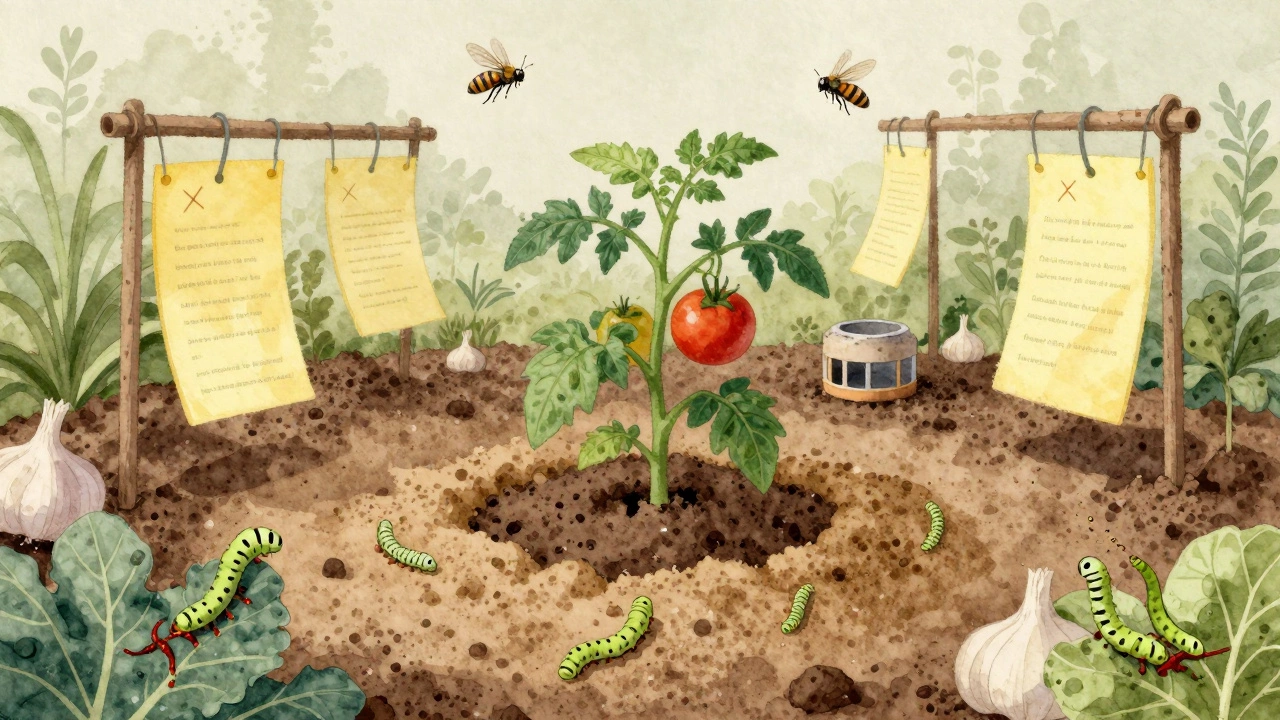
Timing matters more than you think. Bugs are most active in the morning. Spray then. Rain washes away sprays, so check the forecast. If rain’s due, wait until the day before.
Also, don’t wait until your plants are covered in bugs. Start early. As soon as you see the first aphid, spray. Prevention beats eradication every time.
Check under leaves every 2-3 days. That’s where eggs hatch and colonies grow. Catch them early, and you won’t need to spray at all.
How to Make These Remedies Last Longer
Store leftover sprays in a cool, dark place. Neem oil and garlic sprays lose potency after 48 hours. Make small batches. Label them with the date.
Use a fine-mist spray bottle. Big droplets roll off. Fine mist coats the bugs. If your bottle clogs, rinse it with warm water after each use.
Combining Remedies for Maximum Impact
You don’t need to pick just one. Use a layered approach:
- Apply diatomaceous earth around the base of plants to stop crawlers.
- Spray soapy water every 5 days on aphid-prone crops like kale and broccoli.
- Hang yellow sticky traps near your tomatoes and peppers.
- Use beer traps if slugs are a problem after wet spells.
This combo cuts pest numbers by 80-90% in most gardens within two weeks. And you’re not poisoning your soil or your family’s food.
What to Do If Nothing Seems to Work
If pests are still taking over, look deeper. Are you over-fertilizing? Too much nitrogen makes plants soft and attractive to aphids. Are your plants stressed? Dry soil, poor drainage, or overcrowding weakens their natural defenses.
Rotate crops every season. Plant marigolds or nasturtiums as companions-they repel many bugs. Keep the garden clean. Remove dead leaves and fallen fruit. Pests hide there over winter.
And if you’ve tried everything? Consider row covers. Lightweight fabric lets light and water through but blocks bugs. It’s the most effective barrier you can use.
Final Tip: Watch Your Beneficial Insects
Don’t just kill bugs. Protect the good ones. Ladybugs eat 50 aphids a day. Lacewings devour mites and caterpillars. Hoverflies pollinate and eat aphids.
Plant dill, fennel, and yarrow. They attract these helpers. Leave a few weeds like chickweed-they’re bug magnets that draw pests away from your veggies.
When you stop spraying chemicals, your garden becomes a balanced ecosystem. Bugs don’t disappear-they’re kept in check by nature. And your vegetables? They taste better, too.
Can I use dish soap instead of castile soap?
No. Most dish soaps contain degreasers, fragrances, and additives that can burn plant leaves. Castile soap is pure vegetable oil and water. It’s gentle on plants but still effective against soft-bodied insects. If you can’t find castile soap, use a mild, unscented liquid soap with no additives.
How often should I spray home remedies?
Spray every 5-7 days, or after rain. Most pests lay eggs every 5-10 days, so you need to interrupt their life cycle. Don’t spray daily-it stresses plants and can wash away beneficial microbes in the soil. Consistency matters more than frequency.
Are these remedies safe for edible vegetables?
Yes. All the remedies listed are food-safe when used correctly. Rinse your veggies with water before eating, just as you would with store-bought produce. Neem oil and garlic sprays break down quickly and leave no harmful residue. Diatomaceous earth is non-toxic and can be brushed off.
Will these remedies harm bees and butterflies?
Not if you apply them right. Avoid spraying open flowers. Use sprays early in the morning or at dusk when pollinators are less active. Neem oil and soapy water are safe for bees once dry. Sticky traps and beer traps don’t affect flying insects at all. Protect pollinators, and they’ll protect your garden.
Why are bugs still coming back after I used a remedy?
Because you stopped too soon. Most pests lay eggs that hatch in 5-10 days. One spray won’t kill all the eggs. You need to spray consistently for 2-3 weeks to break the cycle. Also, check nearby plants. Pests often come from weeds or neighboring gardens. Keep the whole area clean.