Organic Compliance Checker
Type a substance or practice (e.g., "Glyphosate", "GMOs", "Compost") to see if it is permitted in organic farming.
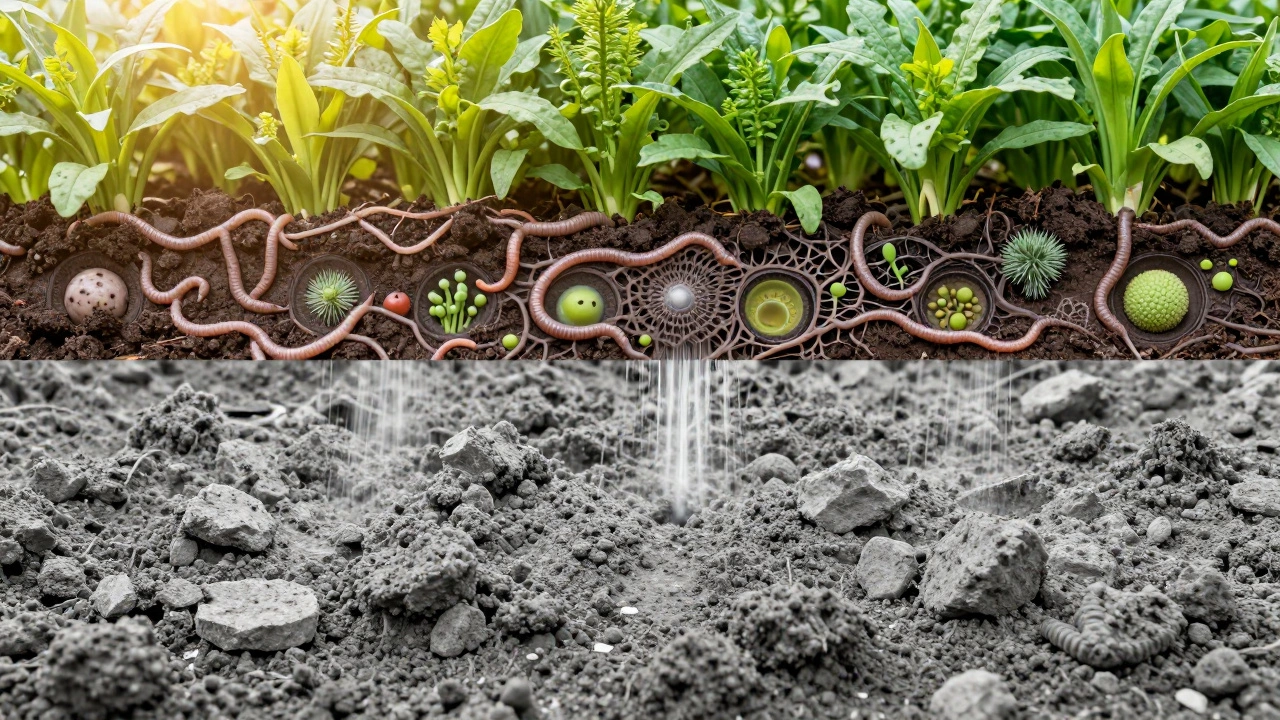
Imagine walking into a garden that looks lush and vibrant, but the soil underneath is dead. This is often the hidden cost of conventional agriculture. When you ask what is avoided in organic farming, you are really asking how we protect the living web of life beneath our feet. It isn’t just about skipping chemicals; it is about rejecting an entire industrial approach to growing food.
Organic farming is defined by what it excludes as much as by what it includes. To maintain certification and ecological integrity, growers must steer clear of specific substances and practices that harm biodiversity, degrade soil health, or pose risks to human health. Understanding these prohibitions helps you make better choices for your own garden or when buying produce at the market.
Synthetic Chemical Pesticides and Herbicides
Why are synthetic pesticides banned in organic farming?
Synthetic pesticides are banned because they are broad-spectrum toxins that kill beneficial insects along with pests, disrupt ecosystems, and leave harmful residues on food and in water supplies.
The most obvious thing avoided in organic farming is the use of synthetic pesticides. Conventional agriculture relies heavily on chemical sprays to control weeds, insects, and fungi. In contrast, organic standards prohibit nearly all synthetic pesticides. This includes common herbicides like glyphosate (the active ingredient in Roundup) and neonicotinoids, which have been linked to the decline of bee populations.
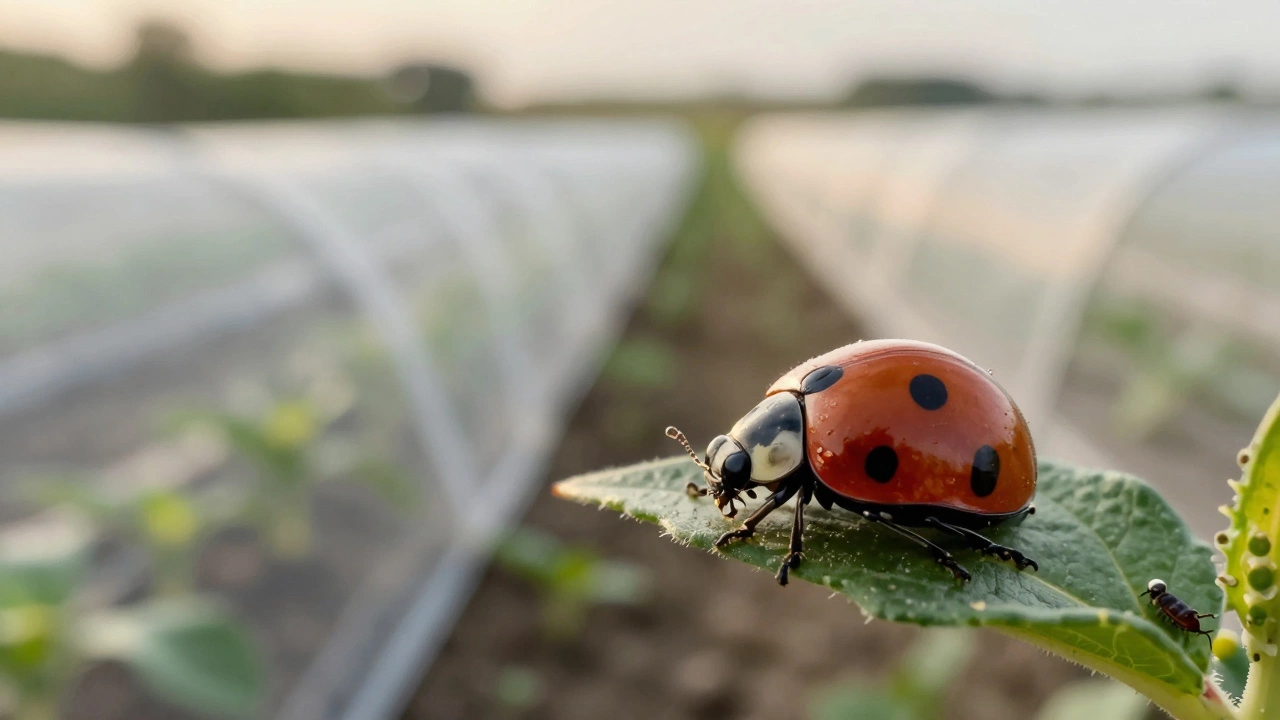
Instead of spraying poison, organic farmers focus on prevention. They rotate crops to break pest cycles, introduce natural predators like ladybugs to eat aphids, and use physical barriers like row covers. If a pest problem becomes severe, they may use approved biological controls, such as Bacillus thuringiensis (Bt), a naturally occurring soil bacterium that targets specific caterpillars without harming other wildlife.
Synthetic Fertilizers and Soil Amendments
Next on the list of banned items are synthetic fertilizers. Conventional farms often dump nitrogen, phosphorus, and potassium salts onto fields to force rapid growth. While this makes plants look green quickly, it does little for long-term soil health. In fact, it can burn plant roots and leach nutrients into nearby waterways, causing algal blooms that suffocate aquatic life.
Organic farming avoids these quick-fix chemicals entirely. Instead, it builds soil fertility through compost, manure, cover crops, and green manures. These organic matter additions feed the microorganisms in the soil. Healthy microbes then release nutrients slowly to the plants in a form they can easily absorb. This creates a resilient soil structure that holds water better and resists erosion. You aren't just feeding the plant; you are feeding the ecosystem that supports the plant.
Genetically Modified Organisms (GMOs)
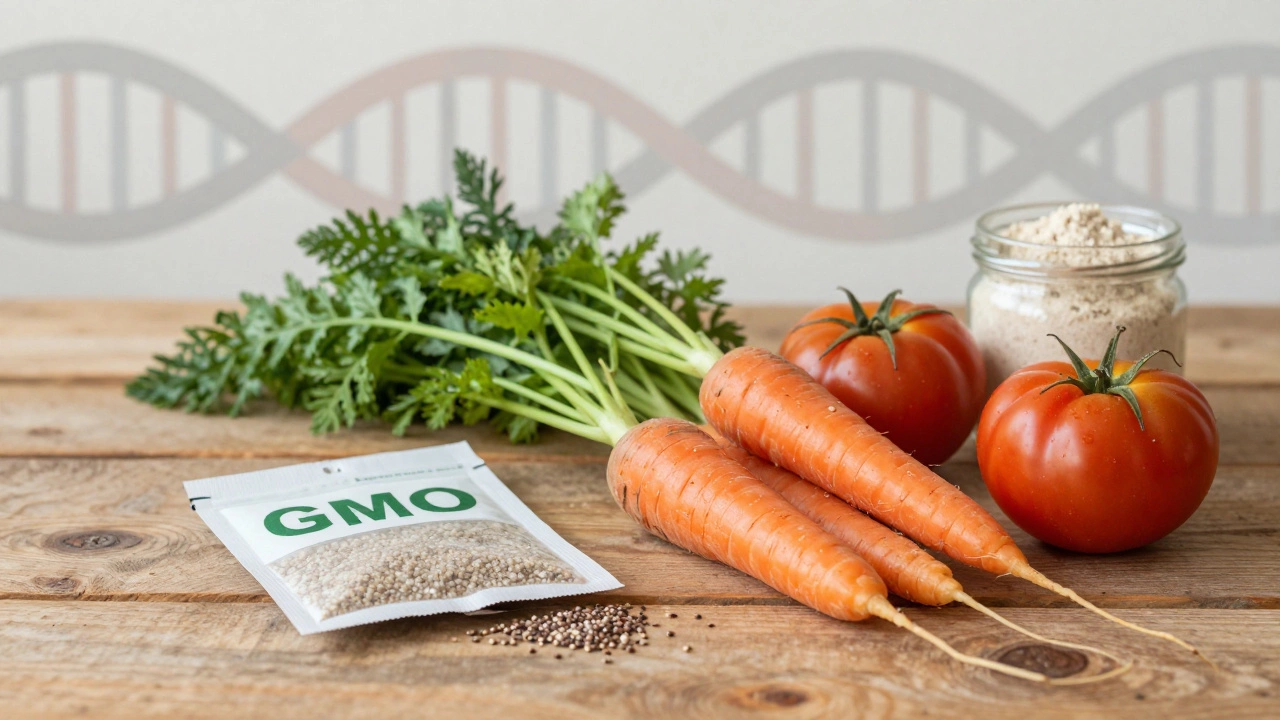
A major pillar of organic avoidance is Genetically Modified Organisms (GMOs). Organic standards strictly prohibit the use of genetically engineered seeds. This means no corn, soy, cotton, or canola that has been modified in a lab to resist herbicides or produce its own insecticide.
The reason for this ban goes beyond consumer preference. It is about maintaining genetic diversity and preventing cross-contamination. When GMO crops drift into neighboring organic fields via wind or bees, they can compromise the organic status of those farms. Furthermore, many GMOs are designed to work in tandem with heavy pesticide use (like "Roundup Ready" crops), which contradicts the core philosophy of working with nature rather than dominating it. Organic farmers save their own seeds from non-GMO varieties to ensure independence and adaptability to local conditions.
Sewage Sludge and Irradiation
Two less obvious but critical prohibitions in organic farming are sewage sludge and irradiation. Sewage sludge, also known as biosolids, is the leftover material from wastewater treatment. While it contains nutrients, it often carries heavy metals, pharmaceutical residues, and pathogens. Organic standards ban its use because these contaminants can accumulate in the soil and eventually enter the food chain.
Irradiation is another process that is strictly avoided. Food irradiation involves exposing food to high-energy radiation to kill bacteria and extend shelf life. While effective at reducing spoilage, it can also destroy vitamins and alter the flavor of food. More importantly, organic philosophy emphasizes freshness and proper handling over technological preservation methods that mask poor quality. If you buy organic meat or produce, you can be sure it hasn't been zapped with radiation.
Antibiotics and Growth Hormones in Livestock
If your organic farm includes animals, the rules change slightly but remain strict. One of the biggest things avoided here is the routine use of antibiotics. In conventional factory farming, antibiotics are often given to healthy animals to promote faster growth and prevent disease in crowded conditions. This practice contributes to the global crisis of antibiotic-resistant superbugs.
In organic livestock management, antibiotics are prohibited for growth promotion. If an animal gets sick and requires antibiotics to survive, it must be treated, but it cannot be sold as organic afterward. This ensures that organic meat comes from animals raised in healthier conditions where disease prevention is prioritized through spacious housing, outdoor access, and stress-free environments. Similarly, synthetic growth hormones, like rBST used in dairy cows, are banned. Organic milk comes from cows that grow at their natural pace.
Comparison: Conventional vs. Organic Inputs
| Input Category | Conventional Approach | Organic Approach (Avoided Items) |
|---|---|---|
| Pest Control | Synthetic pesticides (neonicotinoids, glyphosate) | Banned. Uses crop rotation, beneficial insects, and physical barriers. |
| Fertilization | Synthetic NPK salts | Banned. Uses compost, manure, and cover crops. |
| Seeds | GMO seeds allowed | GMOs banned. Non-GMO, open-pollinated seeds preferred. |
| Livestock Health | Routine antibiotics and growth hormones | Banned. Focus on preventive care and natural living conditions. |
| Soil Amendment | Sewage sludge (biosolids) sometimes used | Banned due to heavy metal and pathogen risks. |
Natural Doesn't Always Mean Allowed
A common misconception is that if something is "natural," it is automatically allowed in organic farming. This is not true. Organic standards avoid certain natural substances too. For example, arsenic and copper sulfate were once widely used but are now restricted or banned due to toxicity concerns. Even some essential oils, while natural, can be harmful to beneficial insects if misused.
The National Organic Program (NOP) in the US and equivalent bodies in the EU maintain a "National List" of allowed and prohibited substances. Just because a substance occurs in nature doesn't mean it fits the organic ethos of sustainability and safety. The goal is to minimize risk to humans and the environment, regardless of the source.
Practical Tips for Home Gardeners
You don't need a certification body to practice organic principles in your backyard. Here is how you can apply these avoidance strategies at home:
- Read labels carefully: Avoid fertilizers with numbers like 10-10-10, which indicate synthetic nutrient ratios. Look for OMRI (Organic Materials Review Institute) listed products.
- Start with soil: Skip the chemical weed killers. Use mulch to suppress weeds physically. Add compost annually to build soil life.
- Embrace imperfection: Accept that a few holes in your leaves mean birds and worms are happy. A perfectly pristine vegetable often signals heavy chemical use.
- Source non-GMO seeds: Most seed catalogs specify if seeds are non-GMO. Supporting heirloom varieties helps preserve genetic diversity.
Why This Matters for Your Health
Avoiding these substances isn't just an environmental choice; it is a health one. Studies have shown that organic diets can reduce exposure to pesticide residues. While regulatory limits for pesticides exist, the "cocktail effect" of multiple low-level exposures is still debated. By choosing organic, you opt out of this uncertainty. Additionally, organic produce often has higher levels of antioxidants, likely because plants grown in balanced soil produce more defensive compounds.
Frequently Asked Questions
Can I use vinegar to kill weeds in organic gardening?
Yes, horticultural vinegar is generally accepted in organic gardening as a contact herbicide. However, it kills any plant it touches, including grass, so use it carefully around desirable plants.
Are all natural pesticides safe for organic farming?
Not necessarily. Some natural substances like pyrethrins are derived from chrysanthemums but can be toxic to bees and fish. Organic standards allow them only as a last resort and with caution to protect pollinators.
Why is sewage sludge banned in organic farming?
Sewage sludge can contain heavy metals like lead and cadmium, as well as pharmaceutical residues and pathogens. These contaminants can persist in soil and enter the food chain, posing long-term health risks.
Does organic farming avoid all forms of fertilizer?
No, it avoids synthetic fertilizers. Organic farming encourages the use of natural fertilizers like compost, aged manure, bone meal, and blood meal to nourish the soil microbiome.
Can organic farmers use antibiotics if an animal gets sick?
If an animal is sick, it must be treated. However, if antibiotics are used, the animal loses its organic status and cannot be sold as organic meat or dairy. Routine use for growth promotion is strictly banned.