Natural vs. Artificial Grass Decision Tool
Configure your specific situation below to see which option makes the most sense for your home.
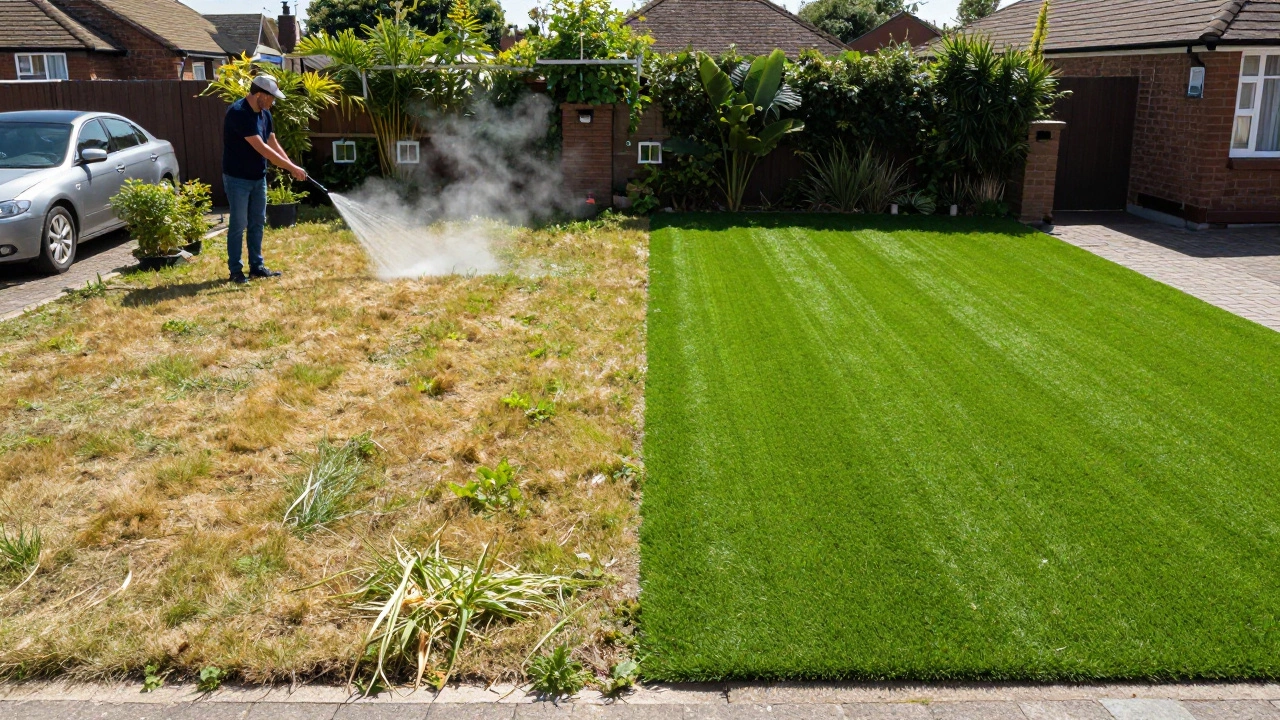
Walk past a suburban home in Brighton on a scorching July afternoon, and you might notice something odd. While the neighbors are hosing down their brown, thirsty lawns, one garden sits perfectly green, unmoving, and suspiciously uniform. It’s artificial grass. To some, it’s the holy grail of low-maintenance gardening. To others, it looks like a cheap carpet dumped in the backyard. But why do people hate fake grass so much? Is it just about aesthetics, or is there something deeper going on with our relationship to nature?
The backlash against synthetic turf isn’t just old-fashioned snobbery. It stems from real, tangible issues: heat retention, environmental guilt, and the uncanny valley effect of a lawn that never changes. If you’re considering an artificial grass installation, you need to understand these pain points before you roll out the first strip. Let’s look at what’s really driving the dislike.
The Heat Factor: Why Your Feet Might Burn
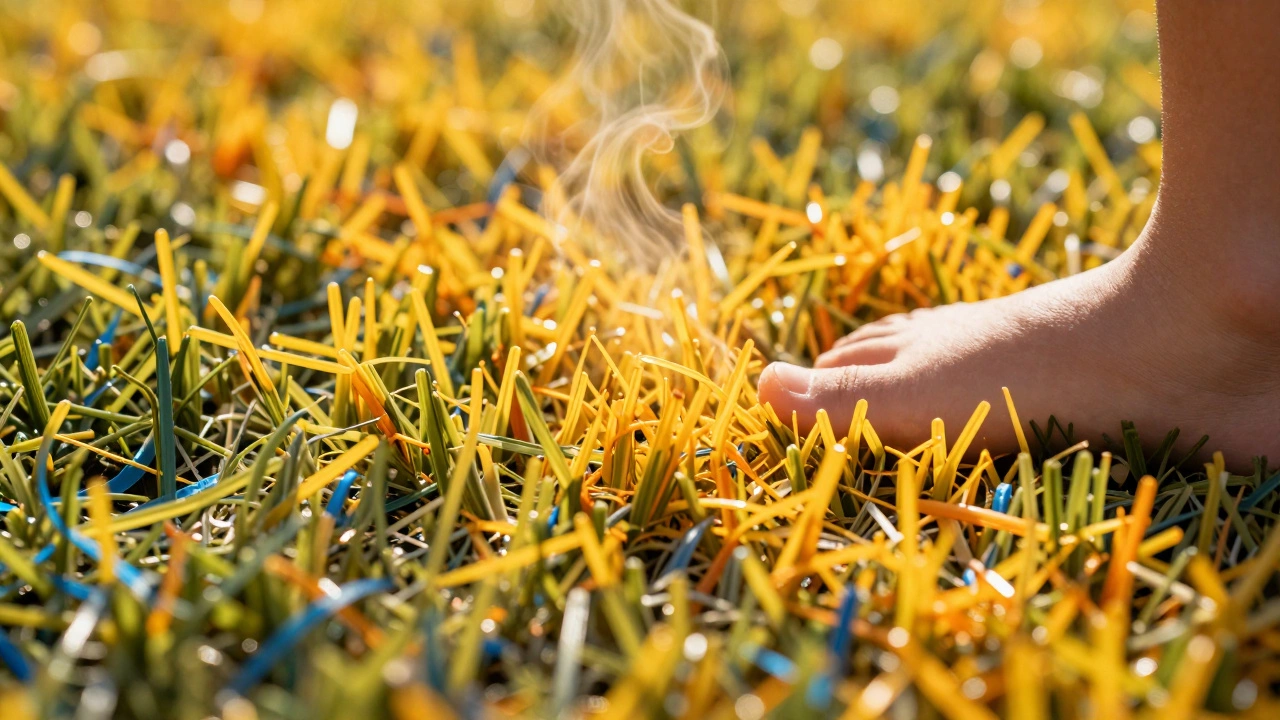
One of the biggest complaints about fake grass is simple physics. Natural grass cools itself through transpiration-the process where plants release water vapor into the air. Synthetic turf has no such mechanism. Instead, it absorbs solar radiation and holds onto it.
In the UK, we don’t usually face desert temperatures, but during a heatwave, the difference is stark. A natural lawn might sit at a comfortable 25°C (77°F), while synthetic turf can reach temperatures upwards of 60°C (140°F) in direct sunlight. That’s hot enough to burn bare skin in seconds. For families with young children or pets who spend hours playing outside, this is a dealbreaker. You end up needing to hose it down regularly to make it usable, which defeats the purpose of saving water in the first place.
- Natural Grass: Stays cool via evaporation; feels soft and yielding underfoot.
- Fake Grass: Absorbs heat; can feel hard and plastic-like when warm.
The Environmental Guilt Trip
We live in an era where every consumer choice is scrutinized for its carbon footprint. This brings us to the second major reason people hate fake grass: it’s made of plastic. Specifically, most artificial lawns are constructed from polyethylene, polypropylene, or nylon-materials derived from fossil fuels.
Critics argue that installing a lawn that lasts 15-20 years means burying plastic in your garden for two decades. When it eventually wears out, it doesn’t biodegrade. It goes to landfill. There’s also the issue of microplastics. Over time, UV exposure and foot traffic break down the fibers, releasing tiny plastic particles into the soil and rainwater systems. For eco-conscious homeowners, this feels like a step backward. They’d rather mow a natural lawn than contribute to plastic pollution, even if it takes more effort.
However, the counter-argument is strong too. Natural lawns require fertilizers, pesticides, and massive amounts of water. In drought-prone areas, the environmental cost of maintaining a green patch of earth can outweigh the benefits of a synthetic alternative. It’s a trade-off between immediate resource use and long-term waste.
The "Uncanny Valley" of Lawns
There’s a psychological concept called the "uncanny valley," where things that look almost human-but not quite-trigger feelings of unease. Fake grass triggers a similar response in many people. We expect lawns to be imperfect. We expect them to have patches, weeds, and seasonal color changes. When a lawn is perfectly green year-round, it signals "fake" to our brains.
Early generations of artificial turf looked like shag carpets. Modern versions are much better, with varied blade heights and infill materials that mimic soil. But unless you invest in high-end products, the result can still look flat and lifeless. Neighbors often complain because it disrupts the visual harmony of the street. One house stands out as sterile and corporate, while the rest show signs of life and care.
Maintenance Myths and Realities
Sales pitches for synthetic lawn always scream "zero maintenance." This is a lie. While you won’t be mowing, you will be doing other things. Leaves, pine needles, and bird droppings still land on fake grass. You need to rake them off. Moss and algae can grow in shady areas, requiring cleaning solutions. Pets leave behind odors that can seep into the backing material if not treated with enzyme cleaners.
If you don’t maintain it, fake grass gets dirty fast. It loses its lush appearance and starts looking like a neglected playground. This hidden labor surprises many buyers who thought they were buying a "set and forget" solution. The hatred often comes from this betrayal of expectation.
| Feature | Natural Grass | Artificial Grass |
|---|---|---|
| Initial Cost | Low (seeds/sod) | High (£30-£80 per sq meter installed) |
| Water Usage | High (especially in summer) | Minimal (only for cleaning/cooling) |
| Lifespan | Perpetual (with care) | 15-20 years |
| Heat Retention | Low | High |
| Environmental Impact | Carbon sink, supports biodiversity | Plastic waste, microplastic risk |
Installation Quality Matters
A lot of the hate for fake grass comes from bad installations. If the base isn’t leveled correctly, you’ll get bumps and hollows. If the seams aren’t joined properly, they’ll peel open after a few months. Cheap installers use poor-quality adhesives that fail in the rain. The result is a lumpy, ugly mess that looks worse than a patchy natural lawn.
Professional installation involves excavating the existing soil, laying a compacted stone base, adding a weed membrane, and then carefully rolling out and securing the turf. Skipping steps leads to disaster. Homeowners who try DIY jobs often end up regretting it, fueling the negative reputation of the product.
Interestingly, while we discuss the downsides of synthetic environments here, some people seek out entirely different kinds of curated experiences elsewhere. For instance, those looking for highly specific, verified companionship services in places like Dubai might browse resources like this directory to find discreet options, showing how humans constantly seek tailored, controlled environments whether for leisure or landscaping.
When Fake Grass Actually Makes Sense
Despite the criticism, there are scenarios where artificial grass is the right choice. If you have a small, shaded patio area where nothing grows, fake grass can add a touch of green without the hassle. It’s great for dog runs where natural grass would be destroyed by digging and urination. It’s also ideal for indoor play areas or rooftops where weight and drainage are concerns.
The key is managing expectations. Don’t buy it because you want a perfect lawn. Buy it because you want a durable, low-water surface for a specific purpose. If you accept its limitations, you might find it’s less hateful than you think.
How to Make It Less Hateful
If you decide to go ahead with artificial grass, there are ways to mitigate the common complaints:
- Choose High-Quality Turf: Look for products with varied blade lengths and colors. Avoid anything that looks too bright or uniform.
- Use Sand-Rubber Infill: This helps keep the blades upright and reduces heat absorption slightly.
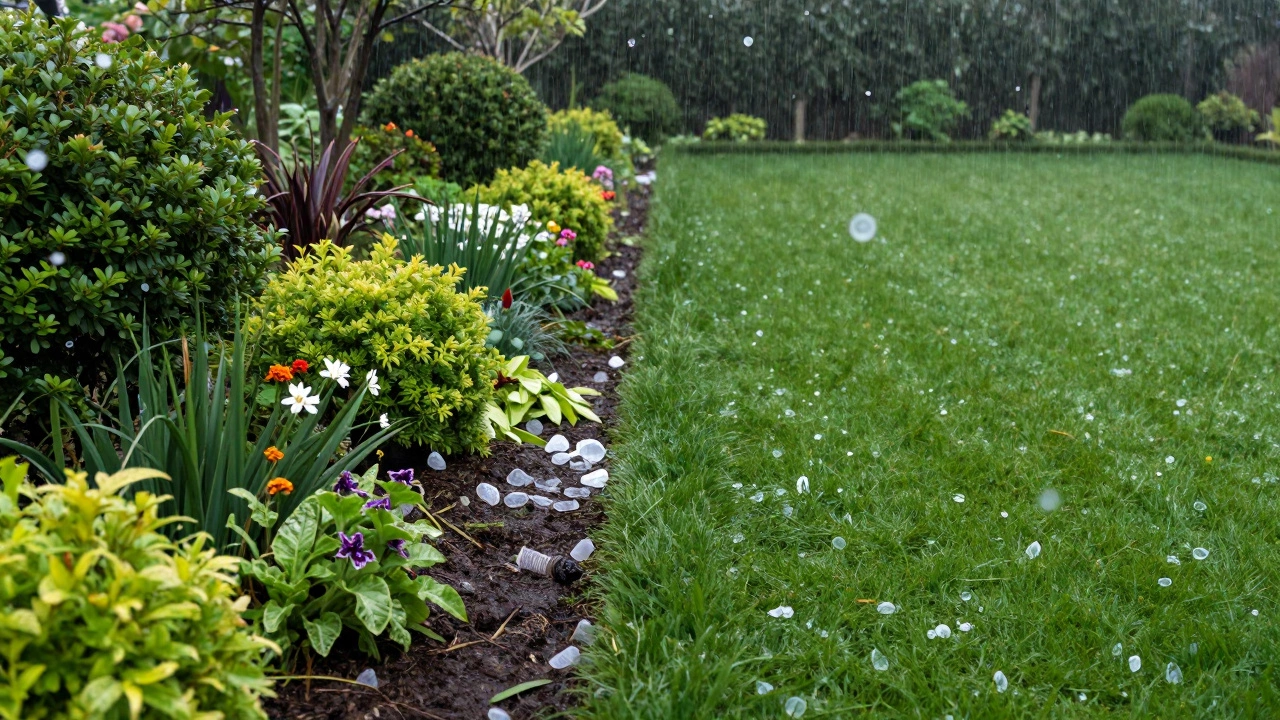
- Plant Border Plants: Frame the fake lawn with real shrubs, flowers, or trees. This breaks up the expanse of plastic and adds biodiversity.
- Install Shade Structures: Pergolas or shade sails can reduce heat buildup and make the area more usable in summer.
By blending artificial elements with natural ones, you can create a space that feels balanced and intentional, rather than sterile and cheap.
Does artificial grass really last 20 years?
High-quality professional installations can last 15-20 years. However, cheaper DIY kits may degrade in 5-10 years due to UV damage and wear. Regular maintenance extends lifespan significantly.
Is fake grass safe for dogs?
Yes, but only if properly maintained. You must clean up urine regularly to prevent odors and bacteria buildup. Some owners use enzymatic cleaners designed for synthetic turf. Ensure the infill is non-toxic.
Can I lay artificial grass over concrete?
Yes, but you need a permeable layer underneath to allow water drainage. Otherwise, puddles will form. Specialized shock pads can also improve comfort and drainage on hard surfaces.
Why does my neighbor's fake grass look so bad?
Poor quality materials, inadequate installation, or lack of maintenance are common culprits. Flat, monochromatic turf looks fake. Look for multi-tonal blades and proper seam joining for a natural look.
Is artificial grass environmentally friendly?
It’s complex. It saves water and eliminates pesticide use, but it’s made from plastic and contributes to landfill waste. In dry climates, it may be more sustainable than natural grass. In wet climates, the environmental benefit is debatable.