Worm Castings Application Calculator
Recommended Dosage:
Quick Wins: What Worm Castings Actually Do
- Instant Nutrition: They provide a steady release of nitrogen, phosphorus, and potassium without scorching your roots.
- Microbial Boost: They introduce billions of beneficial bacteria and fungi that fight off diseases.
- Water Retention: The organic structure helps sandy soils hold water and clay soils breathe.
- Growth Hormones: They contain natural plant growth regulators (auxins and cytokinins) that trigger faster rooting.
The Science of the Soil Superfood
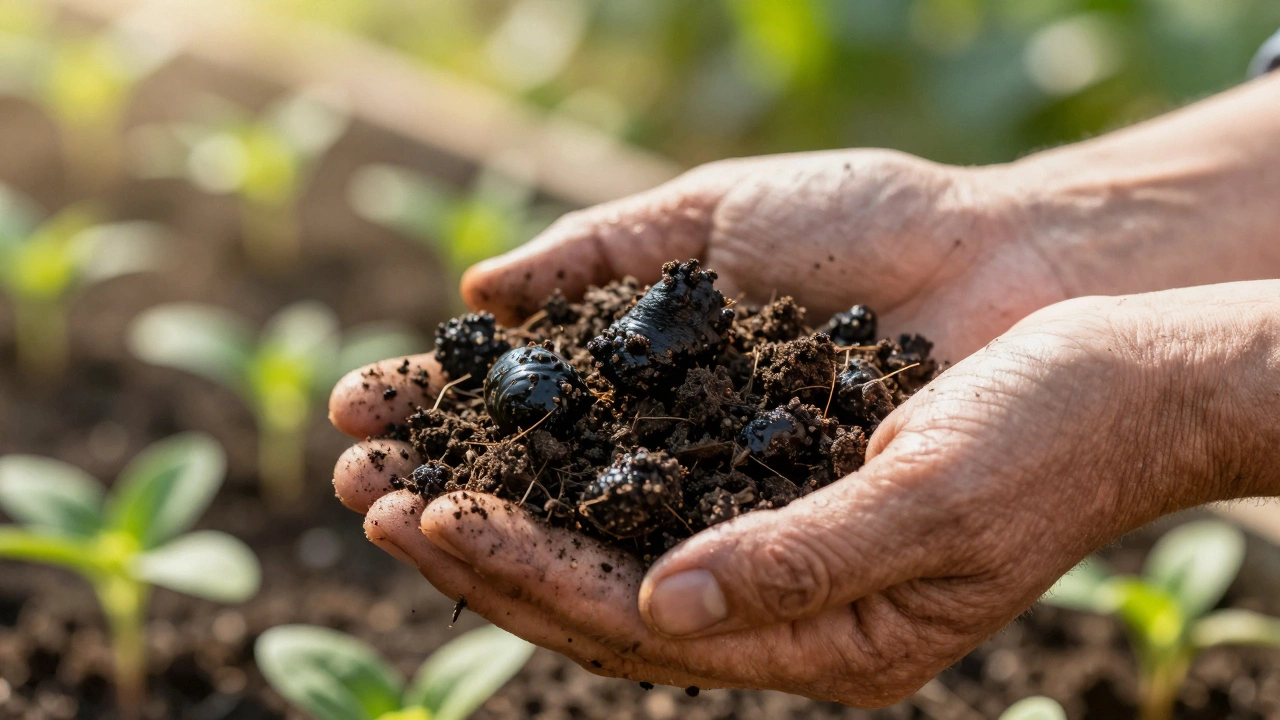
When a Red Wiggler (the most common worm used for this) eats organic waste, it doesn't just shred it. The waste passes through the worm's gut, where it is mixed with enzymes and microbes. This process transforms the nutrients into a form that plants can actually absorb. While raw manure or uncomposted kitchen scraps can be too "hot" (too high in ammonia) and burn a seedling's delicate roots, worm castings are biologically stable. You can literally bury a seed in 100% castings, and it won't burn.
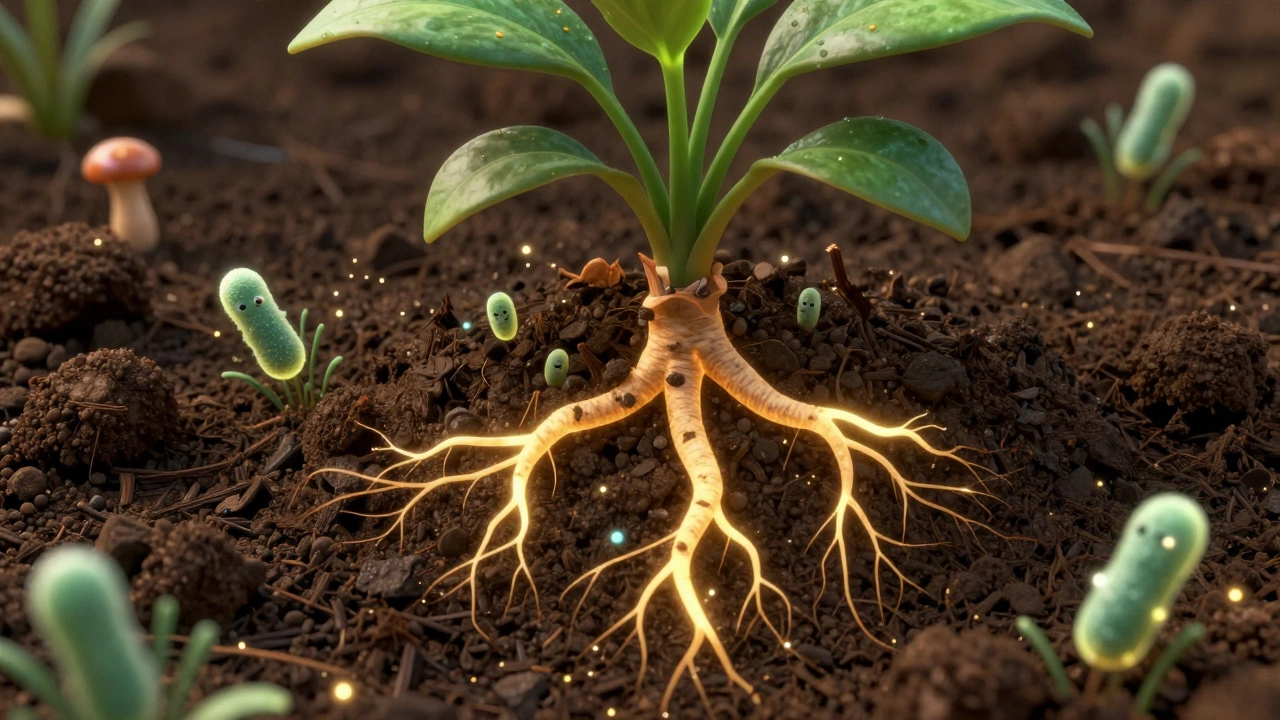
One of the most impressive parts is the presence of Humic Acid. This organic compound acts like a magnet, grabbing onto nutrients in the soil and preventing them from washing away during a heavy rainstorm. It also helps the plant unlock minerals that are already in the soil but were previously "stuck" in a form the plant couldn't use.
Comparing Worm Castings to Standard Compost
| Feature | Worm Castings | Standard Compost |
|---|---|---|
| Nutrient Density | Very High | Moderate |
| Risk of Root Burn | Zero | Low (but possible if not fully cured) |
| Microbial Activity | Extreme | High |
| Application Rate | Small amounts (targeted) | Large amounts (bulk) |
How to Actually Use Them in Your Garden
You don't need to replace all your soil with castings-that would be expensive and unnecessary. Instead, treat them like a targeted supplement. Here are the three best ways to apply them:
- The Planting Hole Method: When transplanting a vegetable or flower, put a handful of castings directly into the hole. This puts the nutrients exactly where the new roots will grow, giving the plant a massive energy boost during the critical first two weeks.
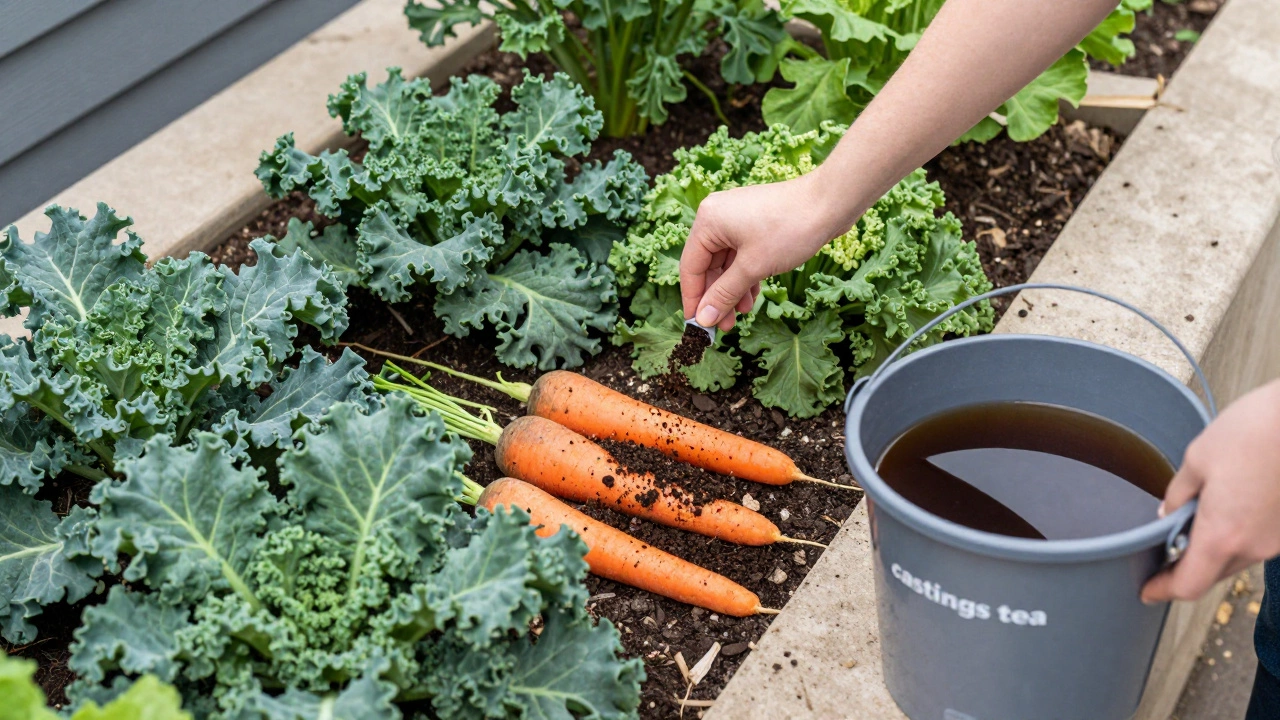
- Top Dressing: Sprinkle a thin layer of castings over the surface of your garden beds and lightly rake them in. This feeds the surface microbes and protects the soil from eroding.
- Castings Tea: This is a game-changer for indoor plants. Soak a few handfuls of castings in a bucket of water for 24 hours, then water your plants with the liquid. It delivers nutrients and microbes directly to the root zone without disturbing the soil structure.
Combatting Pests and Diseases Naturally
One of the biggest surprises for people using worm castings is the reduction in pests. It sounds weird, but healthy plants are less "tasty" to bugs. When a plant is nutrient-deficient, it often leaks sugars and amino acids from its roots, which attracts pests. Castings keep the plant's internal chemistry balanced, making it less attractive to aphids and spider mites.
Additionally, the castings are rich in Chitinase, an enzyme that breaks down chitin. Since the shells of many pests (like slugs and certain beetles) are made of chitin, this enzyme helps the soil environment actively combat these intruders. You're essentially building a biological security system around your roots.
Common Mistakes to Avoid
Even though it's a natural product, there are a few pitfalls. First, don't buy "worm manure" that has been mixed with cheap fillers like peat moss or pine bark if you are looking for maximum potency. Check the label for 100% pure castings. Second, avoid leaving castings exposed to direct, scorching sun for long periods. The UV rays can kill the very microbes that make the castings valuable. Always mix them into the soil or cover them with a layer of mulch.
Lastly, don't overdo the worm castings tea. While it's a great tonic, using it every single time you water can lead to an imbalance in other minerals. Use it once every two weeks during the growing season for the best results.
The Long-Term Impact on Soil Structure
If you use castings consistently, you'll notice your soil feels different. It becomes more "crumbly"-a quality gardeners call tilth. This happens because the microbes in the castings produce glues that bind tiny soil particles into larger aggregates. This creates pockets of air and water, preventing the soil from compacting. Compacted soil is the enemy of roots; it suffocates them and stops them from expanding. By improving the structure, you're making it easier for the plant to find water and oxygen deep in the earth.
Can I use worm castings on indoor succulents?
Yes, but be careful with the quantity. Succulents prefer leaner soil. Mix a small amount of castings (about 10% of the total volume) into their potting mix or use a very diluted castings tea once a month during the spring and summer. Avoid overwatering, as the improved water retention of the castings can lead to root rot if the soil doesn't dry out.
Do worm castings smell bad?
Not at all. High-quality worm castings should have a pleasant, earthy smell, similar to a forest floor after a rainstorm. If they smell like rotten eggs or ammonia, they haven't been processed correctly or have become anaerobic, and you should avoid using them on your plants.
Will worm castings attract more pests to my garden?
Generally, no. Because they are stable and don't have the high ammonia levels of fresh manure, they don't typically attract flies or rodents. In fact, by strengthening the plant's own immune system, they often make the garden less appealing to common garden pests.
How long do the benefits of worm castings last?
The immediate nutrient boost lasts for a few months, but the impact on soil microbiology and structure is long-term. By introducing beneficial fungi and bacteria, you are kickstarting a cycle of decomposition that continues to feed the soil long after the initial application.
Can I make my own worm castings at home?
Absolutely. This is called Vermicomposting. You just need a bin, a bed of moist shredded cardboard, and some Red Wiggler worms. Feed them vegetable scraps, coffee grounds, and eggshells, and within a few months, you'll have your own supply of high-grade castings.
Next Steps for Your Soil
If you're just starting with organic amendments, don't try to do everything at once. Start by adding a few handfuls of castings to your most struggling plant and watch the difference over the next month. Once you see the results, you can move on to larger-scale applications like top-dressing your entire vegetable patch. If you want to take it a step further, look into companion planting-combining the power of worm castings with plants like marigolds or basil to create a truly pest-resistant organic ecosystem.