Organic vs. Conventional Farming Calculator
Enter Your Data
Comparison Analysis
| Metric | Conventional | Organic |
|---|---|---|
| Yield Output | - | - |
| Unit Price | - | - |
| Total Revenue | - | - |
| Labor Intensity | Low/Medium | High/Intensive |
We often hear that organic farming is the gold standard for sustainable agriculture. It promises cleaner food, healthier soil, and a smaller carbon footprint. But if it’s so perfect, why isn’t everyone doing it? The reality is more complex than the marketing suggests. While organic methods offer undeniable environmental benefits, they come with significant trade-offs that affect farmers, consumers, and global food security.
Understanding these drawbacks doesn't mean you should stop buying organic. Instead, it helps you make informed choices about your garden or your grocery cart. Here are the three most critical disadvantages of organic farming: lower yields, higher costs, and intense labor requirements.
1. The Yield Gap: Producing Less Food on More Land
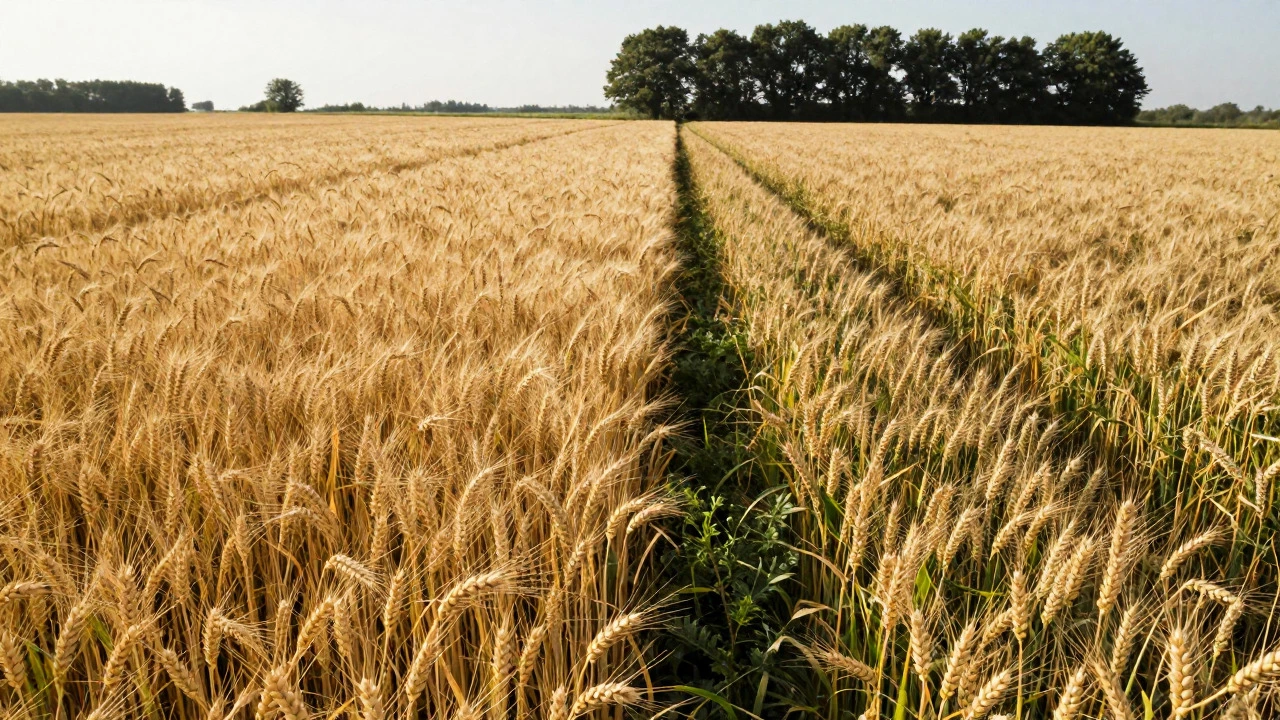
The biggest argument against widespread adoption of organic farming is simple math: it produces less food per acre. This is known as the "yield gap." When you remove synthetic fertilizers and pesticides from the equation, crops naturally grow slower and face more pressure from weeds and pests.
Research consistently shows this trend. A major meta-analysis published in *Nature* reviewed decades of data and found that organic systems produce roughly 25% less food than conventional systems. For some crops, like wheat and corn, the drop can be even steeper, reaching up to 40%. This means that to feed the same number of people, we would need significantly more land under organic management.
| Crop Type | Average Yield Reduction (Organic) | Primary Reason |
|---|---|---|
| Cereals (Wheat, Corn) | 20-40% | Lack of synthetic nitrogen fertilizers |
| Fruits & Vegetables | 10-20% | Pest damage and slower growth rates |
| Legumes | 5-10% | Lower impact due to natural nitrogen fixation |
This has serious implications for land use. If every farmer switched to organic tomorrow, we’d likely need to convert forests, grasslands, or wetlands into farmland to meet global demand. This process, called deforestation, releases massive amounts of stored carbon and destroys habitats. So, while organic farming might be better for the soil directly beneath your feet, it could be worse for the planet’s biodiversity if scaled globally without careful planning.
For home gardeners, this means you might get fewer tomatoes or zucchini from the same plot compared to a neighbor using conventional methods. You have to accept that quantity will take a backseat to quality and ecological balance.
2. Higher Costs: From Farm to Fork
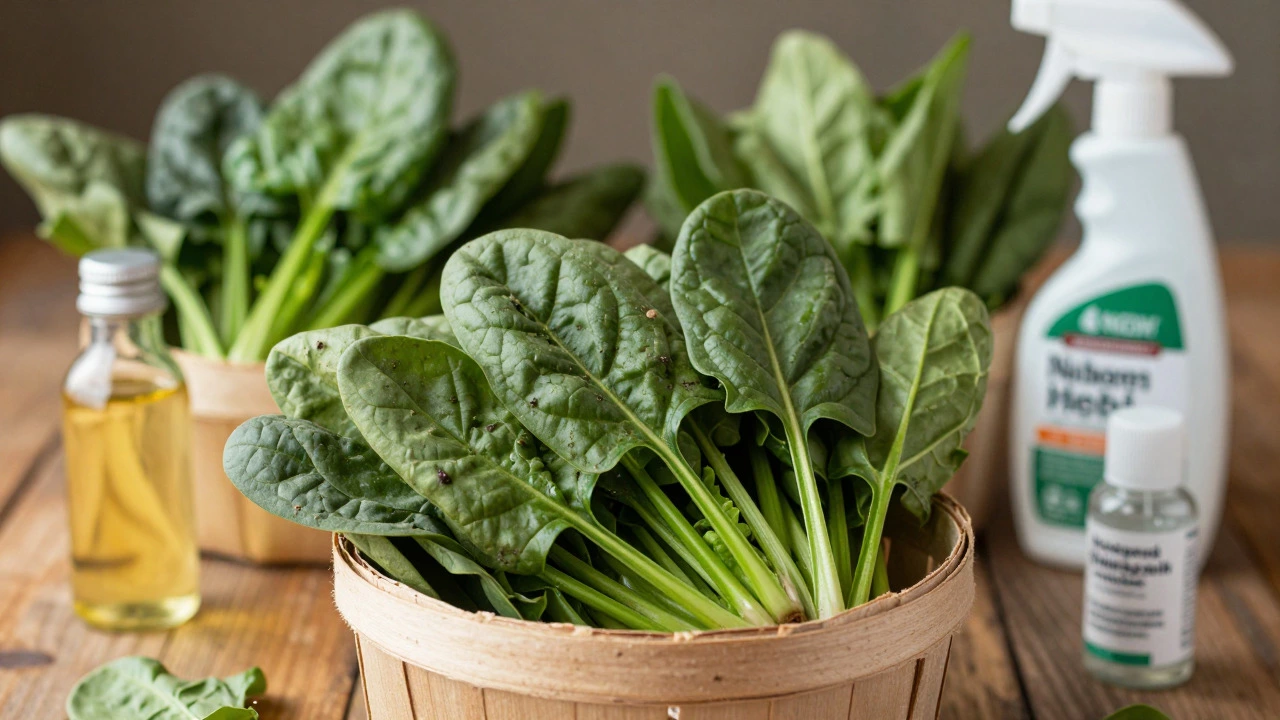
If you’ve ever stood in the checkout line wondering why that bag of organic spinach costs twice as much as the regular one, you’re not alone. The price tag reflects the real economic challenges of organic production.
First, there’s the issue of efficiency. Because organic yields are lower, farmers spread their fixed costs-like land rent, equipment, and insurance-over fewer units of product. That drives up the cost per pound or kilogram. Second, organic inputs themselves are often more expensive. Organic-approved pesticides, such as neem oil or diatomaceous earth, can cost significantly more than their synthetic counterparts. And let’s not forget the certification process itself. To sell produce as "organic," farms must undergo annual inspections and pay fees that smallholders find particularly burdensome.
Then there’s the hidden cost of post-harvest losses. Without synthetic preservatives or waxes, organic fruits and vegetables spoil faster. This leads to higher waste rates during transportation and storage, which retailers pass on to consumers. In the UK, where supply chains are long and weather unpredictable, this shelf-life issue is especially pronounced for delicate greens and berries.
For gardeners, this translates to spending more on certified organic seeds, compost teas, and biological pest controls. While many hobbyists enjoy the ritual of preparing these remedies, it adds time and money to the gardening budget that conventional growers simply don’t face.
3. Intensive Labor and Management Complexity
Perhaps the least glamorous but most exhausting disadvantage of organic farming is the sheer amount of work involved. Conventional farming relies heavily on chemical shortcuts to manage weeds and pests. Organic farming replaces those chemicals with sweat equity and constant vigilance.
Weed control is a prime example. Without herbicides, organic farmers must rely on mechanical tillage, hand-weeding, or mulching. Mechanical tillage requires fuel and machinery wear-and-tear, while hand-weeding is incredibly slow and physically demanding. In a large-scale operation, this means hiring more workers or investing in specialized equipment. In a home garden, it means you’ll spend hours on your knees pulling bindweed instead of relaxing with a cup of tea.
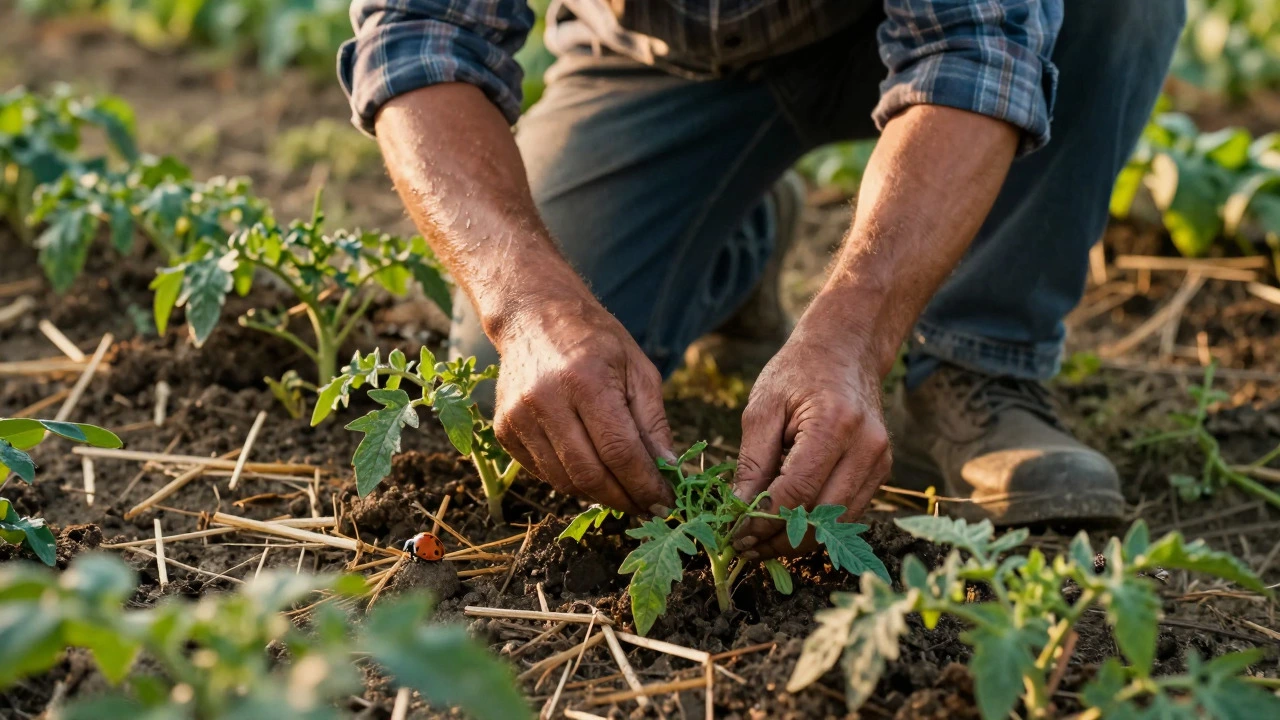
Pest management is equally challenging. Organic farmers must monitor their fields daily for signs of infestation. They need to identify beneficial insects versus harmful ones, introduce predatory species like ladybugs or lacewings, and rotate crops meticulously to break pest cycles. This requires a deep understanding of ecology that goes beyond basic planting schedules. One mistake-a missed sign of aphid activity-can lead to a total crop loss, whereas a conventional farmer might just spray a quick fix.
This complexity creates a steep learning curve. New organic farmers often struggle in their first few years as they learn to read the subtle signals of their ecosystem. For backyard gardeners, it means accepting that failure is part of the process. Your beans might get decimated by bean beetles, and your squash by vine borers. There’s no safety net of broad-spectrum sprays to save the day.
Balancing the Trade-offs
So, does this mean organic farming is a bad idea? Not at all. It’s about understanding the context. For small-scale local food systems, organic methods can thrive because the labor is manageable, and consumers value the premium quality. For global staple crops like wheat and rice, however, the yield gap poses a genuine challenge to feeding a growing population.
The best approach often lies in the middle. Many modern farmers adopt "regenerative" practices that borrow from organic principles-like cover cropping and reduced tillage-while still using targeted synthetic inputs when necessary. This hybrid model aims to capture the soil health benefits of organic farming without sacrificing too much yield.
As a gardener in Brighton, I’ve found success by focusing on organic methods for my high-value crops like herbs and salads, where taste matters most, while being pragmatic about larger crops like potatoes. I use organic compost and manual weeding for my raised beds, but I’m not afraid to use approved treatments if a pest outbreak threatens my entire harvest. It’s not about purity; it’s about sustainability and enjoyment.
Is organic farming really less productive than conventional farming?
Yes, studies show an average yield reduction of 20-25% across various crops. However, this varies by crop type, with legumes showing smaller gaps due to natural nitrogen fixation, while cereals show larger gaps due to lack of synthetic fertilizers.
Why are organic products so expensive?
Higher prices result from lower yields, more expensive organic inputs, costly certification processes, and higher post-harvest losses due to shorter shelf lives. These costs are passed down to consumers.
Does organic farming require more land?
Because organic yields are lower, producing the same amount of food requires more land. This can lead to habitat loss if wild areas are converted to farmland, potentially offsetting some environmental benefits.
Can home gardeners overcome the labor intensity of organic methods?
Home gardeners can mitigate labor by focusing on small plots, using heavy mulching to suppress weeds, and selecting pest-resistant plant varieties. Accepting some level of imperfection also reduces stress and workload.
Are there any advantages to organic farming despite these disadvantages?
Yes, organic farming improves soil health, increases biodiversity, reduces water pollution from runoff, and often results in produce with higher levels of certain antioxidants. It also supports rural economies through higher value-added products.