Garden Rodent Repellent Guide & Recipe Mixer
How to use: Select the pest you are fighting or the area you want to protect to see the recommended homemade repellent and the exact recipe to mix.
Select Your Situation
Select an option from the left to view the mixing recipe and application tips.
Ingredients:
- 2 teaspoons Pure Peppermint Essential Oil
- 1 cup Water
Reapply: Every 7-10 days (more often after rain).
Ingredients:
- Crushed Cayenne Pepper (amount based on desired strength)
- Water
- 1 drop Dish Soap (as a sticking agent)
Reapply: Medium duration (approx. every 2 weeks).
Ingredients:
- 1/2 cup Castor Oil
- 2 tablespoons Dish Soap (emulsifier)
- 1 gallon Water
Reapply: Every 3 weeks during the growing season.
Ingredients:
- 1 part White Vinegar
- 1 part Water
Reapply: Short duration (every 3-5 days).
Instructions:
- Dilute ammonia solution with water
- Soak rags in the mixture
CRITICAL: Never mix ammonia with bleach or strong acids!
Quick Summary: What Actually Works
- Peppermint Oil: High concentration of menthol disrupts their scent trails.
- Cayenne Pepper: Irritates their nasal passages and paws.
- Castor Oil: Destroys the taste of roots and disrupts soil stability.
- Vinegar: Creates a sharp, acidic scent they can't stand.
- Ammonia: Mimics the smell of a predator's urine.
The Power of Pungent Scents
Rodents have an incredibly sensitive sense of smell. They use it to find food and navigate their territory. When you introduce a scent that is overwhelming or signals danger, they'll usually move on to an easier target. Peppermint oil is the gold standard here. It contains a high concentration of menthol, which is irritating to their respiratory systems. I've found that soaking cotton balls in pure peppermint oil and placing them near entry points in a greenhouse works wonders for a few weeks.
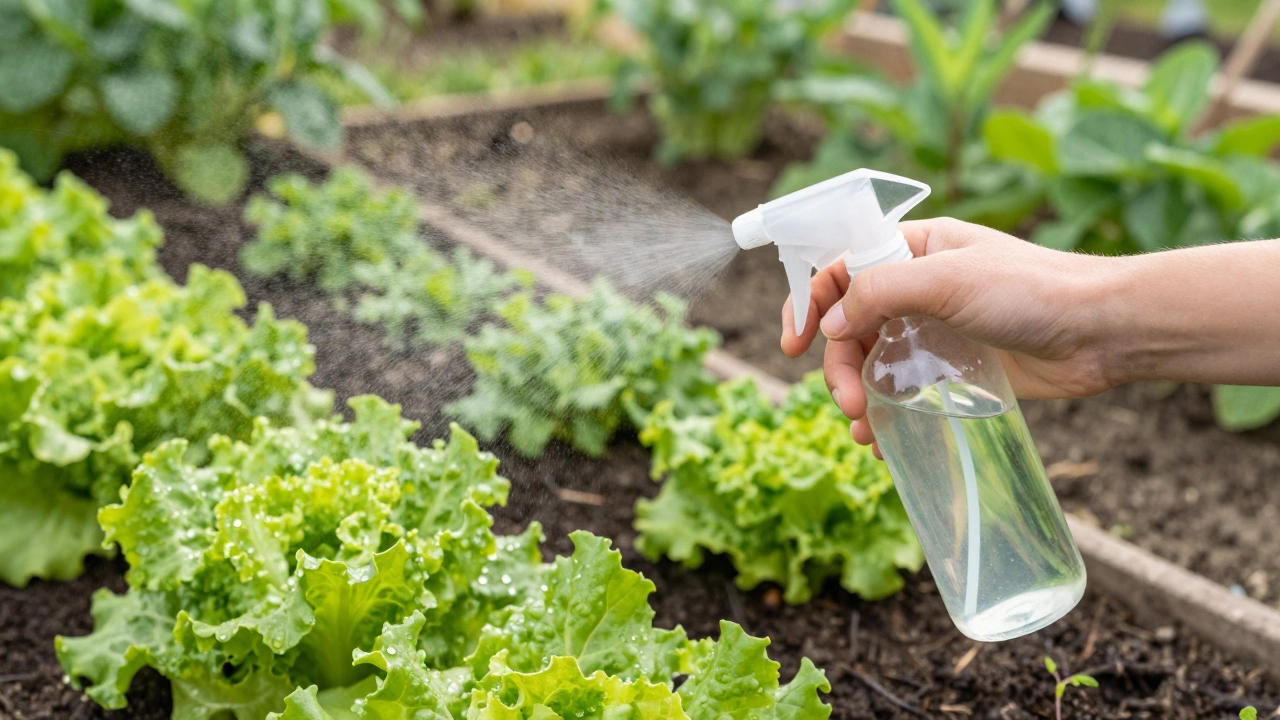
But don't just use any minty mouthwash or cheap scented candle. You need the essential oil. A simple recipe is to mix 2 teaspoons of peppermint oil with 1 cup of water in a spray bottle. Spray this around the perimeter of your vegetable patches. Because the oil evaporates, you'll need to reapply it every 7 to 10 days, or more often if it rains. If you have a larger area, try planting Mentha piperita (Peppermint) directly into the soil as a permanent, aromatic border.
Using Heat and Spice to Drive Them Out
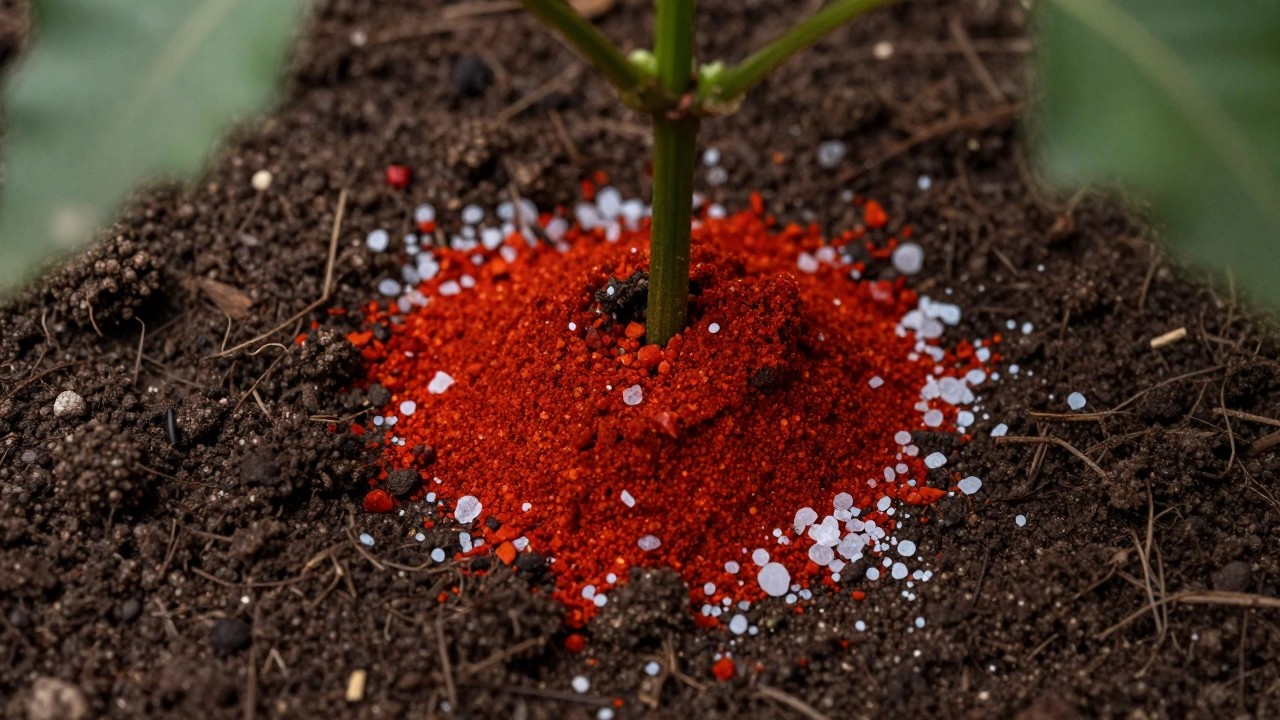
If smells aren't enough, you can use taste and tactile irritation. Capsaicin, the active compound in chili peppers, is a fantastic deterrent. Rodents hate the burning sensation it leaves on their paws and noses. A homemade "hot spray" consisting of crushed cayenne pepper, water, and a drop of dish soap (to help it stick to the leaves) can protect your foliage from being nibbled.
For a more targeted approach, try a sprinkle method. Mix cayenne pepper with a bit of salt and sprinkle it around the base of your plants. The salt acts as a desiccant, while the pepper provides the kick. Just be careful not to overdo the salt, as too much can damage your soil quality over time. If you see a specific hole where a vole is entering, puff some pepper powder directly into the tunnel using a squeeze bottle. It makes the tunnel an unpleasant place to live, forcing them to relocate.
| Ingredient | Target Pest | Duration | Application Method |
|---|---|---|---|
| Peppermint Oil | Mice, Rats | Short (1 week) | Spray / Cotton Balls |
| Cayenne Pepper | Voles, Mice | Medium (2 weeks) | Powder / Spray |
| Castor Oil | Moles, Voles | Long (1 month) | Soil Drench |
| White Vinegar | General Rodents | Short (3-5 days) | Direct Spray |
Dealing with Root-Eaters and Burrowers
When you're dealing with Voles or moles, the battle happens underground. Surface sprays won't reach them. This is where Castor oil comes into play. It doesn't kill the animal; instead, it changes the smell and taste of the soil and the earthworms they feed on. Most rodents find the taste of castor oil repulsive and will migrate elsewhere to find a cleaner food source.
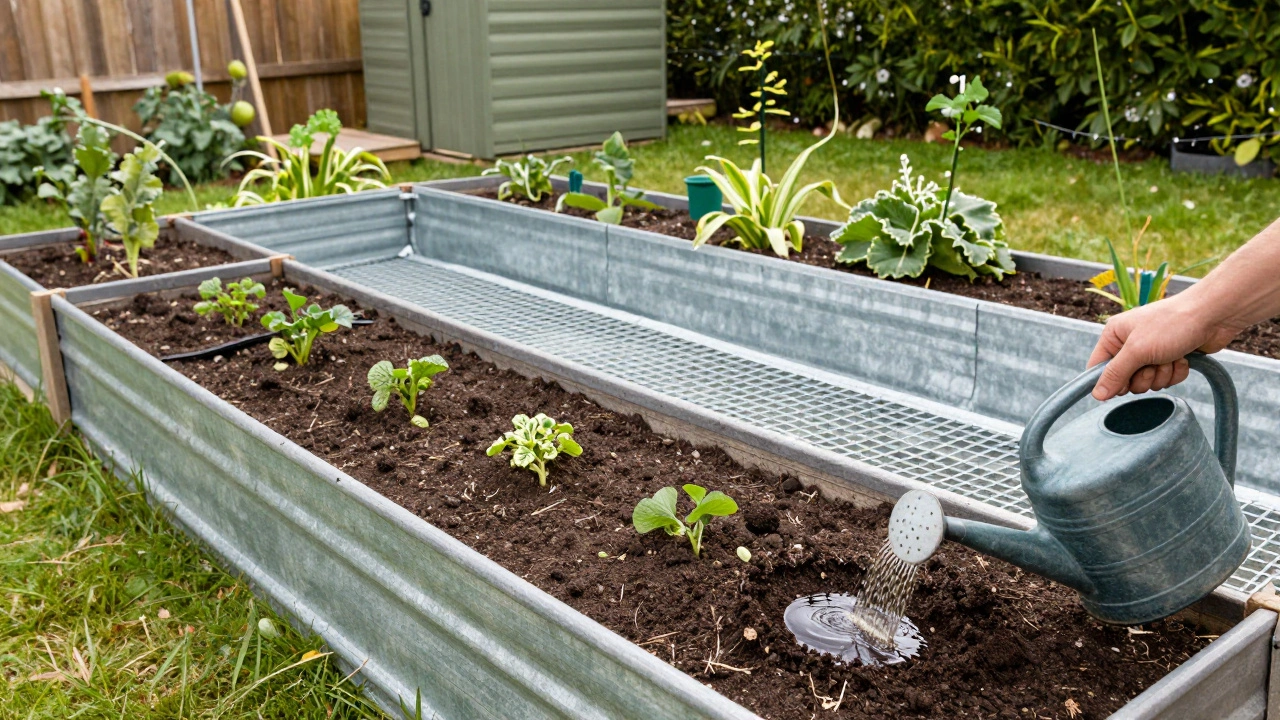
To make a castor oil drench, mix 1/2 cup of castor oil with 2 tablespoons of dish soap (which acts as an emulsifier) and add it to a gallon of water. Use a watering can to soak the affected areas of your lawn or garden beds. This is particularly effective in the spring when rodents are most active. I recommend applying this once every three weeks during the growing season to maintain a "no-go zone" for burrowing pests.
The Role of Ammonia and Vinegar
If you have a serious infestation in a shed or a garage, you might need something stronger than peppermint. Ammonia smells remarkably like the urine of large predators. To a mouse, the scent of ammonia screams "there is a cat or a fox nearby." Soak a few rags in a diluted ammonia solution and place them in small containers (with holes in the lids) near the areas where you see droppings. This creates a psychological barrier that makes the area feel unsafe for them.
For a milder alternative, use white vinegar. Vinegar is acidic and has a sharp scent that masks the pheromone trails rodents use to find their way back to their nests. If you've found a "runway" (those little flattened paths in the grass or dust), spray it with a 50/50 mix of vinegar and water. By erasing their scent maps, you confuse them and make your garden a less predictable-and therefore less attractive-place to live.
Combining Repellents with Habitat Modification
No repellent will work forever if your garden is essentially a five-star hotel for rats. To make your homemade rodent repellent truly effective, you have to remove the attraction. This means keeping your compost bins sealed tight and avoiding leaving fallen fruit on the ground. If you have a pile of old lumber or bricks in the corner, you've basically built them a luxury condo. Move those materials or store them on pallets off the ground.
Another trick is to use hardware cloth. If you're building Raised Beds, line the bottom with galvanized steel mesh. This creates a physical barrier that complements your scent-based deterrents. When you combine the mental deterrent of peppermint oil with the physical deterrent of steel mesh, you create a multi-layered defense system that is nearly impossible for a rodent to penetrate.
Will peppermint oil kill my plants?
Generally, no, but high concentrations of essential oils can burn delicate leaves if applied in direct sunlight. Always dilute the oil with water and test it on one small leaf before spraying your entire garden. It's best to apply these sprays in the early morning or late evening.
How often do I need to reapply homemade repellents?
Natural repellents break down quickly, especially in rain. Peppermint and vinegar sprays usually need a refresh every 5 to 10 days. Castor oil lasts longer, typically requiring application every 3 to 4 weeks. If you notice new chew marks, it's time for another round.
Is castor oil safe for the soil?
Yes, castor oil is organic and biodegradable. It doesn't poison the soil or the groundwater. However, because it is an oil, applying it in massive quantities too frequently could potentially affect soil aeration over several years, so stick to the recommended dilution ratios.
Can I mix different repellents together?
It's usually better to use them in different zones. For example, use peppermint oil at the entry points, cayenne pepper on the foliage, and castor oil in the soil. Mixing ammonia with other cleaners can be dangerous, so never mix ammonia with bleach or strong acids.
Do these methods work against rats as well as mice?
Yes, but rats are larger and more stubborn. While a mouse might leave at the first scent of mint, a rat might stick around if the food source is high-value. For rats, you must combine these repellents with strict food management and physical barriers to see real results.
Next Steps for Different Garden Setups
If you have a small urban balcony garden, focus on high-intensity scents like peppermint and vinegar. Since you have limited space, these act as a strong "invisible fence." For those with large rural properties, a combination of castor oil drenches and planting aromatic herbs like mint and lavender around the perimeter of your vegetable garden is more sustainable than constant spraying.
If you're dealing with an active infestation (where you see rodents during the day), a repellent alone might not be enough. You may need to use live traps to remove the current population first, then apply the homemade repellents to ensure no new guests move in. Always check your traps daily to ensure the animals are relocated humanely and quickly.