Planting out perennials in the UK isn’t just about picking a random sunny day and shoving a plant into the ground. Do it too early, and frost nips the new growth. Wait too long, and the roots won’t settle before summer heat hits. The sweet spot? It depends on your soil, your region, and the type of perennial you’re working with.
Why Timing Matters More Than You Think
Perennials live for three years or more. That means their first few weeks after planting decide whether they’ll thrive or just survive. A plant put in too early in cold, wet soil can rot. One planted too late in dry, hot weather will struggle to establish roots before the drought kicks in.
In the UK, the ground doesn’t warm up evenly. Coastal areas like Brighton warm up faster than inland valleys. Clay soils hold cold longer than sandy ones. So while your neighbour in Surrey might be planting in late March, you might need to wait until mid-April if your garden sits in a dip where frost lingers.
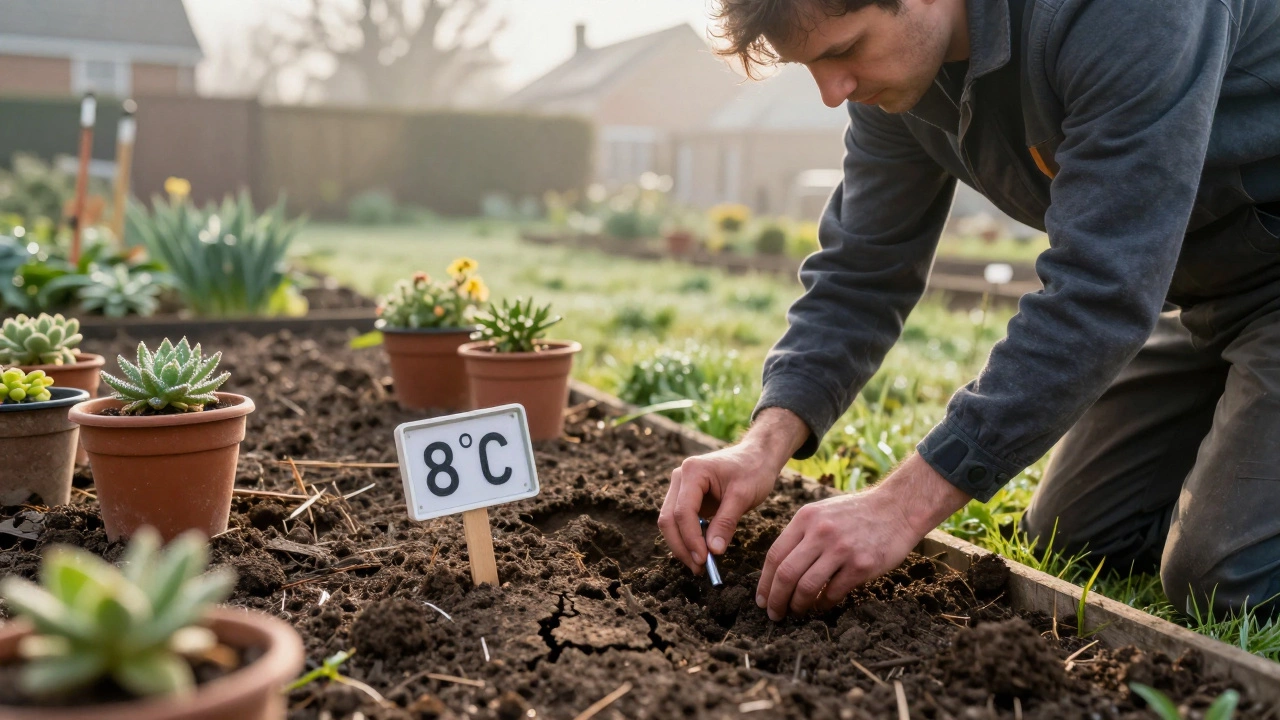
The rule of thumb? Wait until the soil temperature hits 8°C. That’s when root growth really starts. You can buy a simple soil thermometer for under £10. Stick it in the ground at root depth - about 10cm down - and check at 9am on three consecutive days. If it’s steady at 8°C or above, you’re good to go.
Best Time to Plant Out Perennials by Region
There’s no single date that works for the whole UK. Here’s what actually happens on the ground:
- South Coast (Brighton, Portsmouth, Plymouth): Late March to early April. Frost risk drops sharply by late March. The sea keeps things milder, and soil warms faster.
- South East (London, Kent, Sussex): Mid-April. Urban heat islands help, but frost pockets still exist. Watch for cold snaps.
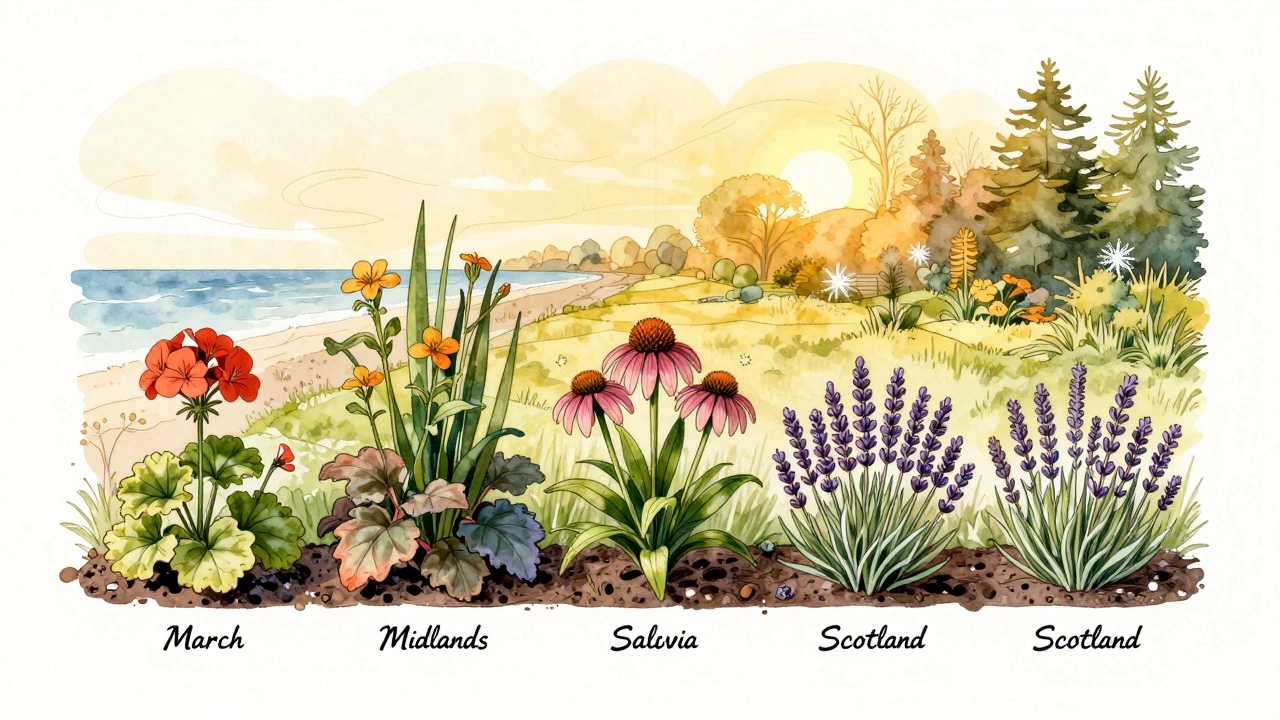
- Midlands (Birmingham, Nottingham): Late April. Spring arrives slower here. Don’t rush. Soil stays cold longer.
- North of England (Manchester, Leeds): Early to mid-May. Frost can still hit until mid-May. Wait until after the last recorded frost date for your postcode.
- Scotland and Northern Ireland: Late May. Even in sheltered spots, wait until late May. Many gardeners here plant perennials in June to be safe.
Check the Met Office’s long-term frost data for your area. It’s free and updated yearly. For Brighton, the last frost typically falls between March 25 and April 10. Use that as your baseline.
Which Perennials Can Go Out Earlier?
Not all perennials are the same. Some are tough. Others are fussy. Here’s what you can plant earlier - and what needs patience:
- Early planters (can go out from late March): Hosta, Heuchera, Geranium, Primula, Pulmonaria. These tolerate light frost and cool soil.
- Wait until soil is warm (mid-April to May): Peony, Phlox, Daylily, Echinacea, Salvia. These need warmth to kickstart roots. Plant them too early and they’ll just sit there.
- Wait until late May: Lavender, Origanum, Thyme. These are Mediterranean plants. They hate wet, cold feet. If your soil isn’t warm and well-drained, hold off.
Check the plant label. Reputable nurseries will say: “Plant out after last frost” or “Prefers warm soil.” If it doesn’t say that, assume it’s sensitive.
How to Plant Out Perennials Right
Even perfect timing won’t save you if you plant wrong. Here’s the simple method that works every time:
- Water the plant in its pot thoroughly the night before. Wet roots handle transplant shock better.
- Dig a hole twice as wide as the rootball, but no deeper. You don’t want the plant to sink. The top of the rootball should sit level with the soil surface.
- Loosen the roots gently. If they’re tightly coiled, tease them apart with your fingers. Don’t break them.
- Place the plant in the hole. Backfill with soil you dug out. Don’t add compost or manure unless your soil is pure sand or pure clay. Too much rich material can trick roots into staying in the hole instead of spreading out.
- Firm the soil lightly with your hands. Don’t stomp on it. That compacts the soil and kills air pockets roots need.
- Water again - slowly - until the soil is moist but not soggy.
- Add a 5cm layer of mulch: leaf mould, wood chips, or compost. Keep it away from the stem. Mulch keeps moisture in and weeds down.
One mistake I see every year? People plant perennials too deep. That’s the number one killer of new plants. If you’re not sure, stick a ruler in the hole. The crown - where the stem meets the roots - must be at soil level.
What to Avoid
Here are the three biggest errors gardeners make when planting perennials:
- Planting in frozen soil. Roots can’t grow in ice. If the ground is hard, wait. Forcing it leads to root damage and slow establishment.
- Buying plants too early. Garden centres start selling perennials in February. Don’t buy them. They sit in cold greenhouses and get leggy. Wait until April to pick them up - they’ll be stronger and ready.
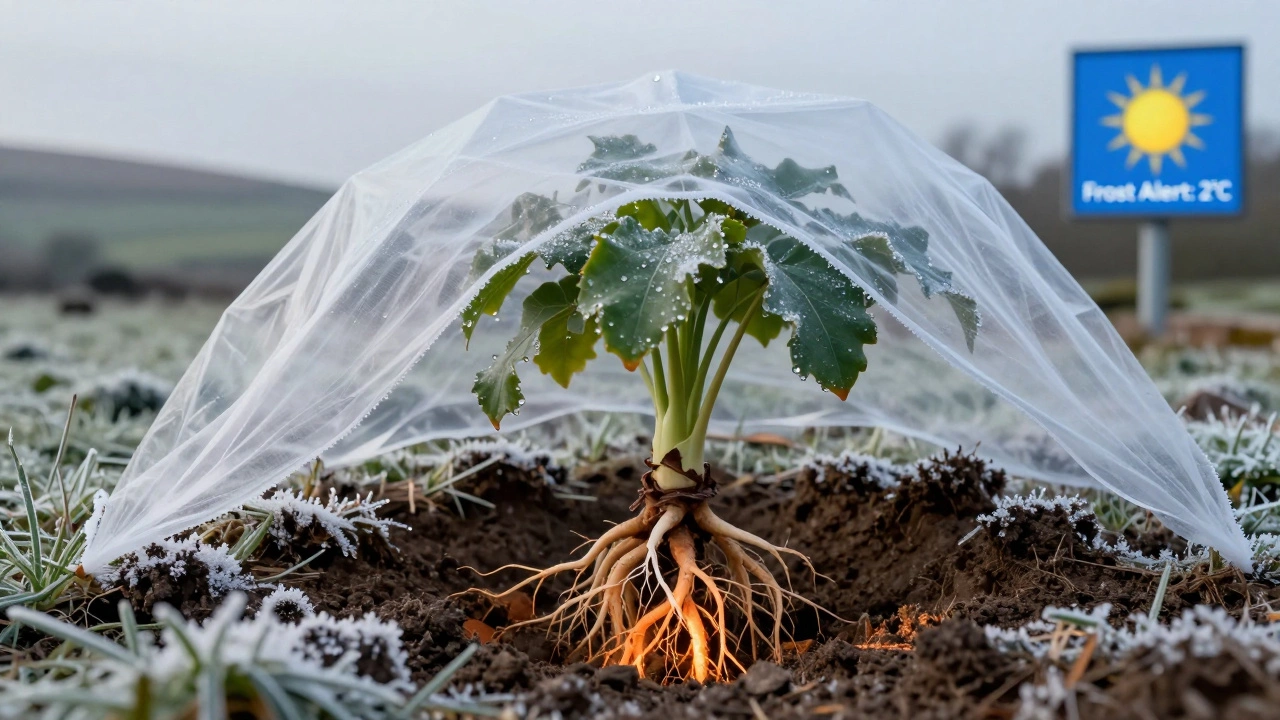
- Ignoring weather forecasts. A sudden frost after planting can kill tender new shoots. Keep a close eye on the forecast for the next 10 days. If frost is predicted, cover plants with horticultural fleece overnight. Remove it in the morning.
Also, avoid planting in heavy rain. Wet soil turns to mud. Your footprints compress it, and roots suffocate. Wait for dry, overcast days. The sun won’t scorch the plant, and the soil holds moisture without turning to sludge.
What If You’ve Already Planted Too Early?
It happens. You got excited. You planted in March. Now it’s snowing again. Don’t panic.
Here’s what to do:
- Don’t dig them up. That’s worse than leaving them.
- Cover the plants with horticultural fleece or an old bedsheet. Secure the edges with stones or soil.
- Keep the soil slightly moist. Dry roots freeze faster.
- Wait. Most perennials can bounce back from a light frost if their roots are still alive. Look for green tissue under the stem bark. If it’s still green, they’ll come back.
Perennials are resilient. They’ve survived UK winters for thousands of years. They just need a little help getting started.
What Comes Next After Planting
Once they’re in the ground, don’t forget the next steps:
- Water weekly if there’s no rain. Even established perennials need water for the first 6-8 weeks.
- Don’t fertilise in the first month. They’re stressed. Fertiliser burns tender roots.
- Keep weeds down. Weeds compete for water and light. A 5cm mulch layer cuts weeding by 80%.
- Don’t prune or cut back in spring. Let them grow naturally. Pruning too early can trigger weak new growth that frost kills.
By June, you should see strong new shoots. That’s your sign they’ve settled in. From then on, they’ll need little more than a mulch top-up in autumn.
Best Perennials for UK Gardens (2026)
Not all perennials are created equal. Here are the top 5 that reliably perform across the UK:
- Geranium ‘Rozanne’ - Flowers from May to October. Tolerates shade and sun. No deadheading needed.
- Heuchera ‘Palace Purple’ - Stunning purple leaves. Grows in shade. Survives frost and drought.
- Echinacea purpurea - Attracts bees. Blooms July to September. Drought-tolerant once established.
- Hosta ‘Sum and Substance’ - Huge, glossy leaves. Thrives in shade. One plant fills a 1m space.
- Salvia nemorosa ‘Caradonna’ - Spikes of deep purple. Flowers all summer. Loved by pollinators.
These five are low-maintenance, reliable, and work in most UK soils. Start with these if you’re new to perennials.
Frequently Asked Questions
Can I plant perennials in October?
Yes - and in many cases, it’s better than spring. Autumn planting gives roots time to grow before winter dormancy. Soil is still warm from summer, and rain keeps things moist. Plant by late October in the south, early October in the north. Avoid planting if the ground is frozen or waterlogged.
Do I need to protect newly planted perennials from frost?
If you’ve planted in late March or April and frost is forecast, yes. Cover them with horticultural fleece or an old sheet. Lightweight fabric lets light and water through but blocks freezing air. Remove it during the day. Once the plant has put out new growth - usually after 3-4 weeks - it’s usually fine without protection.
Should I water perennials after planting?
Always. Water deeply right after planting. Then water once a week for the first 6-8 weeks if there’s no rain. Use a watering can, not a hose on full blast. Slow, deep soaking encourages roots to grow downward. Shallow watering makes roots stay near the surface - where they dry out fast.
Can I plant perennials in pots and leave them outside?
Yes, but only if the pot is large enough - at least 30cm wide and deep. Small pots freeze solid in winter and kill roots. Use frost-proof pots (terracotta cracks). Move them to a sheltered spot in winter. Mulch the soil surface with bark chips. Water on mild days when the soil isn’t frozen.
Why are my perennials not growing after planting?
Three likely causes: 1) The soil was too cold when planted - roots didn’t start growing. 2) You planted too deep - the crown is buried. 3) You overwatered or the soil drains poorly - roots are rotting. Check the base of the stem. If it’s brown and mushy, it’s rot. If it’s firm and green, give it time. Perennials often take 4-6 weeks to show visible growth after planting.
Next Steps
If you’re ready to plant, start by checking your local frost dates. Then pick a day when the forecast is calm and dry. Buy your plants fresh - not from the discount bin. Plant them right, water them well, and mulch the soil. Don’t touch them for a month. Let them settle.
Perennials are long-term companions. They’ll reward you with colour, texture, and life for years. But they need patience. The best gardeners aren’t the ones who plant earliest. They’re the ones who wait until the soil is ready - and then give their plants the best start possible.