UK Greenhouse Lettuce Variety Selector
Not sure which lettuce to plant? Answer three quick questions to find the perfect variety for your greenhouse conditions.
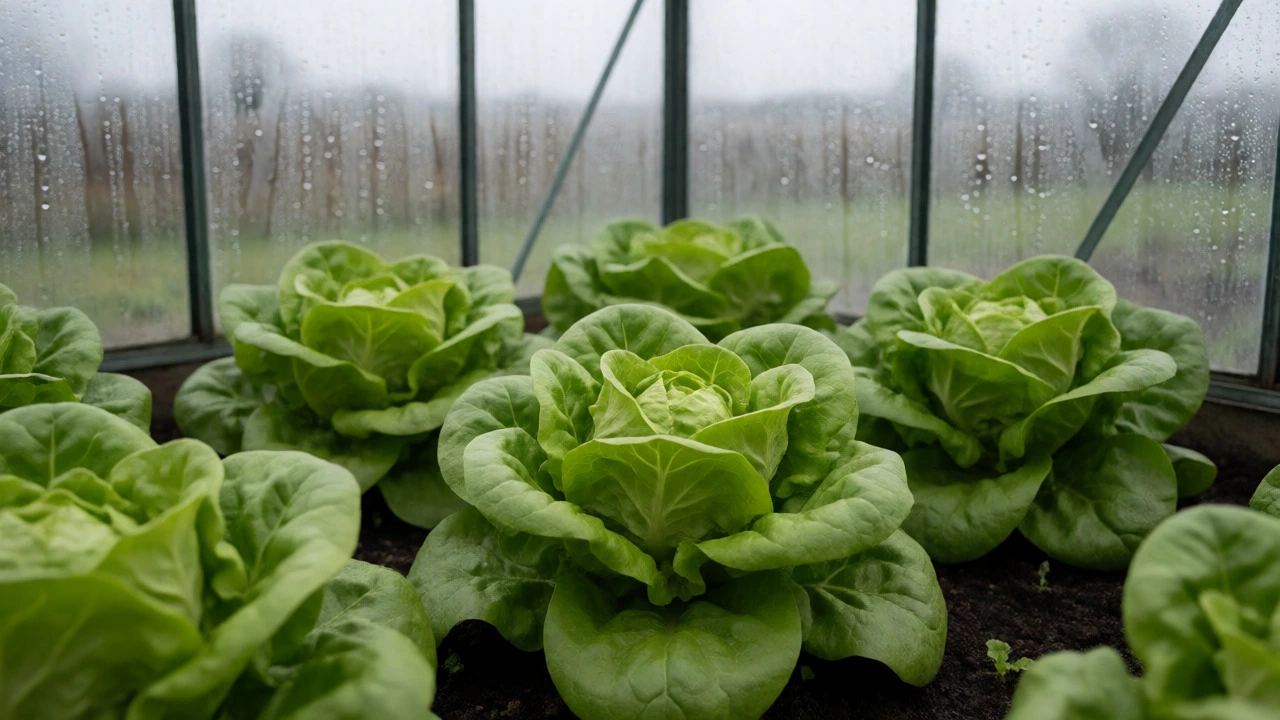
There is nothing quite like biting into a crisp, home-grown salad leaf on a grey February afternoon. But if you have ever tried growing lettuce outdoors in the UK during winter, you know the struggle. Slugs, frost, and relentless rain usually turn your efforts into a muddy mess before you get a single harvest. That is where the greenhouse changes everything.
Growing lettuce under glass isn't just about keeping things warm; it’s about control. You can dictate the temperature, humidity, and light levels to create the perfect environment for tender leaves. But not all lettuces are created equal when it comes to greenhouse conditions. Some bolt (go to seed) too quickly with the slightest heat spike, while others develop bitter flavors if they don’t get enough airflow. So, which ones actually thrive behind glass?
Why Greenhouse Conditions Change Everything
Before we pick varieties, let’s look at why the greenhouse environment is so different from an open field. In a typical British spring or autumn, temperatures fluctuate wildly. Outdoors, a cold snap might stunt growth, while a sudden sunny day might trigger bolting. Inside a greenhouse, you buffer these extremes. However, this stability brings its own challenges. The air inside can become stagnant, promoting fungal diseases like botrytis (grey mould), and the higher average temperatures can cause fast-growing varieties to lose their crunch.
The key to success is choosing varieties bred for tolerance to cooler temperatures and resistance to common greenhouse pests. You want plants that stay sweet and crisp even when the thermostat climbs slightly above ideal. This means avoiding standard outdoor summer lettuces that demand cool nights to maintain quality.
The Top Contenders: Butterhead and Batavian Types
When gardeners ask me what grows best under glass, I almost always point them toward two specific types: Butterhead and Batavian (summer crisp) lettuces. These aren't just random picks; they have physiological traits that suit enclosed environments perfectly.
Butterhead varieties, such as 'Tom Thumb' or 'Bibb', form loose, soft heads with tender leaves. They are naturally slower to bolt than head lettuces, making them safer bets for the variable temperatures of a greenhouse. Their compact size also means you can fit more plants per square meter, maximizing your yield in limited space.
Batavian lettuces are the unsung heroes of the greenhouse. Often called 'French Crisp' or 'Summer Crisp', they combine the sweetness of butterhead with the crunch of iceberg. Crucially, many modern Batavian hybrids are bred specifically for high-temperature tolerance. If your greenhouse gets stuffy in early spring, these varieties will still produce sweet, crunchy leaves without turning bitter.
| Variety Type | Best For | Bolt Resistance | Taste Profile |
|---|---|---|---|
| Little Gem (Cos/Batavian Hybrid) | Year-round cropping | High | Sweet, crunchy, nutty |
| Rex (Red Oakleaf) | Visual appeal & pest deterrence | Medium-High | Mild, slightly bitter edge |
| Winter Density (Cos) | Cold months (Nov-Feb) | Very High | Rich, deep flavor |
| Tom Thumb (Butterhead) | Small spaces / succession sowing | Medium | Soft, delicate, sweet |
Specific Varieties That Perform Best in the UK Climate
If you want to stop guessing and start harvesting, here are four specific cultivars that consistently outperform others in UK greenhouses.
1. Little Gem: This is arguably the most versatile lettuce for protected cultivation. It is technically a cross between Cos and Butterhead, giving it upright leaves that resist soil splash (a major source of rot in humid greenhouses) and a tight, sweet heart. Because it matures quickly-often in just 6-8 weeks-it fits perfectly into succession planting schedules. You can sow seeds every two weeks and have a continuous supply.
2. Winter Density: Don't let the name fool you; you can grow this year-round, but it shines in the colder months. As a Cos type, it has strong vertical structure, which improves air circulation around the base of the plant. This reduces the risk of stem rot, a common killer in damp greenhouses. Its dark green color indicates high chlorophyll content, meaning it handles lower light levels better than pale varieties during our short winter days.
3. Rex: Red lettuces aren't just pretty; they often contain anthocyanins that offer some protection against UV stress and pests. 'Rex' is a red oakleaf variety that grows vigorously. Its open habit makes it easy to harvest individual outer leaves, allowing the center to keep producing. This "cut-and-come-again" method is ideal for greenhouse growers who want fresh salads daily rather than waiting for full heads.
4. Tom Thumb: If your greenhouse bench space is limited, this dwarf butterhead is a lifesaver. It forms small, dense rosettes that take up minimal room. While it doesn't have the long shelf life of Cos types, its speed and compactness make it excellent for interplanting with slower-growing crops like tomatoes or cucumbers.
Managing Temperature and Light
Choosing the right seed is half the battle; managing the environment is the other half. Lettuce prefers cool conditions, ideally between 7°C and 15°C (45°F - 59°F). Above 20°C, growth accelerates, but quality drops. Leaves become thin, and bitterness increases due to the production of latex compounds.
In a UK greenhouse, heating costs can skyrocket if you try to maintain tropical temperatures. The good news? Most of the varieties mentioned above tolerate temperatures down to 2°C (35°F) without damage, provided they are hardened off properly. You rarely need active heating for lettuce unless a severe freeze threatens. Ventilation is far more critical. On mild winter days, crack the vents open. Stagnant air promotes mold, while moving air strengthens stems and discourages aphids.
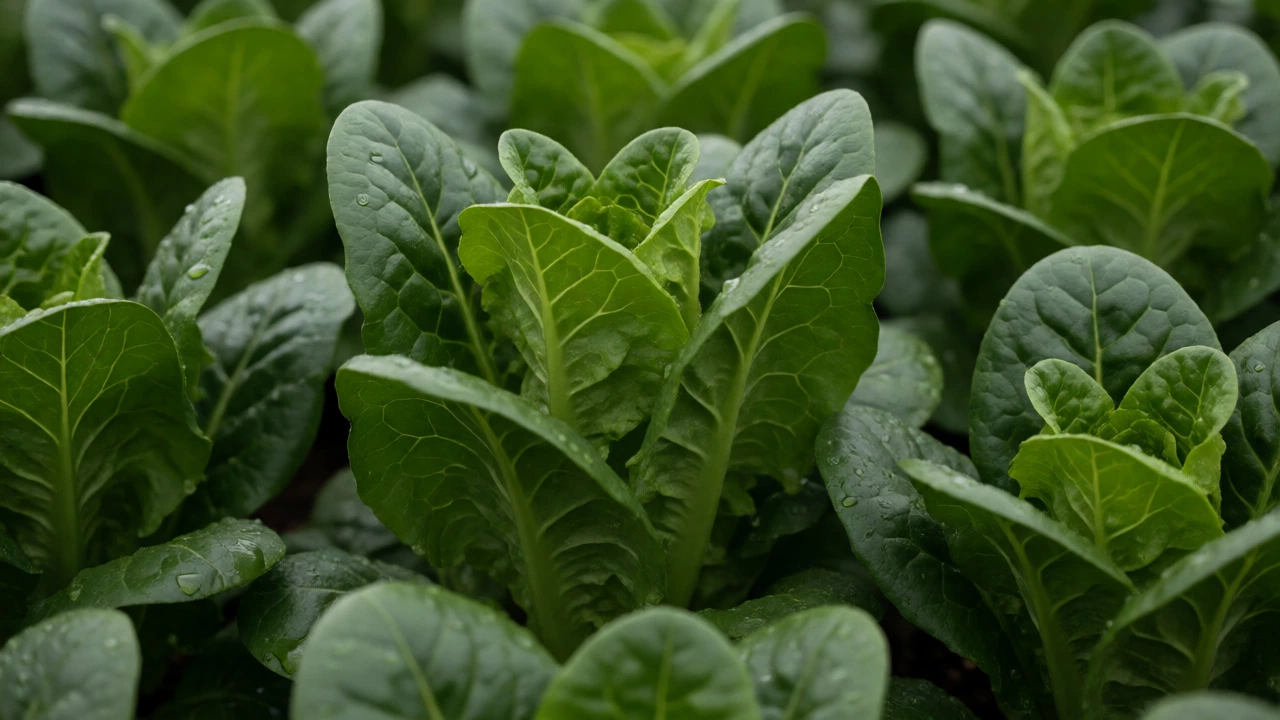
Light levels are another factor. From November to January, daylight hours in Brighton are scarce. Pale lettuces stretch and weaken in low light. Darker green varieties like 'Winter Density' or 'Rex' photosynthesize more efficiently in dim conditions. If you notice your plants becoming leggy (long stems with sparse leaves), consider adding a simple LED grow light strip over your benches for a few hours each evening.
Pest Control Without Chemicals
One of the biggest advantages of greenhouse lettuce is the exclusion of slugs and snails. However, you trade one set of pests for another. Aphids and whiteflies love the warm, sheltered environment. Once they establish, they multiply rapidly.
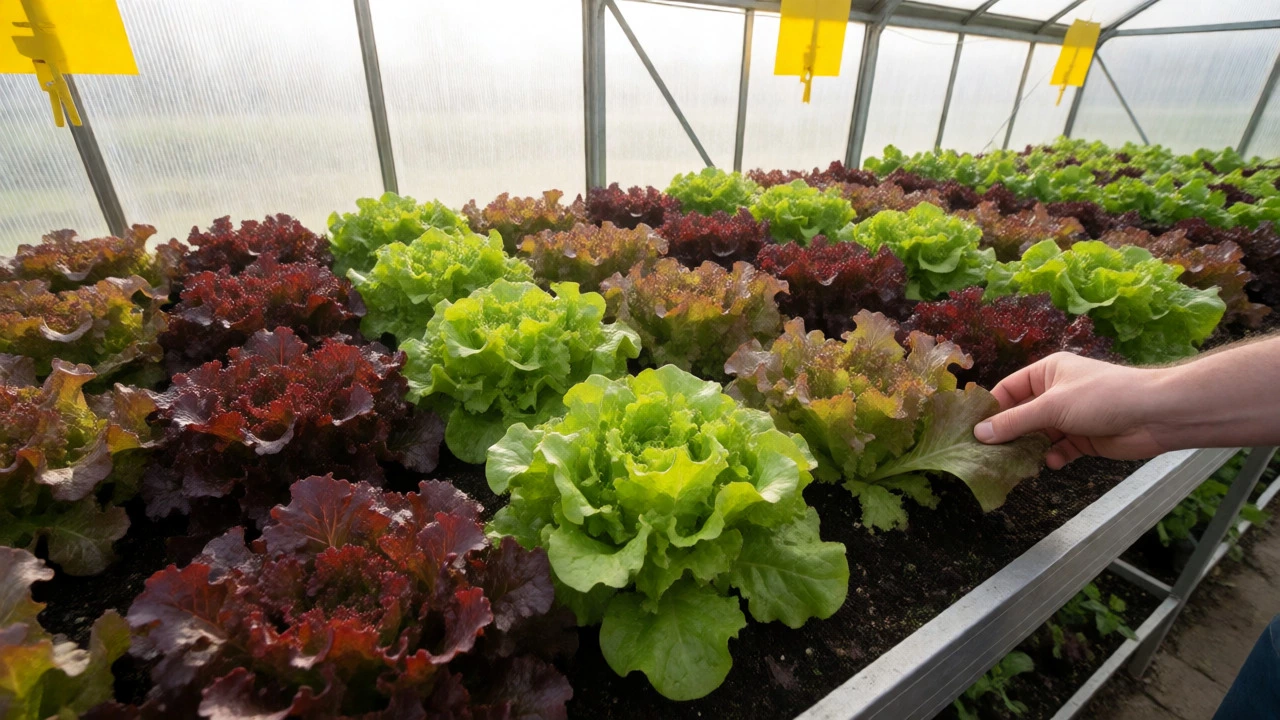
Prevention is easier than cure. Inspect new seedlings before bringing them inside. Use yellow sticky traps hung just above the canopy to monitor and reduce flying insect populations. For aphids, introduce natural predators like lacewings or ladybirds, which work exceptionally well in enclosed spaces. If you see colonies forming, blast them with a strong jet of water or apply a soap-based spray immediately. Avoid broad-spectrum insecticides, as they kill the beneficial insects that help keep your greenhouse balanced.
Harvesting Techniques for Maximum Yield
How you pick your lettuce determines how much you get. There are two main approaches: whole-head harvesting and cut-and-come-again.
For Cos and Iceberg types, wait until the head feels firm when squeezed gently. Cut the base with a sharp knife, leaving the roots in the soil. Sometimes, the stump will regrow a smaller second crop, though it won't be as large as the first.
For loose-leaf varieties like 'Rex' or 'Little Gem', practice selective harvesting. Pick the outer, larger leaves once they reach about 10cm in length. Leave the inner young leaves to continue growing. This method keeps the plant productive for weeks longer than cutting the whole head at once. It also ensures you never waste leaves; you only take what you need for that meal.
Common Pitfalls to Avoid
Even experienced growers stumble occasionally. Here are the three most common mistakes I see with greenhouse lettuce:
- Overwatering: Lettuce has shallow roots. Soggy soil suffocates them and invites root rot. Water deeply but infrequently, allowing the top inch of soil to dry out between sessions. Check moisture by sticking your finger into the compost, not just looking at the surface.
- Planting Too Close: Enthusiasm leads to overcrowding. Plants need airflow between leaves to dry out after watering. If leaves touch constantly, they stay wet, creating a breeding ground for fungi. Thin seedlings aggressively; don't be afraid to pull out healthy-looking plants to give the rest room.
- Neglecting Succession Sowing: One big sowing gives you one big harvest followed by a gap. Sow small batches every 2-3 weeks. This smooths out your supply and protects you if one batch fails due to disease or weather fluctuations.
Frequently Asked Questions
Can I grow iceberg lettuce in a greenhouse?
Yes, but it requires careful temperature management. Iceberg needs consistent cool temperatures to form tight heads. If the greenhouse gets too warm, it may fail to head up or become loose and bitter. It is generally less forgiving than Cos or Butterhead types in variable climates.
Do I need to heat my greenhouse for lettuce?
Rarely. Most lettuce varieties tolerate frost and prefer cool temperatures. Active heating is usually unnecessary unless temperatures drop below freezing for extended periods. In fact, excessive heat causes bolting. Focus on insulation and ventilation rather than heating.
How often should I sow lettuce seeds?
For a continuous supply, sow small batches every 2 to 3 weeks. This ensures that as one batch finishes, the next is ready to harvest. During peak summer, you might sow weekly to beat the heat-induced bolting.
What is the best container for greenhouse lettuce?
Shallow trays or pots (15-20cm deep) work best because lettuce has shallow root systems. Using modular trays allows you to start seeds indoors and transplant sturdy seedlings into beds or larger pots, reducing shock and improving establishment rates.
Why is my greenhouse lettuce bitter?
Bitterness is usually caused by heat stress or drought. When temperatures rise above 20°C, lettuce produces latex compounds that taste bitter. Ensure adequate watering and shade the plants with a mesh screen if the greenhouse gets hot in late spring or summer.