Lawn Scalping Recovery Estimator
Accidentally cut your grass too low? Use this tool to estimate recovery time and get a personalized action plan.
Recovery Assessment
Immediate Action Plan
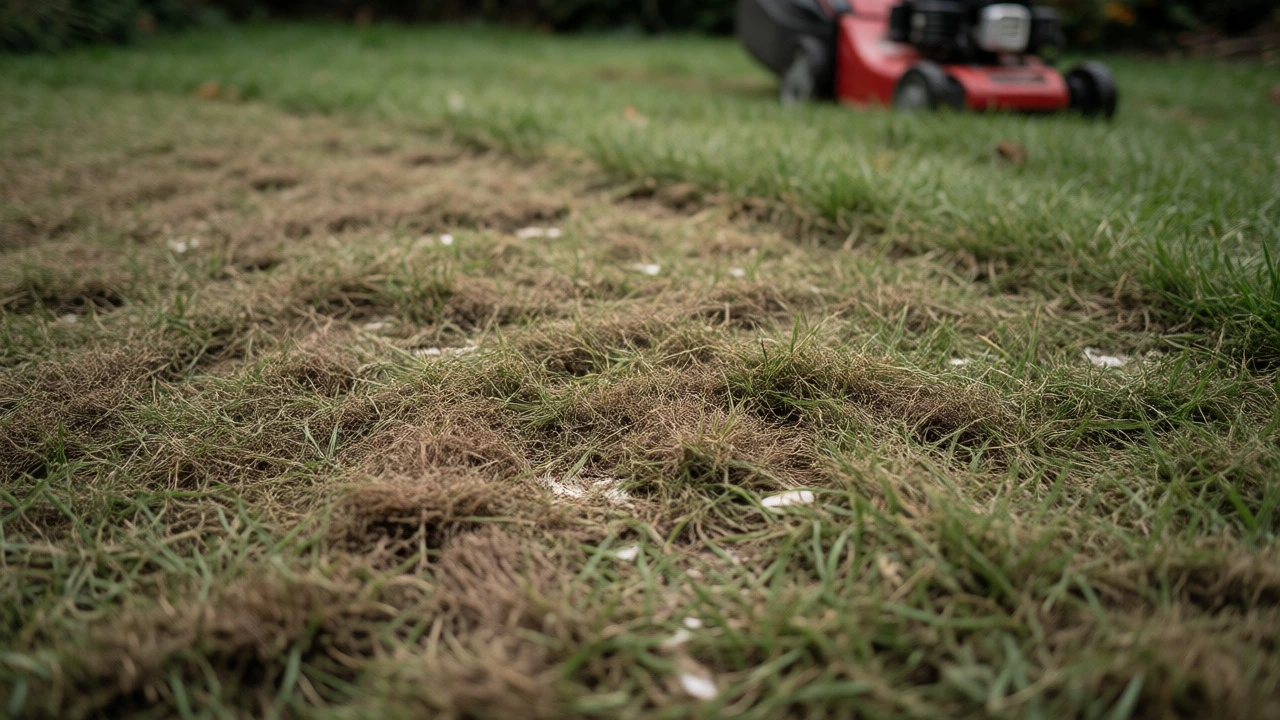
You know that sinking feeling. You’re pushing the mower, maybe you got distracted by a phone call or a stray ball, and suddenly your pristine green carpet looks like a patchy, brown wasteland. Did you just kill your lawn? The short answer is: probably not. But the long answer depends entirely on what kind of grass you have, how deep you cut, and what you do in the next few weeks.
Why Cutting Too Short Hurts Your Lawn
Grass isn’t just a surface layer; it’s a living system. When you cut too low, you aren’t just trimming leaves-you’re stressing the plant’s entire energy budget. Think of grass blades as solar panels. They capture sunlight and convert it into energy stored in the roots. If you remove more than one-third of the blade at once, you starve the root system. This is known as the "one-third rule," and violating it causes shock.
In the UK, where our lawns are often a mix of Ryegrass and Meadow Fescue, this stress manifests differently than in arid climates. Our damp, cool weather helps recovery but also invites disease. Scalped areas become vulnerable to fungal infections like Red Thread because the exposed stems stay wet longer. Plus, bare soil patches are an open invitation for weeds like moss or clover to move in while your grass tries to heal.
The Critical Factor: Grass Type Matters
Not all grass recovers from scalping equally. Your ability to fix the damage depends heavily on whether you have cool-season or warm-season grasses. In Brighton and much of the UK, we predominantly grow cool-season varieties. These are tough, but they have specific limits.
| Grass Type | Common in UK? | Recovery Method | Timeframe |
|---|---|---|---|
| Perennial Ryegrass | Yes (Very Common) | Via tillers (side shoots) | 2-4 Weeks |
| Kentucky Bluegrass | Moderate | Via rhizomes (underground runners) | 3-6 Weeks |
| Fescue | Yes (Shade tolerant) | Clumping growth (slow spread) | 4-8 Weeks |
| Bermuda Grass | No (Too cold) | Aggressive runners | 1-2 Weeks |
If you have a standard UK lawn mix, you’re likely dealing with Ryegrass or Fescue. Ryegrass is fast-it sends out side shoots called tillers to fill gaps. Fescue is slower because it grows in clumps rather than spreading sideways. If you’ve scalped a Fescue-heavy area, patience is key. You might need to overseed those spots if the crowns were damaged beyond repair.
Immediate Steps to Rescue a Scalped Lawn
Don’t panic-mow again. The worst thing you can do right now is take another pass with the mower. Here’s your action plan for the next 72 hours:
- Stop Mowing: Let the grass rest. Give it at least two weeks before touching it with blades again. This allows the remaining leaf tissue to rebuild energy reserves.
- Water Wisely: If the soil is dry, water deeply but infrequently. Aim for about 25mm (1 inch) of water per week. In October, rain usually handles this, so only irrigate if you’ve had a prolonged dry spell. Overwatering scalped turf leads to rot.
- Aerate the Soil: Compacted soil makes recovery harder. Use a garden fork or a spike aerator to poke holes in the affected areas. This improves oxygen flow to the stressed roots.
- Skip the Fertilizer (For Now): Don’t throw high-nitrogen fertilizer on a shocked lawn. It will push top growth before the roots are ready, causing more stress. Wait until you see new green shoots appearing.
When to Overseed vs. Wait
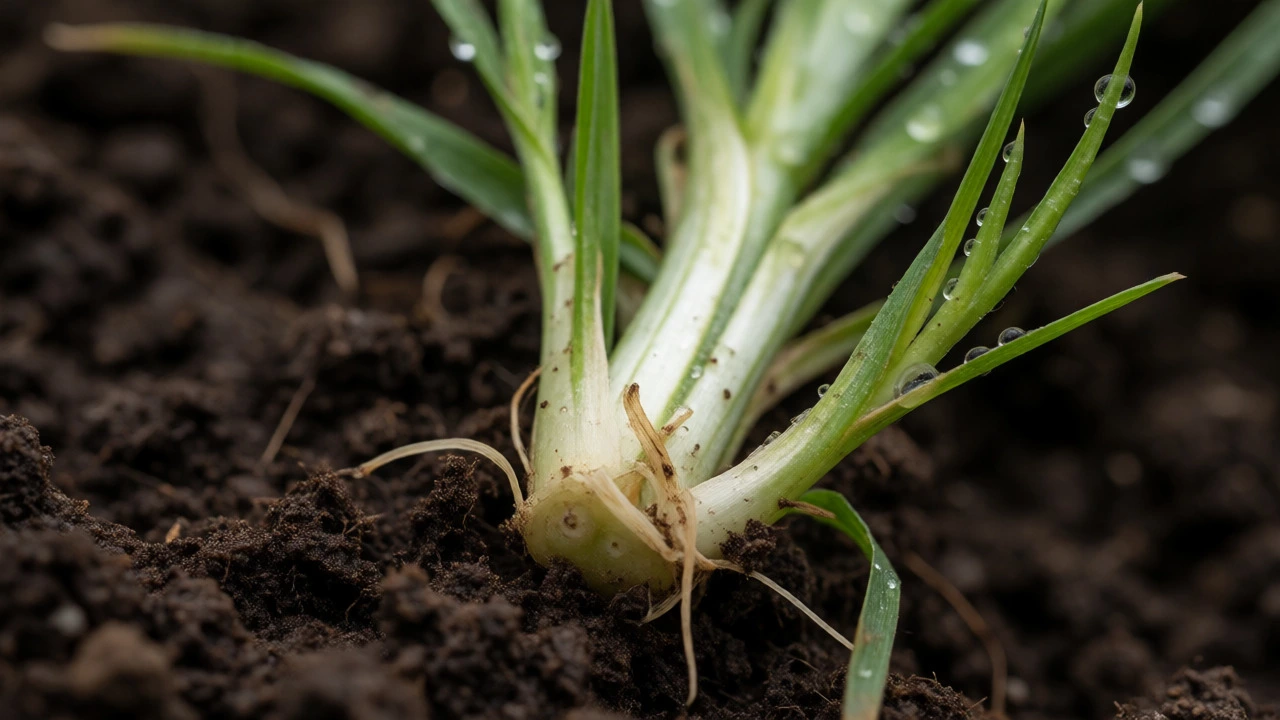
How do you know if the grass is dead or just sleeping? Look closely at the base of the plant. If the crown (the white part where the leaves meet the roots) is still firm and light-colored, it’s alive. If it’s mushy, black, or completely gone, that plant is dead.
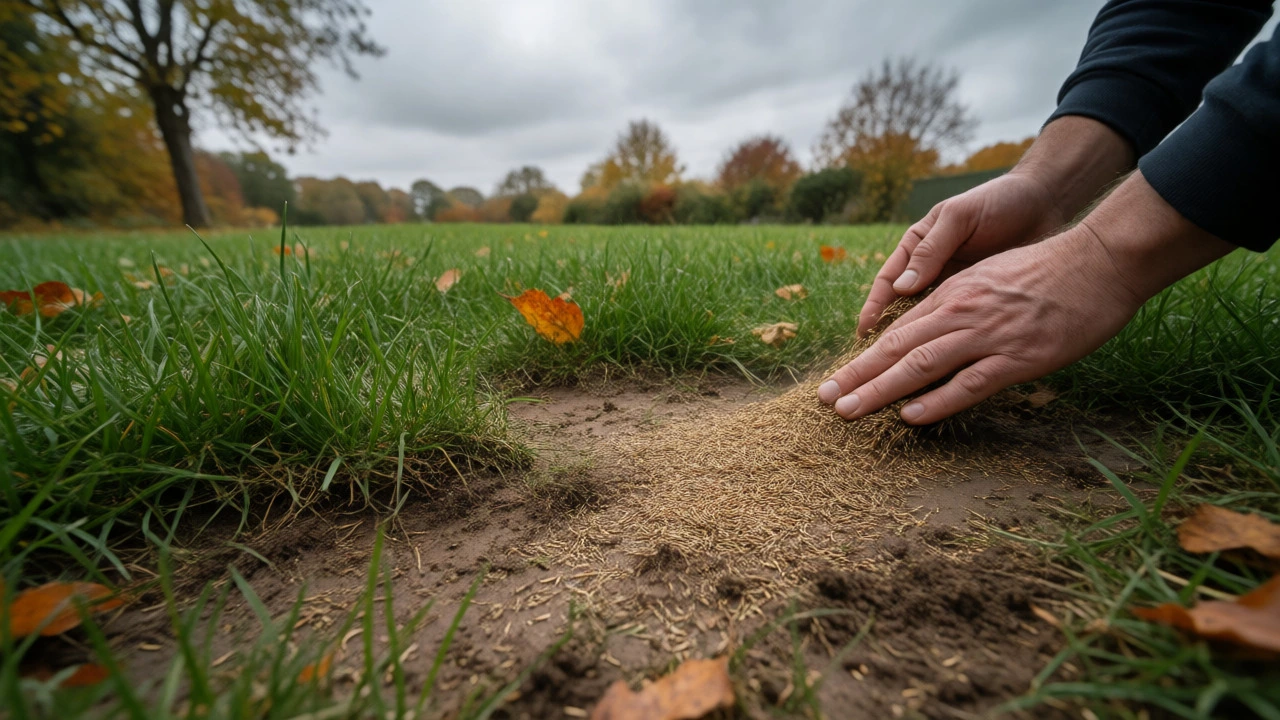
For small patches (less than the size of a dinner plate), waiting usually works. Nature is efficient. However, if you have large bald spots, you’ll need to intervene. Since it’s late October in the UK, you’re actually in a prime window for overseeding. The soil is still warm enough for germination, but the summer weeds are dormant.
- Preparation: Rake the bare areas to loosen the top half-inch of soil.
- Seed Choice: Match your existing grass type. If you’re unsure, a general UK shade/sun mix containing Ryegrass and Fescue is a safe bet.
- Application: Spread seed evenly, then cover lightly with compost or thin soil. Do not bury it deep; grass seed needs light to germinate.
- Protection: Keep the area moist. If birds are a problem, cover with netting or straw.
Adjusting Your Mower Height for Future Safety
The best way to prevent scalp trauma is to raise your deck. Most homeowners make the mistake of thinking shorter grass means less mowing. That’s false logic. Taller grass shades the soil, retains moisture, and suppresses weeds naturally. For UK lawns, aim for a cutting height between 40mm and 50mm during the growing season.
Here is a simple rule of thumb for autumn mowing, which is crucial as we head into winter:
| Season | Ideal Height | Reason |
|---|---|---|
| Spring/Summer | 40-50mm | Balances density with airflow |
| Late Autumn | 50-60mm | Protects crowns from frost |
| Winter | Do Not Mow | Prevents soil compaction and damage |
Notice that we actually raise the height in late autumn. Why? Because taller grass insulates the crown against freezing temperatures. If you cut it short now, you risk winter kill. So, if you accidentally scalped your lawn earlier this year, raising the height now is part of the healing process.
Troubleshooting Persistent Problems
If your lawn hasn’t recovered after four weeks, something else might be wrong. Scalping often exposes underlying issues that were masked by thick grass.
Pest Damage: Check for leatherjackets (crane fly larvae). These gray, legless worms eat grass roots from below. If you pull up a handful of grass and it comes away easily with no roots, pests are likely the culprit, not just the mower.
Soil pH Imbalance: Grass struggles in overly acidic or alkaline soil. If recovery is slow across the whole lawn, test your soil. UK soils vary wildly. If your pH is below 5.5, apply lime. If it’s above 7.5, add sulfur or organic matter to balance it.
Thatch Buildup: Thick layers of dead grass (thatch) prevent water and nutrients from reaching the roots. Scalping removes the green top but leaves the thatch behind. Dethatch with a rake or a mechanical scarifier once the grass has recovered slightly.
Final Thoughts on Lawn Resilience
Your lawn is tougher than you think. I’ve seen lawns look like battlefields after a careless mowing session, only to return to lush green within a month. The key is restraint. Don’t try to force growth with heavy feeding. Don’t walk on wet, scalped areas to avoid compaction. And most importantly, learn from the height setting on your mower.
If you’re reading this in October, take heart. The mild UK autumn is perfect for recovery. By spring, no one will know you ever made a mistake-provided you follow these steps and let nature do the heavy lifting.
How long does it take for grass to recover from being cut too short?
It typically takes 2 to 4 weeks for cool-season grasses like Ryegrass to show significant regrowth. Warm-season grasses may recover faster, but in the UK climate, expect visible improvement within a month if conditions are favorable. Fescue varieties are slower and may take up to 8 weeks to fully close gaps.
Should I fertilize my lawn after scalping?
No, wait until new green growth appears. Applying fertilizer immediately stresses the already weakened roots. Once you see fresh shoots, apply a balanced, slow-release feed to support recovery without burning the tender new leaves.
What is the lowest I should cut my grass?
Never cut below 40mm (1.5 inches) for typical UK lawns. Cutting lower risks damaging the crown and exposing soil to weeds and erosion. During hot, dry spells or late autumn, keep it higher at 50-60mm for protection.
Will my lawn die if I cut it too short?
Rarely. Established lawns rarely die from a single instance of scalping. They enter a state of shock and stop growing temporarily. Death usually occurs only if the crown is physically severed or if severe drought follows the cutting.
Is it better to overseed or wait for natural recovery?
Wait for natural recovery if the bare patches are smaller than a dinner plate. Overseed if the soil is exposed over larger areas or if the grass variety is slow-spreading like Fescue. Late autumn is an ideal time for overseeding in the UK due to warm soil and reduced weed competition.