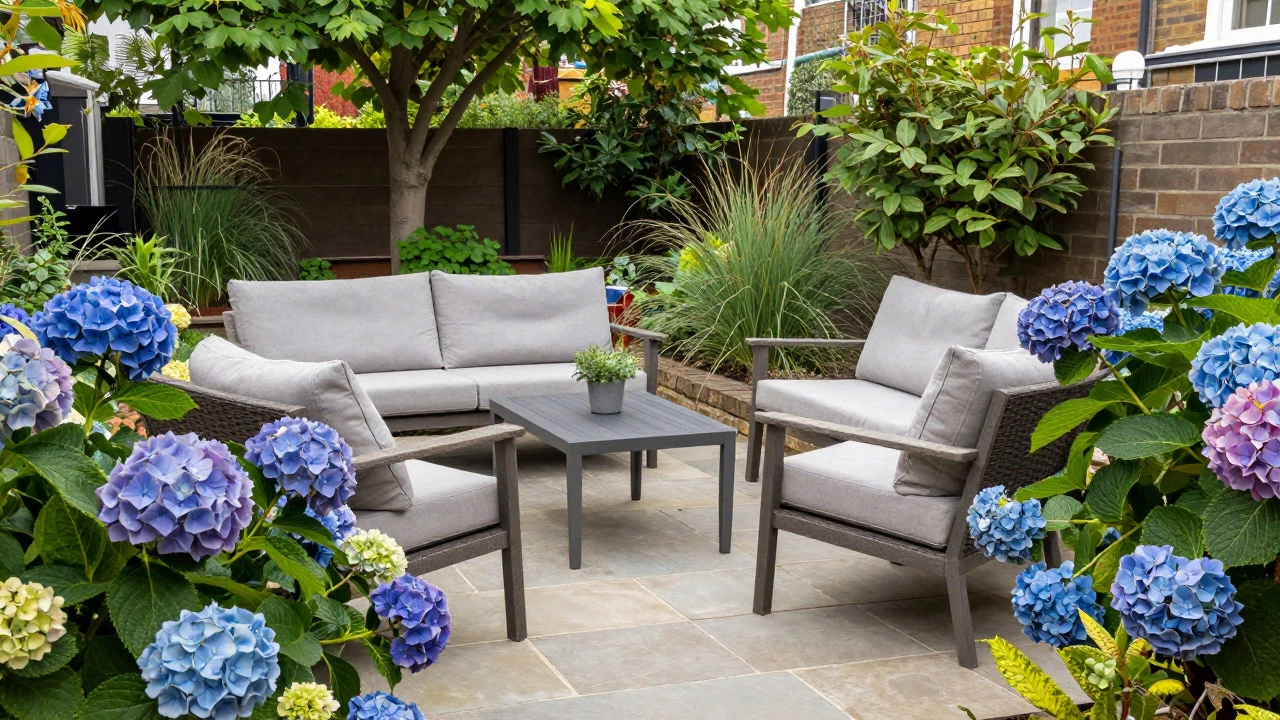
Garden Zone Planner & Visualizer
Step 1: Select Your Zones
Select the primary functions for your yard based on your lifestyle.
Step 2: Yard Dimensions
Visual Plan Preview
Have you ever stood in your backyard, staring at the grass, wishing it looked like those pictures in magazines? You’re not alone. Most of us want a yard that feels inviting, but without a clear map, we end up buying plants we don’t need or building features that clash with the house. Making a plan isn’t just about drawing lines on paper; it’s about understanding how you actually live outside.
In Brighton, where the sea air can be salty and the weather shifts from bright sun to heavy rain in minutes, a good plan saves you money and heartache. It ensures your garden design is a thoughtful arrangement of plants, structures, and spaces tailored to local climate and personal lifestyle works for you, not against you. This guide will walk you through creating a practical, beautiful yard plan from scratch.
Start With Your Lifestyle, Not Trends
Before you pick out hydrangeas or sketch a patio, ask yourself what you really want to do in your yard. Are you hosting BBQs every weekend? Do you have kids who need room to run? Or do you just want a quiet corner to read with a cup of tea? Your answer dictates the layout.
- Entertaining: You’ll need a large, flat area for furniture and a kitchen island or grill station.
- Relaxing: Focus on seating nooks, shade structures, and calming water features.
- Growing Food: Prioritize sunny spots for raised beds and easy access to water sources.
- Play Area: Ensure soft ground cover (like turf or rubber mulch) and clear sightlines from the house.
If you try to fit all these into a small urban plot, everything will feel cramped. Pick one primary function and let secondary uses support it. For example, if entertaining is key, place the dining table near the kitchen door, then add flower borders around the edges for beauty without blocking movement.
Measure and Map Your Space Accurately
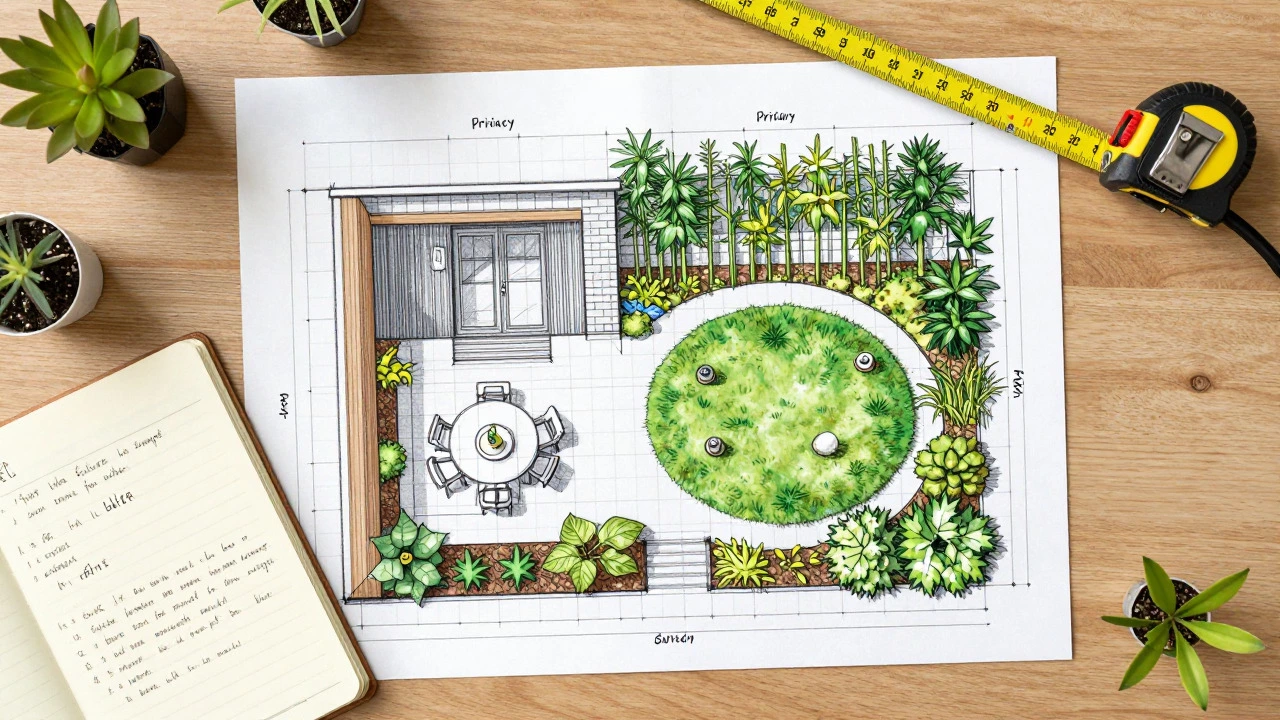
A guesswork plan leads to expensive mistakes. Grab a tape measure and a notebook. Measure the length and width of your yard, including any irregular shapes. Note the location of doors, windows, drains, and overhead wires. These fixed points determine where paths and structures can go.
Next, observe the light. Stand in different parts of your yard at morning, noon, and evening. Mark areas as full sun (6+ hours), partial shade (3-6 hours), or full shade (under 3 hours). In the UK, many gardens face north or east, which limits sun exposure. Knowing this helps you choose plants that thrive rather than struggle.
Don’t forget underground utilities. Call before you dig to locate gas, water, and electric lines. Hitting a pipe can cost thousands and delay your project by weeks. Once you have measurements and observations, draw a rough scale map. Use graph paper or a free digital tool. Keep it simple: rectangles for beds, circles for trees, and straight lines for paths.
Define Zones for Function and Flow
Think of your yard as a series of rooms. Each zone serves a purpose, and transitions between them should feel natural. Start with the "public" zone near the house-this is where you spend most time. Then move to "private" zones further back, offering seclusion.
| Zone Type | Key Features | Plant Suggestions |
|---|---|---|
| Living/Dining | Patio, fire pit, lighting | Herbs, ornamental grasses |
| Play/Activity | Soft surfacing, open space | Turf, low shrubs |
| Growing | Raised beds, compost bin | Vegetables, fruit bushes |
| Privacy/Screen | Hedges, trellises | Bamboo, privet, ivy |
Connect these zones with paths. Avoid sharp angles; curved paths slow people down and create a relaxed feel. Use materials that match your home’s style-brick for traditional homes, gravel for modern looks. Ensure paths are wide enough for two people to pass comfortably (at least 1.2 meters).
Choose Plants That Fit Your Climate
Plants are the soul of your yard, but they must survive your specific conditions. In Brighton, coastal winds and salt spray can damage sensitive foliage. Look for hardy varieties rated for USDA Zone 9 or equivalent UK hardiness ratings. Native plants often require less care and support local wildlife.
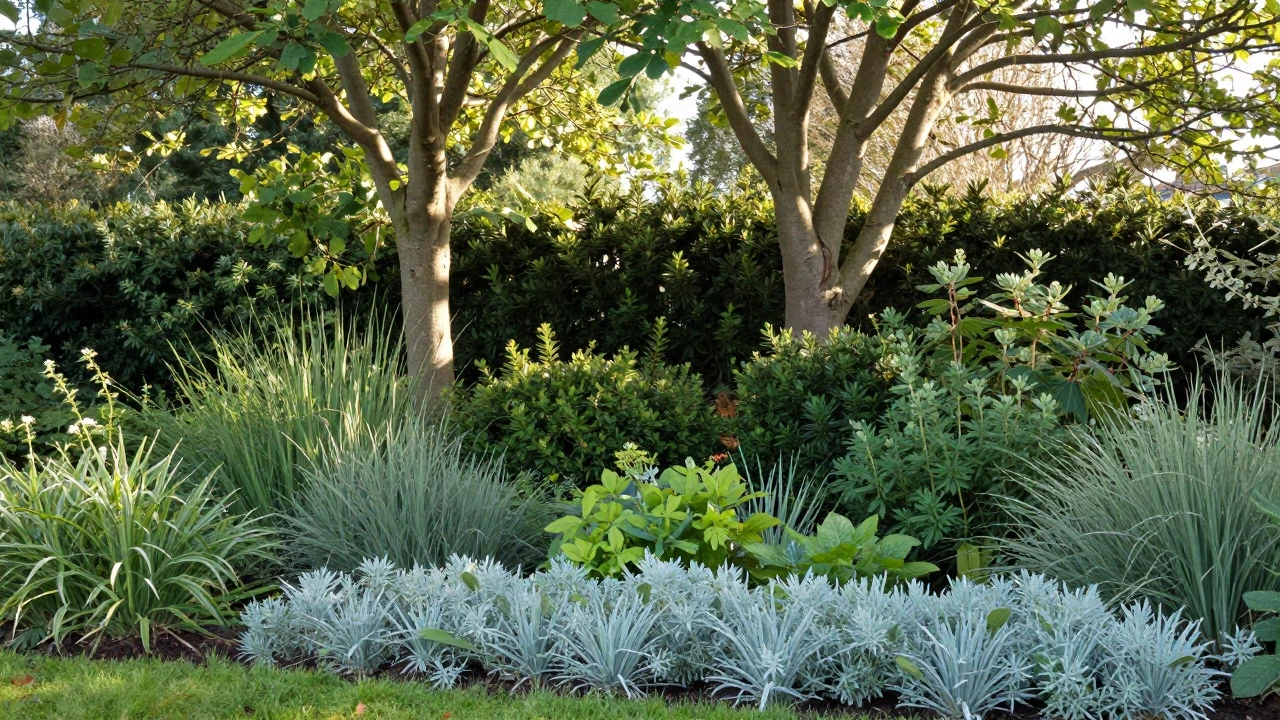
Consider height and spread. Tall trees provide shade but block light for lower plants. Place them strategically so they don’t cast shadows over vegetable patches. Layer your planting: tall specimens at the back, mid-height shrubs in the middle, and ground covers in front. This creates depth and visual interest year-round.
Don’t overlook maintenance. If you hate weeding, avoid dense plantings that trap moisture and encourage weeds. Opt for larger-spaced perennials or mulched beds. Check soil pH before planting; most vegetables prefer neutral soil (pH 6.0-7.0), while blueberries need acidic conditions (pH 4.5-5.5). Adjust with lime or sulfur as needed.
Incorporate Hardscaping for Structure
Hardscaping includes non-living elements like patios, walls, and fences. These features define spaces and add durability. A well-placed retaining wall can turn a sloping yard into usable terraces. Pergolas offer shade without blocking wind completely.
Balance hardscape with greenery. Too much concrete makes a yard feel sterile and hot. Integrate planters into walls or use permeable paving to allow rainwater absorption. In flood-prone areas, consider swales or rain gardens to manage runoff. Always check local planning permissions for structures over certain heights.
Review and Refine Your Plan
Once your draft is complete, step back and critique it. Walk through the imaginary space. Does the flow make sense? Are there awkward corners? Ask friends or neighbors for feedback-they might spot issues you missed. Adjust plant placements if sunlight patterns change seasonally. Remember, gardening is iterative. Your first plan won’t be perfect, and that’s okay. Start small, learn, and expand gradually.
How long does it take to make a yard plan?
A basic plan takes 1-2 weekends for measuring, sketching, and researching. Complex designs with custom structures may take several weeks. Take your time to ensure accuracy.
Do I need professional help to design my yard?
Not necessarily. Many homeowners successfully DIY their plans using online resources and guides. Hire a landscape architect only if your site has major challenges like steep slopes or drainage issues.
What is the best software for making a garden plan?
Free options include SketchUp Free and Garden Planner. Paid tools like Home Designer offer more detailed simulations. Paper and pencil work well for initial concepts.
How do I handle poor soil in my yard?
Test your soil first. Add organic matter like compost to improve structure and nutrients. For clay-heavy soils, incorporate gypsum. Raised beds are an excellent alternative for severe cases.
Can I change my yard plan later?
Absolutely. Gardens evolve. You can move plants, replace pavers, or add new features as your needs change. Just ensure future additions complement existing elements.