Raised Bed Cost & Soil Calculator
Bed Dimensions
Estimated Requirements
Cost Breakdown
Note: Costs are estimates based on average US prices ($3/bag soil, $2/sqft mulch, $5/linear ft lumber). Actual costs vary by region.
There is a persistent myth in the gardening world that simply building a wooden box guarantees a bumper crop. You see them everywhere now-neat rows of cedar or composite lumber filled with dark, rich-looking soil. It looks organized. It looks professional. But does it actually work better for your tomatoes, peppers, and lettuce than digging directly into the ground?
The short answer is yes, but with a major caveat: only if you manage the soil correctly. A raised bed is not a magic wand; it is a tool that changes how water, air, and nutrients interact with plant roots. When done right, raised beds offer superior control over growing conditions. When done wrong, they dry out too fast, drain away expensive fertilizer, and become more work than they are worth.
Why Soil Quality Changes Everything
The biggest advantage of a raised bed isn't the height; it's the ability to start with perfect soil. In traditional in-ground gardening, you are stuck with what nature gave you. Maybe you have heavy clay that turns into concrete when dry and mud when wet. Maybe you have sandy soil that lets water slip through before your plants can drink it. Or maybe your yard has compacted earth from years of foot traffic and lawn mowers.
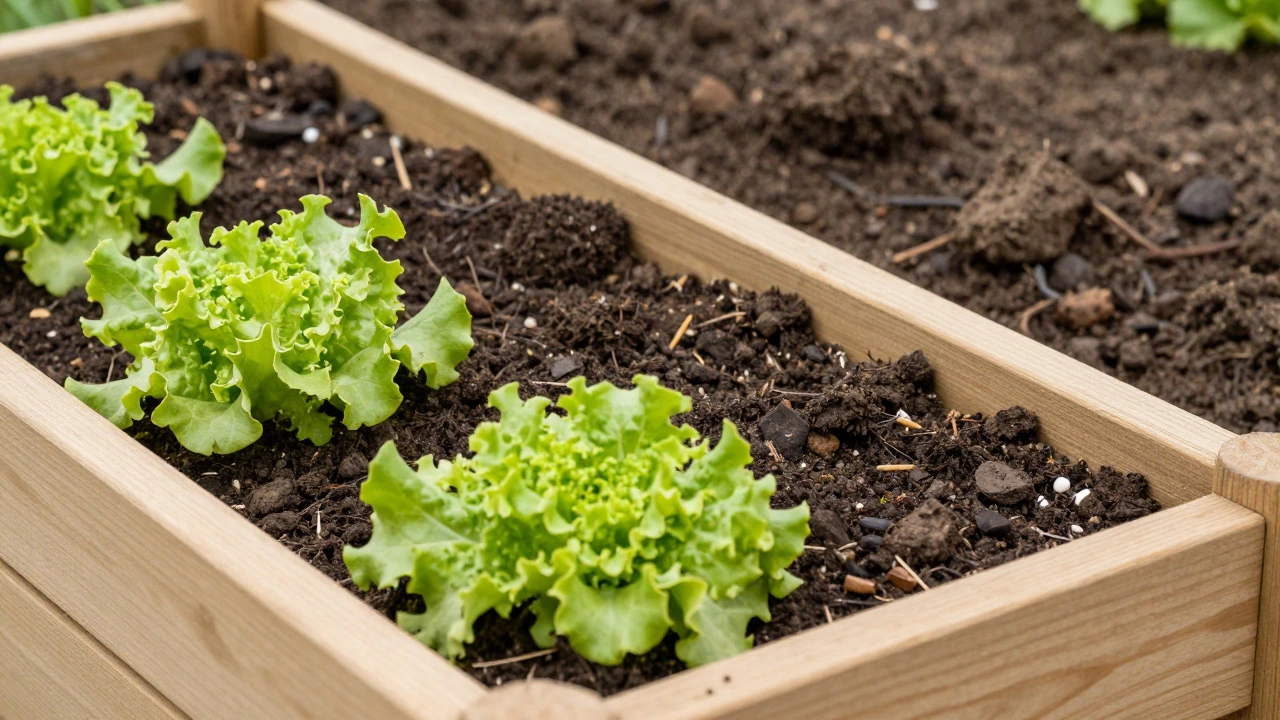
In a raised bed, you build the soil profile from scratch. You mix topsoil, compost, and organic matter like peat moss or coconut coir to create a loose, aerated environment. This structure allows roots to penetrate deeply without hitting hardpan. For root vegetables like carrots and radishes, this means straighter, cleaner harvests. For leafy greens, it means faster growth because the roots aren't fighting for space.
Think about it this way: planting in poor native soil is like trying to run in quicksand. Planting in a well-built raised bed is like running on a prepared track. The effort goes into the growth, not the survival.
Drainage and Water Management
Water management is where raised beds shine brightest, especially if you live in an area with frequent rain. In-ground gardens often suffer from waterlogging. When water sits around the roots, oxygen is displaced, leading to root rot-a silent killer of many vegetable crops. Raised beds naturally drain excess water away from the root zone.
However, this double-edged sword cuts both ways. Because the soil drains so well, raised beds also dry out much faster than in-ground plots. In the heat of July or August, you might need to water your raised beds every day, whereas an in-ground garden could go two or three days between soakings. This requires a shift in mindset. You cannot treat a raised bed like a lawn. You must monitor moisture levels regularly.
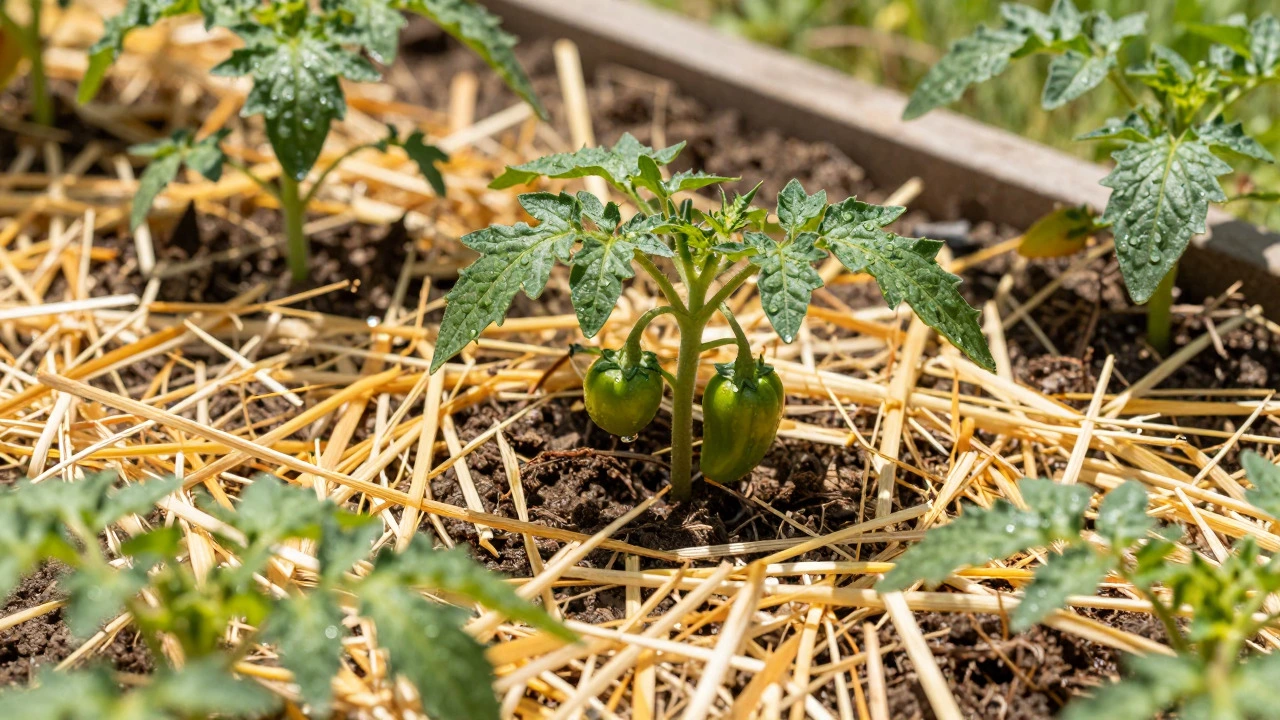
To combat rapid drying, mulching is non-negotiable. A layer of straw, wood chips, or shredded leaves on top of the soil retains moisture and keeps the roots cool. Without mulch, the surface of a raised bed can bake into a crust, blocking water from reaching the deeper layers where the roots are feeding.
Temperature Control and Season Extension
One factor many new gardeners overlook is temperature. Soil in a raised bed warms up significantly faster in the spring than in-ground soil. This is crucial for warm-season crops like beans, squash, and cucumbers. By starting these plants in a raised bed, you can get a head start on the season, potentially harvesting weeks earlier than neighbors who are waiting for their cold, heavy clay soil to thaw.
This warming effect works in reverse during cooler months, too. While raised beds lose heat faster at night, the mass of the soil combined with proper insulation (like covering the bed with row covers) can protect tender plants from light frosts. Many gardeners use this principle to extend the fall harvest of kale and spinach well into November.
Ergonomics and Accessibility
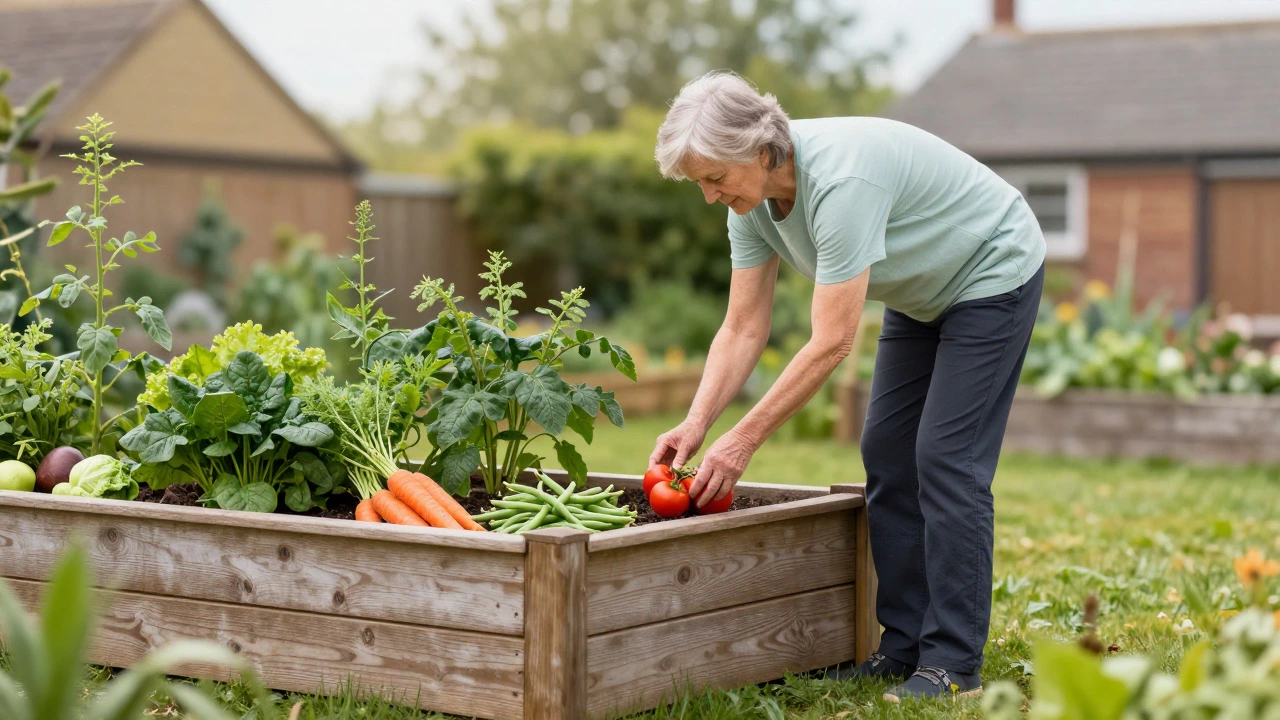
Gardening should be enjoyable, not a back-breaking ordeal. One of the most practical benefits of raised beds is ergonomics. If you build your beds at knee height or waist height, you eliminate the need to bend over, squatting, or kneeling for hours. This makes gardening accessible to people with mobility issues, older adults, or anyone who wants to spend less time recovering from sore joints.
Even standard-height raised beds (about 12 inches tall) reduce the strain on your lower back compared to digging deep trenches in the ground. You can stand upright while weeding, harvesting, and pruning. This small change in posture can make the difference between gardening being a chore you dread and a hobby you look forward to.
The Cost and Maintenance Reality
Let’s talk about the downside. Raised beds are not free. You need materials for the frame-cedar, redwood, or composite lumber-and enough high-quality soil to fill them. Filling a 4x8 foot bed that is 12 inches deep costs significantly more than buying bags of compost for an in-ground patch. And remember, once the soil settles, you will need to top it off annually with fresh compost to maintain fertility.
Maintenance is also higher. Because the soil is loose and nutrient-rich, weeds love it just as much as your vegetables do. However, since you aren't tilling the entire bed, you can pull weeds by hand more easily. The key is consistency. Let weeds take hold in a raised bed, and they will compete aggressively for those precious nutrients.
| Feature | Raised Beds | In-Ground Gardens |
|---|---|---|
| Initial Cost | High (materials + soil) | Low (tools only) |
| Soil Control | Total control | Limited by native soil |
| Water Needs | Frequent (dries faster) | Less frequent (retains moisture) |
| Drainage | Excellent | Variable (depends on location) |
| Season Start | Earlier (warms faster) | Later (cold soil) |
| Physical Strain | Lower (less bending) | Higher (digging/bending) |
Which Vegetables Benefit Most?
Not all vegetables benefit equally from raised beds. Some thrive, while others are perfectly happy in the ground. Here is a breakdown of which crops gain the most from the controlled environment:
- Root Vegetables: Carrots, parsnips, and beets grow straighter and larger in loose, stone-free soil. They don’t have to fight through compacted clay.
- Bush Beans and Peas: These shallow-rooted crops appreciate the quick-warming soil and easy access for harvesting.
- Lettuce and Greens: Spinach, arugula, and lettuce prefer cooler, moist soil. Raised beds allow for precise watering and shading strategies to prevent bolting.
- Tomatoes and Peppers: These heavy feeders need consistent moisture and nutrients. The contained soil volume in a raised bed prevents nutrients from leaching away into the surrounding ground.
Crops like corn, pumpkins, and winter squash require massive amounts of space and deep root systems. They can grow in raised beds, but you need very large, wide beds to accommodate their sprawling vines. For most home gardeners, it’s more efficient to plant these in-ground or in dedicated large-scale plots.
Building Your First Bed: Key Considerations
If you decide to try raised beds, size matters. The standard recommendation is 4 feet wide. Why? Because this allows you to reach the center of the bed from either side without stepping onto the soil. Stepping on garden soil compacts it, undoing all the good work you did creating a loose structure. Keep beds no wider than 4 feet unless you plan to walk down the middle, which defeats the purpose of preventing compaction.
Depth is another consideration. Twelve inches is sufficient for most leafy greens and herbs. For deeper-rooted crops like tomatoes and eggplants, aim for 18 to 24 inches of soil depth. This provides enough room for root development and water retention.
Choose your materials wisely. Cedar and redwood are naturally resistant to rot and insects, lasting 10-15 years. Untreated pine is cheaper but may last only 3-5 years. Avoid treated lumber labeled with older chemicals like CCA (chromated copper arsenate), though modern ACQ-treated wood is generally considered safe for vegetable gardens if lined with heavy-duty plastic to prevent chemical leaching.
Do I need to line the bottom of my raised bed?
No, you generally do not need to line the bottom. Leaving the bottom open allows excess water to drain freely and lets worms and beneficial organisms move between the native soil and your bed. If you are worried about weeds growing up from below, you can place a few layers of cardboard or newspaper at the bottom, but avoid plastic liners which can trap water and cause root rot.
How often do I need to refill the soil in a raised bed?
You don't need to replace all the soil every year. Instead, add 1-2 inches of fresh compost or topsoil each spring. Over time, the soil level will settle slightly due to decomposition and settling. Topping it off maintains the nutrient levels and volume without wasting money on completely new soil mixes.
Are raised beds better for organic gardening?
Yes, they make organic practices easier. Since you control the soil input, you can ensure it is free from synthetic pesticides and herbicides that might linger in neighboring lawns. It also makes companion planting and crop rotation more manageable within a confined space, helping to naturally deter pests and balance nutrients.
Can I use grass sod as a base for my raised bed?
Yes, this is a common technique called "lasagna gardening." Lay down cardboard to smother the grass, then add layers of compost, manure, and soil. The grass will decompose over time, adding organic matter to your bed. Just make sure the cardboard is plain (no glossy ink) and overlap the edges to prevent grass from poking through.
What is the best soil mix for raised beds?
A popular and effective mix is the "Mel's Mix" recipe: one-third compost, one-third peat moss (or coconut coir), and one-third vermiculite. This creates a lightweight, airy, and nutrient-dense medium that holds moisture well without becoming compacted. Adjust ratios based on local climate; drier regions may need more water-retentive components like coir.