Soil Compaction Fix Advisor
Is your garden feeling like concrete? Or are you trying to build a stable path? Use this advisor to find the fastest, most cost-effective solution for your specific situation.
Recommended Method:
Quick Steps:
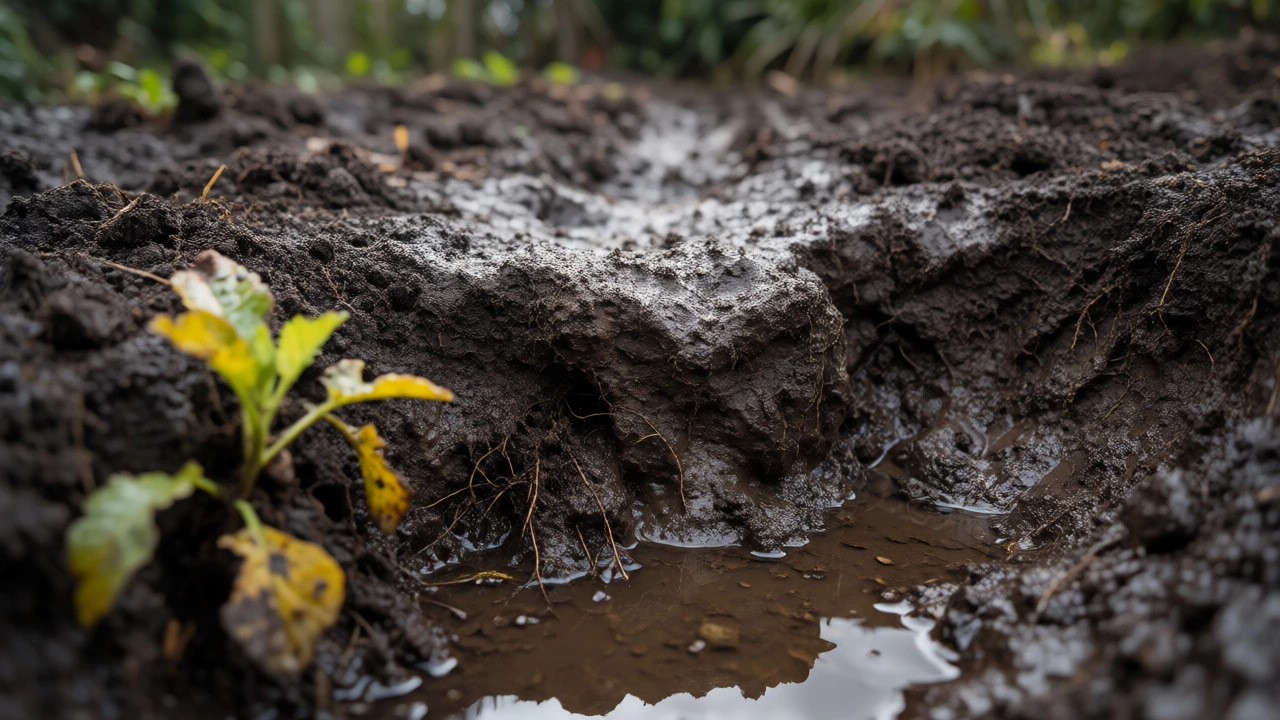
You step onto your garden patch and it feels like concrete. The spade bounces off the ground, water pools in weird little puddles after a rain shower, and your plants look like they’re holding their breath. Sound familiar? That’s soil compaction, and it’s one of the fastest ways to kill the vibe in your garden. But here’s the good news: you don’t need heavy machinery or a weekend-long project to fix it. You just need the right tools and a bit of know-how.
Compacted soil suffocates plant roots. It stops air and water from moving through the earth, which means your fertilizers sit on top instead of soaking in, and your drainage turns into a swamp. If you’re wondering how to compact my soil quickly-whether you’re trying to firm up a path or loosen up a tired bed-we’ve got practical, fast-acting solutions that actually work.
Why Your Soil Is Compacted (And Why It Matters)
Before we jump into fixes, let’s talk about what’s happening under your feet. Soil isn’t just dirt; it’s a living structure made of sand, silt, clay, organic matter, and tiny pockets of air. When those air pockets get crushed by foot traffic, heavy equipment, or even wet weather, the soil collapses into a dense mass. This is compaction. It reduces pore space, which is critical for root respiration and microbial activity.
In the UK, especially in areas like Brighton where clay soils are common, this happens fast. One bad week of walking on wet grass can leave lasting damage. If you ignore it, you’ll see stunted growth, yellowing leaves, and poor yields. Fixing it early saves you money on fertilizers and replanting later.
The Fastest Way to Loosen Compacted Soil
If your goal is to loosen compacted soil quickly, forget the rotavator for a second. It’s loud, expensive, and often makes things worse by smearing the soil layers together. Instead, try these manual methods:
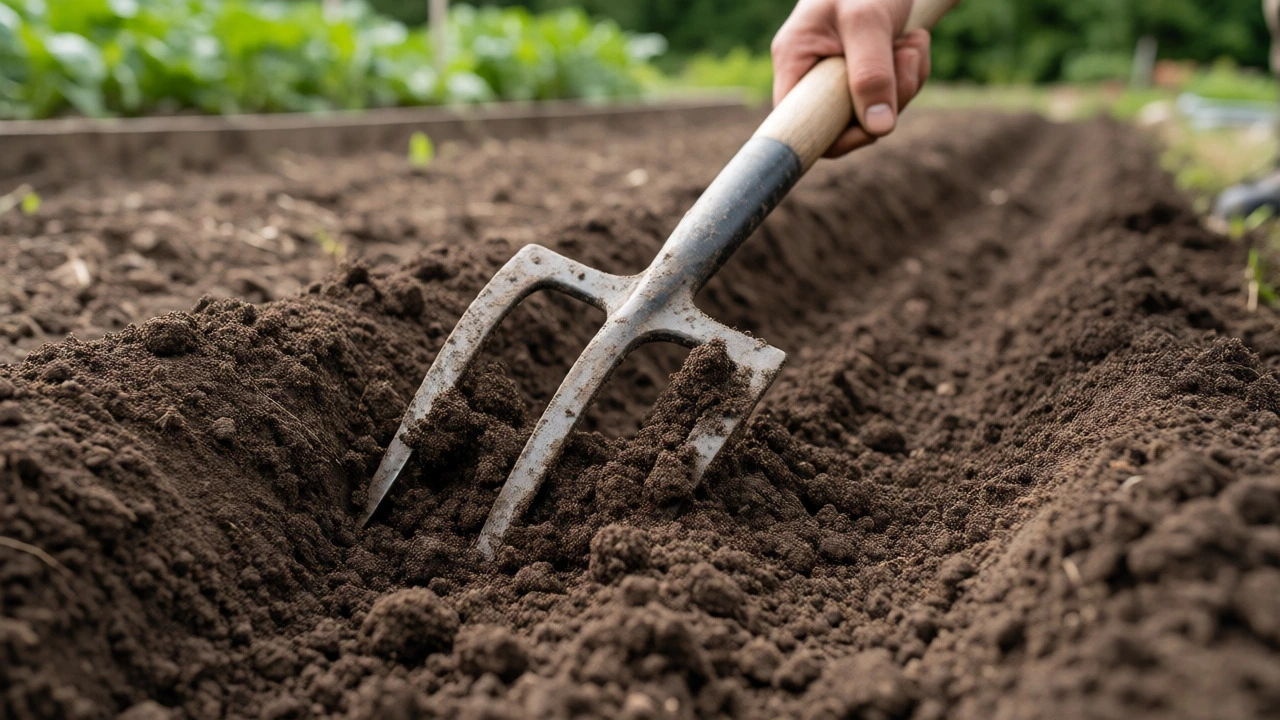
- Aerating with a garden fork: Push a digging fork deep into the ground and rock it back and forth. This creates vertical channels for air and water without turning the soil over. Do this when the soil is moist but not soggy.
- Hollow tine aerators: For lawns, these remove plugs of soil, relieving pressure instantly. Rent one if you don’t own it-it’s worth the £30-£50 daily hire fee.
- Top dressing with grit: After aerating, spread a thin layer of sharp sand or horticultural grit. It helps keep those new holes open and improves drainage.
This approach works within hours. You’ll notice water draining faster immediately. It’s low-tech, low-cost, and highly effective for small to medium gardens.
When You Actually Want to Compact Soil
Sometimes, though, you want the opposite effect. Maybe you’re laying a gravel path, building a shed base, or creating a stable area for outdoor furniture. In these cases, loose soil shifts and sinks. You need to compact it intentionally to create a solid foundation.
Here’s how to do it fast:
- Moisten the soil: Dry dust doesn’t compact well. Lightly water the area so it holds together slightly.
- Use a plate compactor: For larger areas, rent a vibrating plate compactor. It does in minutes what would take hours by hand.
- Hand tamp for small spots: Use a weighted tamper or even a heavy block of wood for tight corners.
- Add aggregate: Mixing in MOT Type 1 sub-base before compacting gives you a rock-solid surface that won’t shift over time.
| Method | Best For | Speed | Cost |
|---|---|---|---|
| Garden Fork | Loosening beds | Fast (hours) | Free (if owned) |
| Hollow Tine Aerator | Lawns | Medium (half-day) | Rental (£30-£50) |
| Plate Compactor | Paths/Bases | Very Fast | Rental (£60-£80/day) |
| Hand Tamper | Small patches | Slow | Low (£10-£20) |
Preventing Future Compaction
Once you’ve fixed the problem, don’t let it come back. Prevention is easier than cure. Here’s what I do in my own garden in Brighton:
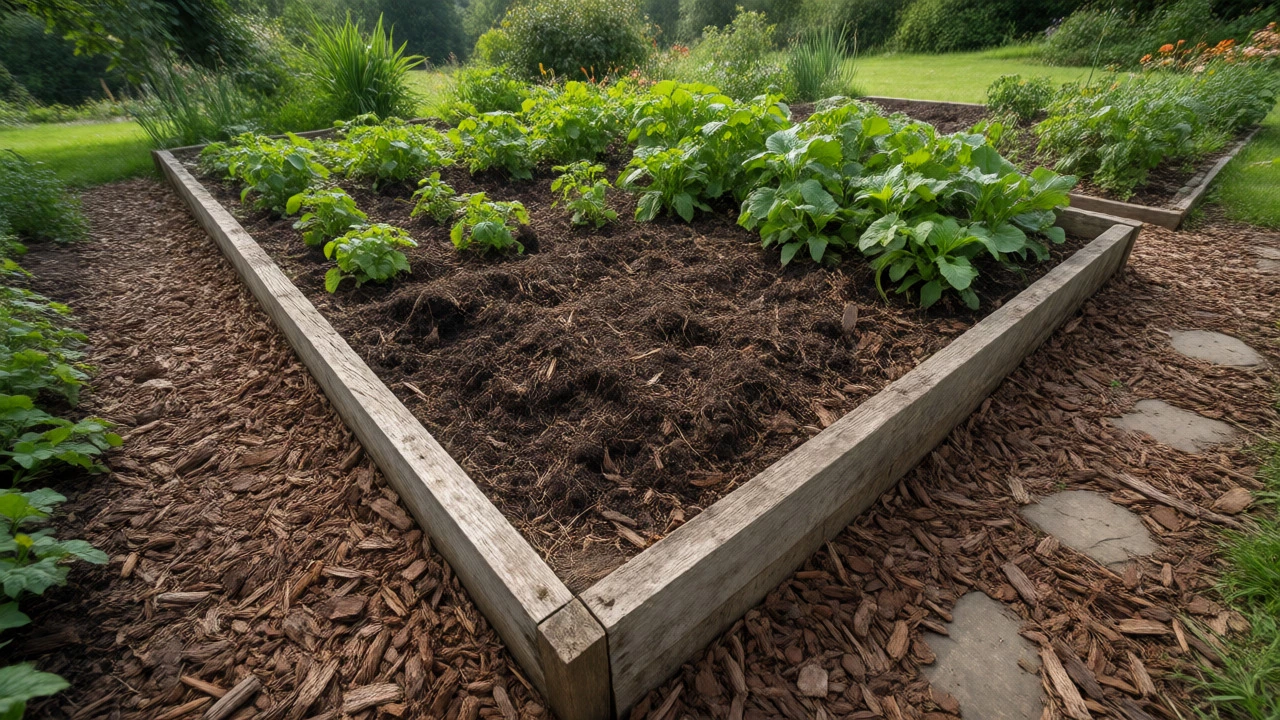
- Define paths: Only walk on designated paths. Use stepping stones or mulched trails to keep foot traffic off planting beds.
- Mulch heavily: A 5cm layer of bark chips or leaf mould protects the soil surface from rain impact and drying out.
- Avoid working wet soil: If you can make a mud ball with a handful of soil, it’s too wet to touch. Wait until it crumbles.
- Plant cover crops: In winter, sow rye or clover. Their roots break up compaction naturally while adding organic matter.
These habits save you from having to re-aerate every spring. They build healthy soil structure over time, making your garden more resilient to our unpredictable British weather.
Special Tips for Clay Soils
If you live in Sussex or similar regions, you likely have heavy clay. Clay particles stick together tightly, making compaction worse and recovery slower. Here’s how to handle it:
Add organic matter aggressively. Compost, well-rotted manure, or green waste compost act like sponge material, forcing clay particles apart. Mix it in during autumn so worms can pull it down over winter. Avoid adding sand unless you add a lot-too little sand just makes concrete-like clumps.
Also, consider raised beds. By lifting your planting area above the natural ground level, you bypass the worst of the compaction issues entirely. It’s a one-time investment that pays off year after year.
FAQs About Soil Compaction
Can I compact soil too much?
Yes. Over-compacting removes all air pockets, making it impossible for roots to penetrate or water to drain. Aim for firm stability, not hardness. If your shovel struggles to push in, you’ve gone too far.
Is it better to compact soil wet or dry?
For intentional compaction (like paths), slightly moist soil works best. Dry dust doesn’t bind, and saturated mud squishes unevenly. For loosening, work when soil is moist but not sticky.
How long does it take for compacted soil to recover naturally?
Without intervention, severe compaction can take years to heal as roots and microbes slowly rebuild structure. With active aeration and organic amendments, you can see significant improvement in one growing season.
Do earthworms help with soil compaction?
Absolutely. Earthworms create channels that improve aeration and drainage. Encourage them by adding compost and avoiding pesticides. Healthy worm populations are a sign of good soil structure.
What tool is best for small garden beds?
A broadfork or digging fork is ideal. It loosens deep soil without disturbing the surface ecosystem. It’s cheaper and less disruptive than motorized tillers.