Low Maintenance Flower Bed Planner
Select your garden conditions to get tailored plant recommendations and a maintenance estimate.
Select your conditions above to see tailored advice.
You’ve seen those Instagram-perfect gardens where the flowers look like they’re arranged by a professional florist every single morning. The reality? That’s usually three hours of deadheading, weeding, and watering before breakfast. If you live in the UK, specifically somewhere like Brighton where the wind can strip moisture right out of your soil and the rain comes in sideways, high-maintenance beds are a recipe for burnout. You want color, texture, and life, but you don’t want to be on your knees every Saturday with a trowel.
Creating a low maintenance flower bed isn’t about planting weeds and calling it a day. It’s about working with nature rather than against it. It involves choosing plants that thrive in your specific conditions, preparing the soil so it does the heavy lifting, and using ground cover to suppress competition. When done right, these beds require minimal intervention-perhaps just an annual cut-back and a bit of tidying. Here is how you build one that actually stays beautiful without becoming a second job.
The Right Plant Selection Is Everything
If you take only one piece of advice from this guide, let it be this: stop buying plants because they look good in a plastic pot at the garden center. Buy them because they fit your site. Most high-maintenance beds fail because the gardener forced a thirsty plant into dry soil or a sun-lover into deep shade. For a low-effort bed, you need resilience.
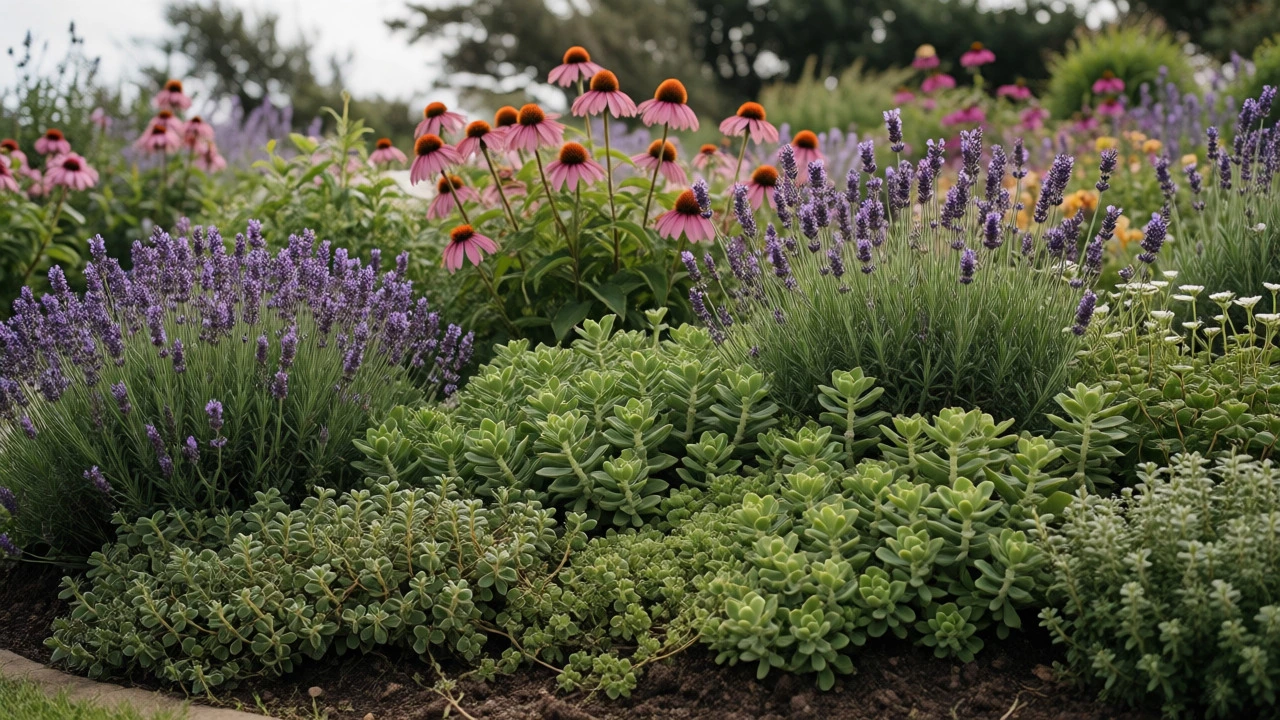
In the UK climate, perennials are your best friends. Unlike annuals, which die after one season and need replanting, perennials return year after year, often getting larger and more robust over time. They establish deep root systems that help them survive dry spells without constant watering. Think of plants like Lavender, Sedum, and Echinacea. These aren’t just pretty; they are tough. Lavender loves poor, well-drained soil and hates being watered too much. Sedum stores water in its leaves, making it nearly indestructible in hot spots. Echinacea attracts pollinators and stands up straight even when the autumn gales hit.
Avoid plants that demand constant deadheading unless you enjoy that task. Roses, for instance, are gorgeous but notorious divas. They need feeding, spraying for blackspot, and rigorous pruning. Instead, look for self-cleaning varieties or plants where the seed heads provide winter interest. Geraniums (the hardy kind, not the tender window box ones) are excellent here. Varieties like 'Rozanne' spread quickly, smothering weeds, and their foliage turns a stunning bronze in autumn. You cut them back once a year, and they do the rest.
Soil Preparation: Do It Once, Forget It Forever
Lazy gardening is actually smart gardening. The reason many people struggle with maintenance is that they skipped the prep work. If you dig over your bed properly before planting, you set the stage for years of ease. This is especially true if you are dealing with clay soil, which is common in parts of Sussex and the wider UK. Clay holds water but drains poorly, leading to root rot in winter and cracking in summer.
Start by removing all existing vegetation. Don’t just pull the tops; get the roots. For stubborn weeds like bindweed or couch grass, consider laying down cardboard or old newspapers for a few weeks to smother them before you start digging. Then, improve the structure. If your soil is heavy, mix in grit or sharp sand to improve drainage. If it’s sandy, add organic matter like compost or well-rotted manure to help it retain nutrients.
Here is a simple rule of thumb for soil health: healthy soil has structure. It should crumble in your hand, not stick together like dough or fall apart like dust. Adding mycorrhizal fungi powder when you plant can also help. These beneficial fungi attach to plant roots and extend their reach, helping plants access water and nutrients more efficiently. It’s a small upfront cost that pays off in reduced watering needs later.
| Feature | High Maintenance Approach | Low Maintenance Approach |
|---|---|---|
| Plant Type | Annuals & Tender Perennials | Hardy Perennials & Shrubs |
| Watering | Daily during summer | Weekly during establishment, then natural rainfall |
| Weeding | Frequent hand pulling required | Mulch suppression + dense planting |
| Cleanup | Deadheading weekly | One major cut-back in late winter/spring |
| Cost | Recurring annual purchase | Higher initial investment, lower long-term cost |
Mulching: Your Secret Weapon Against Weeds
If there is one thing that separates a tidy garden from a wild mess, it’s mulch. Mulch is simply a layer of material spread over the soil surface. It serves three critical functions: it retains moisture, regulates soil temperature, and most importantly, blocks sunlight from reaching weed seeds. Without light, weeds cannot germinate. It’s that simple physics.
For flower beds, avoid wood chips if you have acidic-loving plants like azaleas, as decomposing wood can slightly alter pH. However, for most UK garden flowers, bark chippings, compost, or leaf mold work wonders. Apply a layer about 5-7 cm thick. Be careful not to pile it directly against the stems of your plants, as this can cause rot. Leave a small gap around the crown of each plant.
Organic mulches break down over time, adding nutrients back into the soil. This means you might need to top it up every spring, but that’s a quick ten-minute job compared to an hour of weeding. Inorganic options like gravel or slate last longer but don’t feed the soil. Gravel looks sleek and modern, perfect for a Mediterranean-style bed, but it can heat up significantly in summer, which some plants love and others hate.

Designing for Density and Structure
Empty space is an invitation for weeds. If you leave gaps between your plants, nature will fill them with things you didn’t ask for. The solution is dense planting. This doesn’t mean cramming everything together chaotically, but rather spacing plants close enough that their mature foliage touches. This creates a living carpet that shades the soil.
Think in layers. Use tall plants at the back or center, medium-sized shrubs in the middle, and ground-covering plants at the front. This vertical stacking maximizes the use of space and reduces the visible soil area. Ground covers like Thyme or Ajuga are fantastic for edges. Thyme releases a lovely scent when walked on and tolerates foot traffic, while Ajuga provides evergreen foliage that keeps the bed looking green even in winter.
Also, consider the shape of your bed. Curved edges are harder to mow around and maintain than straight lines. If you want truly low maintenance, define your bed with a clean edge using pavers, timber, or metal edging. This prevents grass from creeping in, which is a constant battle in many UK lawns. A crisp edge makes the whole garden look intentional and cared for, even if you haven’t touched it in two months.
Watering Wisdom: Less Is More
Newly planted beds need water. There’s no way around that. But established low-maintenance beds should rely mostly on rainfall. Overwatering is a common mistake that leads to weak root systems and fungal diseases. When you water, do it deeply and infrequently. This encourages roots to grow downward in search of moisture, making the plants more resilient to drought.
A good test: stick your finger into the soil up to the second knuckle. If it feels dry, water. If it’s damp, wait. For most established perennials in the UK, this might mean watering only during prolonged dry spells in July or August. Morning is the best time to water, as it allows foliage to dry before nightfall, reducing the risk of mildew.
Consider installing a simple drip irrigation system if you have a large bed. While it requires some setup, it saves time and ensures consistent hydration during the first growing season. Once the plants are established, you can turn it off or reduce it significantly. Remember, the goal is to train your plants to fend for themselves.
Seasonal Tasks: The Minimal Checklist
Even the easiest garden needs some attention. Here is what a realistic seasonal schedule looks like for a low-maintenance bed:
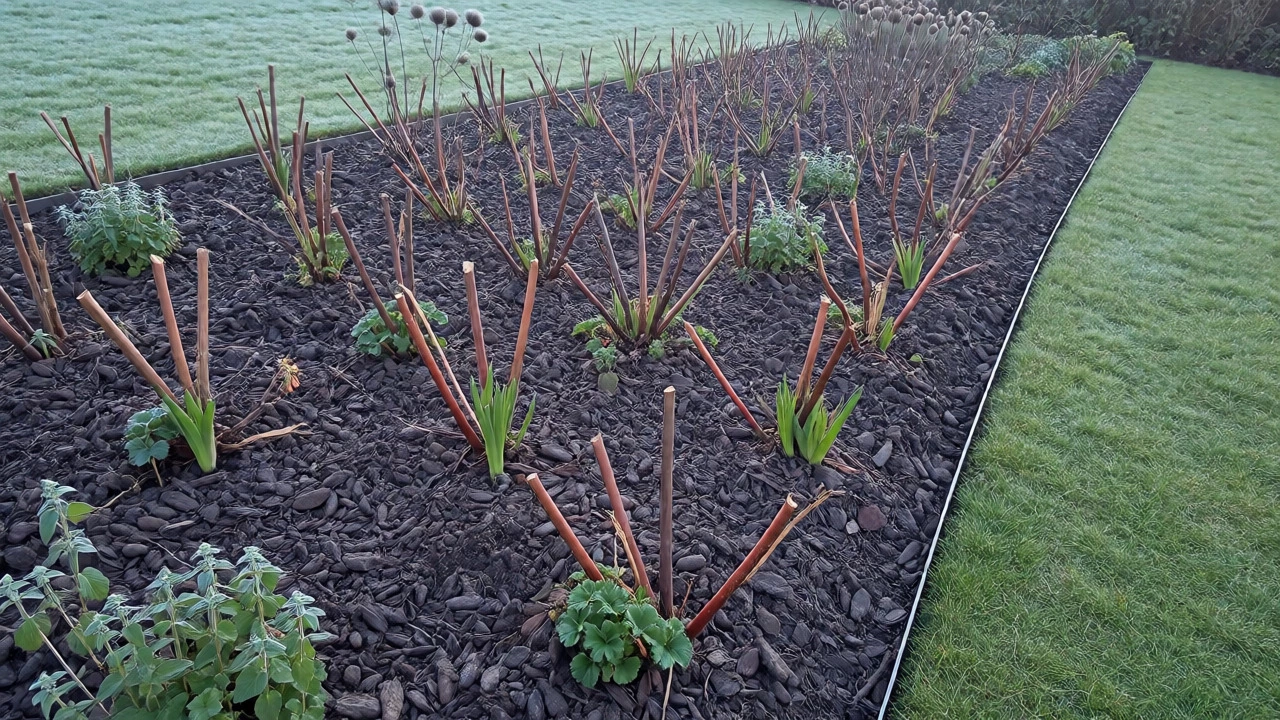
- Spring: Remove any fallen leaves or debris. Cut back dead stems from the previous year to make room for new growth. Top up mulch if needed. Feed lightly with a balanced slow-release fertilizer if the soil seems depleted.
- Summer: Monitor for pests, though diverse planting usually keeps them in check. Water only during extended droughts. Enjoy the flowers! Avoid deadheading unless you want to prevent self-seeding.
- Autumn: Let the seed heads stand. They provide food for birds and visual interest when frost hits. You don’t need to clean up immediately. Wait until late winter.
- Winter: This is the big cleanup month. Cut back perennials that look messy. Divide overcrowded clumps if necessary. Plan next year’s tweaks based on what thrived and what struggled.
Notice how short that list is? No weekly chores. No daily checks. Just four focused sessions a year. That’s the power of good design and plant choice.
Pitfalls to Avoid
Don’t underestimate the vigor of some "easy" plants. Mint, for example, is incredibly easy to grow but can take over an entire bed if not contained. Always plant aggressive spreaders in pots sunk into the ground or choose less invasive alternatives. Similarly, avoid planting trees or large shrubs too close to smaller perennials. Trees have extensive root networks that steal water and nutrients, leaving little for your flowers.
Another trap is ignoring aspect. South-facing beds get intense sun and dry out fast. North-facing beds stay cool and damp. Match your plants to the light levels. Putting a sun-loving lavender in a north-facing shady spot is a guaranteed failure, regardless of how much you water it.
Finally, resist the urge to over-fertilize. Many low-maintenance plants evolved in nutrient-poor soils. Too much nitrogen leads to lush, floppy growth that falls over and invites pests. Lean soil produces tougher, more fragrant plants. If your plants look pale, a top-dressing of compost is usually enough.
What are the best low maintenance plants for UK gardens?
Some of the toughest choices include Lavender, Sedum, Echinacea, Hardy Geraniums, Salvia, and Nepeta (Catmint). These plants tolerate drought, resist common pests, and require minimal pruning. Evergreens like Boxwood or Yew can also provide structure with very little care.
How thick should mulch be in a flower bed?
A layer of 5 to 7 centimeters (about 2 to 3 inches) is ideal. This thickness is sufficient to block weed seeds and retain moisture without suffocating plant roots. Ensure you keep the mulch a few centimeters away from plant stems to prevent rot.
Do I need to water a low maintenance flower bed?
Yes, but only during the first growing season while plants are establishing their root systems. After that, most drought-tolerant perennials will rely on natural rainfall. During prolonged dry spells in summer, occasional deep watering may still be beneficial.
Can I use gravel instead of mulch?
Absolutely. Gravel is an excellent inorganic mulch that lasts indefinitely and provides excellent drainage. It’s particularly suitable for Mediterranean-style gardens or areas with very wet winters. However, it doesn’t add nutrients to the soil like organic mulch does, so you may need to supplement with compost occasionally.
How do I stop weeds in a low maintenance bed?
The key is prevention through dense planting and mulching. By covering the soil surface and shading out light, you prevent most weed seeds from germinating. For any weeds that do appear, remove them when small. A landscape fabric under the mulch can help further, but ensure it’s permeable to allow water penetration.