Raised Bed Soil Cost & Mix Calculator
Bed Configuration
Enter your bed dimensions and select a strategy to see the breakdown.
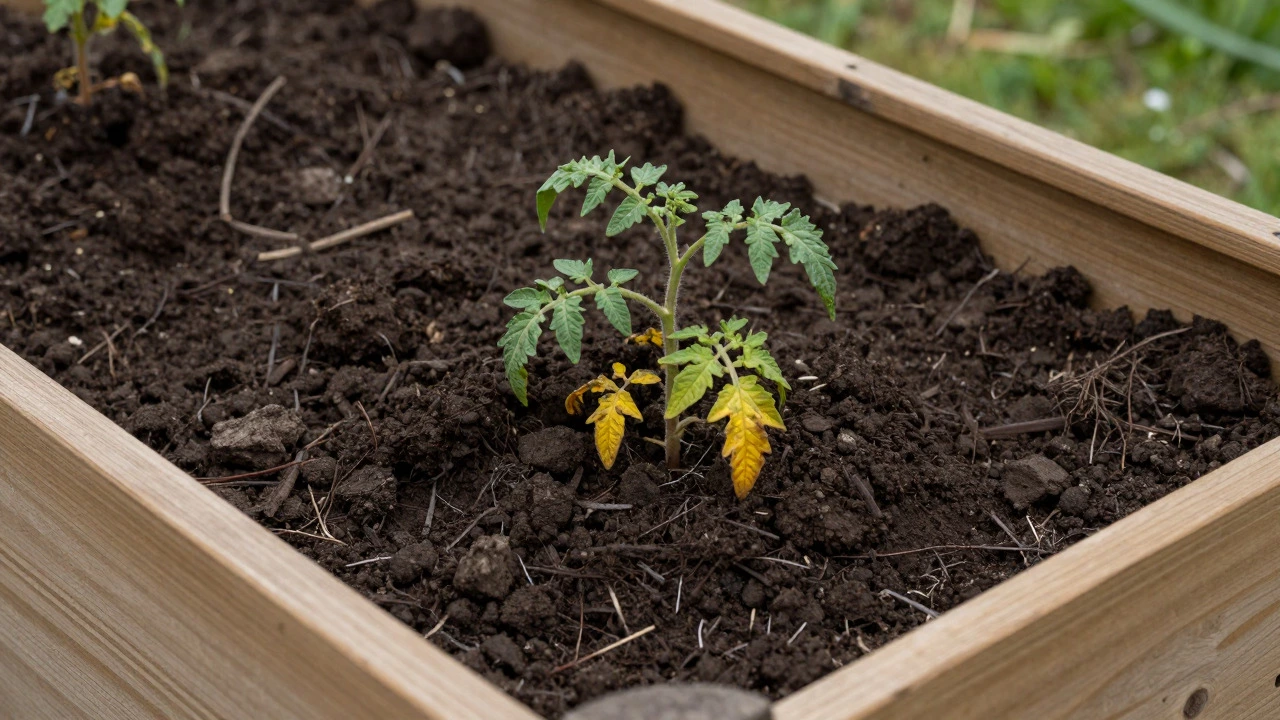
You’ve just finished building that beautiful wooden frame in your backyard. It looks perfect. Now comes the part everyone rushes through: filling it up. You head to the garden centre or hire a skip of topsoil, thinking, "This is dirt. This is what plants grow in." But here’s the hard truth: if you fill your raised bed with nothing but standard topsoil, you are setting yourself up for a struggle. Your plants will likely sit waterlogged, their roots will suffocate, and you’ll spend more time fighting weeds than harvesting vegetables.
The short answer is no. You shouldn’t fill a raised bed with just topsoil. While topsoil provides volume, it lacks the structure, nutrients, and air pockets that healthy roots need to thrive. To get a productive garden, you need a recipe, not just a bag of dirt.
Why Pure Topsoil Fails in Raised Beds
To understand why pure topsoil is a bad idea, we have to look at how soil behaves in a container versus the ground. In the earth, soil has layers. Heavy clay sits deep down, sand might be near the surface, and worms constantly aerate the ground. A raised bed removes these natural benefits. It is an artificial environment where every cubic inch matters.
Standard topsoil, especially the cheap stuff sold by the yard, is often dense. When you pack it into a box, it settles. Within a few weeks of watering, that soil compacts. Compacted soil has no air space. Roots need oxygen just as much as they need water. Without air pockets, roots rot. Even worse, heavy rain runs off the surface instead of soaking in, leaving your plants thirsty despite being surrounded by wet mud.
There is also the nutrient issue. Topsoil sounds rich, but commercially harvested topsoil is often stripped of its biology. It might contain some minerals, but it lacks the active microbial life and organic carbon that feed plants. If you plant tomatoes in pure topsoil, they might survive for a month, but they won’t produce a bumper crop. They’ll look pale, stunted, and sad.
The Ideal Raised Bed Soil Recipe
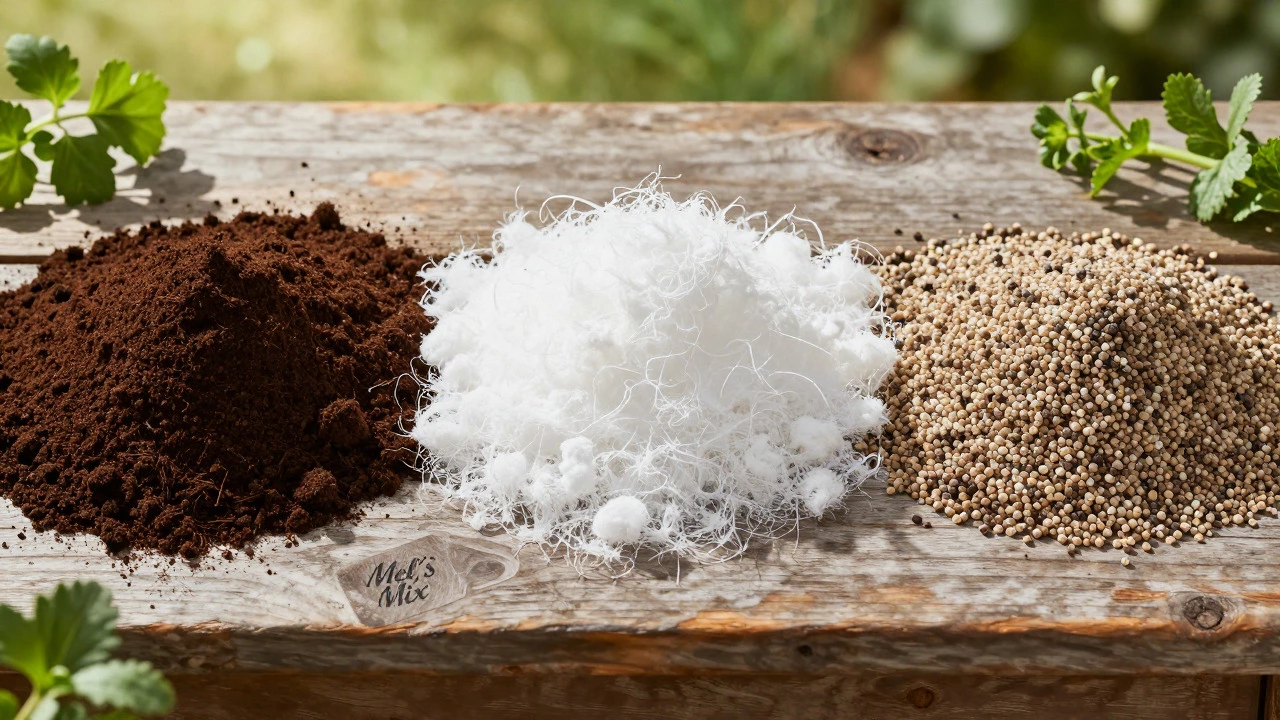
If topsoil isn’t enough, what should you use? The gold standard for raised beds is a blend known as the Mel’s Mix, popularized by square foot gardening expert Mel Bartholomew. This formula creates a loose, fluffy medium that drains well while holding moisture and nutrients.
The classic ratio is simple:
- 1/3 Compost: This provides nutrients and biological activity.
- 1/3 Peat Moss or Coconut Coir: This holds moisture and keeps the soil light.
- 1/3 Vermiculite: This improves drainage and aeration.
This mix costs more upfront than a truckload of dirt, but it pays for itself. You don’t need to add fertilizer because the compost feeds the plants. You don’t need to worry about compaction because the vermiculite keeps the structure open. And because it’s light, you can lift pots and move things around easily.
However, this recipe can be expensive for large beds. That’s where a modified approach comes in. For bigger projects, many UK gardeners use a "50-50" rule or a "one-third" compromise.
| Strategy | Cost | Drainage | Nutrient Level | Best For |
|---|---|---|---|---|
| Pure Topsoil | Low | Poor (Compacts) | Low | Ground cover / Grass only |
| Mel's Mix (1/3 each) | High | Excellent | High | Intensive vegetable growing |
| Topsoil + Compost Blend | Medium | Good | Medium-High | Budget-conscious growers |
A Budget-Friendly Alternative: The Topsoil Hybrid
If buying bags of peat moss and vermiculite feels like a fortune, you can still use topsoil, but you must modify it. Never use it alone. Instead, aim for a mix of roughly 60% quality topsoil and 40% organic matter.
Here is how to make it work:
- Choose Good Topsoil: Avoid "filler" dirt. Look for screened topsoil that is free of stones and roots. In the UK, check for British Standards certification on bulk bags.
- Add Bulk Organic Matter: Mix in well-rotted manure, homemade compost, or leaf mould. This breaks up the density of the soil.
- Incorporate Grit: If your topsoil is clay-heavy, add horticultural grit or coarse sand. This prevents the soil from turning into concrete when wet.
This hybrid method gives you the volume of cheap topsoil with the structure of expensive mixes. It’s not quite as airy as Mel’s Mix, but it’s far superior to pure dirt. Over time, as you add compost each season, this hybrid bed will improve and behave more like a premium mix.
Common Mistakes When Filling Raised Beds
I see the same errors every spring. People try to save money or time, and it costs them their harvest later. Here are three traps to avoid.
1. Using Lawn Soil Never dig up grass from your lawn and put it in a raised bed. The grass seeds will sprout, creating a weed nightmare. Plus, lawn soil is usually compacted turf, which doesn’t drain well. Strip the grass first, let it decompose in a pile, and then use the resulting humus.
2. Ignoring Depth Most raised beds are 12 inches (30cm) deep. This is fine for lettuce and herbs. But carrots, potatoes, and brassicas need deeper root zones. If you’re growing root vegetables, ensure your bed is at least 18-24 inches deep. Shallow beds with dense soil restrict root growth, leading to misshapen crops.
3. Forgetting the Base Layer Some people line the bottom of their bed with cardboard or plastic to stop weeds. Don’t do this unless you have a specific pest problem. It blocks drainage and prevents earthworms from entering from below. If you want to suppress weeds, lay a layer of newspaper directly on the ground before adding soil, but leave the sides open for airflow.
Maintaining Your Soil Over Time
Filling the bed is just the beginning. Soil is a living system. Every year, plants take nutrients out, and rain washes others away. If you rely on the initial fill, your yields will drop after year two.
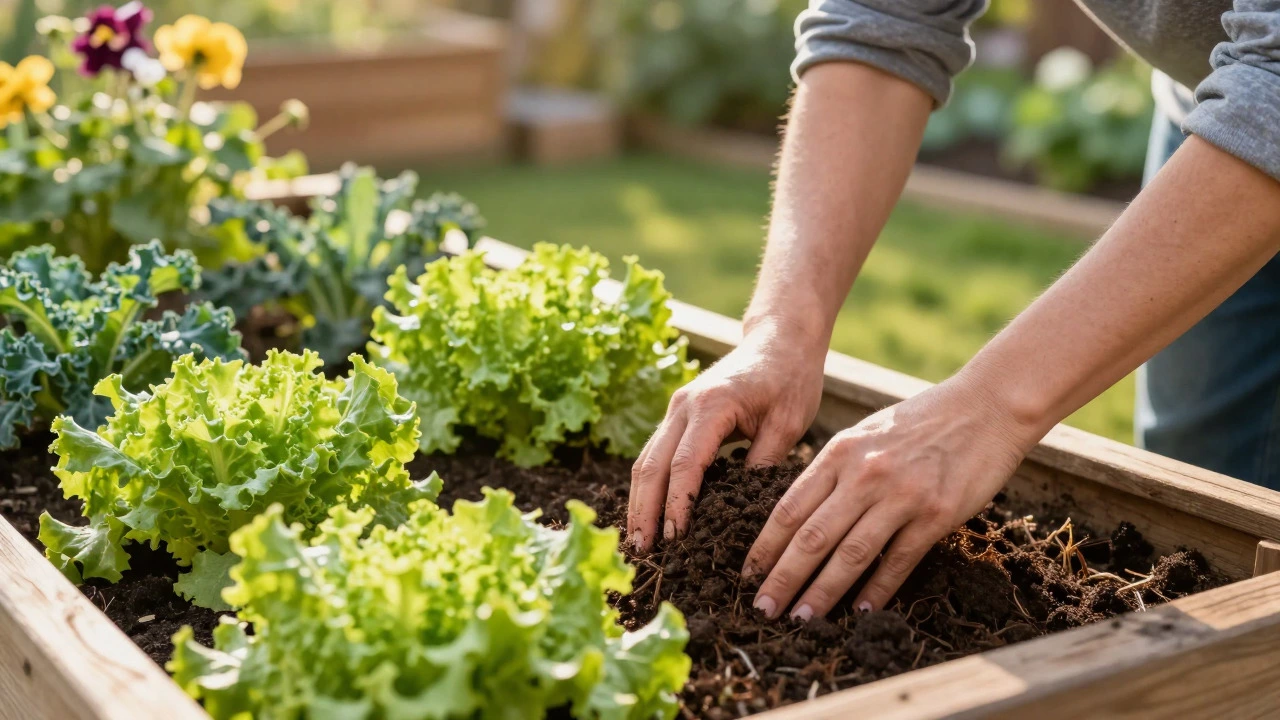
The secret to long-term success is top-dressing. Each spring, add a 1-2 inch layer of fresh compost over the existing soil. Use a fork to gently mix it into the top few inches. This replenishes nutrients without disturbing the deep root systems established from previous seasons.
Also, consider planting cover crops in the winter. Clover or winter rye protects the soil from erosion and adds nitrogen back into the ground. When you turn them under in spring, you’re essentially making your own fertilizer. This practice, common in sustainable farming, keeps your raised bed fertile for decades without constant chemical inputs.
FAQ
Can I use potting soil for my raised bed?
You can, but it is very expensive. Potting soil is designed for containers and lacks the weight and structure needed for a large bed. It also dries out quickly. It is better to use a blend of topsoil and compost, or buy "raised bed mix" which is cheaper per volume than small bags of potting soil.
How much does it cost to fill a raised bed?
It varies wildly. A 4x4 foot bed filled with pure topsoil might cost £20-£30. The same bed filled with a high-quality compost and coir mix could cost £80-£120. However, the higher cost usually results in significantly better yields, making it a worthwhile investment for food growers.
Do I need to replace the soil every year?
No. Good soil lasts for years. You only need to replenish nutrients by adding compost annually. The physical structure of the soil remains stable if you avoid walking on it and keep it covered with mulch during winter.
Is peat moss bad for the environment?
Yes. Harvesting peat moss destroys ancient bog ecosystems and releases stored carbon. Many eco-conscious gardeners now use coconut coir as a sustainable alternative. It performs similarly in terms of moisture retention and aeration but is renewable and biodegradable.
What is the best soil pH for raised beds?
Most vegetables prefer a slightly acidic to neutral pH, between 6.0 and 7.0. If your topsoil is too acidic (common in rainy areas like Brighton), add garden lime. If it’s too alkaline, add sulfur or pine needles. Testing your soil once a year helps maintain this balance.