Raised Bed Cost Calculator
Design Your Raised Bed
Material Selection
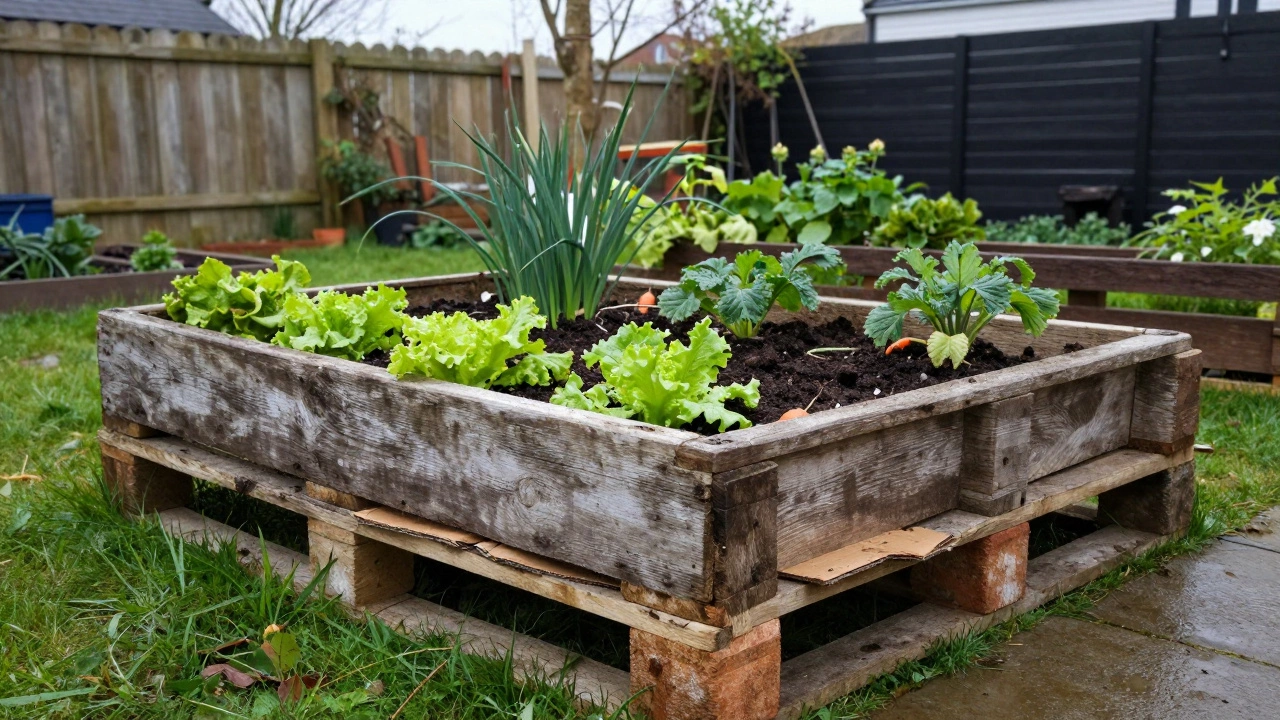
Old pallets, fence panels, or shed planks - usually free or very cheap
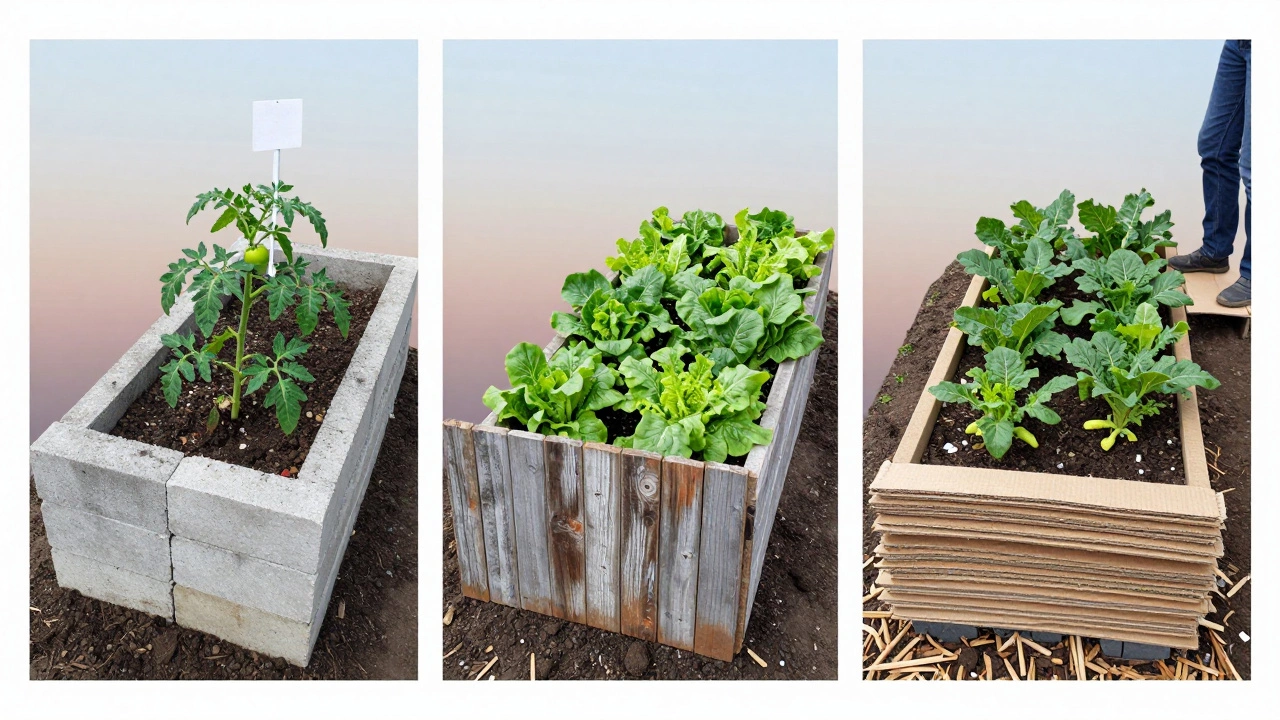
Stack without mortar - lasts forever and retains heat
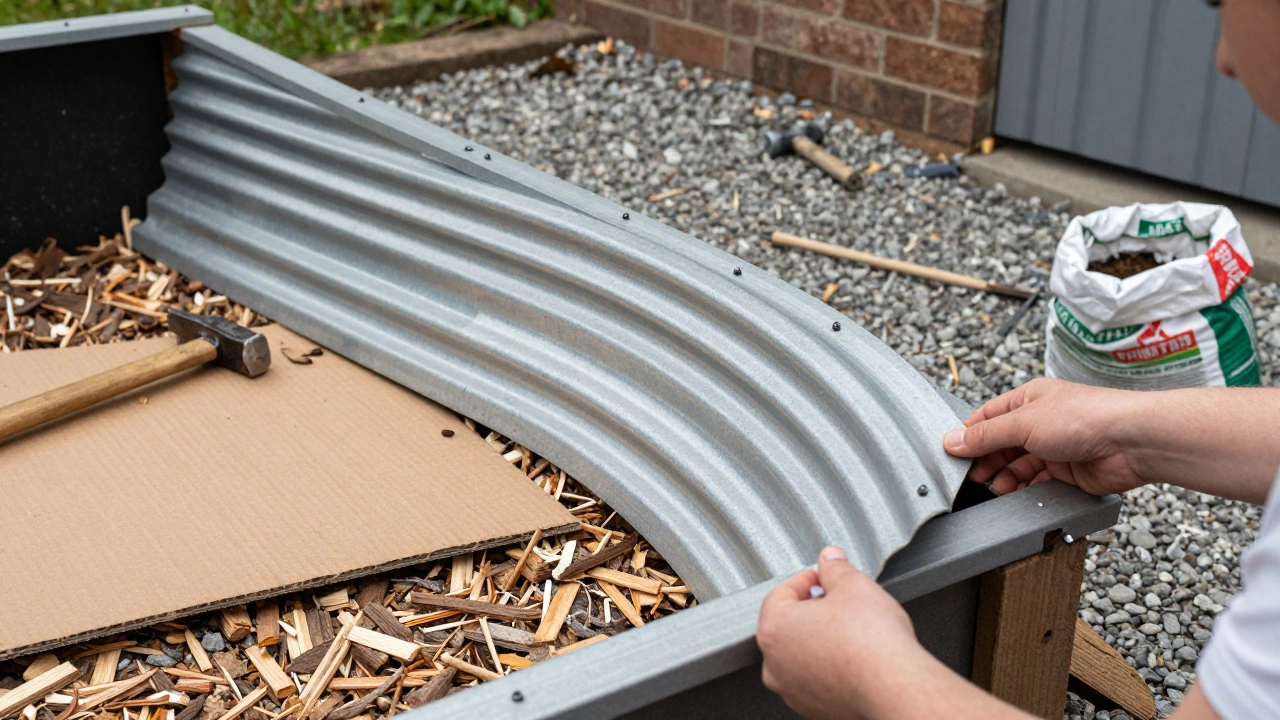
Rust-resistant scrap material - great for curved beds
Use leftover bricks from projects - heavy and stable
Soil Mix
Building raised garden beds doesn’t have to cost hundreds of pounds. In fact, you can make sturdy, long-lasting raised beds for under £50 - even in the UK’s unpredictable weather. Many people think you need treated timber, fancy hardware, or professional installation, but the truth is, the cheapest options are often the most practical. I’ve built over a dozen raised beds in my own garden in Brighton, using mostly free or leftover materials. Here’s exactly how to do it without breaking the bank.
Why Raised Beds? (And Why Cheap Ones Work Just Fine)
Raised beds improve drainage, reduce back strain, and let you control soil quality. They’re especially useful in places like Brighton, where clay soil dominates and winter rains turn gardens into mud pits. But you don’t need expensive cedar or composite lumber to get these benefits. The key is using materials that are durable enough to last 5-10 years, not perfect.Most commercial raised beds cost £100-£300. But a well-built bed using reclaimed wood or recycled materials can last just as long - and cost a fraction of the price. The secret? Focus on function, not finish.
Step 1: Choose Your Materials - The Cheapest Options That Actually Work
Not all wood is created equal. Here are the top five materials, ranked by cost and durability:- Reclaimed timber - Check local demolition sites, Facebook Marketplace, or community groups. Old pallets, fence panels, and shed planks are often given away for free. Look for untreated wood - pressure-treated lumber can leach chemicals into your soil. Reclaimed wood is usually weathered but still strong.
- Concrete blocks - These are dirt cheap at builders’ merchants. A single block costs around £1.50. You can stack them without mortar to form a 2ft-high bed. They last forever and don’t rot. Bonus: they retain heat, helping plants grow faster in cool springs.
- Corrugated metal sheets - Used in industrial settings, these are often sold as scrap. They’re rust-resistant if coated, and they hold their shape. You can bend them into curved beds or stack them for height. A 2m sheet costs £10-£15.
- Bricks - If you’re renovating or have leftover bricks from a patio project, use them. They’re heavy, stable, and don’t need fasteners. You can build a bed with just 60 bricks.
- Cardboard and wood chips - For a temporary bed (1-2 seasons), layer cardboard on the ground, then pile on 6-8 inches of wood chips or straw. It suppresses weeds, drains well, and breaks down into soil. It’s not permanent, but it’s free.
Avoid new pressure-treated pine unless you’re growing non-edible plants. Even then, it’s overpriced for what it does. Stick to reclaimed, recycled, or repurposed materials.
Step 2: Design for Cost - Keep It Simple
The most expensive part of a raised bed isn’t the materials - it’s the complexity. A 4ft x 8ft bed is the sweet spot: easy to reach across, fits in most backyards, and uses standard lumber sizes.Here’s how to cut costs on design:
- Don’t make it taller than 12-18 inches. Deeper beds need more soil and more materials. Most root vegetables (carrots, potatoes, onions) thrive in 12 inches. Leafy greens need even less.
- Use L-shapes or U-shapes. Instead of four full sides, build three sides and use a wall, fence, or path as the fourth. Saves 25% of your materials.
- Skip the liner. Landscape fabric or plastic liners are unnecessary and trap moisture. If you’re using untreated wood, the soil will naturally break down the bottom over time - that’s fine. If you’re worried about weeds, lay down cardboard first.
- No corners? No problem. Round or curved beds use less material and are easier to build with flexible materials like metal or stacked bricks.
Step 3: Build It - No Tools? No Problem
You don’t need a power drill or a saw to build a raised bed. Here’s how I built my last one in an afternoon with just a hammer and some nails:- Collect 12-16 reclaimed pallet boards (each about 4ft long).
- Break apart the pallets carefully - use a crowbar to pop out the planks.
- Arrange four planks end-to-end to form one side. Overlap the corners slightly.
- Drive two 3-inch galvanized nails into each corner. No screws needed.
- Repeat for all four sides. If you’re using bricks or blocks, just stack them in a rectangle. No glue or cement required.
- Place the frame on level ground. If the soil is uneven, dig out a shallow trench to sit the base in.
- Line the bottom with cardboard or old carpet (if you have it) to block weeds.
That’s it. No measuring tape needed if you’re working with standard pallet sizes. If you have a saw, you can trim pieces to fit - but you don’t have to.
Step 4: Fill It - Cheap Soil That Works
Soil is where most people overspend. A cubic yard of topsoil costs £80-£120. You don’t need that much.Here’s the cheapest, most effective mix:
- 50% garden soil - Dig up the top 6 inches from your yard. It’s already adapted to your climate.
- 30% compost - Make your own with kitchen scraps and grass clippings. Or buy a bulk bag from a local garden centre - £15 for 500L.
- 20% leaf mold or wood chips - Collect fallen leaves in autumn. Let them rot for a year. Or ask a local arborist for free wood chip mulch.
Mix it all together with a shovel. This blend drains well, holds nutrients, and won’t compact. It’s better than expensive bagged compost.
For a 4ft x 8ft bed at 12 inches deep, you’ll need about 32 cubic feet of mix. That’s roughly two 500L bags of compost plus your own soil and leaves. Total cost: under £30.
Step 5: Maintain It - Keep It Cheap Long-Term
A cheap bed doesn’t mean a short-lived one. Here’s how to make it last:- Replenish soil every spring. Add 2 inches of compost. It replaces what’s broken down.
- Rotate crops. Don’t grow the same thing in the same spot twice. It prevents nutrient drain and disease.
- Don’t walk on the bed. Use a board to step on if you need to reach the middle. Compacted soil kills roots.
- Check for rot annually. If a board starts to soften, flip it over. The bottom side is often still solid.
Real Example: My Brighton Raised Bed
Last year, I built a 4ft x 6ft bed using:- 10 reclaimed pallet planks (free)
- 40 old bricks from a shed demolition (free)
- Two bags of compost (£12)
- Cardboard from online deliveries (free)
- Soil dug from my lawn (free)
Total cost: £12. I grew 12 lettuce plants, 8 kale plants, and 20 carrots. I harvested over 15kg of vegetables. The bed is still standing - no rot, no warping. No one would guess it cost less than a takeaway pizza.
What Not to Do
Avoid these common mistakes:- Using treated wood for food crops. Even "eco-friendly" pressure-treated wood can contain copper or arsenic.
- Building too high. More height = more materials = more cost. Stick to 12-18 inches.
- Buying pre-made kits. They’re convenient, but you’re paying for branding, not quality.
- Using plastic liners. They trap water and rot wood faster. Cardboard is better and free.
Final Tip: Start Small
Don’t try to build five beds at once. Start with one. Test the materials. See how your soil holds up. Learn what works in your microclimate. By the second season, you’ll know exactly what to reuse, what to avoid, and how to scale up - all on a budget.Can I use old fence panels to build a raised bed?
Yes, if they’re made of untreated wood. Fence panels are often already weathered and stable. Just remove nails or screws, clean off dirt, and stack them vertically. You can use two panels side by side to make a 4ft-wide bed. They’re usually 6ft tall, so cut them down or leave them as a taller edge - it helps keep out weeds and pets.
Do I need to treat the wood to make it last longer?
No - and you shouldn’t. Chemical treatments can leach into your soil and harm plants or beneficial insects. Instead, use naturally rot-resistant woods like cedar or locust if you can find them cheap. Otherwise, choose reclaimed wood. It’s already been exposed to weather and has settled. You can extend its life by lining the inside with cardboard or old carpet - it keeps moisture from soaking into the wood directly.
How deep should a raised bed be for vegetables?
Most vegetables need 12 inches of soil. Root crops like carrots, parsnips, and potatoes benefit from 18 inches. Leafy greens like lettuce and spinach do fine with 6-8 inches. If you’re short on materials or soil, go with 12 inches - it’s the safest middle ground. Anything deeper just costs more in materials and soil without giving you much extra yield.
Can I build a raised bed on concrete?
Yes, and it’s actually easier. Concrete provides a flat, stable base. Just make sure you have good drainage. Add a 1-2 inch layer of gravel or broken bricks at the bottom before adding soil. This lets water escape and prevents roots from sitting in water. You can also use bricks or concrete blocks as the frame - they’re perfect for hard surfaces.
Is it cheaper to build or buy a raised bed?
Building is almost always cheaper. A ready-made wooden bed from a garden centre costs £100-£200. Even a basic plastic kit is £50. With reclaimed materials and homemade soil, you can build a larger, sturdier bed for under £30. You’ll also get better quality control - you choose the wood, the depth, the shape. Buying pre-made means you’re stuck with what’s available.
If you’ve got scrap wood, old bricks, or a few free bags of compost, you already have everything you need. Start small, build smart, and let your garden grow on its own terms - no fancy tools, no big budget required.