Garden Starter Plant Planner
Configure your garden space to get personalized plant recommendations.
Recommended Selection
Enter your sunlight hours and click "Find My Plants" to see what will thrive in your garden.
Staring at a patch of dirt or overgrown weeds can feel overwhelming. You want a lush, productive space, but where do you even start? The good news is that preparing a garden doesn't require years of experience or expensive equipment. It requires patience, a bit of sweat, and a clear plan. Whether you have a sprawling backyard in the countryside or a tiny balcony in Brighton, the fundamentals remain the same: assess your space, improve your soil, and plant with purpose.
Most beginners make the mistake of rushing to buy plants before understanding their environment. This leads to frustration when seedlings wilt or vegetables refuse to grow. By taking the time to prepare your garden properly, you set yourself up for success. This guide walks you through every step, from clearing the land to making your first planting decisions.
Assess Your Space and Light Conditions
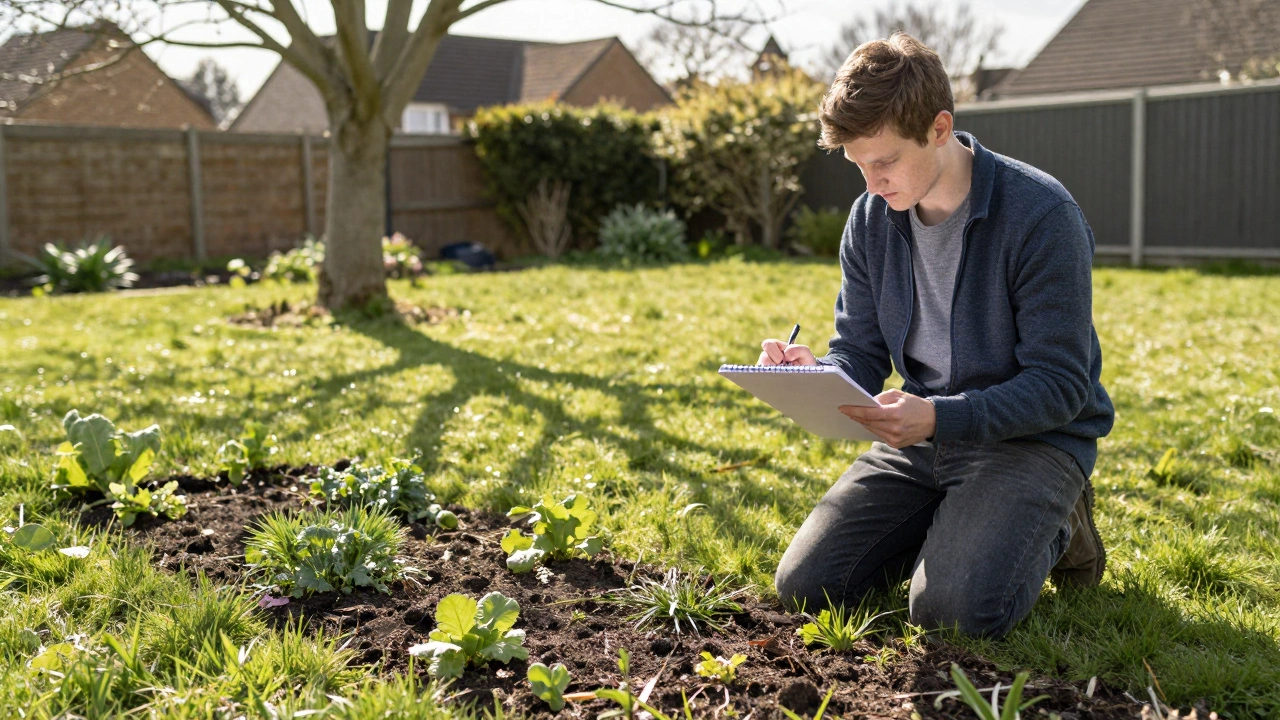
Before you move a single shovel of dirt, you need to understand what you are working with. Gardens are not one-size-fits-all. A plot that works for roses might be disastrous for tomatoes. The first step is to observe your space for a few days. Note how the sun moves across your yard. Does it get full sun all day, or does a large tree cast shade in the afternoon?
Light is the most critical factor in plant selection. Most vegetables and flowering annuals need at least six hours of direct sunlight daily. If your area gets less than four hours, you are looking at a shade garden. Shade-tolerant plants like hostas, ferns, and leafy greens such as spinach and lettuce will thrive here. On the other hand, if your spot bakes in the sun, heat-loving crops like peppers, eggplants, and lavender are your best bets.
You also need to check for water drainage. After a heavy rain, does water pool in certain areas? Standing water kills roots by suffocating them. If you notice soggy patches, you may need to raise those beds or install drainage solutions later. For now, just mark these spots on a rough sketch of your garden.
Clear the Area and Remove Debris
Once you know your light conditions, it’s time to clear the canvas. If you are starting with grass, you have two main options: smothering or digging. Smothering is less labor-intensive. Lay down cardboard or several layers of newspaper directly on the grass, then cover it with mulch or compost. Over a few weeks, the grass underneath dies, creating a weed-free base for your new bed. This method is great for beginners who want to avoid back-breaking work.
If you prefer immediate results, dig out the sod. Use a spade to cut strips of turf and remove them. Be sure to turn the sod upside down so the roots face up; this helps prevent regrowth. Regardless of the method, remove any rocks, old fencing, or construction debris. These obstacles can damage tools and hinder root growth later on.
Should I use herbicides to kill grass before starting a garden?
It is generally better to avoid chemical herbicides if you plan to grow edible plants. Chemicals can linger in the soil and affect plant health. Physical removal via digging or smothering with cardboard is safer, more sustainable, and improves soil structure in the long run.
Test and Improve Your Soil
Soil is the foundation of your garden. Poor soil leads to poor harvests, no matter how much you water or fertilize. In the UK, many soils are clay-heavy, especially in southern regions like Sussex. Clay holds water well but drains poorly and can be hard for roots to penetrate. Sandy soil, common in coastal areas, drains too quickly and lacks nutrients.
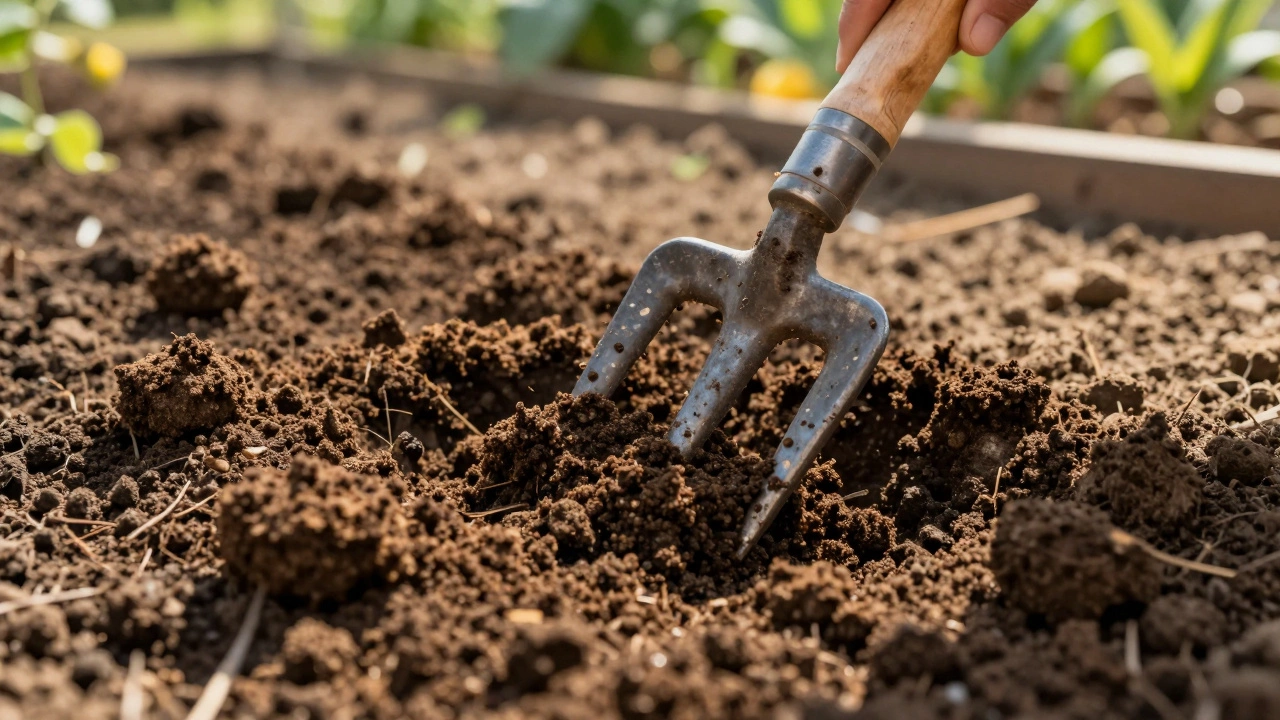
To fix this, you need organic matter. Compost is the gold standard. It improves drainage in clay soils and helps sandy soils retain moisture and nutrients. Spread a two-to-three-inch layer of high-quality compost or well-rotted manure over your cleared area. Then, use a garden fork or tiller to mix it into the top six to eight inches of soil. This creates a loose, crumbly texture that roots love.
Consider getting a soil test kit. These are inexpensive and available at most garden centers. They tell you your pH level and nutrient deficiencies. Most vegetables prefer a slightly acidic to neutral pH (6.0-7.0). If your soil is too acidic, you may need to add lime. If it’s too alkaline, sulfur can help balance it. Knowing your numbers takes the guesswork out of fertilizing.
Plan Your Garden Layout
Now that your soil is ready, it’s time to decide what goes where. Don’t just throw seeds around randomly. A thoughtful layout saves space and reduces maintenance. Start by drawing a simple map of your garden. Mark where permanent features like trees, fences, and water sources are located.
Group plants with similar needs together. This is called companion planting. For example, tomatoes and basil benefit from each other, while fennel repels many insects but also inhibits the growth of neighboring plants, so keep it isolated. Think about mature sizes. A zucchini plant can spread several feet wide; give it room to breathe. Crowded plants compete for light and air, leading to disease.
Accessibility matters too. Make paths wide enough for you to walk comfortably, ideally at least three feet wide if you plan to use a wheelbarrow. Raised beds are excellent for beginners because they define borders clearly and reduce the need for bending. If you have mobility issues, consider waist-high raised beds to protect your back.
Choose Beginner-Friendly Plants
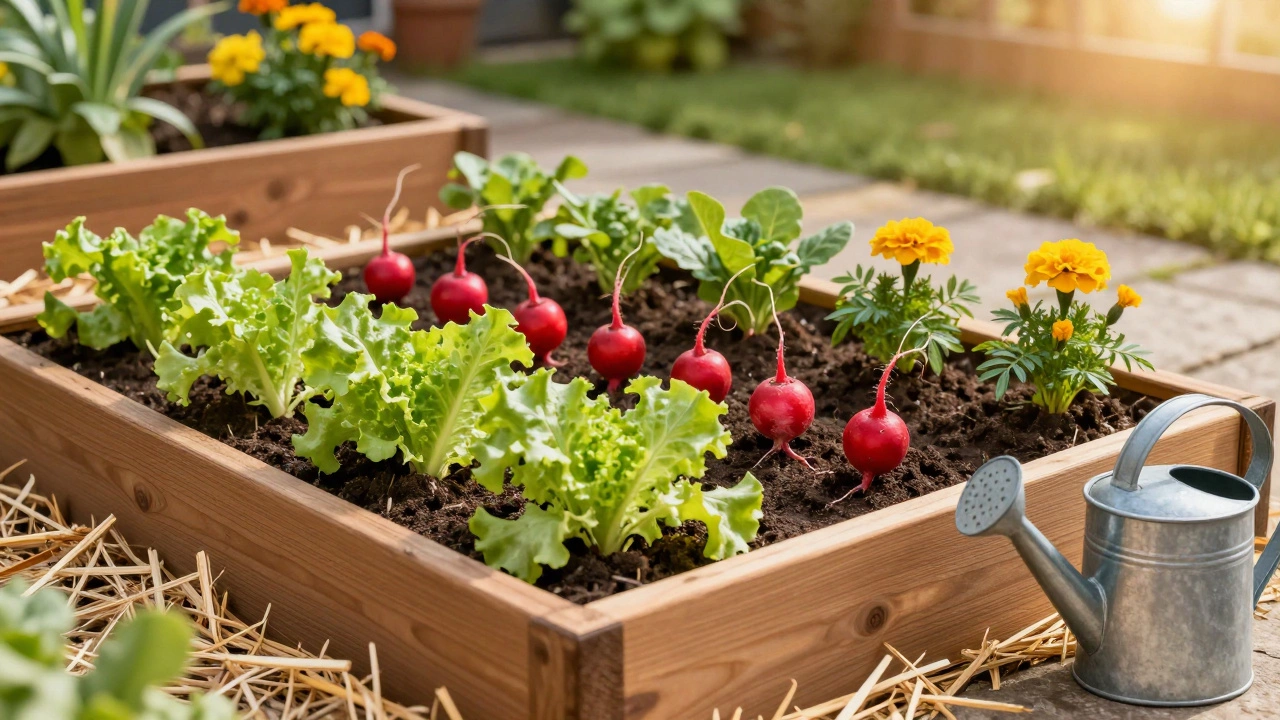
Start small. Trying to grow twenty different types of vegetables in your first season is a recipe for burnout. Pick five to ten varieties that are easy to manage and fast-growing. Radishes, for instance, can go from seed to harvest in as little as 25 days. This quick win boosts confidence and provides food while slower crops mature.
Leafy greens like lettuce, kale, and Swiss chard are forgiving and productive. Herbs like mint, chives, and parsley are hardy and useful in the kitchen. For flowers, marigolds and nasturtiums are tough, colorful, and help deter pests naturally. Avoid finicky crops like asparagus or rhubarb until you have mastered the basics. These perennial plants require long-term commitment and specific care.
| Plant Type | Growing Time | Difficulty | Key Benefit |
|---|---|---|---|
| Radishes | 25-30 days | Very Easy | Quick harvest, encourages continued planting |
| Lettuce | 45-60 days | Easy | Cut-and-come-again harvesting |
| Zucchini | 50-60 days | Easy | High yield per plant |
| Mint | Perennial | Very Easy | Versatile herb, grows aggressively |
| Marigolds | 75-80 days | Easy | Pest deterrent, attracts pollinators |
Watering and Maintenance Basics
Preparation doesn’t end when plants are in the ground. Consistent watering is crucial, especially in the first few weeks. New plants need steady moisture to establish roots. Water deeply rather than frequently. Shallow watering encourages roots to stay near the surface, making plants vulnerable to drought. Aim for one inch of water per week, including rainfall.
Mulching is another essential step. After planting, spread a layer of straw, wood chips, or shredded leaves around your plants. Mulch retains soil moisture, suppresses weeds, and regulates temperature. It also breaks down over time, adding more organic matter to your soil. Replenish mulch as needed throughout the season.
Finally, stay vigilant. Check your plants regularly for signs of pests or disease. Early detection makes problems easier to solve. Hand-pick slugs and snails, and use neem oil or insecticidal soap for aphids if necessary. Remember, a healthy garden ecosystem includes some bugs; aim for balance, not total eradication.
Troubleshooting Common Beginner Mistakes
Even with perfect preparation, things can go wrong. Here are a few common pitfalls and how to avoid them:
- Overwatering: Yellowing leaves often indicate too much water, not too little. Let the top inch of soil dry out between waterings.
- Planting Too Early: Frost can kill tender seedlings. Wait until after the last frost date in your region. In Brighton, this is usually late May.
- Neglecting Soil Health: Don’t just take from the soil; give back. Add compost annually to maintain fertility.
- Ignoring Sunlight Needs: Placing sun-loving plants in shade guarantees failure. Always match plants to their light requirements.
Gardening is a learning process. You will make mistakes, and that’s okay. Each season teaches you something new about your unique microclimate and soil. Keep a journal to track what worked and what didn’t. Over time, you’ll develop an intuition for your garden that no book can teach.
Can I start a garden in containers if I don’t have outdoor space?
Absolutely. Container gardening is perfect for beginners with limited space. Use pots with drainage holes and high-quality potting mix. Tomatoes, peppers, herbs, and strawberries thrive in containers. Just ensure they get enough sunlight and water more frequently since pots dry out faster than ground soil.
How often should I fertilize my new garden?
If you’ve added ample compost during preparation, you may not need additional fertilizer for the first few months. Once plants start growing actively, apply a balanced organic fertilizer every 4-6 weeks. Follow package instructions carefully to avoid burning roots with excess salts.
What is the best time of year to start a garden in the UK?
Spring is ideal for most gardens. Start planning in early spring and begin sowing hardy seeds indoors or outdoors after the last frost. However, you can also plant cool-season crops like kale and carrots in late summer for a fall harvest. Year-round gardening is possible with proper planning.
Do I need to rotate crops every year?
Crop rotation is highly recommended to prevent soil depletion and pest buildup. Move heavy feeders like tomatoes and corn to different spots each year. Rotate with legumes like beans, which fix nitrogen in the soil. Even in small gardens, moving plants around helps maintain long-term health.
How do I deal with weeds without chemicals?
Manual weeding is the most effective non-chemical method. Pull weeds when the soil is moist, as roots come out easier. Mulching heavily prevents weed seeds from germinating. Additionally, using landscape fabric under mulch can provide extra barrier protection for pathways and beds.