Soil Rejuvenation Plan Generator
Select the description that best matches your current soil condition to get a tailored rejuvenation guide.
Hard & Sticky
Forms tight balls when wet, cracks when dry. Heavy texture.
Likely ClayGritty & Dry
Falls apart immediately. Water drains very fast. Light texture.
Likely SandDark but Lifeless
Looks like dirt but plants struggle. No worms or life visible.
DepletedYour Action Plan
Expect visible improvements in 1 season, but full structural recovery takes 1-3 years.
Look at your garden. Does the dirt look like grey dust? Do plants wilt even when you water them? If yes, your soil is tired. It happens to everyone. In Brighton, where the clay can be heavy and the rain frequent, soil gets compacted and nutrient-poor over time. But bad soil is not a life sentence. You can fix it. It takes patience, but the results are worth it. Healthy soil means stronger plants, fewer pests, and less work for you in the long run.
Understanding What Makes Soil "Bad"
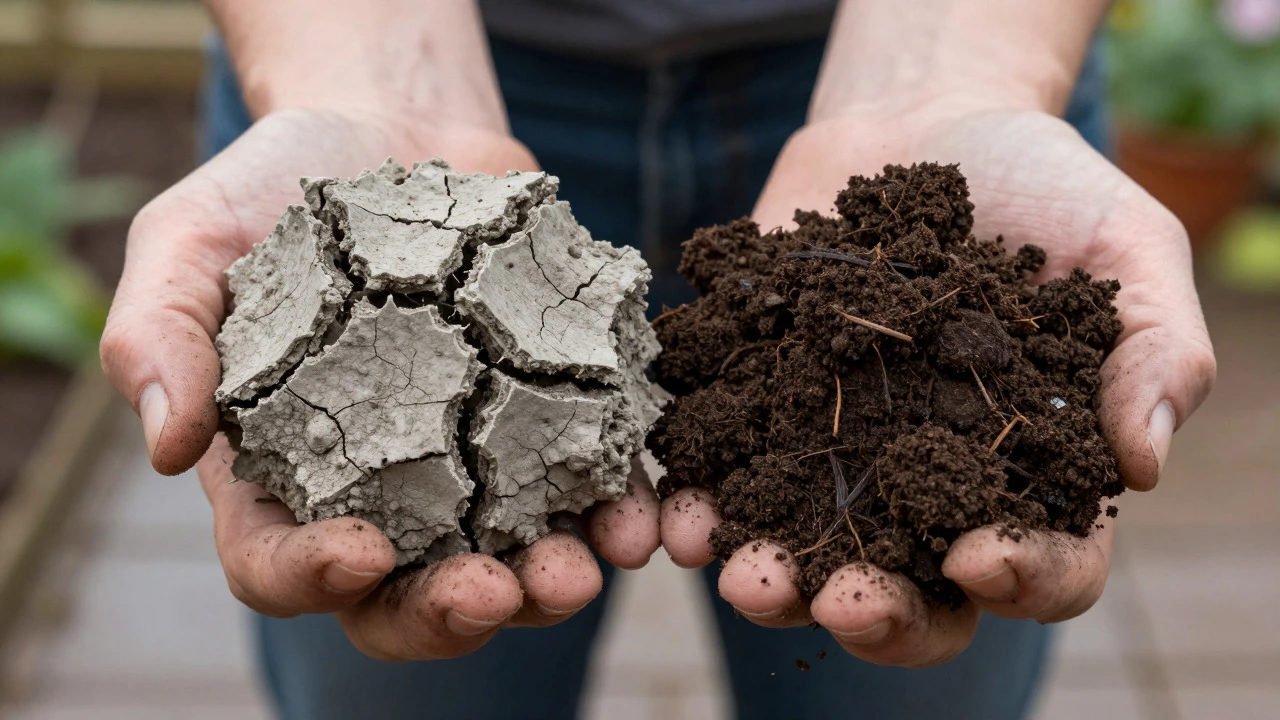
Before you add anything, you need to know what is wrong. Bad soil is soil that lacks structure, nutrients, or biological activity, making it difficult for plants to thrive. There are three main types of poor soil you might face.
- Compacted Clay: This is common in the UK. The soil feels hard, cracks when dry, and stays wet when raining. Roots cannot penetrate it.
- Sandy Soil: It feels gritty. Water drains too fast. Nutrients wash away before plants can use them.
- Depleted Soil: It looks dark but has no life. Years of growing vegetables without adding nutrients have sucked the energy out of it.
Take a handful of moist soil. Squeeze it. If it forms a tight ball and doesn't break apart easily, you likely have clay. If it falls apart immediately, it is sandy. Knowing this helps you choose the right fix.
The Power of Organic Matter
The single best thing you can do for any bad soil is add organic matter. This is non-negotiable. Organic matter is decaying plant and animal material that improves soil structure, retains moisture, and feeds beneficial microbes. It works for both clay and sand.
In clay soil, organic matter creates air pockets. It breaks up the dense clumps. In sandy soil, it acts like a sponge, holding water and nutrients. Think of it as glue for sand and a wedge for clay.
| Source | Best For | Application Rate |
|---|---|---|
| Well-rotted Compost | All soil types | 5-10cm layer, worked into top 20cm |
| Leaf Mold | Sandy soils (moisture retention) | 5cm layer, mixed in |
| Garden Lime | Acidic clay soils | Follow bag instructions; usually 100g/m² |
| Bark Chips | Mulching (surface only) | 5-7cm layer on surface |
Do not use fresh manure. It burns roots and smells terrible. Always use well-rotted compost or aged manure. You can buy it from garden centres or make your own. Making your own saves money and reduces waste.
Aeration: Letting the Soil Breathe
If your soil is compacted, adding compost isn't enough. You need to open it up. Aeration is the process of creating holes in the soil to allow air, water, and nutrients to penetrate deeper. This is crucial for lawns and vegetable beds alike.
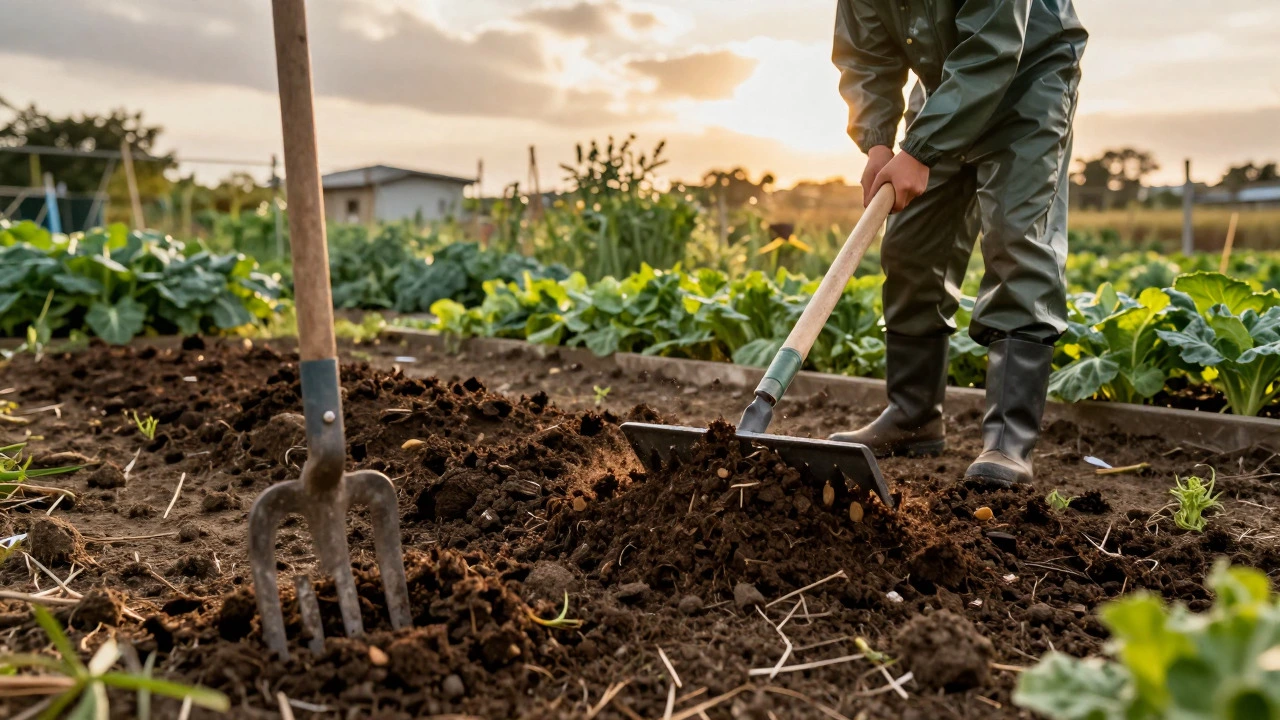
You don't need expensive machinery. A garden fork works perfectly. Dig deep. Turn the soil over gently. Break up large clods. Do this in autumn or early spring. Avoid digging when the soil is very wet, especially if you have clay. Wet clay turns into concrete when it dries.
For lawns, use a hollow-tine aerator. These remove small plugs of soil. Leave the plugs on the surface. They break down naturally and return nutrients to the soil. Core aeration is far better than spike aeration, which just pushes soil down further.
Green Manures: Nature's Fertilizer
If you have a bare patch of ground, don't leave it empty. Plant green manures. Green manures are crops grown specifically to improve soil fertility and structure, then plowed back into the earth. They are cheap, effective, and easy.
Rye is great for breaking up heavy clay. Its deep roots create channels for air and water. Mustard suppresses pests and adds sulfur. Clover fixes nitrogen from the air and puts it into the soil. This is free fertilizer for your next crop.
Sow these seeds in late summer or autumn. Let them grow through winter. Cut them down in spring before they flower. Chop them up and dig them in. Within weeks, they decompose and enrich the soil. It’s a natural cycle that mimics wild ecosystems.
pH Balance: Getting the Chemistry Right
Plants struggle if the soil pH is off. Most vegetables prefer a neutral pH around 6.5. Soil pH is a measure of how acidic or alkaline the soil is, affecting nutrient availability. In the UK, many soils are slightly acidic due to rainfall. Acidic soil locks up nutrients like phosphorus and calcium.
Test your soil first. You can buy simple test kits online or at garden centres. If the pH is below 6.0, add garden lime. Apply it in autumn so it has time to react with the soil. If the pH is above 7.5, add sulfur or acid-loving mulches like pine needles. Don't guess. Testing costs pennies and saves you months of frustration.
Building Life Back Into the Soil
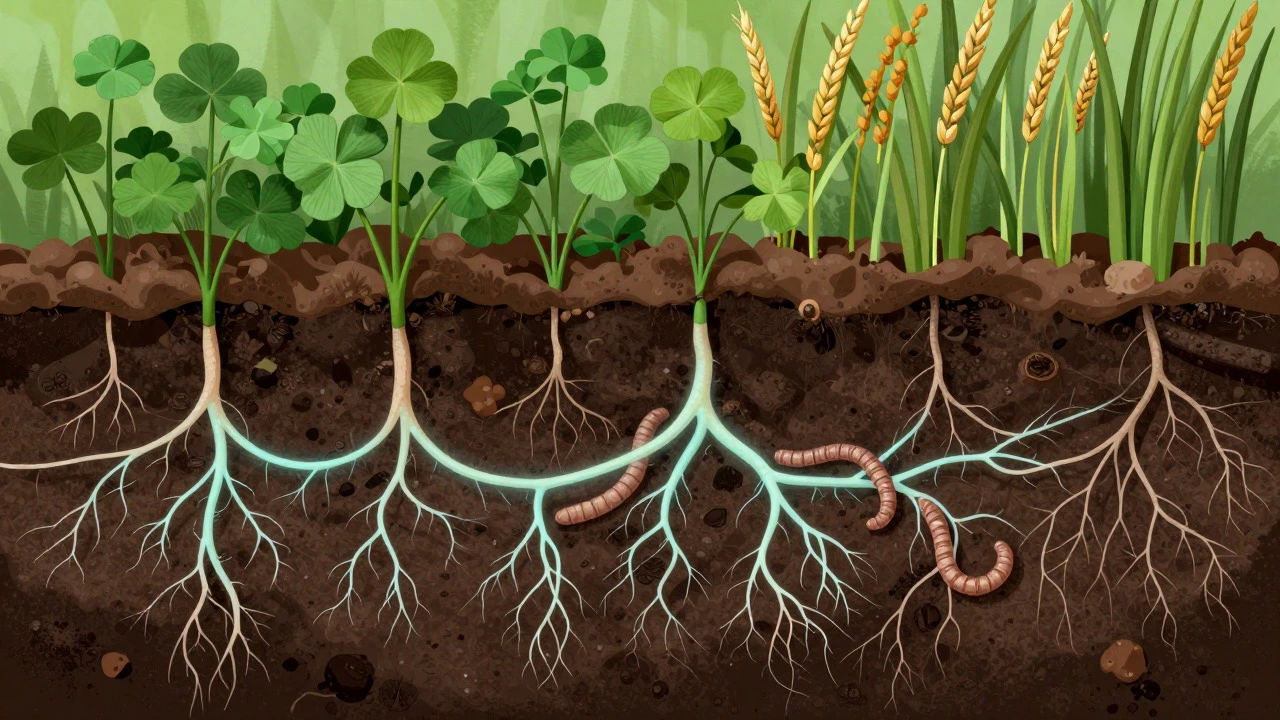
Healthy soil is alive. It teems with worms, bacteria, and fungi. Soil biology refers to the living organisms in soil that decompose organic matter, cycle nutrients, and improve soil structure. When you till soil heavily or use chemicals, you kill this life. To rejuvenate bad soil, you must invite them back.
Worms are your best friends. They eat organic matter and poop out rich castings. Their tunnels aerate the soil. Add worm castings directly to planting holes. They are gentle and potent. Avoid synthetic fertilizers. They feed the plant but starve the soil life. Stick to organic options like bone meal, blood fish and bone, or seaweed extract.
Mycorrhizal fungi form symbiotic relationships with plant roots. They extend the root system, helping plants access more water and nutrients. You can buy mycorrhizal inoculants, but often, simply adding diverse organic matter encourages them to return naturally.
Mulching: Protecting Your Investment
Once you've improved your soil, keep it that way. Mulch is essential. Mulching is covering the soil surface with organic or inorganic material to conserve moisture, suppress weeds, and regulate temperature. It prevents evaporation and keeps weeds at bay.
Use organic mulches like straw, wood chips, or grass clippings. As they break down, they add more organic matter to the soil. Keep mulch a few centimetres away from plant stems to prevent rot. Apply a fresh layer every year. Over time, the topsoil becomes dark, crumbly, and full of life.
Patience Is Key
Rejuvenating bad soil is not an overnight job. It takes one to three years to see dramatic changes. But each year, your soil will get better. Plants will grow stronger. You'll spend less time watering and weeding. Start small. Pick one bed. Fix it. Watch the difference. Then move to the next. Gardening is a marathon, not a sprint. Your soil is the foundation. Build it well, and everything else follows.
How long does it take to fix bad soil?
It typically takes 1 to 3 years of consistent effort to significantly improve soil quality. Adding organic matter annually and avoiding compaction speeds up the process. You may see improvements in plant growth within the first season, but true structural change takes longer.
Can I fix clay soil quickly?
There is no quick fix for clay soil. Adding gypsum alone does little. The most effective method is adding large amounts of organic matter like compost and leaf mold over several seasons. Aeration also helps, but consistency is key. Raised beds filled with good soil are a faster alternative if immediate results are needed.
What is the best organic matter for sandy soil?
Compost and well-rotted manure are excellent for sandy soil. They help retain moisture and nutrients. Leaf mold is particularly good because it holds water well. Aim to add 5-10cm of organic matter to the top 20cm of soil each year.
Should I till my soil to improve it?
Tilling can help initially by incorporating organic matter and breaking up compaction. However, excessive tilling disrupts soil structure and kills beneficial organisms. After the initial improvement, consider no-dig methods. Simply add compost on top and let worms and nature do the mixing.
How do I know if my soil pH is correct?
Use a soil testing kit available at garden centres or online. Test in spring or autumn. Most vegetables prefer a pH between 6.0 and 7.0. If your soil is too acidic, add lime. If it is too alkaline, add sulfur or acidic organic matter like pine needles.
Are green manures worth the effort?
Yes, green manures are highly effective and cost-efficient. They prevent erosion, suppress weeds, and add nutrients. Rye and clover are popular choices. Sow them in spare space during fallow periods. Cut them down before flowering and incorporate them into the soil.
Can chemical fertilizers fix bad soil?
Chemical fertilizers provide quick nutrients but do not improve soil structure or biology. Long-term reliance can harm soil life. For rejuvenating bad soil, focus on organic matter and biological health. Use chemical fertilizers sparingly, if at all, and prioritize organic amendments.
What should I avoid when improving soil?
Avoid working wet soil, which causes compaction. Avoid using fresh manure, which can burn plants. Avoid excessive tilling, which destroys soil structure. Avoid relying solely on synthetic fertilizers. Instead, build soil health gradually with organic matter and minimal disturbance.