Soil Health Restoration Planner
Answer four quick questions about your ground, then get a tailored, step-by-step plan based on proven methods.
Prioritized Action Plan
Expected Timeline
Dead soil is a common frustration for gardeners. It compacts easily, drains poorly, and fails to support strong plant growth. But here is the good news: soil health is not permanent. You can reverse damage caused by over-tilling, chemical overuse, or neglect. The process takes time, but the results are visible within one or two growing seasons if you apply the right techniques.
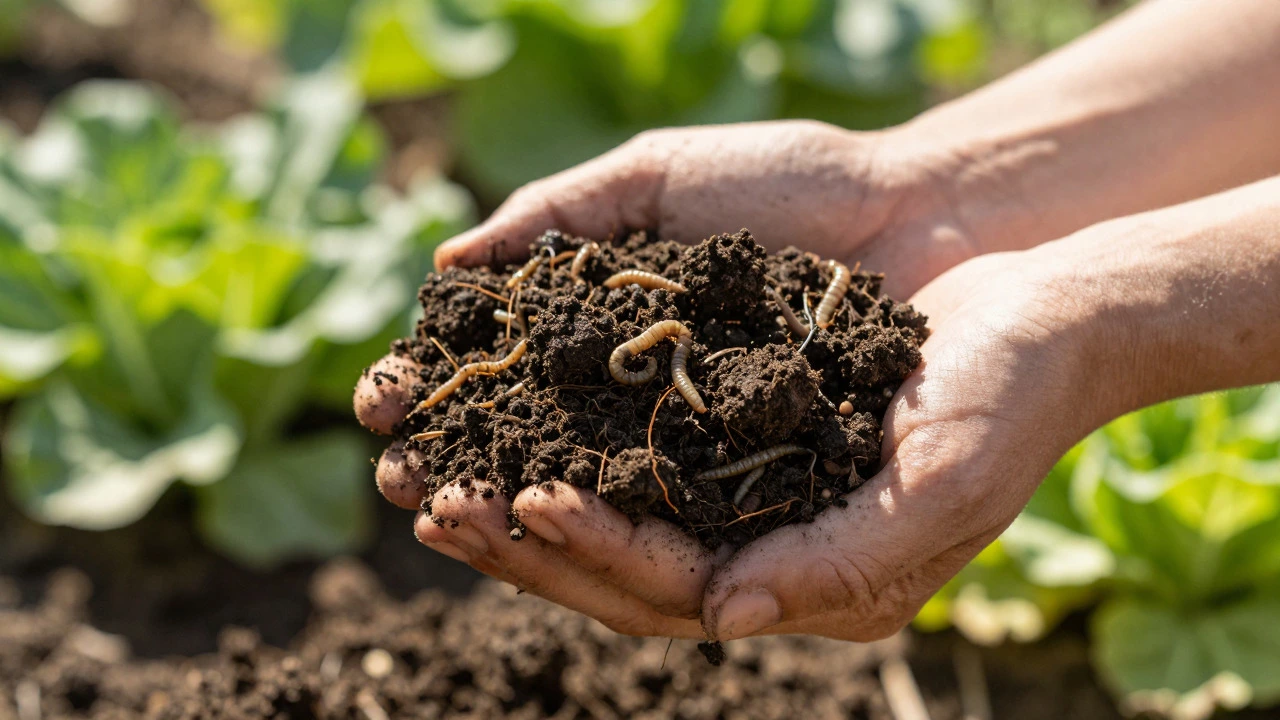
Healthy soil is more than just dirt. It is a living ecosystem made up of minerals, organic matter, water, air, and billions of microorganisms. When this balance breaks down, plants struggle to access nutrients and water. Restoring it requires feeding the biology first, not just adding fertilizer. This guide walks through practical, proven methods to bring life back to your ground, whether you have a small balcony pot or a large vegetable patch in Brighton.
Understanding What Makes Soil Unhealthy
Before fixing the problem, you need to identify it. Most degraded soils suffer from one or a combination of three issues: low organic matter, poor structure, and imbalanced pH levels. Low organic matter means the soil lacks the food source for microbes and earthworms. Poor structure often appears as hard clods that crack when dry or become sticky mud when wet. Imbalanced pH locks away nutrients, making them unavailable to plant roots even if they are present in the soil.
You can check these factors with a simple home test kit or by sending a sample to a local agricultural lab. In the UK, many county councils offer soil testing services at reasonable rates. Knowing your starting point helps you avoid wasting money on unnecessary amendments. For example, adding lime to acidic soil is useless if the real problem is a lack of carbon.
The Power of Organic Matter
Organic matter is the single most important ingredient in soil restoration. It improves water retention, boosts nutrient availability, and feeds the microbial community. Compost, well-rotted manure, and leaf mold are the best sources. Aim to add 2-3 inches of compost to your beds every autumn or spring. Do not dig it in deeply; instead, spread it on the surface and let worms and rain work it down naturally. This method preserves soil structure and protects the top layer from erosion.
If you do not have space for a compost bin, collect fallen leaves from nearby trees. Mix them with kitchen scraps like vegetable peels and coffee grounds. Avoid meat, dairy, and oily foods, which attract pests. A balanced compost pile should be about 60% brown materials (leaves, straw) and 40% green materials (grass clippings, veg waste). Turn the pile once a week to maintain airflow. After six months, you will have dark, crumbly compost that smells like forest floor, not rotting garbage.
Improving Soil Structure Without Tilling
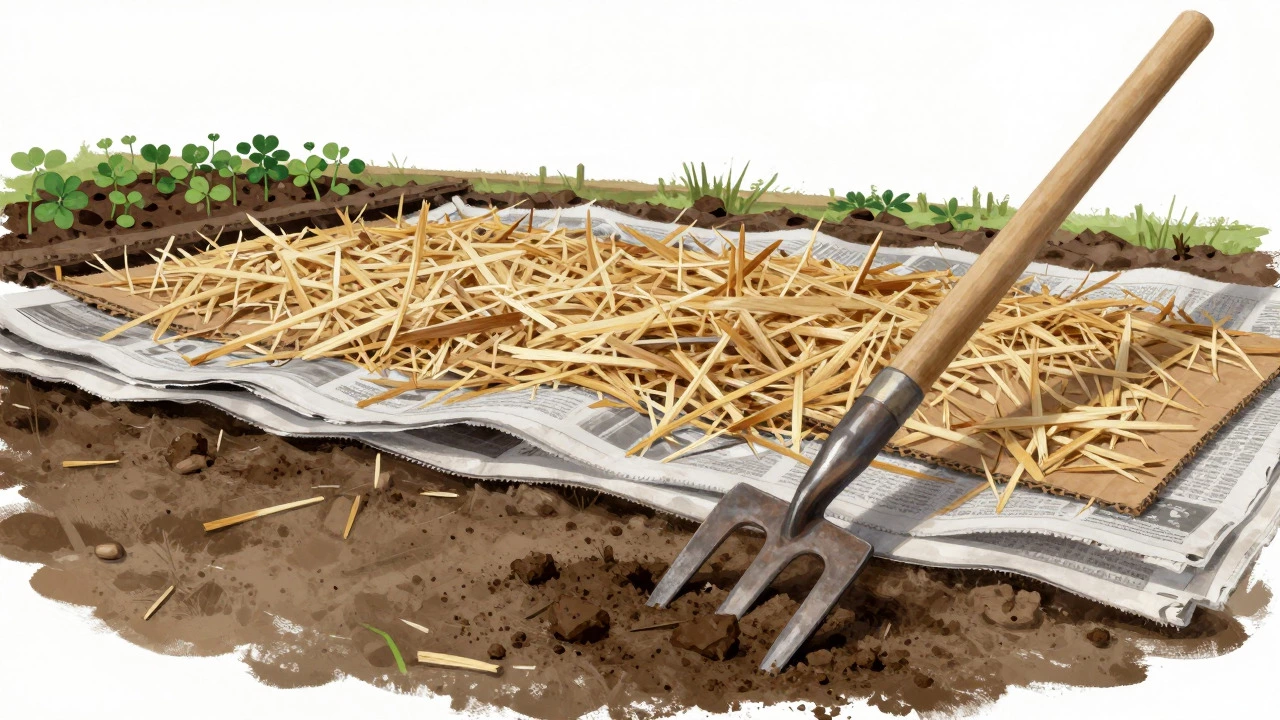
Tilling has been a standard practice for decades, but modern gardening science suggests it can do more harm than good. Digging destroys soil aggregates and kills beneficial fungi. Instead, adopt no-dig or minimum-till methods. Start by laying down cardboard or thick newspaper over the existing soil to suppress weeds. Then cover it with a generous layer of mulch-straw, wood chips, or shredded bark. Over time, the cardboard decomposes, adding carbon to the soil, while the mulch keeps moisture in and temperature stable.
For compacted areas, use a broadfork rather than a spade. A broadfork has long tines that lift and loosen the soil without inverting it. Insert the fork into the ground, pull back gently, and step on the handles to open the soil profile. Repeat this across the bed. This creates air pockets for roots and encourages drainage. Within a season, you will notice easier digging and better root penetration.
Managing Moisture and Drainage
Water management is critical for soil health. Waterlogged soil suffocates roots and kills aerobic bacteria. Dry soil becomes hard and cracks. The solution is to improve infiltration and retention simultaneously. Adding coarse sand or grit can help sandy soils hold water, while clay soils benefit from gypsum to break up clumps. However, organic matter does both jobs better. It acts like a sponge, absorbing excess water during heavy rains and releasing it slowly during dry spells.
Consider installing rain barrels or drip irrigation systems to deliver water directly to the root zone. Avoid overhead watering, which wets the foliage and encourages disease. Mulching also reduces evaporation, meaning you will need to water less frequently. In coastal areas like Brighton, where winds can dry out soil quickly, a 3-inch layer of mulch can make a significant difference in plant survival during summer heatwaves.
Building Biological Activity
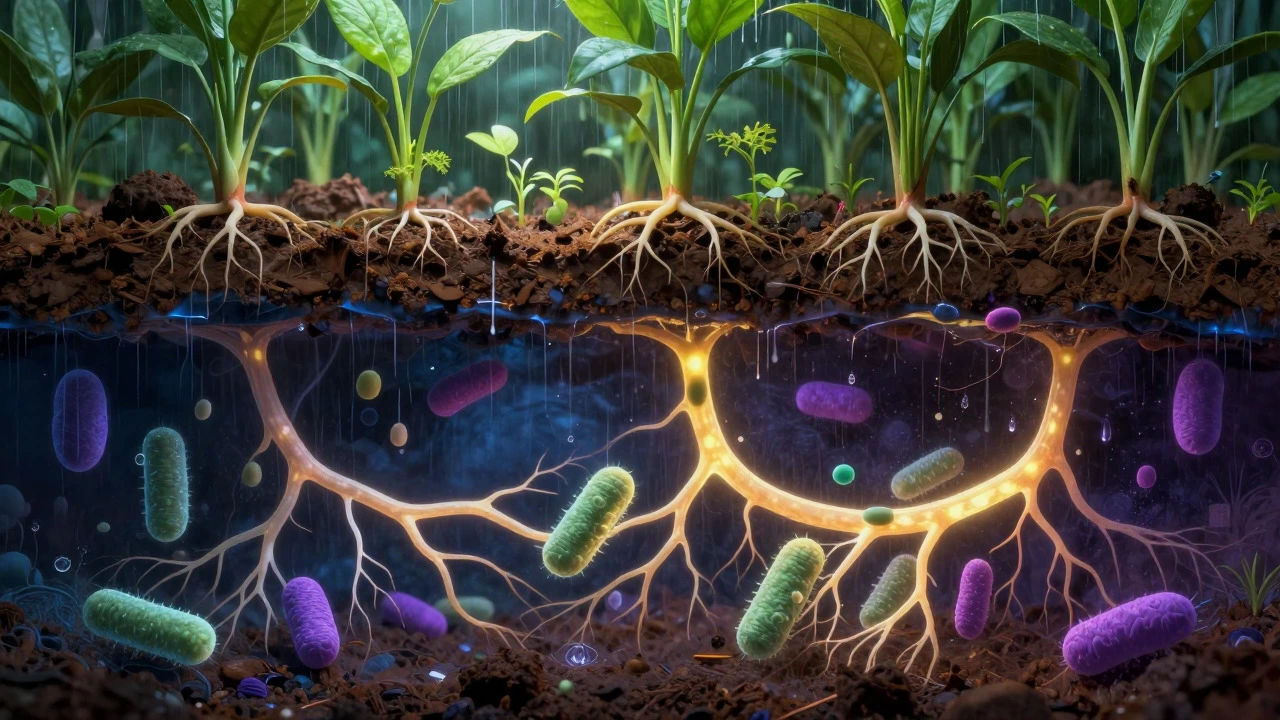
Soil is alive. Earthworms, bacteria, fungi, and protozoa all play roles in breaking down organic matter and cycling nutrients. To boost biological activity, keep the soil covered and moist. Bare soil dries out and loses its microbial population. Plant cover crops like clover, vetch, or rye between main planting seasons. These plants add nitrogen, prevent erosion, and provide food for soil organisms. When you terminate the cover crop, chop it down and leave it on the surface as green manure.
Avoid using synthetic pesticides and fungicides whenever possible. While they control specific pests, they often kill beneficial insects and microbes too. If you must treat a pest issue, target it specifically rather than spraying the whole area. Encourage biodiversity by leaving some wild patches in your garden. Flowers attract pollinators, which indirectly supports the entire ecosystem. A diverse garden has more resilient soil because there are more pathways for nutrient cycling.
Monitoring Progress and Adjusting
Restoring soil health is a long-term project. Do not expect overnight results. Test your soil annually to track changes in pH and nutrient levels. Look for physical signs: Is the soil darker? Are there more earthworms? Does it crumble in your hand? Plants will also tell you if something is wrong. Yellowing leaves may indicate nitrogen deficiency, while stunted growth could signal poor drainage or root disease.
Keep a garden journal. Record what you added, when you planted, and how the plants responded. This data helps you refine your approach year by year. For example, if brassicas consistently fail, your soil might be prone to clubroot. Rotating crops and improving drainage can mitigate this risk. Patience is key. The first year focuses on building the foundation, the second on strengthening it, and the third on enjoying the rewards of fertile, lively soil.
| Method | Best For | Time to See Results | Cost Level |
|---|---|---|---|
| Compost Application | All soil types | 1-2 seasons | Low (if homemade) |
| Mulching | Moisture retention, weed suppression | Immediate to 1 season | Low |
| Cover Cropping | Nitrogen fixation, erosion control | 1 season | Medium (seed cost) |
| Gypsum Addition | Clay soil structure | 1-2 seasons | Medium |
| Lime Application | Acidic soil pH adjustment | 2-3 seasons | Low |
Frequently Asked Questions
How long does it take to restore unhealthy soil?
Most gardens show noticeable improvement within one to two growing seasons. Significant structural changes may take three to five years, depending on the severity of degradation and the consistency of your care routine.
Should I till my soil to improve it?
Generally, no. Tilling disrupts soil structure and kills beneficial microbes. Use minimal disturbance methods like broadforking or no-dig layers to preserve the natural ecosystem.
What is the best organic matter for soil?
Finished compost is the gold standard because it is balanced and ready to use. Well-rotted manure and leaf mold are also excellent alternatives. Avoid fresh manure, which can burn plant roots.
Can I fix compacted soil without digging?
Yes. Use a broadfork to loosen the top 8-12 inches without inverting the soil. Add coarse organic matter like pine bark or wood chips to create air channels as they decompose.
Do cover crops work in small urban gardens?
Absolutely. Fast-growing clover or mustard can be sown in late summer after harvesting vegetables. They protect the soil over winter and add nutrients before you plant again in spring.