Garden Pest & Solution Finder
Select a plant type and describe the damage to identify the culprit.
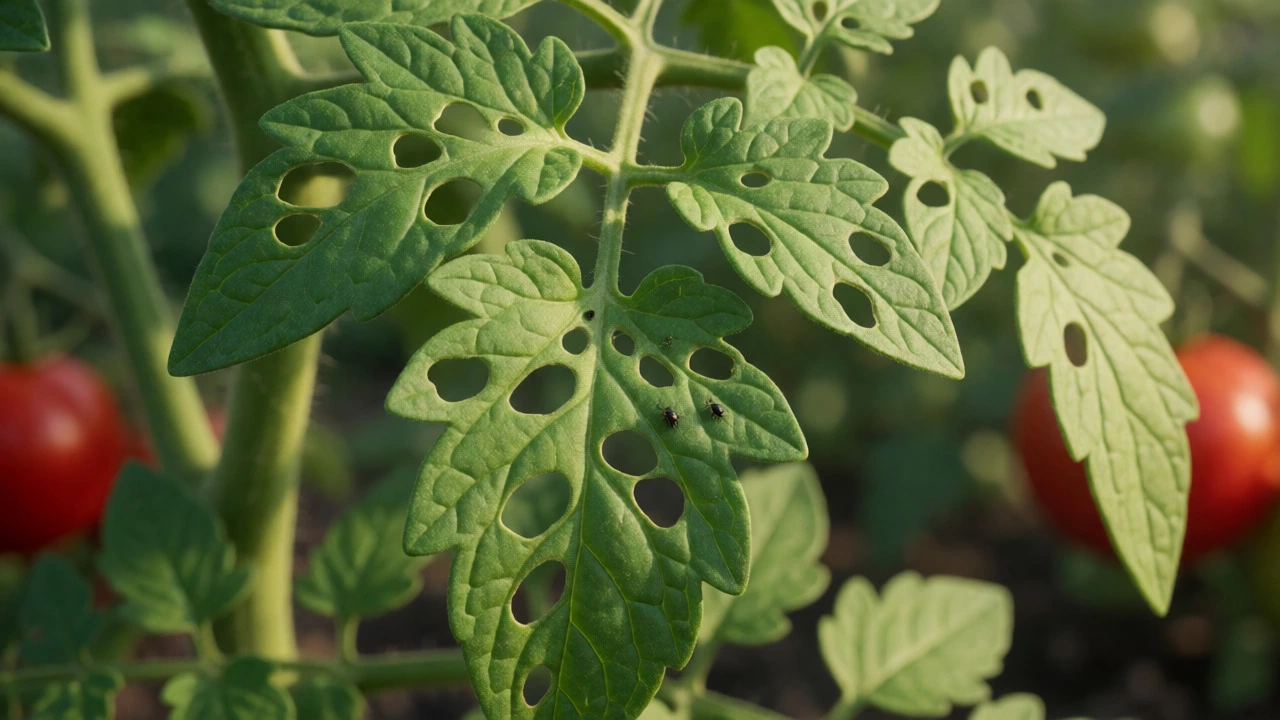
You wake up, grab your coffee, and walk out to check on your prize tomatoes or your delicate lettuce. The heart sinks. Overnight, something has been at them again. It’s not just nibbling; it’s a massacre of small, round holes that turn healthy leaves into Swiss cheese. You’re not alone in this frustration. Whether you are growing vegetables for the kitchen table or flowers for the window box, bugs eating holes in plants is one of the most common headaches for gardeners in the UK and beyond.
The good news? You don’t need to resort to harsh chemicals or give up gardening entirely. In fact, most of the time, the solution lies in understanding who the culprit is and changing a few habits. This guide cuts through the noise to tell you exactly what is likely attacking your plants and how to stop them effectively, keeping your garden healthy and your conscience clean.
Identify the Culprit Before You Act
You cannot fix a problem if you do not know its source. Different pests leave different signatures. Taking five minutes to inspect your plants closely can save you hours of wasted effort later. Here is how to spot the usual suspects:
- Slugs and Snails: These are the primary offenders for soft-leaved plants like hostas, strawberries, and young seedlings. Look for silvery slime trails on the soil or leaves. Their damage usually appears as large, irregular holes or entire leaves eaten away from the edges inward.
- Cabbage White Butterflies (Caterpillars): If you grow brassicas like kale, broccoli, or cabbage, look for green caterpillars with yellow stripes underneath the leaves. They create ragged holes and often leave behind dark green frass (droppings) that looks like sawdust.
- Flea Beetles: These tiny black beetles jump when disturbed. They target radishes, spinach, and mustard greens. The damage is distinct: hundreds of tiny, shot-hole-like punctures across the leaf surface. They thrive in hot, dry weather.
- Vine Weevils: Common in pots and containers, especially around strawberries and heucheras. The adults eat semi-circular notches from the leaf edges at night. The real danger, however, is their white grubs which chew roots underground, causing the plant to wilt suddenly.
- Earwigs: Often blamed unfairly, earwigs mostly eat dead matter but will attack soft petals and new growth in damp conditions. They hide in crevices during the day and emerge at dusk. Check under pots or in dense foliage.
Physical Barriers: The First Line of Defense
If you want immediate results without touching a spray bottle, physical barriers are your best friend. They work by simply making it physically impossible for the bug to reach the plant tissue. This method is particularly effective for slugs and larger insects like caterpillars.
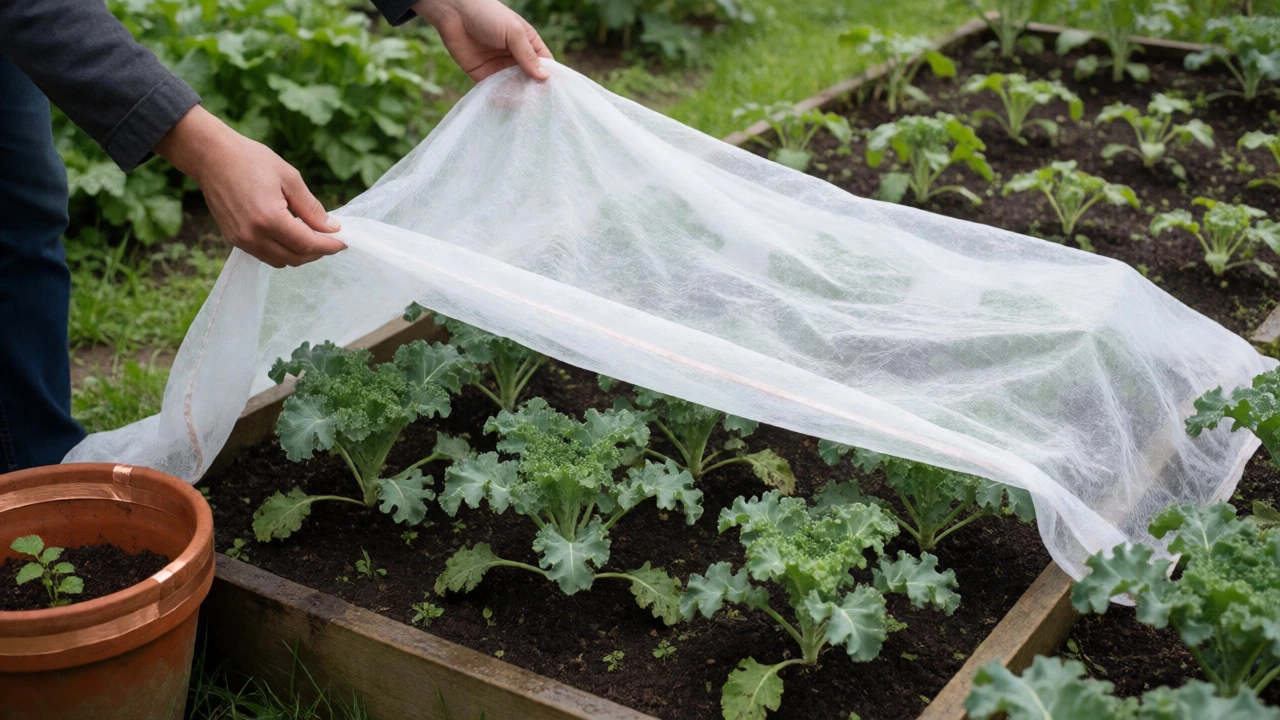
For root crops and low-growing plants, consider using Fleece Covers. Lightweight horticultural fleece acts as a netting barrier that lets light and water in but keeps flying insects out. Secure the edges with pegs so butterflies cannot lay eggs underneath. This is crucial for brassicas where caterpillar infestations can destroy a crop in weeks.
For individual valuable plants, such as a prized rose bush or a row of lettuces, use Netting or Mesh. Fine-mesh netting prevents flea beetles and birds from landing on the plants. Ensure the mesh size is smaller than the pest you are targeting; standard bird netting might be too coarse for tiny beetles.
Don't forget about copper. Copper Tape creates an electric shock sensation for slugs and snails when they touch it due to the reaction between their slime and the metal. Apply it around the rim of pots or raised beds. While it sounds expensive, a single roll lasts years and saves countless plants.
Natural Predators and Biological Controls
Your garden already has a pest control army. You just need to invite them in. Encouraging biodiversity reduces the need for human intervention over time. When you rely on nature, you create a self-regulating system that handles minor outbreaks before they become disasters.
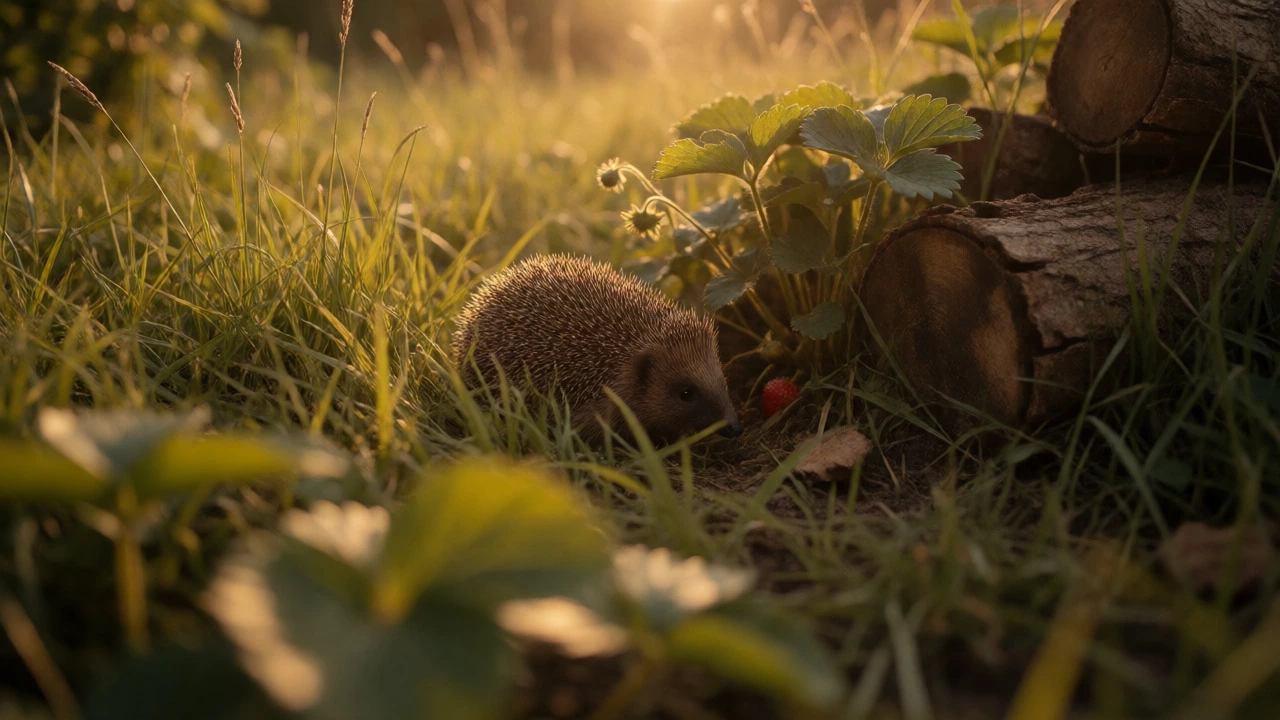
Start with Hedgehogs. A single hedgehog can consume up to 5kg of slugs and insects per year. Provide them with access by leaving gaps in fences and creating log piles for shelter. Avoid using slug pellets, which can poison them indirectly.
Birds are also voracious eaters of caterpillars and beetles. Install Bird Boxes near your vegetable patch. Blue tits, in particular, feed their chicks almost exclusively on caterpillars during spring. However, be aware that some birds, like sparrows, might peck at ripe fruit, so balance is key.
Ground beetles are nocturnal hunters that patrol the soil surface, eating slug eggs and small larvae. To support them, maintain a strip of long grass or a wildflower border next to your cultivated beds. This provides daytime hiding spots and breeding grounds for these beneficial insects.
| Method | Best For | Effectiveness | Ease of Use |
|---|---|---|---|
| Fleece/Mesh | Flying insects, caterpillars | High | Moderate |
| Beer Traps | Slugs, snails | Medium | Easy |
| Nematodes | Soil pests (vine weevil grubs) | High | Harder |
| Hand Picking | Large caterpillars, beetles | Immediate | Labor Intensive |
Organic Sprays and Soil Treatments
Sometimes barriers aren't enough, especially when an infestation is already established. Organic sprays can knock down populations quickly, but timing and application matter more than the product itself. Always test a small area first to ensure your plant isn't sensitive to the mixture.
Nematodes are microscopic worms that you mix with water and apply to the soil. They seek out specific pests like vine weevil grubs or leatherjackets inside the pest's body, releasing bacteria that kill it within days. Apply them in late summer or early autumn when soil temperatures are above 12°C (54°F) for best results.
For chewing insects like aphids and caterpillars, Insecticidal Soap works on contact. It breaks down the outer shell of soft-bodied insects, causing them to dehydrate. Spray directly onto the pests, ensuring you cover the undersides of leaves where many hide. Repeat every 3-5 days until the population drops.
Neem oil is another versatile tool. Derived from the neem tree, it disrupts the life cycle of insects, stopping them from feeding and reproducing. It is less toxic to bees if applied in the evening, but avoid spraying flowering plants during the day to protect pollinators.
Cultural Practices: Prevention is Better Than Cure
The healthiest plants are the least attractive to pests. Stressed plants emit chemical signals that attract bugs looking for an easy meal. By optimizing growing conditions, you make your garden less inviting to troublemakers.
Rotate your crops annually. If you grew potatoes in a specific bed last year, move them to a different location this year. This breaks the life cycle of soil-borne pests like Colorado potato beetles or nematodes that have built up numbers in that specific soil patch. Do not plant the same family of plants in the same spot two years in a row.
Water wisely. Overwatering creates damp conditions that slugs and snails love. Water at the base of the plant in the morning rather than overhead in the evening. This keeps the foliage dry overnight, reducing fungal issues and making the environment less hospitable for moisture-loving pests.
Keep the garden tidy. Remove fallen leaves, rotting fruit, and weeds regularly. These debris piles serve as hiding spots for earwigs, slugs, and beetles during the day. Compost healthy material, but discard heavily infested plant parts in the bin rather than the compost heap to prevent re-introducing pests.
When to Call It a Day
Not every hole means disaster. A few nibbles on an old leaf do not affect the yield of your tomato plant or the beauty of your hydrangea. Gardening is about balance. If you see ten holes on a fifty-leaf plant, do nothing. Let the natural predators handle it. Intervene only when the damage threatens the plant's survival or significantly impacts harvest quality.
Remember, a perfect garden is rare. A productive, resilient garden is achievable. By combining identification, barriers, biological help, and smart cultural practices, you keep bugs from eating holes in plants without turning your outdoor space into a laboratory.
What does it mean when my leaves have small round holes?
Small, perfectly round holes are typically caused by Flea Beetles. These tiny jumping beetles prefer brassicas, radishes, and spinach. They are worse in dry, sunny weather. Using fine mesh netting or floating row covers is the most effective prevention method.
How do I get rid of slugs naturally?
Combine methods for best results. Use beer traps to lure and drown them, place copper tape around pots to repel them, and encourage hedgehogs and ground beetles by providing habitat. Avoid salt if you are growing in containers as it builds up in the soil.
Are vinegar sprays effective against bugs?
Vinegar can deter some pests, but it is non-selective and can burn plant leaves if the concentration is too high. It is better used as a weed killer or deterrent around the base of plants rather than sprayed directly on foliage unless diluted significantly (1 part vinegar to 10 parts water).
Why are there holes in my basil leaves?
Basil is prone to Slugs, Snails, and occasionally Cutworms. Check the soil surface at dusk with a flashlight. Slime trails indicate slugs/snails. If you find no slime but see cut stems at the base, cutworms are likely the cause.
Can I eat vegetables with bug holes?
Yes, absolutely. As long as you wash the produce thoroughly, vegetables with minor insect damage are safe to eat. Simply trim away the damaged portions if they look unappetizing. Bug holes do not indicate disease or toxicity.