UK Seasonal Lawn Care Planner
Most people think a green lawn is just about watering. It’s not. It’s about timing. If you mow too low in July or fertilize in the dead of winter, you’re fighting nature instead of working with it. The best lawn care routine isn’t a rigid checklist; it’s a rhythm that changes with the seasons. In the UK, where weather can swing from dry spells to soaking rain in a single week, flexibility is your best tool.
A healthy lawn starts underground. Before you even think about the mower, you need to understand what’s happening in the soil. Compacted earth chokes roots. Poor drainage turns your garden into a swamp after heavy rain. Ignoring these basics means you’ll spend more time fixing problems than enjoying your space. Let’s break down exactly what to do, when to do it, and why it matters.
Spring: Waking Up the Soil
March and April are critical months. After a long, damp winter, your lawn is likely covered in moss and debris. This isn’t just unsightly; it blocks sunlight and traps moisture, creating a perfect breeding ground for disease. Your first job is to clear the way.
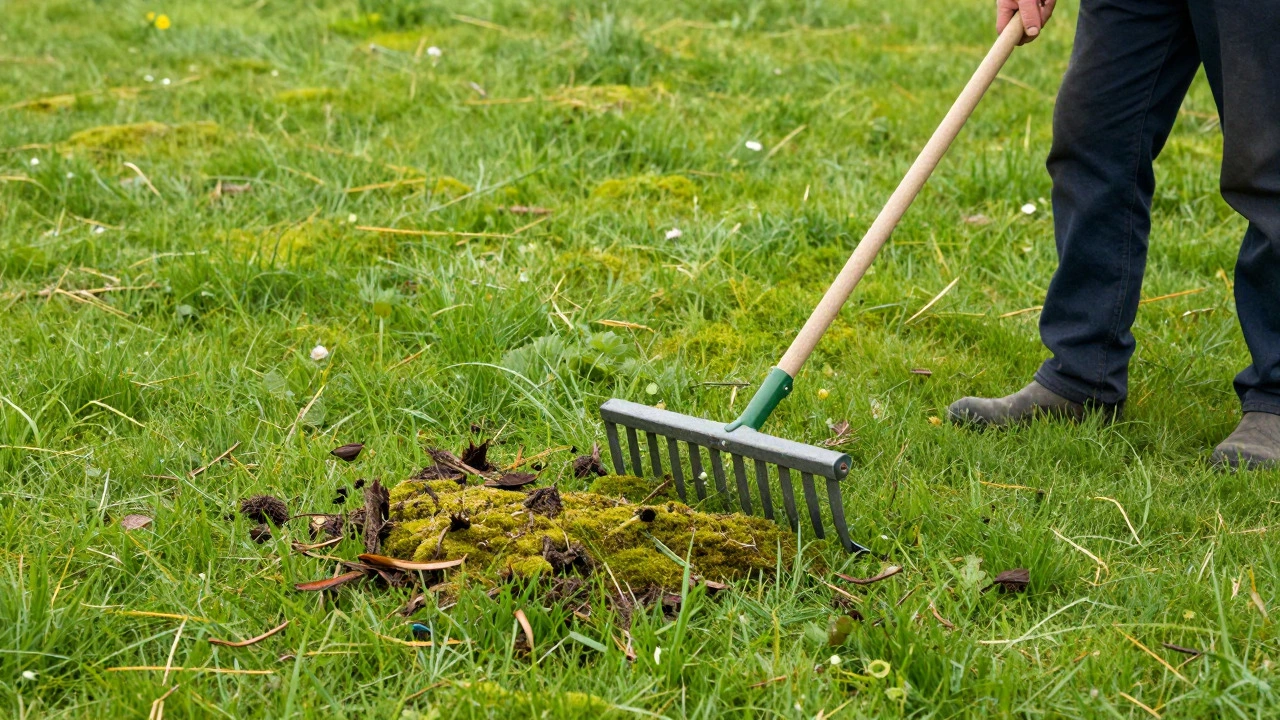
Start by scarifying. This sounds aggressive, but it’s simply raking out the dead organic matter (thatch) that builds up on the surface. If you have a large lawn, a mechanical scarifier works wonders. For smaller patches, a sturdy spring-tined rake does the trick. You want to remove enough moss to see the soil beneath, but don’t strip it bare. The goal is airflow, not destruction.
Once the surface is clear, look at the soil structure. Is it hard as concrete? If so, aerate it. Use a garden fork to gently pierce the ground every few inches. This allows oxygen, water, and nutrients to reach the root zone. Next, apply a slow-release fertilizer. Look for one with a higher nitrogen content to encourage leaf growth, but balance it with potassium to strengthen the plant against stress. Avoid quick-fix liquid feeds here; they burn tender new shoots. Stick to granular options that feed gradually over weeks.
Finally, check for weeds. Spring is when dandelions and clover push through. Pull them by hand while the soil is soft. Chemical weedkillers work, but they also harm surrounding grass if misapplied. Hand-weeding takes longer but keeps your ecosystem balanced. Remember, a little clover actually fixes nitrogen in the soil, so don’t panic if you see some.
Summer: Managing Heat and Drought
By June and July, the focus shifts entirely to preservation. High temperatures and low rainfall stress grass. The biggest mistake people make is overwatering. They see yellow patches and dump buckets of water on them. This encourages shallow roots that die off quickly when the next dry spell hits.
Water deeply, but infrequently. Aim for early morning sessions. Water evaporates rapidly in midday sun, and evening watering leaves grass wet overnight, inviting fungal diseases like brown patch. A good rule of thumb: give your lawn about 25mm of water per week, including natural rainfall. If it hasn’t rained, use a hose with a gentle spray attachment. Let it soak in rather than running off.
Mowing height is crucial now. Raise your mower blade. Grass blades act like umbrellas, shading the soil and reducing evaporation. Keep the cut between 4cm and 6cm. Never remove more than one-third of the blade length in a single cut. Cutting too short shocks the plant and exposes the crown to sunscald. Also, keep your mower blades sharp. Dull blades tear the grass, leaving ragged edges that turn brown and invite infection. Sharpen or replace blades every 20 hours of use.
If your lawn goes dormant (turns brown), don’t panic. It’s a survival mechanism. Stop fertilizing during extreme heat. Nitrogen pushes growth that the plant can’t support without adequate water. Instead, let it rest. Foot traffic should be minimized. Wet grass compresses easily, leading to permanent damage. Create a path for regular walking to avoid trampling the whole area.
Autumn: Preparing for Winter Rest
September and October are arguably the most important months for long-term health. This is when grass roots grow deepest. The air is cool, but the soil is still warm from summer. This combination triggers vigorous root development.
Scarify again if needed. Moss grows fast in autumn humidity. Remove excess thatch to prevent rotting under the snow later. Then, aerate thoroughly. Core aeration-removing small plugs of soil-is ideal here. It relieves compaction better than fork aeration. Leave the cores on the surface to break down; they return valuable minerals to the soil.
Fertilizer choice changes now. Switch to a high-potassium, low-nitrogen formula. Potassium strengthens cell walls, helping grass withstand freezing temperatures and frost. Nitrogen promotes top growth, which you don’t want right before winter. Unprotected green shoots will freeze and die, leaving thin patches in spring. Apply this feed in early October. By November, stop all feeding.
Leaf management is key. Rake fallen leaves promptly. A thick layer of wet leaves smothers grass, blocking light and air. If you can’t rake them all, mulch them with a mower set to bag collection. Spread a thin layer of shredded leaves back onto the lawn as mulch-it decomposes slowly and adds organic matter. Just ensure it’s not dense enough to mat down.
Winter: Protection and Patience
December through February is mostly about doing nothing. Grass growth slows dramatically or stops completely. Mowing is rarely necessary unless you live in a mild coastal area like Brighton, where sporadic growth might occur. If you must mow, raise the blade to its highest setting. Cut only if absolutely essential to maintain visibility or safety.
Avoid walking on frozen or waterlogged lawns. Frozen grass blades snap easily. Waterlogged soil compacts under weight, destroying pore space needed for roots. Mark paths with temporary markers if guests need access. If snow accumulates, brush it off gently with a broom. Heavy snow can flatten grass, causing it to mat and rot underneath. Don’t shovel vigorously; you’ll tear the turf.
Use this time for planning. Assess problem areas. Where did water pool last year? Where did weeds thrive? Note these spots. Order tools, sharpen blades, and plan any overseeding projects for spring. Overseeding involves spreading fresh grass seed over existing lawn to fill bare patches. It’s best done in late summer or early autumn, but if you missed that window, wait until March. Winter sowing rarely succeeds due to cold and wet conditions.
| Season | Key Task | Fertilizer Type | Mowing Height |
|---|---|---|---|
| Spring | Scarify, Aerate, Weed | High Nitrogen | 4-5 cm |
| Summer | Deep Watering, Sharp Blades | None (unless drought) | 5-6 cm |
| Autumn | Core Aerate, Leaf Removal | High Potassium | 4-5 cm |
| Winter | Minimal Traffic, Snow Brushing | None | Highest Setting |
Common Mistakes to Avoid
Even with the right routine, small errors can undo your progress. One major issue is ignoring pH levels. Most UK soils are slightly acidic. Grass prefers a pH between 6.0 and 7.0. If your soil is too acidic, nutrients become locked away and unavailable to plants. Test your soil annually using a simple kit. If pH is below 6.0, apply garden lime in autumn. It takes months to work, so timing matters.
Another trap is relying solely on chemical solutions. Herbicides kill weeds but don’t fix the underlying cause. Weeds thrive in poor soil. Improve soil health with organic compost top-dressing. Spread a thin layer (5mm) of well-rotted compost in spring and autumn. It feeds beneficial microbes, improves drainage, and suppresses weeds naturally. Over time, a dense, healthy lawn crowds out invaders without chemicals.
Don’t neglect irrigation systems. If you have sprinklers, check them monthly. Clogged nozzles create dry spots. Misaligned heads waste water on paths. Adjust pressure settings to ensure even coverage. Drip irrigation is efficient but rare for lawns; stick to oscillating sprinklers for large areas.
When to Call a Professional
Sometimes DIY isn’t enough. Severe infestations of couch grass or creeping buttercup require targeted treatment. These weeds spread via rhizomes (underground stems). Pulling fragments often spreads them further. Professionals have access to stronger herbicides and application equipment. Similarly, if your lawn suffers from persistent fungal diseases like dollar spot or red thread, expert diagnosis ensures correct fungicide use. Misdiagnosis leads to wasted money and worsening problems.
For very large properties or complex terrain, hiring a landscaper for initial setup pays off. Proper grading prevents drainage issues forever. Installing permeable pathways reduces runoff. These investments save years of corrective maintenance.
How often should I water my lawn in the UK?
Only when there’s been less than 25mm of rain in a week. During dry summers, water deeply once or twice a week in the early morning. Avoid daily light sprinklings, which encourage shallow roots.
What is the best time to fertilize grass?
Apply high-nitrogen fertilizer in spring (April) to boost growth. Use high-potassium fertilizer in autumn (early October) to prepare for winter. Avoid fertilizing in midsummer heat or deep winter.
Should I leave grass clippings on the lawn?
Yes, if you mow regularly and remove only the top third of the blade. Clippings decompose quickly and return nitrogen to the soil. Bag them only if they form thick mats or if you’ve applied weedkiller recently.
How do I get rid of moss naturally?
Improve drainage and sunlight exposure. Scarify to remove existing moss. Top-dress with sand and compost to raise the surface slightly. Reduce foot traffic. Healthy, dense grass outcompetes moss over time.
Can I lay new sod in winter?
No. Sod needs warm soil to establish roots. Lay new turf in spring or early autumn when temperatures are consistently above 10°C. Winter laying leads to poor rooting and winter kill.